

Home Remedies for Back Pain in Men
Back pain is a common problem in men that affects the back and spine. It can occur in the lower back, upper back, shoulders, hips, or neck. Many men experience back pain because of long sitting hours, heavy lifting, poor posture, weak core muscles, stress, incorrect sleeping positions, or lack of proper back support. Common signs of back pain include muscle stiffness, dull or sharp pain, difficulty bending, and discomfort after sitting for long hours or waking up in the morning. In some cases, the pain may spread from the lower back to the hips or legs when nearby nerves become irritated. Men who work at desks, drive for long hours, lift weights, or perform physically demanding jobs are at a higher risk of developing back pain.
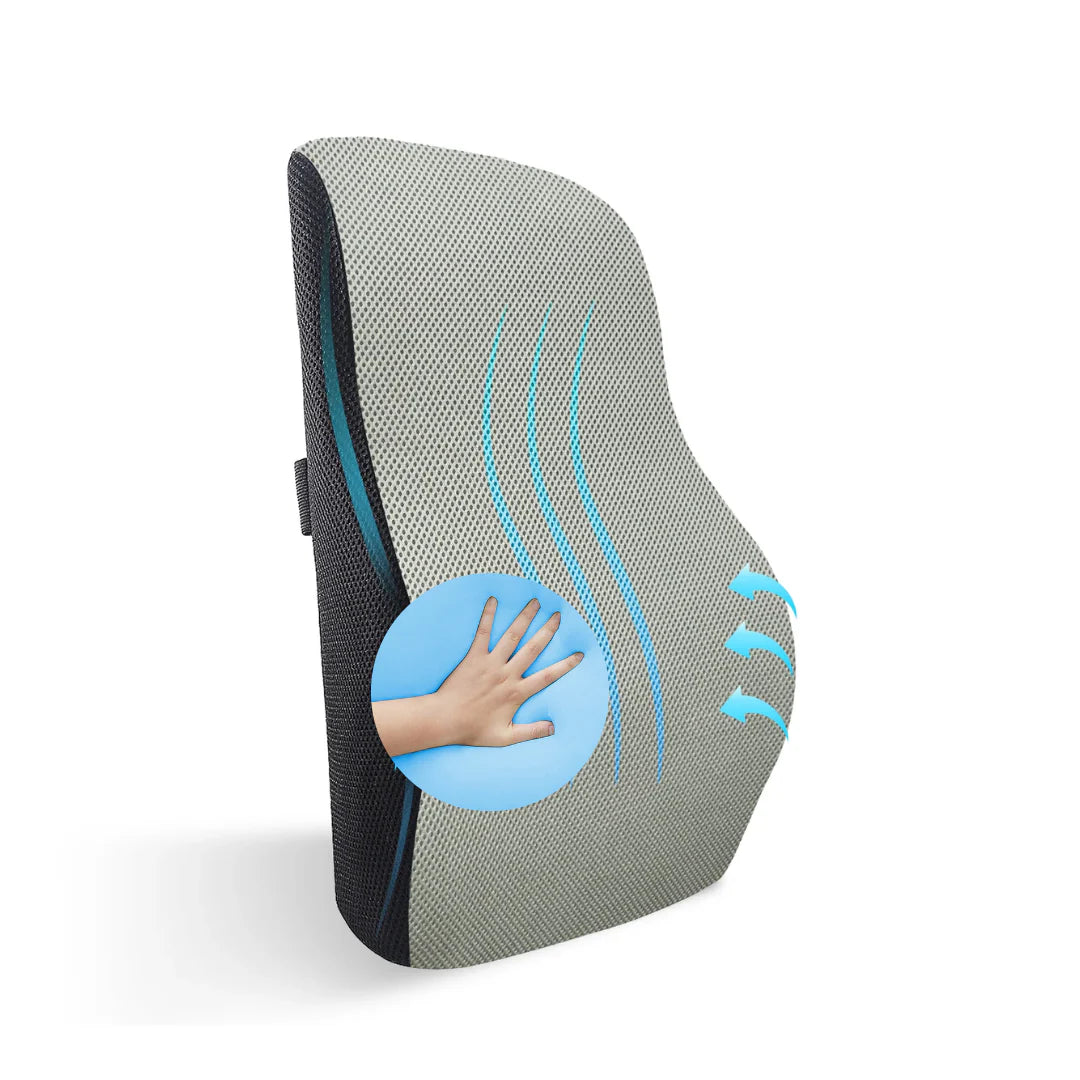
The good news is that many cases of back pain can improve with simple home care, healthy lifestyle changes, and natural remedies for back pain in men. If you're looking for back pain relief at home or men's back pain treatment at home, these simple methods can make a big difference. Gentle stretching, regular walking, posture correction, safe lifting techniques, strengthening exercises, hot and cold therapy, and proper sleeping positions can help reduce pain and prevent it from returning. Using supportive products like a Sleepsia Lumbar Support Pillow, Orthopedic Pillow, or Cervical Pillow may also help improve spinal alignment and provide better comfort while sitting, resting, or sleeping.
In this blog, we will discuss the best home remedies for back pain in men, its common symptoms and causes, effective exercises, lifestyle changes, the best sleeping positions, prevention tips, and when to consult a doctor.
Recommended Products



What Is Back Pain in Men?
Back pain in men can affect the muscles, ligaments, discs, joints, nerves, or spine. It can appear suddenly after lifting something heavy or develop slowly due to poor posture, weak core muscles, long sitting hours, or an unsupportive mattress.
Common Areas of Back Pain
|
Pain Area |
Common Symptoms |
Possible Causes |
|
Lower Back |
Stiffness, dull ache, sharp pain, difficulty bending |
Long sitting hours, heavy lifting, poor posture, weak core muscles |
|
Upper Back |
Tightness, muscle soreness, pain around the shoulders |
Desk work, prolonged phone use, stress, poor sitting posture |
|
Middle Back |
Deep aching, muscle strain, discomfort during movement |
Twisting motions, poor posture, muscle fatigue, overuse |
|
Back Pain with Leg Pain |
Pain that spreads to the hips, buttocks, or legs, tingling or numbness |
Nerve irritation, sciatica, herniated disc |
|
Morning Back Pain |
Stiffness or pain after waking up, reduced flexibility |
Sleeping in the wrong position or using an unsupportive pillow. |
Common Causes of Back Pain in Men
Below are the most common causes of back pain in men:
1. Poor Sitting Posture
Long sitting hours can put pressure on the lower back. Men who work on laptops, drive for long hours, or sit without lumbar support often experience stiffness and pain.
2. Heavy Lifting
Lifting weights, office boxes, luggage, or household items with a bent back can strain muscles and ligaments. Sudden twisting while lifting can make the pain worse.
3. Weak Core Muscles
The core supports the spine. Weak abdominal, hip, and back muscles can increase pressure on the lower back during daily activities.
4. Lack of Movement
Staying inactive for too long can make back pain worse. For many types of back pain, gentle movement is better than complete bed rest. Try to stay active instead of staying in bed all day. Avoid activities that increase your pain, especially heavy lifting and twisting.
5. Poor Sleep Support
A sagging mattress, flat pillow, or poor sleeping position can disturb spinal alignment. This may lead to morning stiffness, neck pain, or lower back discomfort.
6. Stress and Muscle Tension
Stress can tighten the shoulders, neck, and lower back. Men may also ignore early pain and continue working or exercising, which can increase discomfort.
Symptoms of Back Pain in Men
Back pain can feel different from person to person. Recognizing the symptoms early can help you manage the problem before it gets worse.
Common symptoms include:
- Mild to moderate pain in the lower, middle, or upper back.
- Sharp or stabbing pain during movement or lifting.
- Muscle stiffness that makes it difficult to bend or twist.
- Pain that moves from the back to the hips, buttocks, or legs.
- Reduced flexibility or limited range of motion.
- Muscle tightness in the back.
- Pain that worsens after sitting, standing, or driving for long periods.
- Difficulty standing up straight or maintaining good posture.
Best Home Remedies for Back Pain in Men
Below are some of the best home remedies for back pain in men that may help reduce pain, stiffness, and discomfort.
1. Use Hot and Cold Therapy
Cold therapy can help during the first 24–48 hours after a strain, especially if there is swelling or sharp pain. Heat therapy is also one of the most effective chronic back pain home remedies for muscle stiffness.
|
Therapy |
Best For |
How to Use |
|
Cold Pack (Ice Therapy) |
Fresh injuries, swelling, inflammation, sudden back pain |
Apply for 15–20 minutes at a time. Wrap the ice pack in a towel and repeat every 2–3 hours during the first 24–48 hours. |
|
Heating Pad (Heat Therapy) |
Muscle tightness, stiffness, chronic back pain, muscle spasms |
Apply for 15–20 minutes at a time. Use a warm, not hot, heating pad to relax muscles and improve blood flow. |
|
Warm Bath |
Full back relaxation, muscle soreness, stress-related back pain |
Soak in warm water for 10–15 minutes to help relax muscles, reduce stiffness, and improve flexibility. |
2. Keep Moving Gently
Avoid complete bed rest unless your doctor advises it. Gentle walking, light stretching, and slow movement can reduce stiffness. You should stay active and continue normal activities as much as possible for back pain recovery.
3. Try Gentle Stretching
Stretching helps relax tight muscles and improves flexibility. Do not force any stretch. Stop if pain becomes sharp or travels down the leg.
Stretches for Back Pain Relief
- Knee-to-chest stretch
- Cat-cow stretch
- Child’s pose
- Hamstring stretch
- Pelvic tilt
- Seated spinal twist
Back Pain Exercises for Men
The following exercises can help reduce back pain, improve movement, and strengthen your back muscles.
1. Knee-to-Chest Stretch

Lie on your back. Bend one knee and pull it gently toward your chest. Hold for 15–20 seconds. Repeat on the other side.
2. Cat-Cow Stretch

Start on hands and knees. Slowly arch your back upward, then lower it gently while lifting your chest. Repeat 8–10 times.
3. Pelvic Tilt

Lie on your back with knees bent. Tighten your stomach slightly and press your lower back toward the floor. Hold for 5 seconds. Repeat 10 times.
4. Glute Bridge

Lie on your back with knees bent. Lift your hips slowly while keeping your shoulders on the floor. Hold for 3 seconds, then lower. Repeat 8–12 times.
5. Bird Dog

Start on hands and knees. Extend one arm and the opposite leg. Hold for a few seconds, then switch sides. This helps improve core stability.
Lifestyle Changes to Reduce Back Pain
These healthy habits show how to reduce back pain naturally and keep your back strong
Improve Your Sitting Posture
Keep your feet flat on the floor, shoulders relaxed, and screen at eye level. Avoid leaning forward for long periods.
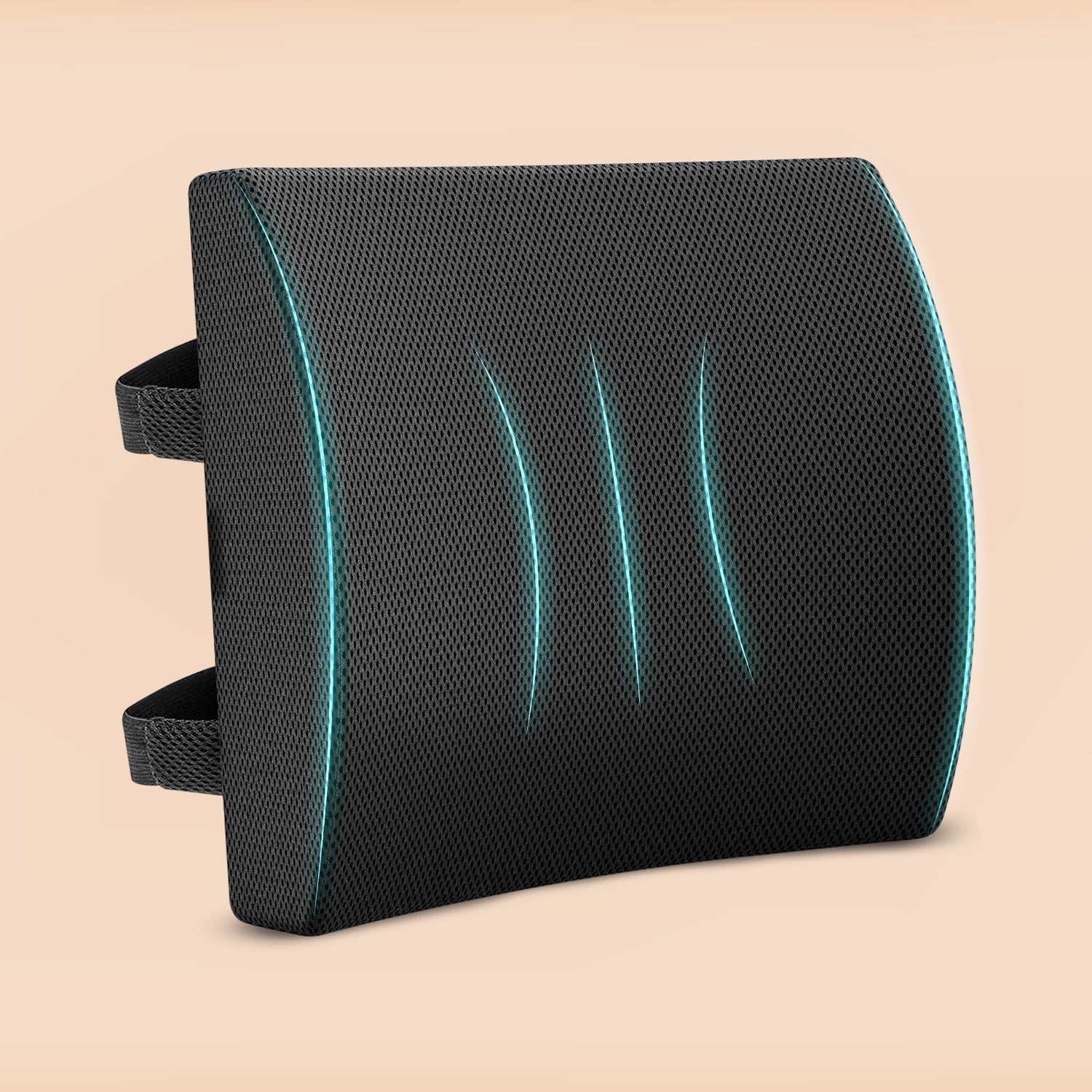
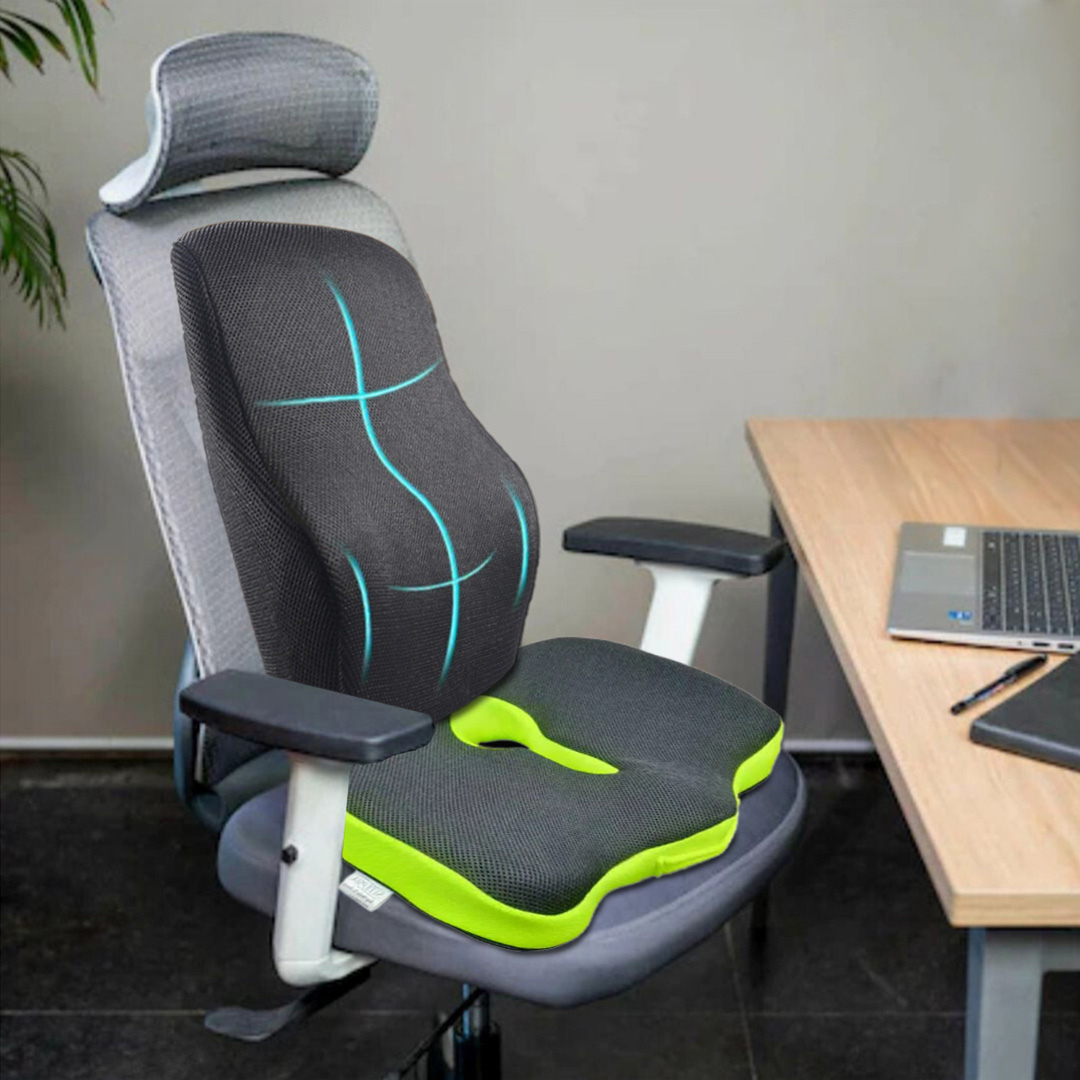
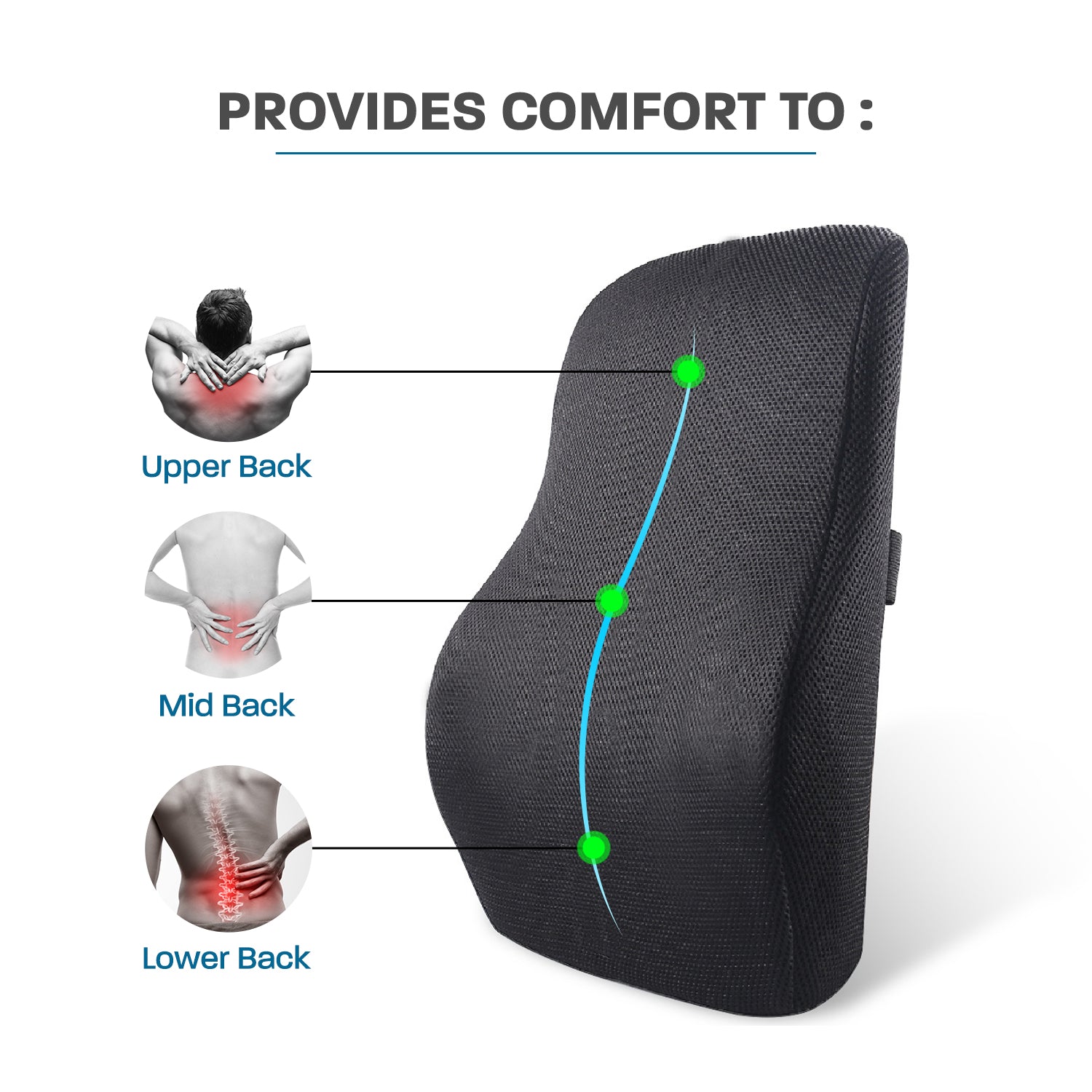
A Sleepsia Lumbar Support Pillow can help support the natural curve of the lower back while sitting at a desk, working from home, or driving. This can reduce pressure on the lumbar area and encourage better posture.
Take Breaks Every 30–45 Minutes
Stand up, walk, stretch your hips, and reset your posture. Small movement breaks can reduce stiffness caused by long sitting.
Lift Objects Correctly
Bend your knees, keep the object close to your body, and avoid twisting your spine while lifting.
Maintain a Healthy Weight
Extra body weight, especially around the abdomen, can increase pressure on the lower back. A balanced diet and regular walking can help.
Stay Hydrated
Hydration supports muscle function and general tissue health. Drink enough water throughout the day, especially after workouts or outdoor work.
Sleeping Positions for Back Pain Relief
Proper sleeping posture is one of the easiest lower back pain home remedies. Sleep posture matters because the spine needs proper support through the night.
Best Sleeping Position for Lower Back Pain
Sleeping on your back with a pillow under your knees can reduce lower back strain. This position helps maintain a more neutral spine.
Best Side Sleeping Position
Sleep on your side with a pillow between your knees. This helps keep the hips, pelvis, and spine aligned.
Avoid Sleeping on the Stomach
Stomach sleeping can twist the neck and strain the lower back. If you cannot avoid it, use a thin pillow under the stomach or pelvis.
How Proper Sleep Support Can Help Back Pain
Poor pillow support can bend the neck upward or downward, which affects spinal alignment.
Lumbar Support Pillow
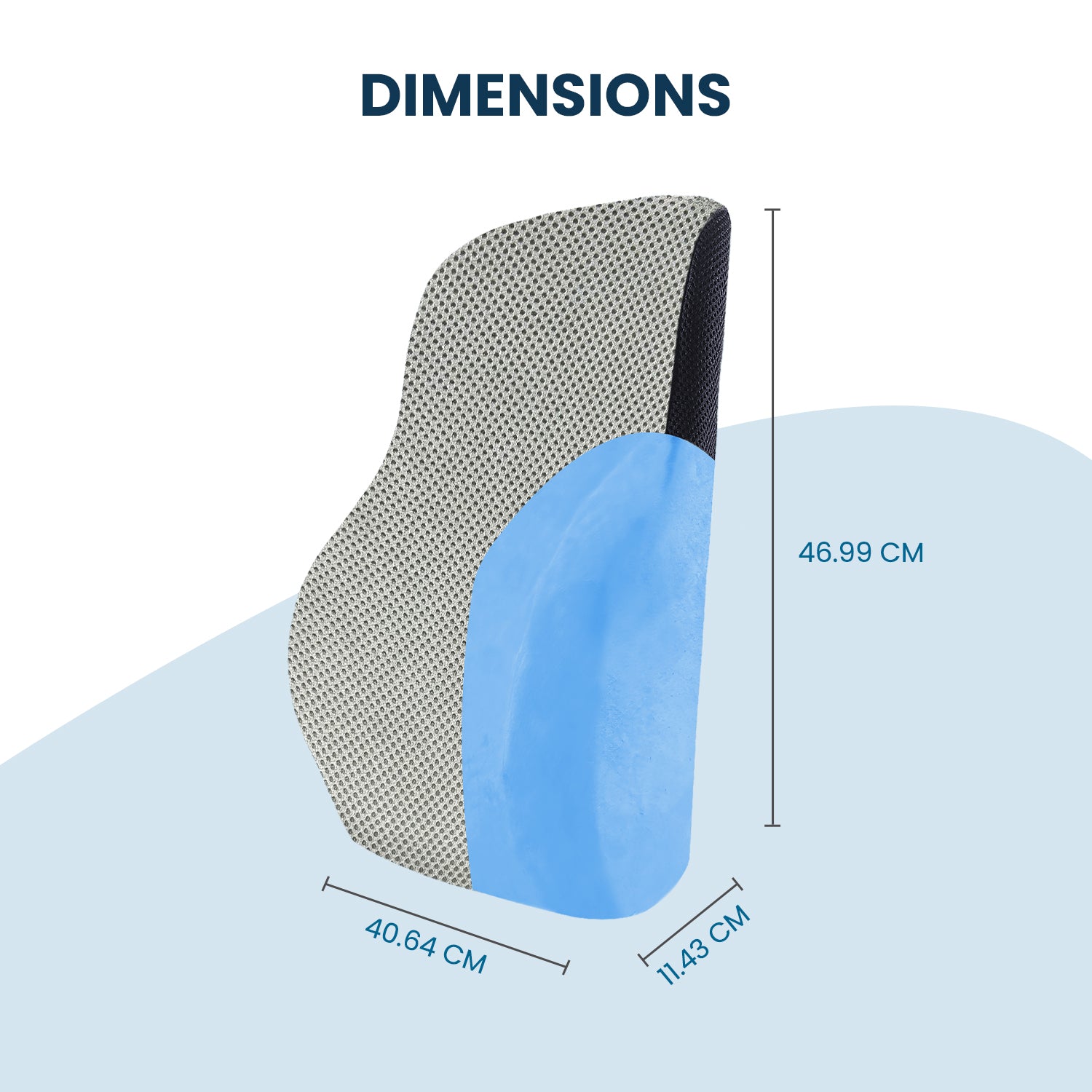
A Lumbar Support Pillow is useful for men who sit for long hours, drive daily, or work from a chair. It supports the lower back curve and helps reduce slouching.
Wedge Pillow
A Wedge Pillow helps provide elevated support while sleeping or resting. It can help improve sleeping posture by keeping the upper body or legs in a comfortable position, which may reduce strain on the back.
Coccyx Pillow
A Coccyx Pillow is designed to support the tailbone area while sitting. It helps reduce pressure on the coccyx and provides better comfort for people who spend long hours sitting on chairs or car seats.
Half Moon Pillow
A Half Moon Pillow provides targeted support for areas like the lower back, neck, knees, or legs. It helps maintain a comfortable sleeping position and supports better spinal alignment during rest.
Home Massage for Back Pain
Below are some simple home massage tips that may help relieve back pain and muscle tension.
Use Gentle Pressure
Massage can relax tight muscles and improve comfort. Use slow circular motions around the lower back, hips, and shoulders.
Try a Tennis Ball Massage
Place a tennis ball between your back and a wall. Move slowly to massage tight areas. Do not roll directly over the spine.
Use Oil or Balm Carefully
Warm oil massage may help relax the muscles. Avoid strong balms if you have sensitive skin.
Diet Tips for Back Pain Recovery
Below are some simple diet tips that may help reduce back pain and support recovery.
Eat Protein-Rich Foods
Protein supports muscle repair. Include eggs, lentils, paneer, curd, fish, chicken, beans, or tofu.
Add Anti-Inflammatory Foods
Include fruits, vegetables, nuts, seeds, turmeric, ginger, and leafy greens.
Reduce Highly Processed Foods
Too much sugar, fried food, and processed snacks may affect weight and general inflammation.
Back Pain Prevention Tips for Men
Follow these tips to protect your back during work, exercise, driving, and sleep.
- Maintain good posture while sitting, standing, and walking.
- Exercise regularly to strengthen your back and core muscles.
- Lift heavy objects correctly by bending your knees, not your back.
- Take breaks from sitting and stretch every 30–60 minutes.
- Maintain a healthy weight to reduce pressure on your spine.
- Sleep on a supportive mattress and pillow to keep your spine properly aligned.
- Use proper back support when working long hours or driving.
- Stay active with walking, stretching, or other low-impact exercises.
When to Consult a Doctor
Most mild back pain improves with home care and rest. However, you should consult a doctor if the pain lasts longer than two to four weeks, becomes severe, or keeps coming back. Seek medical attention immediately if your back pain spreads to one or both legs, causes numbness or weakness, follows a fall or injury, or is accompanied by fever, unexplained weight loss, or difficulty controlling your bladder or bowels. Early diagnosis and treatment can help prevent complications and support a faster recovery.
Conclusion
Back pain in men can often improve with simple home remedies like stretching, heat or cold therapy, walking, good posture, and proper sleep support. Using a Sleepsia Lumbar Support Pillow while sitting or a Sleepsia Orthopedic or Cervical Pillow during sleep can help provide better back and neck support.
If your pain is severe, lasts for weeks, or is accompanied by numbness, weakness, or fever, consult a doctor.
Give your back the support it deserves. Search Sleepsia’s website and you will see multiple products according to your issues.
FAQs
Q1: What are the best home remedies for back pain in men?Ans: The best home remedies include hot and cold therapy, gentle stretching, walking, posture correction, proper lifting technique, core strengthening, massage, and better sleep support.
Q2: Is walking good for back pain?Ans: Yes, gentle walking can reduce stiffness and help maintain movement. Avoid intense walking if pain becomes sharp or spreads down the leg.
Q3: Which sleeping position is best for back pain?Ans: Back sleeping with a pillow under the knees and side sleeping with a pillow between the knees are usually better for lower back support.
Q4: Can a pillow help reduce back pain?Ans: Yes, the right pillow can support spinal alignment. A lumbar pillow supports the lower back while sitting, while an orthopedic pillow supports the neck and upper spine during sleep.
Q5: Should men rest completely during back pain?Ans: Complete bed rest is usually not needed for common back pain. Gentle movement is often better, but severe pain should be checked by a doctor.
Q6: When is back pain serious?Ans: Back pain may be serious if it lasts for weeks, spreads to the legs, causes numbness or weakness, follows an injury, or comes with fever, weight loss, or bladder or bowel problems.
Q7: Can gym workouts cause back pain?Ans: Yes, poor lifting form, heavy weights, weak core muscles, and lack of warm-up can cause back pain. Use correct technique and avoid lifting beyond control.
Top Signs You Need a Cervical Pillow for Neck Pain Relief
Best Pregnancy Sleeping Positions with a Pregnancy Pillow for Each Trimester
Recent Posts

7 Benefits of Shishuasana (Child Pose) and How to Practice It Correctly

Benefits of Eka Pada Raja Kapotasana (Pigeon Pose) & How to Practice

How Does an Aroma Diffuser Make Your Home Smell Better?

Queen Size Bedsheet Buying Guide: Size, Fabric & Fit Explained

Benefits of Marjariasana (Cat Stretch Pose) & How to Practice

How to Choose the Right Double Bedsheet Size for Your Mattress

Why Does a Cotton Bedsheet Feel Better in Summer? Benefits of Breathable Fabric

