

How a Cervical Pillow for Neck Pain Improves Sleep Quality
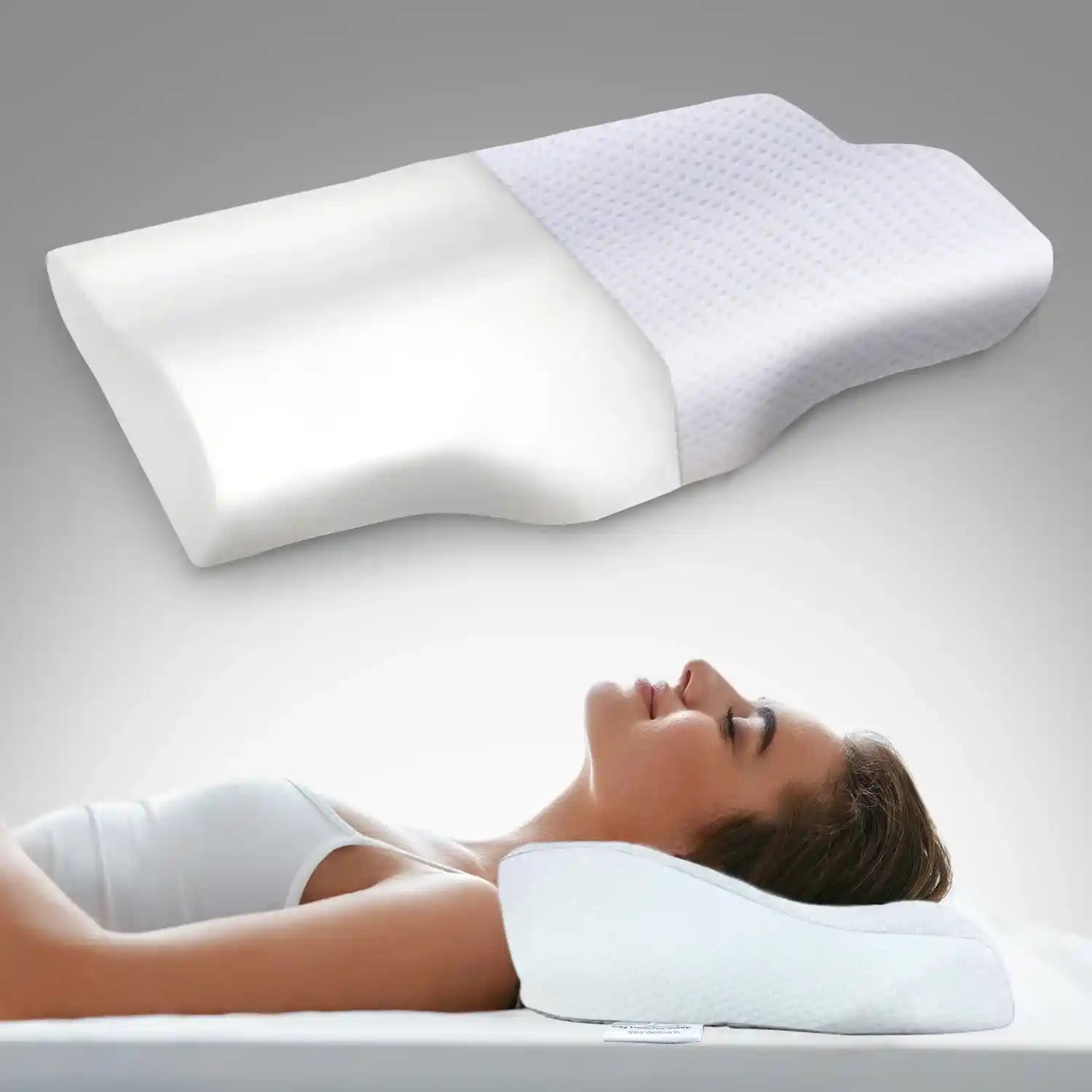
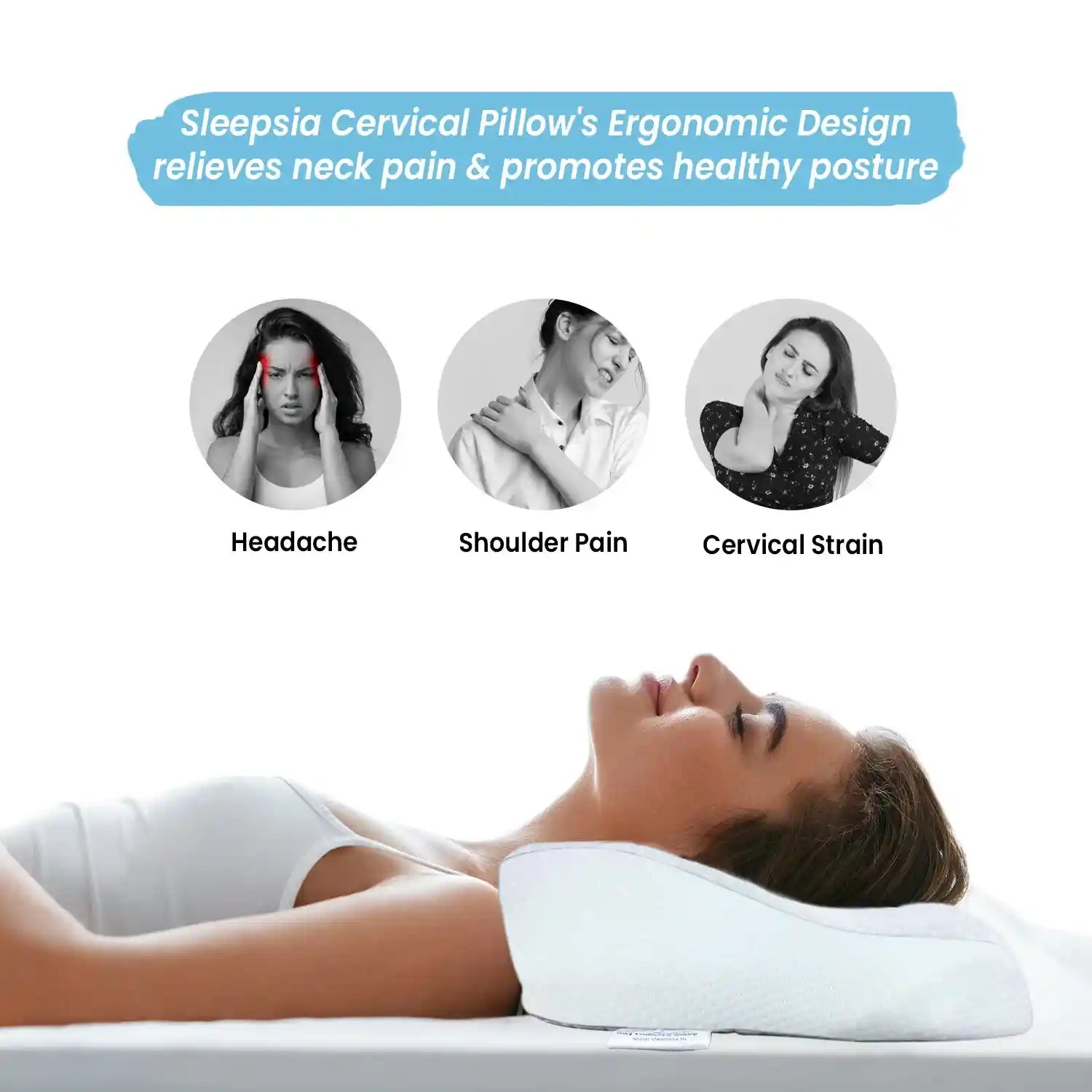
Waking up with neck stiffness, shoulder tension, or a dull headache can make your whole day feel uncomfortable before it even begins. For many people, this discomfort is linked to poor sleeping posture and a lack of proper neck support during the night. A cervical pillow for neck pain is designed to support the neck's natural curve and keep the head, neck, and spine in better alignment while sleeping.
When a regular pillow is too high, too flat, or too soft, it can bend the neck in an awkward position for long hours. This may put pressure on the neck muscles, shoulders, and upper spine, leading to pain, stiffness, disturbed sleep, and morning discomfort. A cervical pillow helps solve this problem by giving targeted support where the neck needs it most.
In this article, we will explain how a cervical pillow for neck pain supports the natural curve of your neck, improves sleep posture, reduces pressure on the neck and shoulders,and helps you enjoy more comfortable and restful sleep throughout the night.
Recommended Products


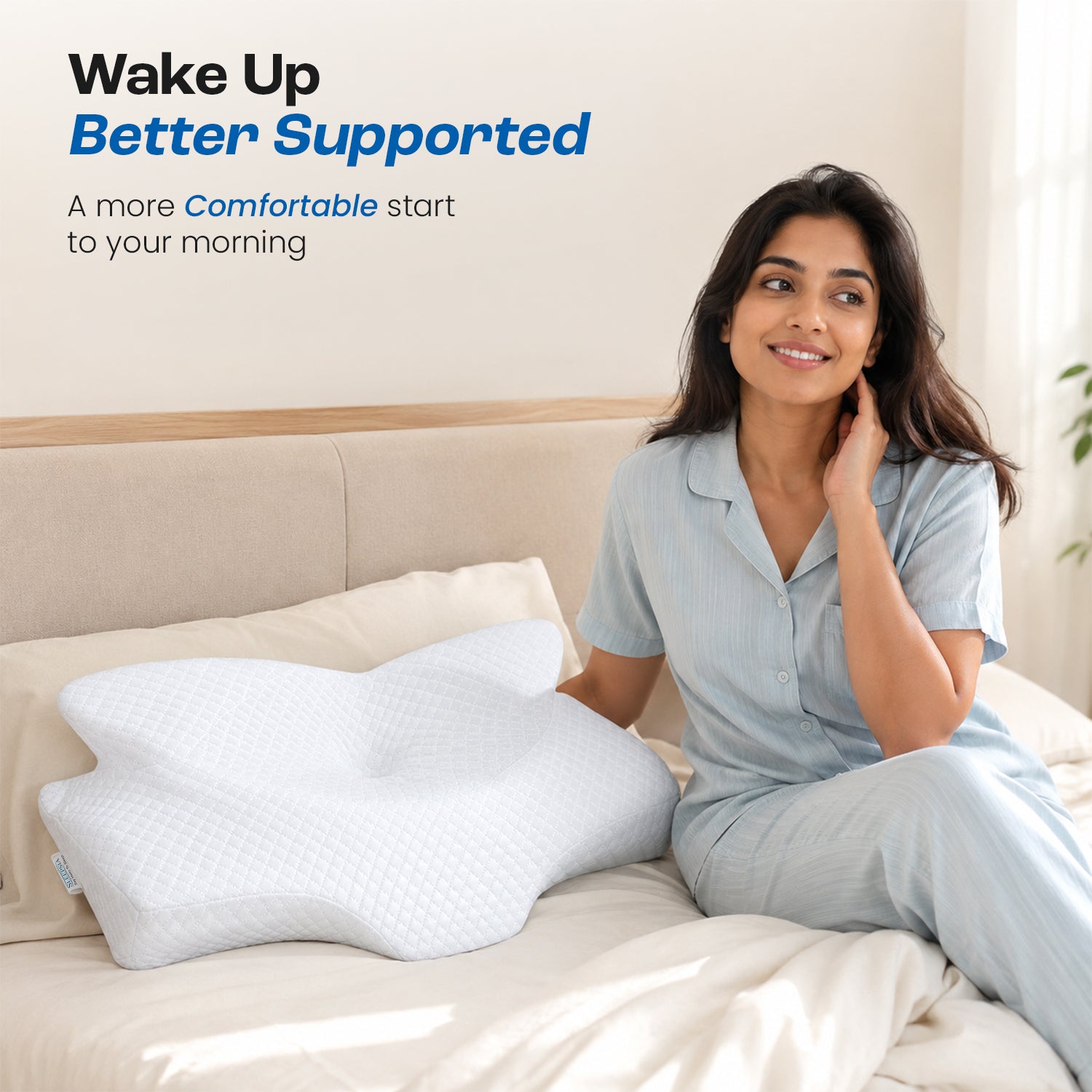
How Does a Cervical Pillow Help Neck Pain?
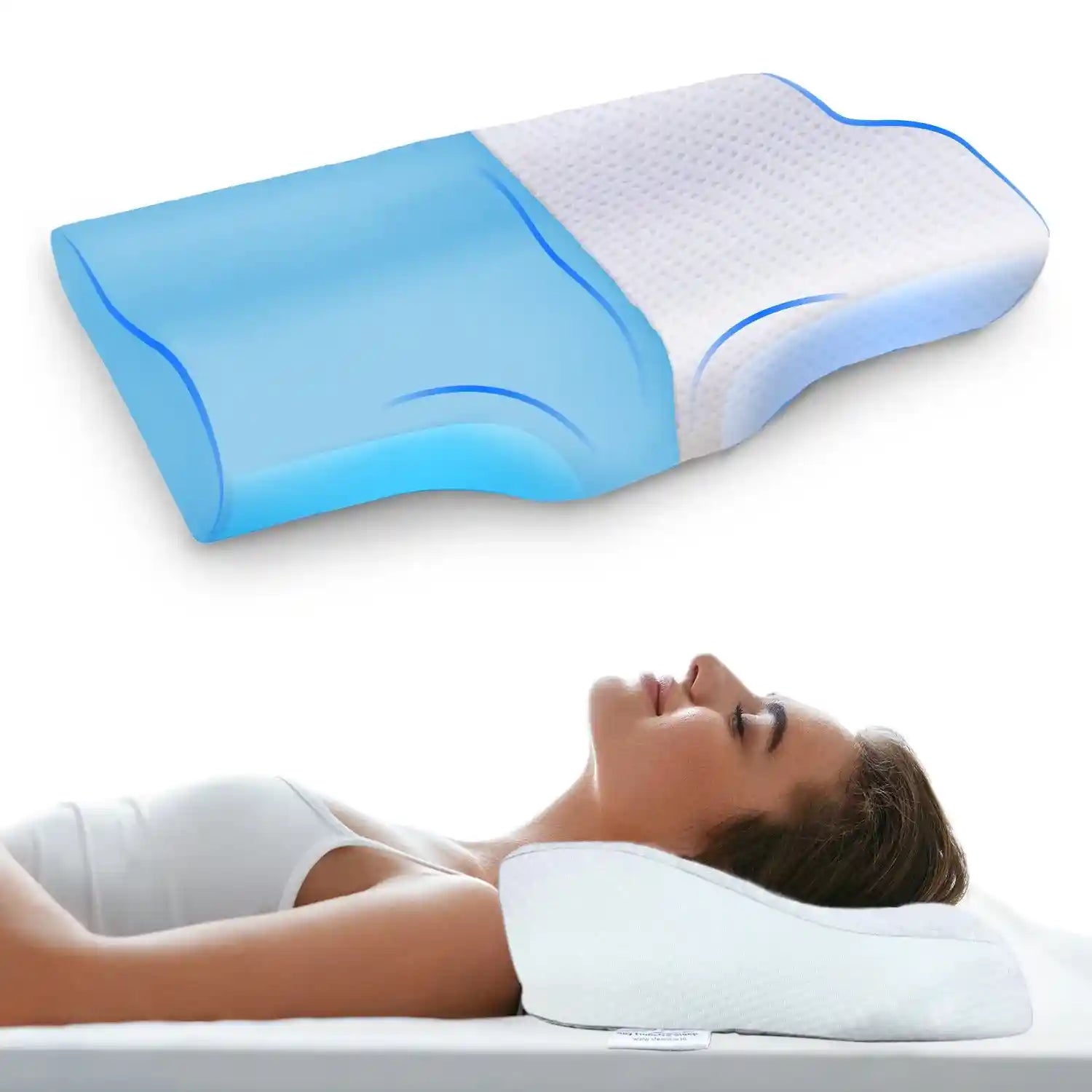
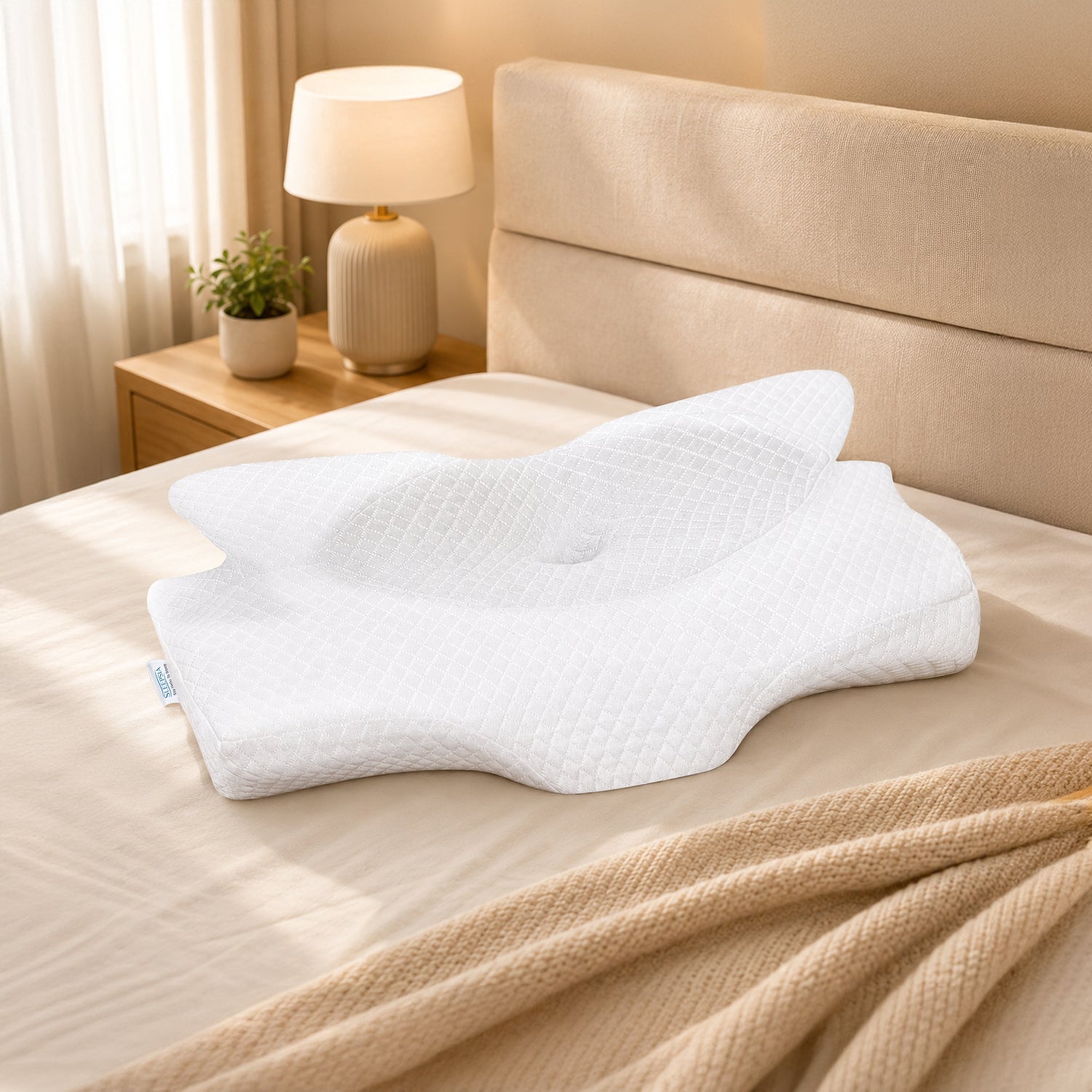
A cervical pillow is a specially shaped pillow made to support the neck’s natural curve. Unlike a regular pillow, it is designed to keep the head and neck in a more neutral position while sleeping.
The word “cervical” means the neck area of the spine. A cervical pillow supports this area by filling the space between your neck and the mattress. This helps stop your neck from bending too much while sleeping.
For people dealing with neck pain, this support can make a big difference. Instead of simply giving softness under the head, a cervical pillow focuses on proper neck support, spinal alignment, and pressure relief.
Benefits of a Cervical Pillow for Better Sleep
A cervical pillow can help you sleep better by keeping your neck in a natural and comfortable position. Here are the main benefits:
1. Supports the Natural Curve of the Neck
Your neck has a natural curve that needs support while you sleep. A cervical pillow is shaped to support this curve and reduce strain. When your neck is properly supported, your muscles can relax, which may help reduce stiffness and improve sleep comfort.
2. Helps Keep the Spine Aligned
Good sleep posture depends on keeping your head, neck, and spine in line. A cervical pillow helps maintain this alignment while you sleep. This can reduce pressure on the neck, shoulders, and upper back.
3. Reduces Pressure on Neck and Shoulders
A regular pillow may support the head but fail to support the neck. This can create pressure around the shoulders and upper spine. A cervical pillow gives targeted support to the neck area. It helps distribute pressure more evenly and prevents the neck from sinking too much into the pillow. This can make sleep more comfortable for people who often wake up with shoulder tension or neck pain.
4. Helps Reduce Tossing and Turning
When your neck is not supported, your body may keep changing positions during sleep. This can disturb your rest. A cervical pillow helps your body stay in a comfortable sleeping position, so you may toss and turn less.
5. Supports Back and Side Sleepers
A cervical pillow can be helpful for both back sleepers and side sleepers. For back sleepers, it supports the natural curve of the neck without pushing the head too far forward. For side sleepers, it helps keep the head and neck aligned with the shoulders. This support is important because different sleeping positions place different pressure on the neck. A good cervical pillow helps maintain comfort without forcing the neck into an awkward angle.
6. Helps Reduce Morning Stiffness
Morning stiffness is often a sign that the neck stayed in a strained position overnight. A cervical pillow can help by keeping the neck supported for longer hours. When the neck muscles are not forced to hold tension during sleep, you may wake up feeling more relaxed. This can make your mornings more comfortable and help you start the day with less pain.
7. Promotes Better Relaxation During Sleep
Good sleep is not only about how many hours you sleep. It is also about how relaxed your body feels during sleep. A cervical pillow supports the neck and shoulders in a way that can reduce discomfort. When the body feels supported, it becomes easier to relax, fall asleep, and stay asleep.
Cervical Pillow vs Regular Pillow: Which Is Better for Neck Pain?
The table below explains the key differences between a regular pillow and a cervical pillow, especially in terms of neck support, pressure relief, and sleep comfort.
| Regular Pillow | Cervical Pillow |
|---|---|
| Made mainly for basic comfort and softness. | Made to support the neck’s natural curve. |
| May not give proper support to the neck. | Gives targeted support to the neck area. |
| Can become flat, uneven, or too soft over time. | Helps keep the head, neck, and spine aligned. |
| May increase pressure on the neck and shoulders if the height is wrong. | Helps reduce pressure on your neck, shoulders, and upper back. |
| Mostly cushions the head. | Supports both the head and neck. |
| May not be enough for people with regular neck pain. | Better suited for people with neck stiffness, shoulder tension, or posture-related discomfort. |
Common Causes of Neck Pain While Sleeping
Neck pain after sleeping can happen for many reasons. Some common causes include:
1. Wrong Pillow Height
If your pillow is too high, your neck may bend forward. If it is too low, your head may drop too far down. Both can put strain on the neck muscles.
2. Poor Sleeping Posture
Sleeping in an awkward position can twist the neck for several hours. This can cause stiffness, soreness, and restricted movement in the morning.
3. Lack of Neck Support
A soft or flat pillow may not support the natural curve of the neck. When the neck does not get proper support, the muscles may stay tense instead of relaxing.
4. Shoulder Pressure
Side sleepers may feel neck pain when the pillow does not fill the space between the shoulder and head. This can make the neck tilt downward and increase shoulder tension.
5. Long Sitting Hours
Side sleepers may feel neck pain when the pillow does not fill the space between the shoulder and head. This can make the neck tilt downward and increase shoulder tension.
Who Should Use a Cervical Pillow?
A cervical pillow may be useful for people who:
- Wake up with neck stiffness
- Feel shoulder tightness after sleeping
- Get dull headaches in the morning
- Sleep on their back or side
- Have posture-related neck discomfort
- Feel their regular pillow is too flat, too high, or too soft
- Want better neck and spine support during sleep
How to Choose the Right Cervical Pillow for Neck Pain
Choosing the right cervical pillow matters because every person has a different sleeping style and comfort needs.
1. Check Your Sleeping Position
Back sleepers need a pillow that supports the neck without lifting the head too high. Side sleepers may need slightly higher support to keep the neck and shoulders aligned.
2. Choose the Right Height
The pillow should not be too high or too low. The right height keeps your neck in a comfortable position and supports your spine.
3. Look for Supportive Material
Memory foam or supportive foam can be a good choice because it adjusts to the shape of your head and neck. A pillow that sinks too much may not give proper support.
4. Choose Medium-Firm Support
A cervical pillow should feel supportive but not too hard. Medium-firm support can help keep the neck comfortable without adding extra pressure.
5. Give Your Body Time to Adjust
A cervical pillow may feel different at first, especially if you have used a regular pillow for a long time. Your neck may take a few nights to adjust to the new support.
When to See a Doctor?
You should see a doctor if your neck pain is severe, starts suddenly, does not improve after a few days, or spreads to your arms or legs. Medical help is also important if the pain comes with numbness, weakness, tingling, strong headache, or happens after an injury. A cervical pillow can support posture-related neck discomfort, but it is not a replacement for medical care when symptoms are serious.
Conclusion
A cervical pillow for neck pain can improve sleep quality by supporting the natural curve of your neck, keeping your spine aligned, and reducing pressure on the neck and shoulders. It helps your body rest in a healthier position, which can make sleep more comfortable and refreshing.
If you often wake up with neck stiffness, shoulder tension, or disturbed sleep, your pillow may be one of the reasons. Choose Sleepsia Cervical Pillow for better neck support, improved comfort, and more restful sleep every night.
FAQs
Q1: Is a cervical pillow good for neck pain?Ans: Yes, a cervical pillow can help with neck pain caused by poor sleeping posture or lack of neck support. It supports the natural curve of the neck and helps keep the spine aligned.
Q2: Can a cervical pillow improve sleep quality?Ans: A cervical pillow can improve sleep quality by reducing neck strain, supporting better posture, and helping the body stay comfortable during sleep.
Q3: Who should use a cervical pillow?Ans: People who wake up with neck stiffness, shoulder pain, dull headaches, or posture-related discomfort may benefit from using a cervical pillow.
Q4: Is a cervical pillow better than a regular pillow?Ans: For neck pain, a cervical pillow is usually better than a regular pillow because it is designed to support the neck’s natural curve and improve spinal alignment.
Q5: How long does it take to adjust to a cervical pillow?Ans: Some people feel comfortable immediately, while others may need a few nights to adjust. Since cervical pillows provide structured support, they can feel different from regular pillows at first.
Q6: Can side sleepers use a cervical pillow?Ans: Yes, side sleepers can use a cervical pillow. It should support the space between the shoulder and neck so the head stays aligned with the spine.
Cervical Pillow vs Regular Pillow: Which Is Better for Neck Support?
Feeding Pillow Benefits for New Mothers and Babies
Recent Posts

How Does an Aroma Diffuser Make Your Home Smell Better?

Queen Size Bedsheet Buying Guide: Size, Fabric & Fit Explained

Benefits of Marjariasana (Cat Stretch Pose) & How to Practice

How to Choose the Right Double Bedsheet Size for Your Mattress

Why Does a Cotton Bedsheet Feel Better in Summer? Benefits of Breathable Fabric

Helping Kids Sleep Through the Night: A Parent's Guide

Sleep Solutions for Seniors: Managing Arthritis & Joint Pain at Night

