

Stiff Neck: Possible Causes, Relief & Remedies
A stiff neck is a common condition where the neck muscles feel tight, sore, or difficult to move, often causing discomfort during daily activities. Common symptoms include neck pain, reduced flexibility, headaches, and difficulty turning the head comfortably. Poor posture, wrong sleeping position, stress, muscle strain, long screen time, and improper neck support are some of the most common neck stiffness causes. Simple lifestyle changes such as proper posture, neck stretches, supportive pillows, and home remedies can often help relieve stiffness and improve neck comfort.
In this blog, we will discuss stiff neck meaning what a stiff neck is, its common symptoms and causes, effective home remedies, medical treatments, prevention tips, and ways to support better neck health and sleep comfort.
Recommended Products






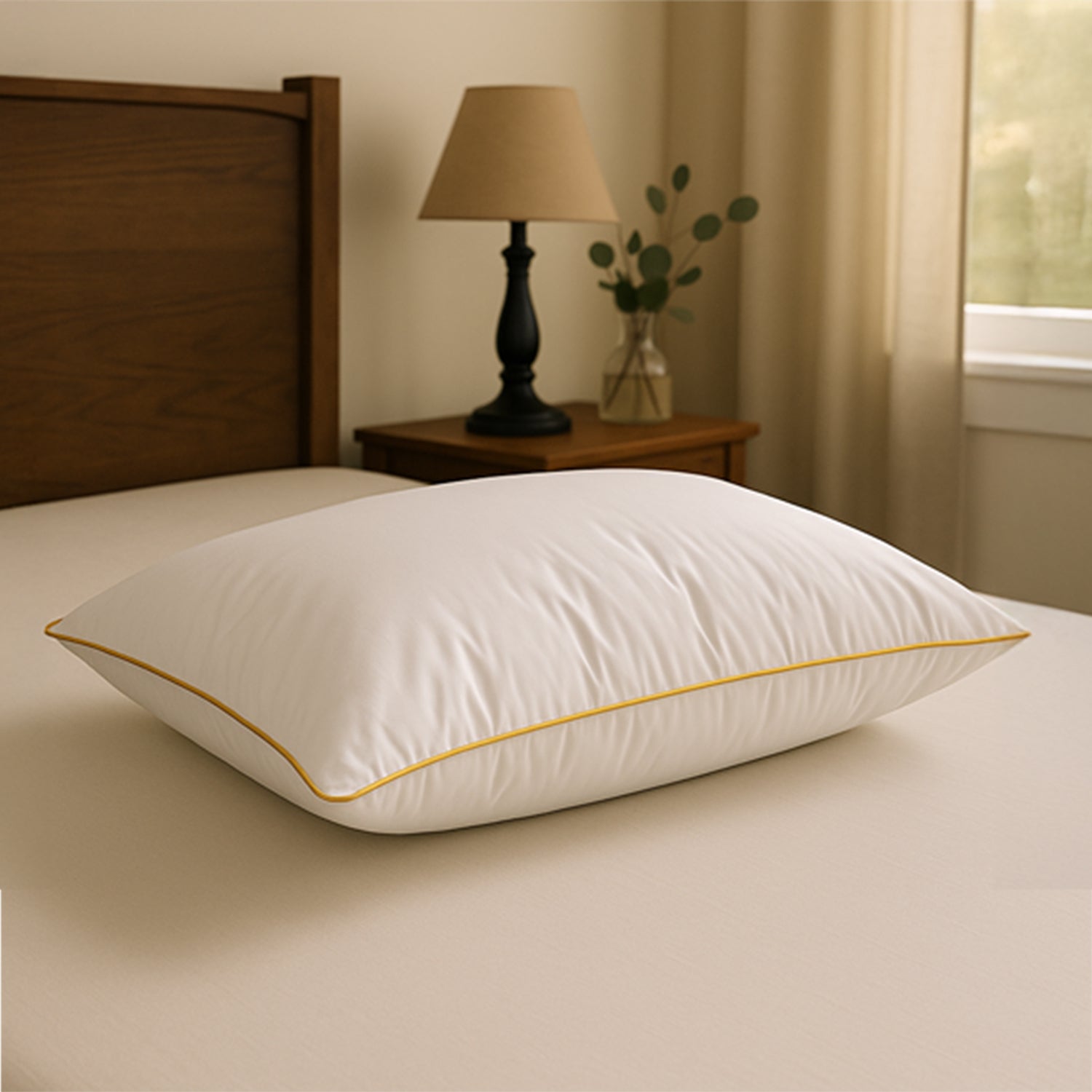

What Is a Stiff Neck?
A stiff neck is a condition that makes it difficult to move your neck freely due to tightness, pain, or reduced flexibility. It is a very common issue and can happen because of many different health conditions or daily habits.
Your neck is made up of muscles, bones, ligaments, nerves, and spinal discs. When any of these parts get strained, irritated, or injured, it can lead to stiffness and discomfort. In many cases, stiffness may appear first, followed by symptoms like pain, tingling, or soreness in the neck, shoulders, or arms.
A stiff neck is usually temporary and often improves with rest, home care, or simple stiff neck treatment remedies. However, in some cases, it can also indicate a more serious problem that may need medical attention.
It is important to seek medical advice if the stiffness does not improve within a few days or is accompanied by other concerning symptoms.
What Are the Common Causes of a Stiff Neck?
A stiff neck usually doesn’t appear suddenly without a reason. It is mainly caused by multiple neck stiffness causes related to lifestyle and posture. In most cases, it develops due to daily habits, poor posture, or lifestyle patterns that slowly put strain on the neck muscles. Sometimes, it can also be linked to underlying health or spine-related issues.
Here are the most common causes explained simply:
1. Poor Posture
Long hours spent looking down at a phone, laptop, or desk can strain the neck muscles. This “tech neck” position forces the head forward, making the neck work harder than normal. Over time, this leads to tightness, pain, and reduced movement.
If you work on a laptop for 8–10 hours daily without proper back and neck support, you may start feeling stiffness in neck by evening or after waking up the next morning.
2. Muscle Strain or Overuse
Simple daily actions like sudden head movements, carrying heavy bags on one shoulder, or reading in an awkward position can overwork neck muscles. Repeated strain causes small muscle injuries, which result in soreness and stiffness.
Carrying a heavy office bag on one shoulder every day can slowly put uneven pressure on the neck and upper back muscles.
3. Uncomfortable Sleeping Position
Sleeping without proper neck support or using the wrong pillow can keep the neck in an unnatural position for hours. This often leads to waking up with stiffness or pain. Sleeping on the stomach can make this worse by twisting the neck sideways for long periods.
Using a cervical pillow that is too high or too flat may misalign the neck during sleep and cause morning stiffness.
4. Stress And Tension
Stress doesn’t just affect the mind—it also tightens the body. The neck and shoulder muscles often become stiff during stress, leading to discomfort, tightness, and pressure in the upper back and neck area.
You may notice neck tightness during stressful work deadlines or after sitting tense for long hours.
5. Injury Or Sudden Movement
Sudden impact, jerking movements, or accidents like whiplash can strain or damage the neck muscles and ligaments. This may cause severe stiffness along with pain and sometimes headaches or dizziness.
A sudden braking movement during a car ride can jerk the neck forward and backward, causing stiffness later.
6. Poor Ergonomics
An improper workspace setup—like a low screen, poor chair support, or long hours in one position—can slowly strain the neck. Over time, this leads to muscle fatigue and stiffness.
Sitting on a chair without back support while constantly leaning toward the screen can increase neck strain.
7. Cold Air Exposure
Direct exposure to cold air from fans or air conditioners can cause muscles to tighten. This often results in stiffness, especially noticed after waking up.
Sleeping directly under an air conditioner or fan may cause neck muscles to feel tight in the morning.
8. Dehydration
When the body is not well hydrated, muscles and spinal discs lose flexibility. This may make the neck more prone to stiffness and discomfort.
Drinking very little water during hot weather or long work hours may increase muscle tightness.
9. Age-Related Changes
With age, the cervical spine naturally undergoes wear and tear. Conditions like cervical spondylosis can reduce flexibility and cause ongoing stiffness or pain.
You may notice this type of stiffness more often after long periods of sitting, resting, or waking up in the morning as the neck joints become less flexible with age.
What Are the Symptoms of a Stiff Neck?
A stiff neck does not only affect neck movement but it can also cause discomfort in nearby muscles and impact daily activities. The symptoms can vary depending on the cause and severity of the condition. Here are the most common signs to look out for:
1. Pain And Tightness
You may feel a dull ache or sharp pain on one side of the neck. The muscles often feel tight, sore, or sensitive, especially after waking up or sitting for long periods.
Many people feel neck tightness after binge-watching shows for hours in the same position or after sleeping awkwardly during travel.
2. Limited Range of Motion
Moving the head side to side or up and down can feel difficult or painful. Many people describe it as a “stuck” or “restricted” feeling that affects simple tasks like driving or looking over the shoulder.
3. Muscle Spasms
The neck or shoulder muscles may suddenly tighten, causing sharp or shooting pain. These spasms usually happen as a protective response to strain or injury.
4. Tenderness Or Swelling
The affected area may feel tender to touch and sometimes slightly swollen. This can create a feeling of pressure or heaviness in the neck.
5. Headache
Stiff neck pain can spread to the back of the head, leading to tension-type headaches. These are usually dull, constant, and linked with muscle tightness.
You may experience headaches after sitting in front of a computer screen for long hours without breaks.
6. Shoulder Or Upper Back Pain
Since neck muscles are connected to the shoulders and upper back, stiffness can extend to these areas. This may feel like tightness or fatigue across the upper body.
7. Fatigue Or Worsened Stiffness After Rest
Stiffness often feels more intense after long periods of rest or inactivity, such as after sleeping or sitting at a desk for hours. Gentle movement may provide temporary relief.
8. Numbness, Tingling, Or Weakness
In more serious cases, especially when nerves are affected, you may feel tingling or weakness in the arms, shoulders, or fingers. This may indicate nerve compression and should be checked by a healthcare professional.
How to Relieve a Stiff Neck at Home
Most cases of stiff neck treatment improve within a few days with simple home care. The right combination of rest, movement, and support can reduce pain, loosen tight muscles, and speed up recovery.
Here are some effective home remedies:
1. Apply Heat or Cold
Use a cold pack for the first 24 hours to help reduce swelling and numb the pain. After that, switch to a warm compress or heating pad to relax tight muscles and improve blood flow. Some people also find relief by alternating between heat and cold.
2. Do Gentle Neck Stretches
Slow and controlled neck movements can help improve flexibility and reduce stiffness. Try gently tilting your head side to side, turning it left and right, or rolling your shoulders. Avoid sudden or forceful movements, and stop if the pain increases.
3. Massage The Neck Area
Light massage can help relax tight muscles and improve circulation. Use your fingertips to apply gentle circular pressure on the painful area. A warm towel before massage can make the muscles more relaxed and responsive.
4. Fix Your Sitting Posture
Poor posture is sitting posture of the most common reasons for neck stiffness. Keep your screen at eye level, sit upright with proper back support, and avoid bending your neck forward for long periods. Taking short breaks every hour can also reduce strain.
5. Improve Your Sleeping Position
Sleeping in the wrong position can worsen stiffness. Use a supportive pillow that keeps your neck aligned with your spine. Sleeping on your back or side is generally better than sleeping on your stomach, as it reduces neck twisting during the night.
6. Use Pain-Relief Ointments
Over-the-counter gels or creams with cooling or warming effects can help reduce discomfort temporarily. Apply them gently to the affected area and follow the instructions on the label.
Medical Treatments for a Stiff Neck
Home remedies are often enough to relieve a stiff neck, but severe or long-lasting pain may require medical treatment. Advanced cases may require proper stiff neck treatment depending on severity. Depending on the cause and intensity of the stiffness, healthcare providers may recommend the following treatment options:
1. Medications
Doctors may suggest pain-relief medicines such as anti-inflammatory drugs to reduce pain and swelling. In some cases, muscle relaxants are prescribed for short-term relief from muscle spasms and tightness.
2. Physical Therapy
A physiotherapist can recommend exercises that improve neck flexibility, strengthen muscles, and correct posture. Treatments such as heat therapy, stretching, or gentle manual therapy may also help reduce stiffness and restore movement.
3. Cervical Collar Support
For injury-related neck stiffness or sudden severe pain, a soft cervical collar may be used for temporary support. It helps limit neck movement and gives the muscles time to recover. However, prolonged use is usually avoided because it can weaken neck muscles over time.
4. Corticosteroid Injections
In some cases, involving inflammation or nerve irritation, corticosteroid injections may be recommended. These injections help reduce pain and swelling directly in the affected area when other treatments have not worked effectively.
Treatment for Underlying Conditions
Sometimes, a stiff neck may be linked to conditions such as cervical spondylosis, arthritis, or a slipped disc. In these cases, treatment focuses on managing the underlying cause. Doctors may recommend a combination of medications, physical therapy, posture correction, and lifestyle changes to reduce pain and improve neck movement.
Most people recover well with timely treatment and proper care. However, persistent pain, numbness, tingling, or weakness in the shoulders or arms should not be ignored, as these symptoms may indicate nerve involvement and require medical attention.
How to Prevent a Stiff Neck
A stiff neck is often caused by everyday habits that gradually put stress on the neck muscles. Small changes in posture, sleep habits, and daily movement can help reduce the chances of neck stiffness and pain.
Here are some simple ways to prevent it:
1. Maintain Good Posture
Keep your head aligned with your spine instead of leaning forward. While working or sitting for long hours, sit upright, relax your shoulders, and avoid slouching. Position your screen at eye level to reduce strain on the neck.
2. Take Regular Movement Breaks
Staying in the same position for too long can make the neck muscles tight and stiff. Take short breaks every 20–30 minutes to stand, stretch, or gently move your neck and shoulders.
You may notice neck stiffness by the end of the day after sitting continuously for long hours without movement breaks.
3. Improve Your Workstation Setup
An ergonomic workspace helps reduce pressure on the neck and upper back. Use a supportive chair, keep your keyboard within easy reach, and place your monitor at a comfortable height.
4. Avoid Constantly Looking Down at Your Phone
Frequently bending your neck while using a phone or tablet can lead to “tech neck.” Try holding your device closer to eye level and limit continuous screen time.
5. Use A Supportive Pillow and Mattress
A proper pillow supports the natural curve of the neck and helps maintain spinal alignment during sleep. Choosing a comfortable mattress can also reduce pressure on the neck and shoulders.
6. Exercise Regularly
Regular exercise helps strengthen the neck, shoulder, and upper back muscles. Gentle stretches and movements like shoulder rolls or neck rotations can improve flexibility and prevent stiffness.
7. Manage Stress and Muscle Tension
Stress can cause tightness in the neck and shoulders. Relaxation techniques such as deep breathing, stretching, yoga, or short breaks during the day may help release muscle tension.
Conclusion
A stiff neck can develop from poor posture, stress, muscle strain, or improper sleeping habits, but simple lifestyle changes and early care can often help reduce discomfort and improve neck movement. Paying attention to posture, sleep support, and daily stretching can make a big difference in preventing recurring stiffness and pain.
Persistent neck discomfort should not be ignored, especially when it starts affecting your sleep, work, or daily activities. Choosing the right neck support products, maintaining healthy posture habits, and seeking timely care can help improve comfort and support long-term neck health.
FAQs
Q1. Can a bad pillow cause a stiff neck?Ans. Yes, using an unsupportive pillow or sleeping in an awkward position can strain the neck muscles and lead to stiffness or pain after waking up.
Q2. Is a stiff neck a sign of stress?Ans. Stress can tighten the muscles around the neck and shoulders, which may lead to stiffness, soreness, and discomfort.
Q3. Should I rest or stay active with a stiff neck?Ans. Gentle movement and light stretching are usually better than complete bed rest. Staying active carefully can help loosen tight muscles and improve flexibility.
Q4. Can screen time cause a stiff neck?Ans. Yes, long hours spent looking down at phones, tablets, or laptops can strain the neck muscles and lead to “tech neck” stiffness.
Q5. Which sleeping position is best for preventing neck stiffness?Ans. Sleeping on your back or side with proper neck support is generally best for maintaining spinal alignment and reducing neck strain.
Baby Sleep Schedule to Prevent Overtired Babies
Night Sweats: Causes, Symptoms, Treatment, and Menopause
Recent Posts

How Does an Aroma Diffuser Make Your Home Smell Better?

Queen Size Bedsheet Buying Guide: Size, Fabric & Fit Explained

Benefits of Marjariasana (Cat Stretch Pose) & How to Practice

How to Choose the Right Double Bedsheet Size for Your Mattress

Why Does a Cotton Bedsheet Feel Better in Summer? Benefits of Breathable Fabric

Helping Kids Sleep Through the Night: A Parent's Guide

Sleep Solutions for Seniors: Managing Arthritis & Joint Pain at Night

