

Night Sweats: Causes, Symptoms, Treatment, and Menopause
Night sweats are heavy sweating episodes that happen while you sleep. Unlike normal sweating at night, night sweats are much more intense and can soak your clothes and bedding. During a night sweat, you may feel a sudden wave of heat, especially around your neck, chest, and upper body.
Night sweats are common during menopause and can also happen because of medications, hormonal changes, or infections. Some women experience sweating around neck and chest at night, especially during menopause or hormonal changes. You may also notice cold sweat, fast heartbeat, flushed skin, or waking up drenched in sweat. After the sweating stops, you might feel cold or chilly.
This blog explains the common causes of night sweats, their symptoms, menopause-related sweating, treatment options, and simple ways to manage night sweat episodes for better and more comfortable sleep.
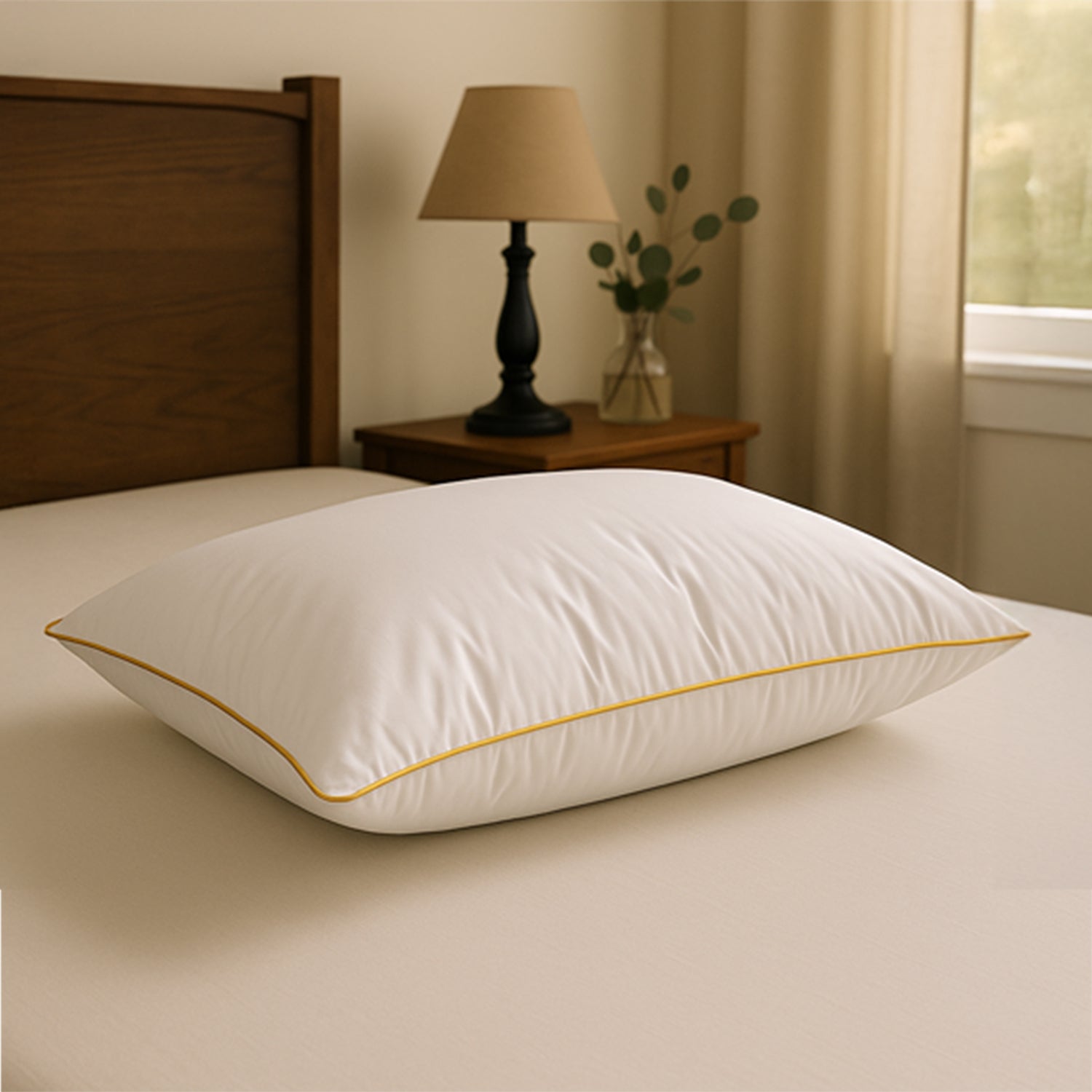
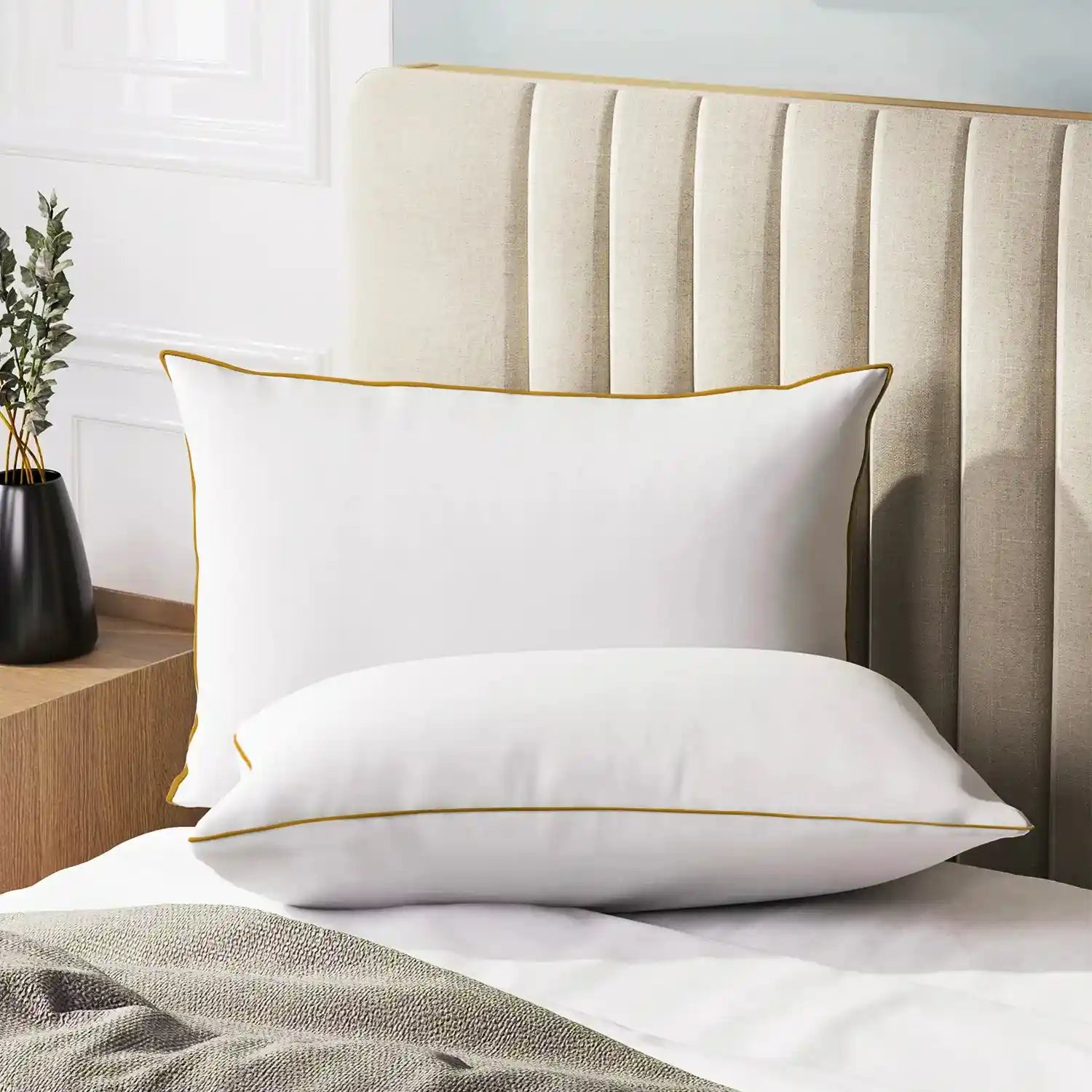
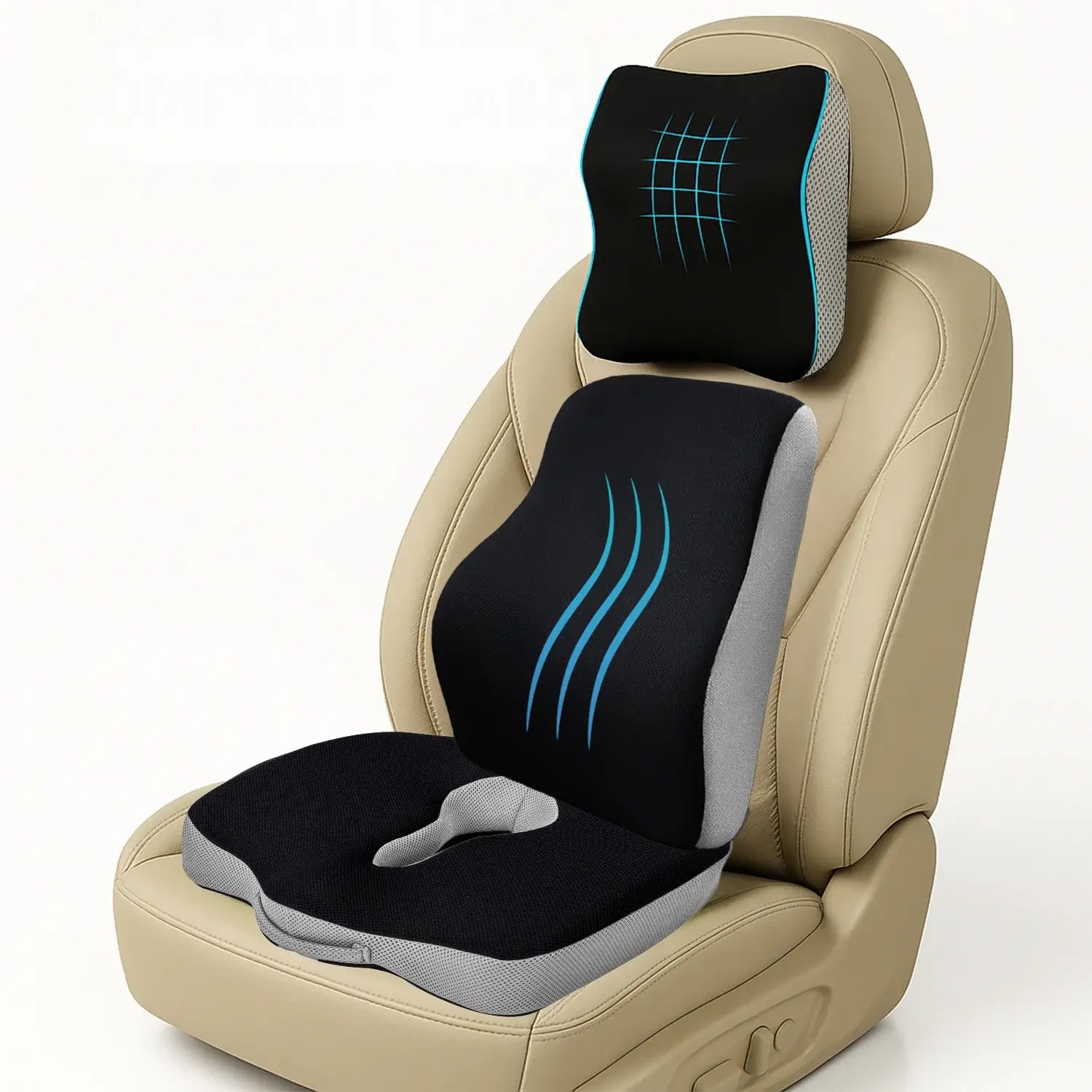
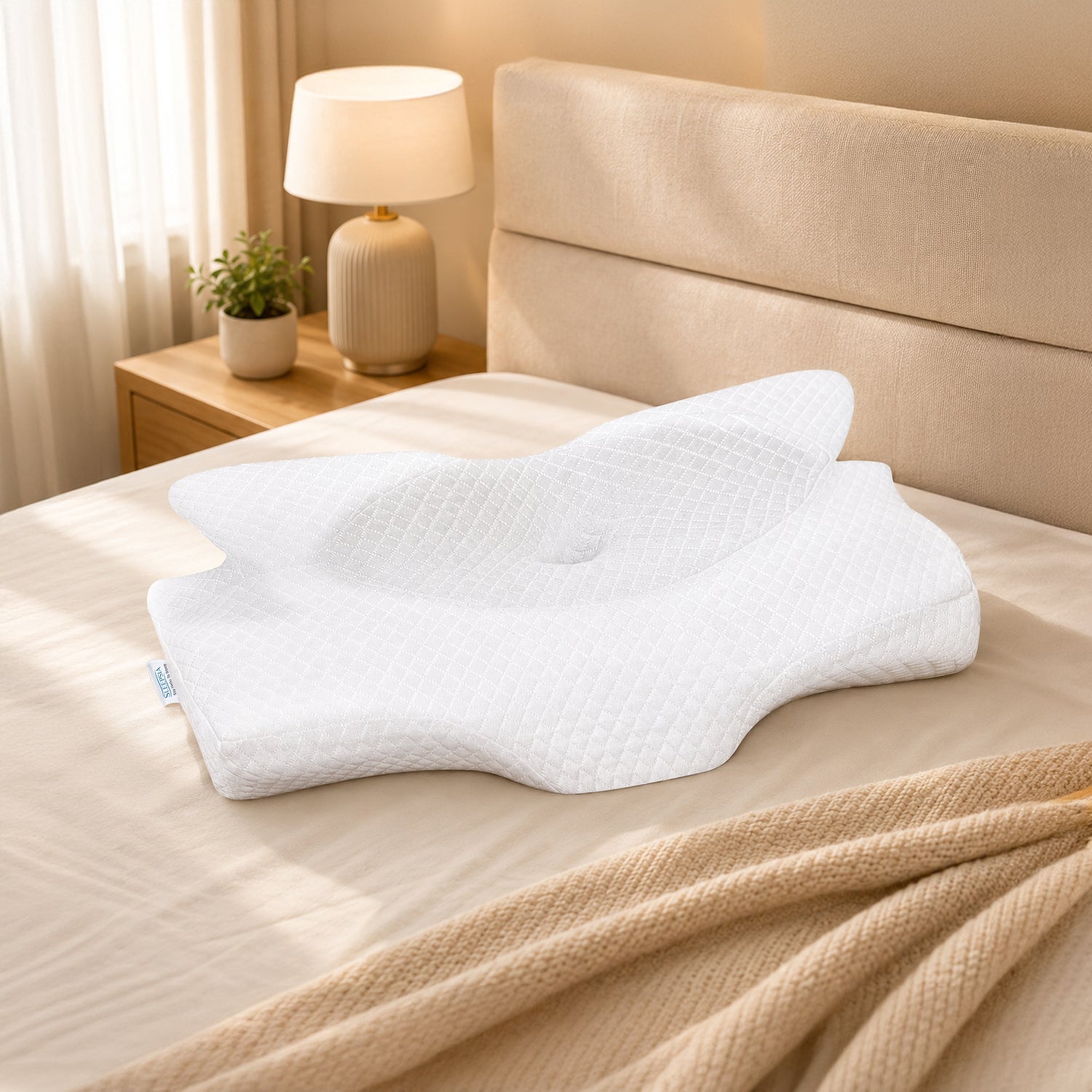
Recommended Products













What Are Night Sweats?
Night sweats are episodes of heavy sweating during sleep that can make you wake up feeling hot, sticky, or uncomfortable. Unlike normal sweating caused by warm weather or thick blankets, night sweats can happen even in a cool room and may leave your clothes or bedsheets damp.
They are often linked to menopause, hormone changes, stress, infections, certain medications, or other health conditions. Some people may also experience chills, flushed skin, or disturbed sleep after sweating at night. Frequent night sweats can interrupt your sleep and affect your energy levels during the day.
Common Symptoms of Night Sweats You Should Not Ignore
Night sweats symptoms usually show up as clear signs during sleep that can affect your comfort and rest.
- Excessive sweating during sleep
- Waking up with wet clothes or sheets
- Sudden heat waves at night
- Chills after sweating
- Fast heartbeat or discomfort during sleep
- Sleep disturbance or fatigue next day
Night Sweats Causes: Hormonal, Medical, and Lifestyle Triggers
Night sweats can happen for many different reasons, ranging from natural hormonal changes to certain medical conditions and everyday lifestyle habits. In many cases, the body starts sweating at night when its internal temperature control becomes disrupted. While night sweats are especially common in women during menopause, they can affect people of all ages.
Hormonal Changes
Hormonal fluctuations are one of the most common causes of night sweats, especially in women.
- Menopause and Perimenopause: Falling estrogen levels during menopause can trigger hot flashes and heavy sweating at night. Many women experience sudden warmth, flushed skin, and disturbed sleep during this stage.
- Pregnancy and Postpartum Changes: Hormone levels rise and shift quickly during pregnancy and after childbirth, which may lead to sweating episodes while sleeping.
- Menstrual Cycle Changes: Some women notice night sweats before or during their period due to temporary hormone fluctuations linked to PMS.
Medical Conditions
Certain health conditions can affect the body’s ability to regulate temperature and may lead to frequent night sweating.
- Infections: Viral and bacterial infections, including flu, fever, or respiratory illnesses, may trigger sweating as the body fights infection.
- Thyroid and Metabolic Disorders: Conditions like hyperthyroidism or diabetes can increase body temperature and sweating.
- Sleep and Neurological Disorders: Sleep apnea and some nervous system conditions may contribute to sweating during sleep.
- Cancer and Cancer Treatments: In some cases, cancers such as lymphoma or leukemia may cause night sweats. Treatments like radiation therapy or hormone therapy can also trigger sweating episodes.
Medications and Lifestyle Factors
Certain medicines and daily habits may also increase the chances of night sweats.
- Medications: Antidepressants, steroids, pain relievers, blood pressure medicines, and some hormone treatments may list sweating as a side effect.
- Stress and Anxiety: Emotional stress, panic attacks, and anxiety can activate the body’s stress response and lead to sweating at night.
- Alcohol, Smoking, and Spicy Foods: These can raise body temperature and trigger sweating in some people, especially before bedtime.
Can Vitamin Deficiencies Cause Night Sweats?
Some studies suggest that low levels of vitamin B12 may be linked to night sweats in certain cases. However, vitamin deficiencies are usually not the main reason behind frequent night sweating. Hormonal changes, infections, medications, and medical conditions are more common causes.
Effective Treatment Options for Night Sweats
Treatment for night sweats depends on the underlying cause, how often the episodes happen, and how severely they affect your sleep and daily life. In many cases, night sweats can be managed with simple lifestyle changes, while some people may need medical treatment for long-term relief.
Lifestyle Changes and Home Care
Mild night sweats often improve with small adjustments to your sleeping environment and daily habits.
- Keep your bedroom cool and well-ventilated
- Wear loose, breathable cotton sleepwear
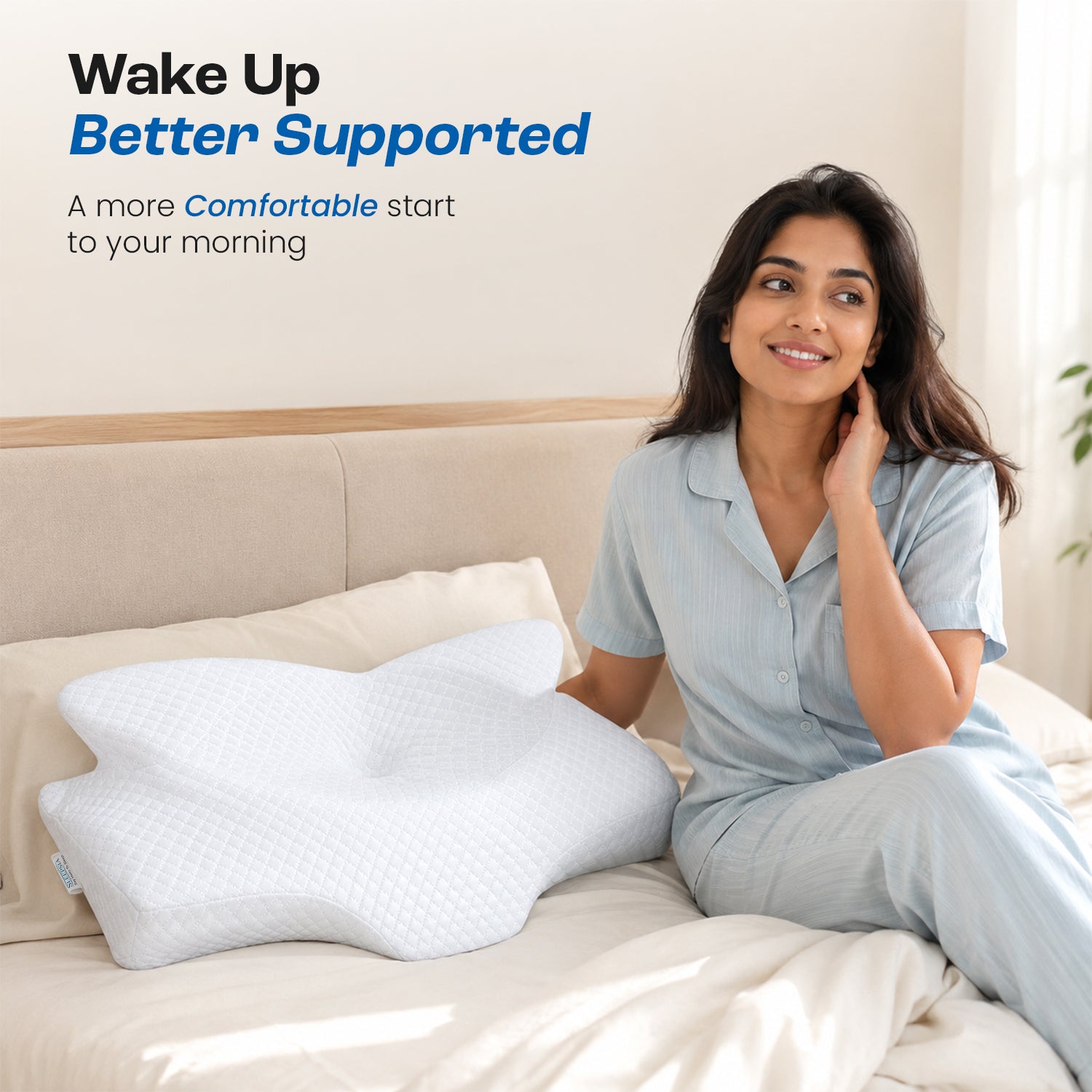
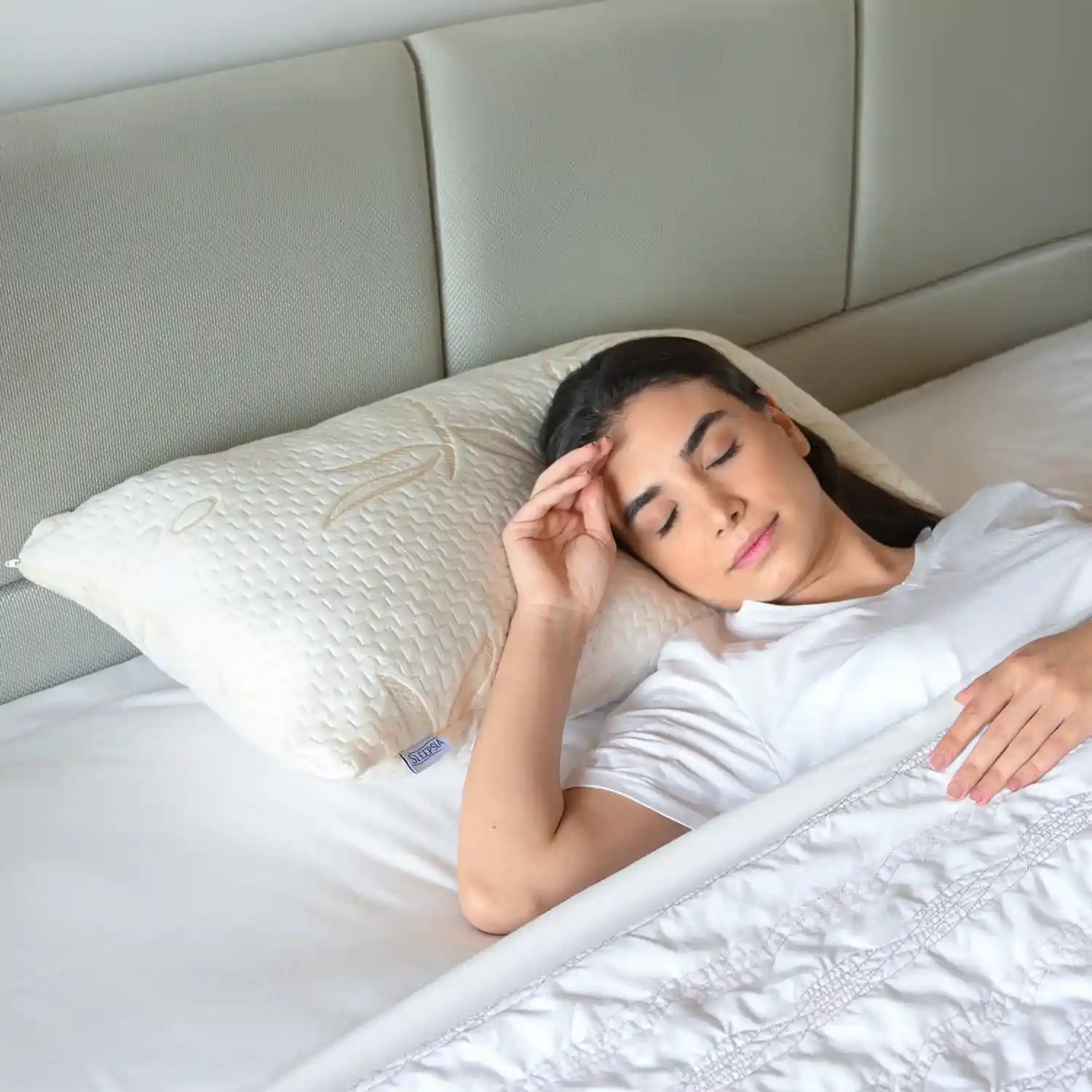
- Use lightweight blankets and cooling pillows
- Avoid spicy foods, caffeine, alcohol, and smoking before bedtime
- Stay hydrated throughout the day
- Practice stress-reducing activities like meditation or deep breathing
These simple habits may help reduce overheating and improve sleep comfort.
Hormone Therapy for Menopause
For women experiencing menopause-related night sweats, hormone replacement therapy (HRT) may help balance estrogen levels and reduce symptoms like hot flashes and sweating at night. Since hormone therapy may not be suitable for everyone, it is important to discuss the benefits and risks with a healthcare provider.
Medications for Night Sweats
If night sweats are linked to medical conditions or severe menopause symptoms, doctors may recommend certain medications, such as:
- Antidepressants for hot flashes and mood-related symptoms
- Anti-anxiety medications if stress is a trigger
- Medicines that help regulate body temperature
- Treatment for infections, thyroid disorders, or other underlying conditions
Your healthcare provider may also adjust medications if sweating is caused by a side effect.
Treating the Underlying Cause
Night sweats are often a symptom rather than a condition itself. Managing the root cause, such as infections, hormonal imbalances, sleep disorders, or anxiety, is usually the most effective way to reduce recurring episodes.
How to Reduce Menopause Night Sweats and Sleep Better
Treatment depends on what’s causing your night sweats and how severe they are. Mild cases may get better on their own or improve by making simple changes to your sleep environment. This may include turning on the air conditioning or sleeping in less clothing.
If menopause causes your night sweats, hormone replacement therapy (HRT) may be an option. This treatment replaces hormones you lose during menopause. All hormone therapies carry some risks. Your healthcare provider can help you weigh the benefits and risks. If hormone therapy isn’t safe for you, there are medications that don’t contain estrogen that may help. These medications work by affecting how your body controls its temperature.
Options include:
- Antiseizure medications
- Antidepressants
- Oxybutynin or clonidine
- Fezolinetant or paroxetine
Your healthcare provider can help you choose the treatment option that’s safest and most effective for you.
What Can I Do at Home to Stop Night Sweats?
Simple lifestyle changes and a cooler sleep environment can help reduce night sweats and improve sleep comfort. While home remedies may not completely stop night sweats caused by medical conditions or menopause, they can make episodes less frequent and easier to manage.
Keep A Cup of Cold Water Next to Your Bed
Keeping cold water nearby helps you stay hydrated and cool down quickly when night sweats start. You can keep a glass of cold water beside your bed so you can quickly sip it whenever you wake up feeling too hot or sweaty. It helps you cool down and relax again.
Use Cooling Pillows and Mattress Covers
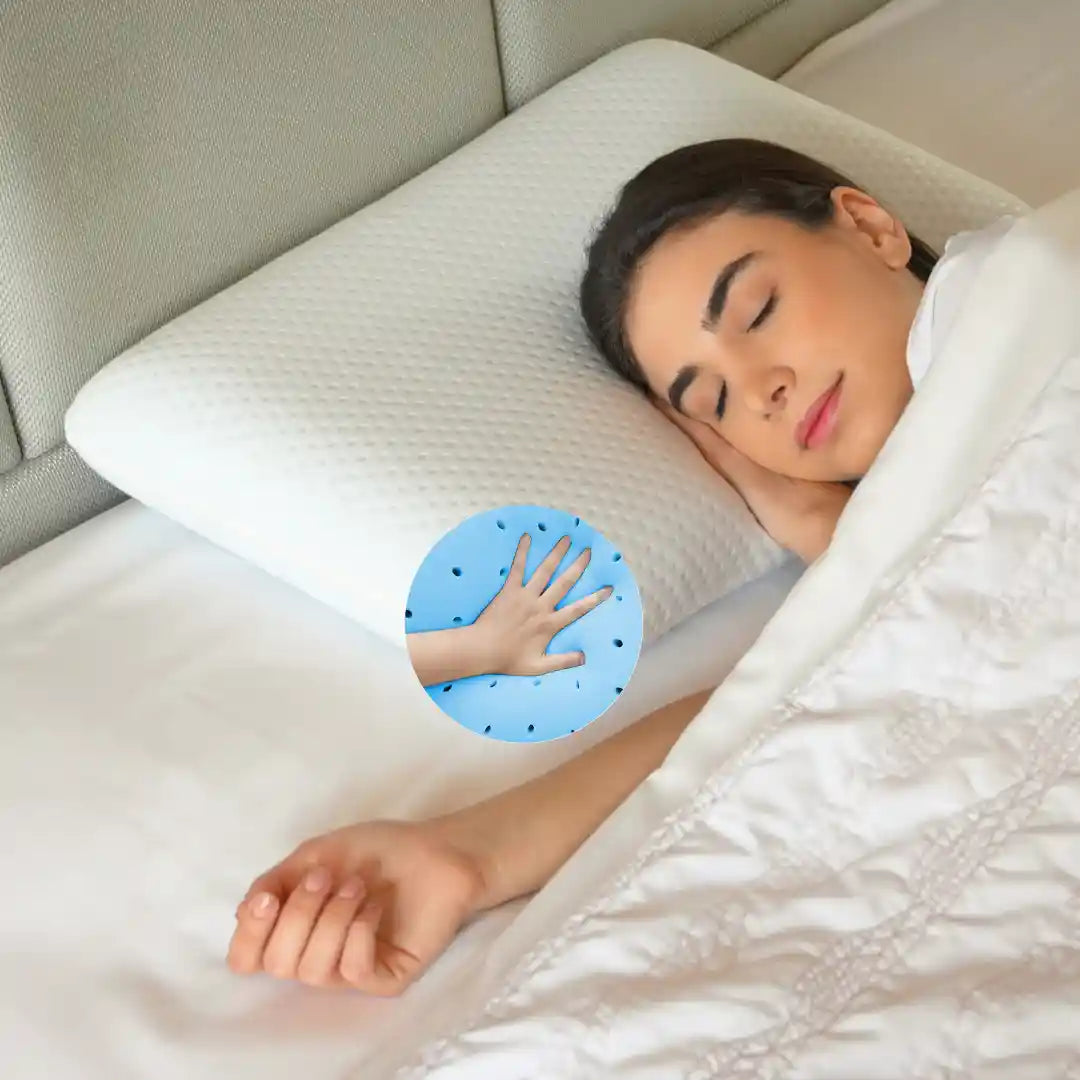
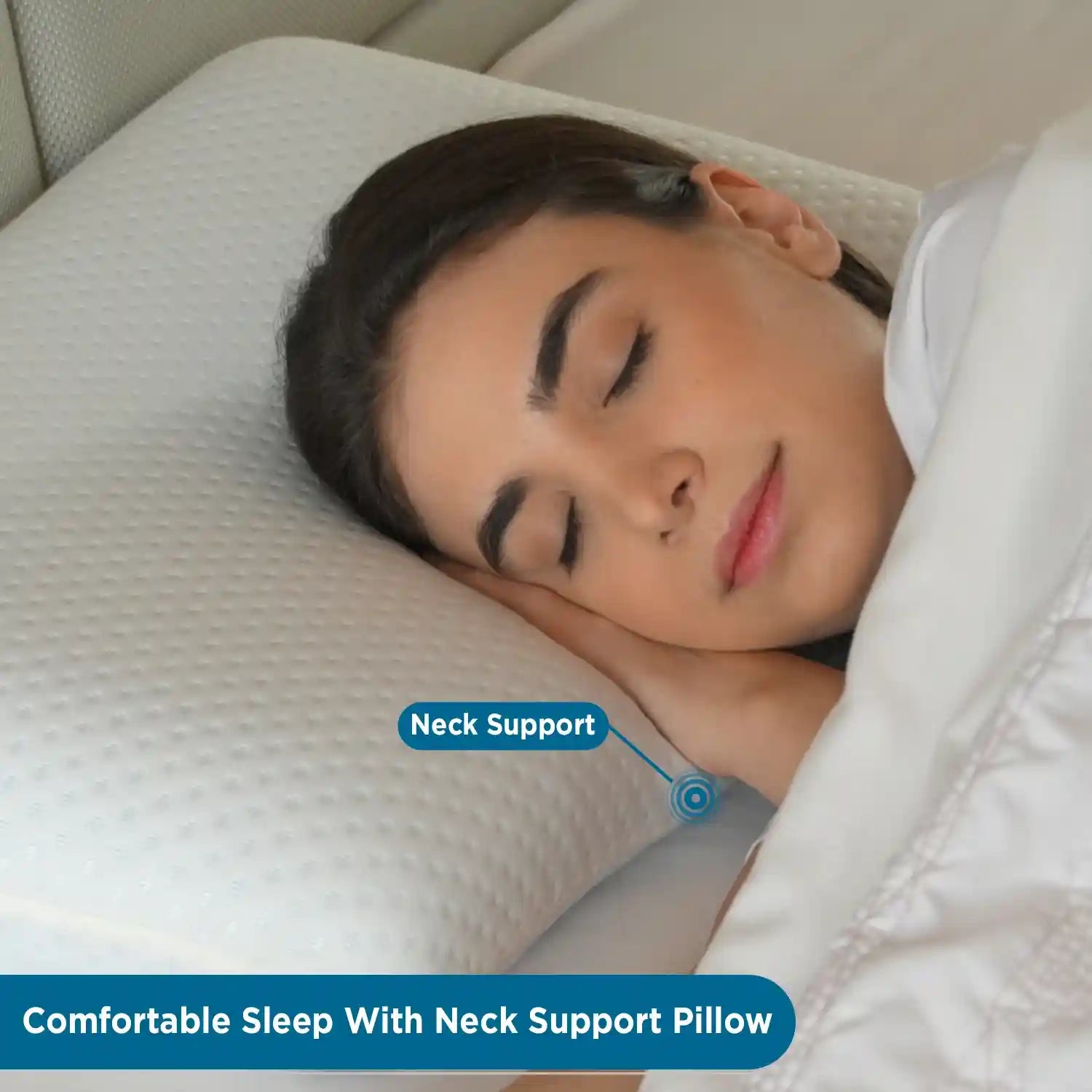
Cooling gel-based bedding helps control body temperature and reduces overheating while sleeping. You can use cooling gel pillows because they help reduce heat buildup. It makes a big difference on nights when I feel uncomfortable due to sweating.
Wear Loose and Breathable Sleepwear
Lightweight cotton or linen pajamas allow better airflow and help your skin stay cool. You can go for loose cotton clothes while sleeping because tight or synthetic fabric just traps heat and makes me feel way too hot and uncomfortable at night.
Keep Your Room Cool
Using a fan, air conditioning, or open windows can help maintain a comfortable sleeping temperature. Make sure your room stays cool with a fan or AC because a cooler environment really helps reduce sudden night sweating episodes.
Use Light and Layered Bedding
Layered bedding lets you adjust easily during the night when your body feels too hot. Personally use light blankets in layers so I can easily remove one if I feel too warm at night instead of waking up uncomfortable.
Avoid Trigger Foods and Drinks
Spicy foods and caffeine can increase body heat and sweating, so avoiding them at night may help reduce symptoms. Try to avoid caffeine and spicy food at night because I’ve noticed they make my body feel warmer and can trigger sweating while sleeping.
Prevention Tips to Reduce Night Sweats
You have listed home remedies but not prevention-focused habits.
While night sweats cannot always be completely prevented, these habits may help lower the chances of frequent episodes:
- Maintain stable room temperature to reduce night sweats
- Manage stress to reduce sweating at night
- Regular sleep schedule helps control night sweat
- Avoid alcohol and caffeine to reduce night sweats symptoms
- Light evening meals reduce sweating while sleeping
- Wear breathable fabrics while sleeping
- Track possible triggers like foods, medications, or stress patterns
When to Seek Medical Treatment
You should consult a doctor if night sweats:
- Happen frequently or become severe
- Interrupt your sleep regularly
- Occur with fever, weight loss, or fatigue
- Start suddenly without a clear reason
Early diagnosis can help identify any underlying health condition and improve treatment outcomes.
Conclusion
Night sweats are a common issue that can affect sleep quality and daily life. They are often linked to night sweat causes such as menopause, hormonal changes, medical conditions, medications, or lifestyle factors. While they can feel uncomfortable and disruptive, the good news is that they can usually be managed with the right care, simple home changes, and medical treatment when needed. Understanding the cause is the first step toward better sleep and long-term relief.
Night sweats can make sleeping uncomfortable and leave you feeling tired, restless, or irritated during the day. They are commonly caused by menopause, hormone changes, stress, medications, infections, or certain health conditions. While occasional sweating at night is common, frequent night sweats should not be ignored.
The good news is that night sweats can often be managed with simple changes like keeping your room cool, wearing breathable clothes, avoiding trigger foods, and following healthy sleep habits. In some cases, medical treatment may also help depending on the cause.
If your night sweats happen regularly or come with symptoms like fever, weight loss, or extreme tiredness, it is best to speak with a doctor. Finding the cause early can help you get better sleep and long-term relief.
FAQs
Q1. Are night sweats normal during menopause?Ans. Yes, night sweats are very common during menopause due to changes in estrogen and progesterone levels that affect body temperature control.
Q2. Can stress cause night sweats?Ans. Yes, stress and anxiety can trigger night sweats by increasing body temperature and affecting sleep patterns.
Q3. How do I stop night sweats naturally?Ans. Keeping your room cool, wearing breathable clothing, avoiding caffeine and spicy foods, and using light bedding can help reduce night sweats.
Q4. When should I worry about night sweats?Ans. YYou should consult a doctor if night sweats happen frequently or come with symptoms like fever, weight loss, fatigue, or severe sleep disturbance.
Q5. Can medications cause night sweats?Ans. Yes, some medications like antidepressants, blood pressure drugs, and pain relievers can cause night sweats as a side effect.
Q6. Do night sweats affect sleep quality?Ans. Yes, night sweats can interrupt sleep, causing tiredness, irritability, and reduced energy during the day.
Stiff Neck: Possible Causes, Relief & Remedies
12 Simple Sleep Hygiene Tips for Better Sleep
Recent Posts

How Does an Aroma Diffuser Make Your Home Smell Better?

Queen Size Bedsheet Buying Guide: Size, Fabric & Fit Explained

Benefits of Marjariasana (Cat Stretch Pose) & How to Practice

How to Choose the Right Double Bedsheet Size for Your Mattress

Why Does a Cotton Bedsheet Feel Better in Summer? Benefits of Breathable Fabric

Helping Kids Sleep Through the Night: A Parent's Guide

Sleep Solutions for Seniors: Managing Arthritis & Joint Pain at Night

