

12 Simple Sleep Hygiene Tips for Better Sleep
Sleep hygiene means the daily habits and sleep environment that help you sleep better. It includes your routine, bedtime habits, and the condition of your bedroom that support quality rest. Most people think sleep problems start at night. In reality, they usually begin much earlier in the day. Scrolling on your phone for hours, drinking caffeine too late, irregular sleep schedules, stress, uncomfortable bedding, and even room temperature can quietly affect your sleep quality. Over time, these habits confuse your body’s natural sleep cycle and make restful sleep harder to achieve.
Sleep hygiene is not about following complicated rules or expensive wellness trends. It is about building simple, healthy habits that help your body and mind relax naturally. Small changes in your daily routine, sleep environment, and nighttime habits can improve sleep quality, boost energy levels, reduce stress, and support better overall health.
In this blog, you will learn 12 simple and practical sleep hygiene tips that can help you sleep better naturally and wake up feeling refreshed every morning.
Recommended Products






















What Is Sleep Hygiene?
Sleep hygiene is the combination of habits, behaviors, and environmental factors that influence how well you sleep every night. It includes everything from your bedtime routine and screen habits to your mattress, room temperature, stress levels, eating patterns, and sleep schedule.
Many people think sleep happens automatically once they lie down in bed. In reality, quality sleep is heavily influenced by what you do throughout the day and the environment you create at night.
Good sleep hygiene helps your body follow a healthy natural sleep-wake cycle, also called the circadian rhythm. When this rhythm stays balanced, your brain knows when to feel alert and when to prepare for rest. Poor sleep hygiene disrupts this process, making it harder to fall asleep, stay asleep, or wake up feeling refreshed.
Sleep hygiene is not just about getting more sleep. It is about improving the quality, consistency, and depth of your sleep.
For example:
- Sleeping 8 hours with constant interruptions may still leave you exhausted
- Using your phone in bed can delay melatonin production
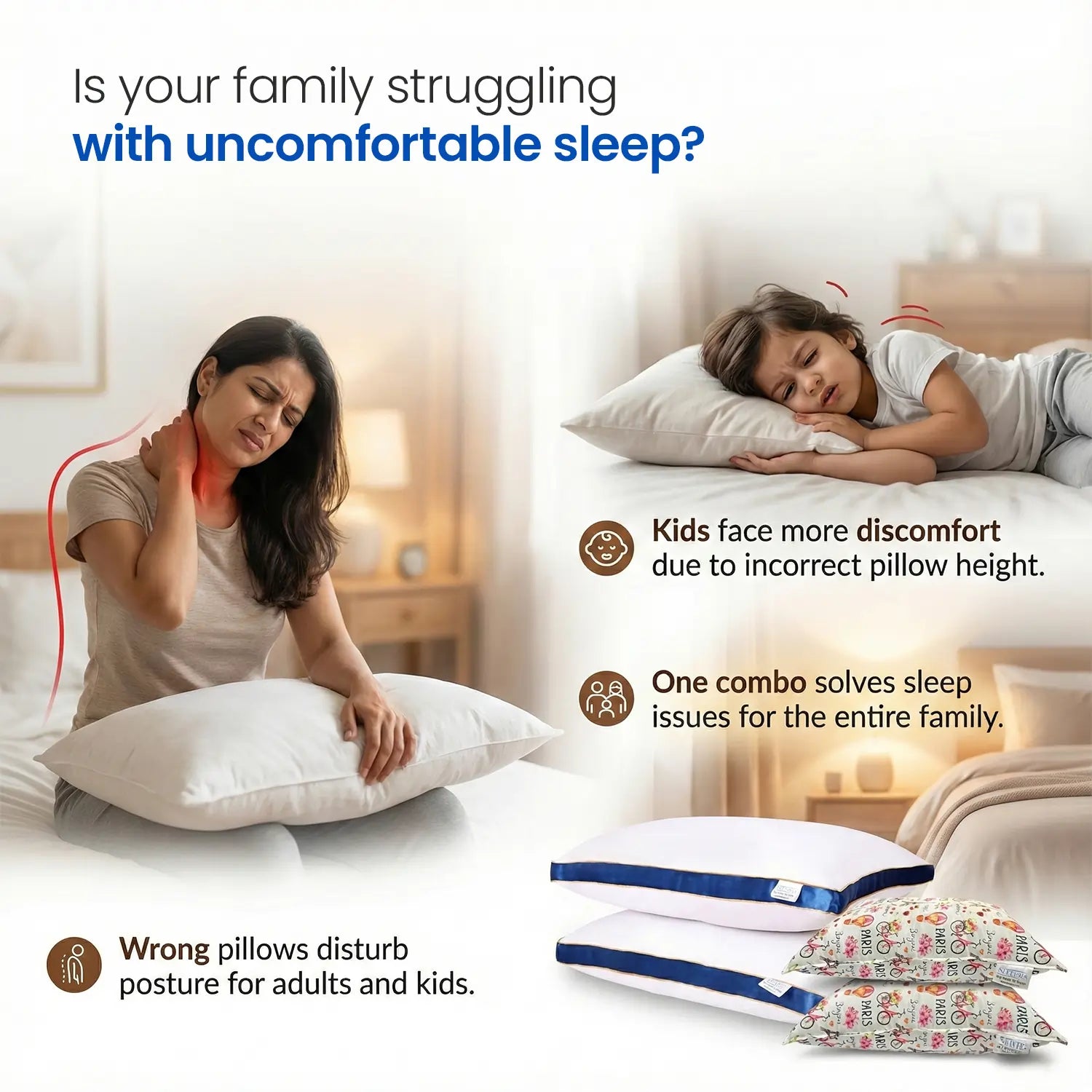
- An uncomfortable pillow may silently affect sleep posture and neck support
- Stress and overstimulation before bedtime can keep your brain active for hours
Healthy sleep hygiene creates conditions where your body can rest, recover, and repair itself properly.
12 Simple Sleep Hygiene Tips for Better Sleep
Below are simple steps you can follow to improve your sleep quality and build healthy sleep habits:
1. Keep a Fixed Sleep and Wake Time

Going to bed and waking up at the same time every day helps your body build a natural rhythm. This is one of the most effective sleep hygiene tips for improving sleep quality. Like I just sleep at 10 and wake up at 5, and it keeps my whole day on track.
- Try to follow the same timing even on weekends
- Avoid shifting your schedule too often
- Give your body time to adjust to a routine
2. Avoid Caffeine Late in the Day

Caffeine can stay in your system for hours and delay sleep. Reducing intake is an important part of sleep hygiene techniques. I usually stop coffee by evening because it keeps me awake longer than I want.
- Limit coffee, tea, and energy drinks after evening
- Switch to lighter options like herbal drinks
- Pay attention to hidden caffeine in snacks
3. Reduce Screen Time Before Bed

Screens keep your brain active and can disturb your sleep cycle. Reducing usage before bedtime helps your mind slow down. Try setting a fixed “no-screen” time every night to build a better sleep habit. For me, reducing screen time at night really helps me fall asleep faster.
- Stop using devices at least 30 minutes before sleep
- Avoid scrolling or watching stimulating content
- Replace screen time with calming activities
4. Make Your Bedroom Dark and Quiet

A dark and quiet environment helps your body stay relaxed and improves sleep quality. This directly affects your ability to get better sleep.
- Use curtains to block outside light
- Reduce background noise as much as possible
- Keep your space peaceful and distraction-free
5. Keep Your Room Cool and Comfortable

Temperature plays an important role in the correct way to sleep. A comfortable room helps your body relax naturally and stay asleep longer.
- Maintain a slightly cool room temperature
- Ensure proper airflow and ventilation
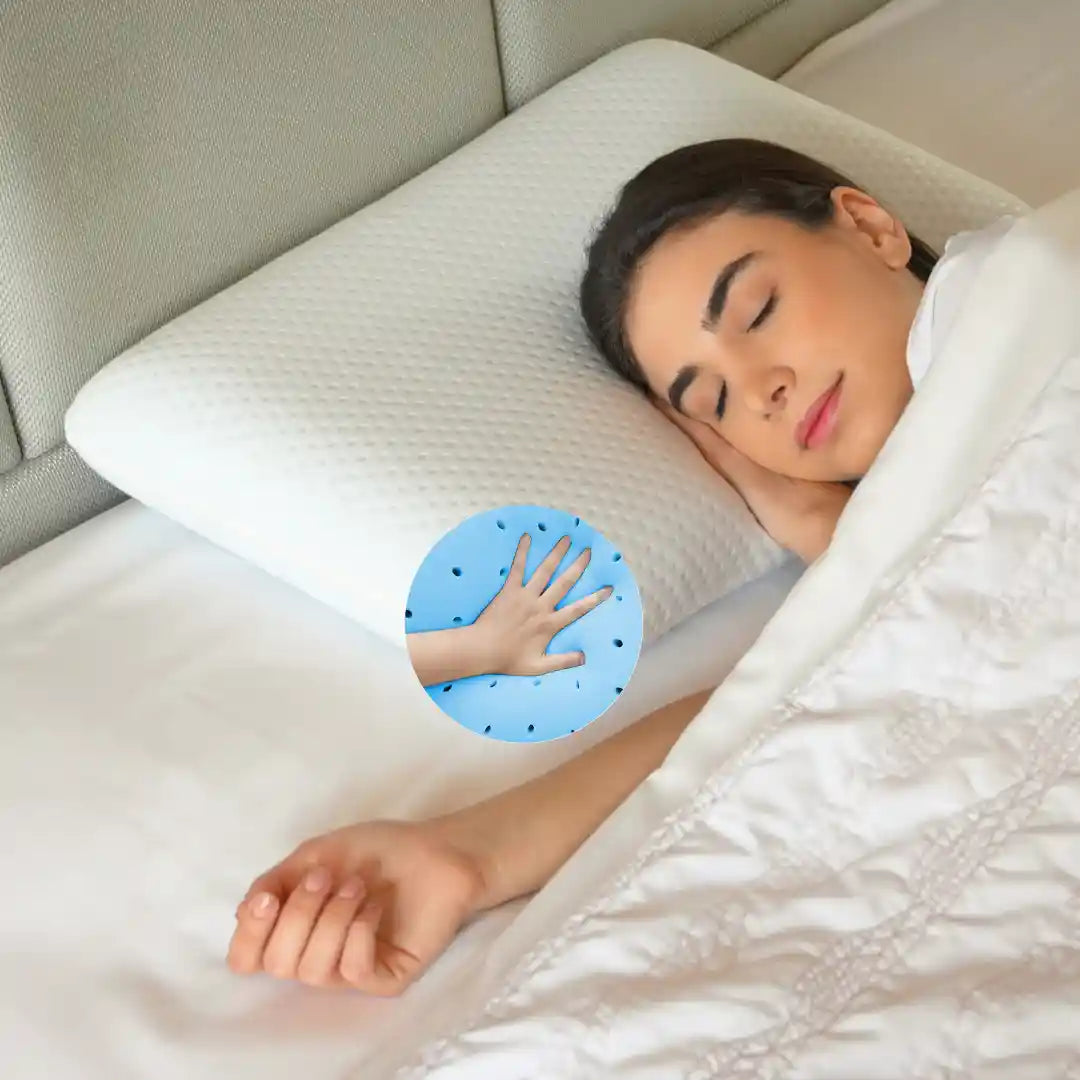
- Use breathable bedding and a supportive pillow for better comfort
6. Don’t Work in Bed

Your bed should be associated only with sleep. Mixing work and rest can confuse your brain and affect your sleep quality.
- Avoid using laptops or phones in bed
- Keep work and sleep spaces separate
- Train your mind to link bed with rest
7. Follow a Short Bedtime Routine

A simple routine before bed helps your body prepare for sleep. It is one of the most effective sleep hygiene techniques for relaxing your mind.
- Try reading, stretching, or listening to calm music
- Keep the routine short and consistent
- Avoid activities that feel stressful or active
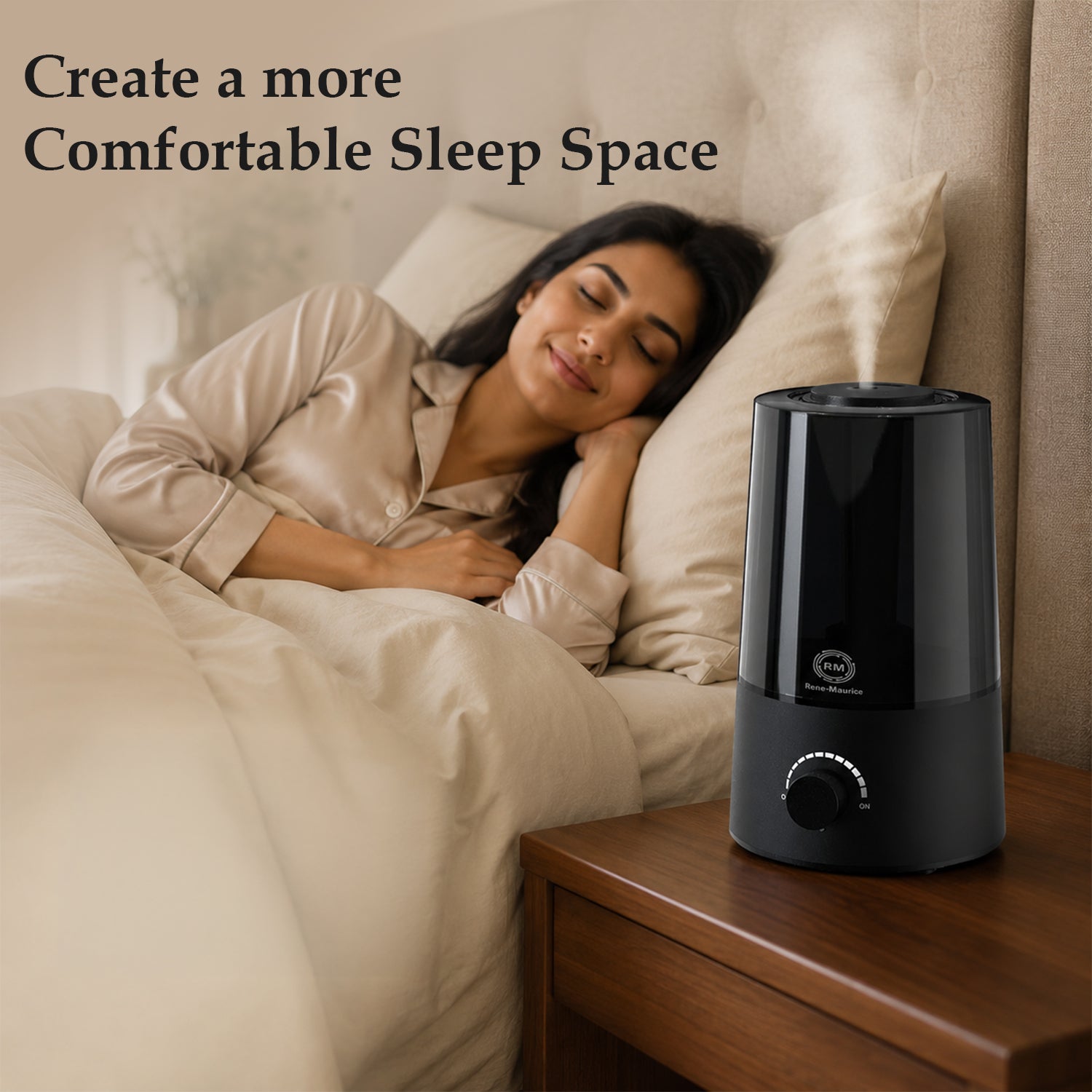
- You can also use a calming diffuser to create a relaxing and sleep-friendly environment.
8. Avoid Heavy Meals Late at Night

Eating too much before bed can cause discomfort and disturb sleep. Your body needs time to digest properly. I try not to eat heavy food late at night because it makes sleeping uncomfortable.
- Keep dinner light and easy to digest
- Avoid spicy or oily food at night
- Eat at least 2–3 hours before sleeping
9. Limit Alcohol Before Sleep

Alcohol can interrupt your sleep cycle and reduce sleep quality. It may cause you to wake up more during the night.
- Avoid alcohol close to bedtime
- Keep consumption minimal in the evening
- Focus on hydration instead
10. Take Short Naps Only, If Needed

Naps can be helpful, but long naps may affect your nighttime sleep. Balance is important. If I feel tired, I’ll nap for a bit, but I keep it short so I can still sleep at night.
- Keep power naps short (20–30 minutes)
- Avoid napping late in the day
- Skip naps if you have trouble sleeping at night
11. Exercise Regularly, But Not Too Late

Daily movement supports better sleep and overall health. However, timing matters.
- Stay active during the day
- Avoid intense workouts before bedtime
- Choose light stretching in the evening
12. Use Relaxing Habits Before Bed

Calming your mind before sleep makes a big difference. Relaxation helps you follow the correct way to sleep and improves overall sleep quality. I try to relax a bit at night, like stretching or reading, and it really makes it easier to fall asleep.
- Practice deep breathing or meditation
- Read something light and calming
- Keep your mind away from stress and overthinking
- Use a soothing diffuser to reduce stress and create a relaxing atmosphere
Conclusion
Sleep hygiene is about simple daily habits that help you sleep better. What you do during the day and before bedtime affects how well you rest at night. Following the right sleep hygiene tips and sleep hygiene techniques can help you learn how to get better sleep and follow the correct way to sleep. Small changes like using a comfortable pillow, keeping your room calm, and staying consistent with your routine can make a big difference. Good sleep takes time, but staying consistent helps you see better results. Sleep problems that continue for a long time may need professional advice.
Better sleep starts with small habits, and even simple changes can improve your nights. Following these sleep hygiene tips regularly can help you build better habits and improve your overall sleep quality.
FAQs
Q1: What is the most effective sleep hygiene habit?Ans: Maintaining a consistent sleep and wake schedule is one of the most effective sleep hygiene practices.
Q2: Can sleep hygiene improve insomnia?Ans: Good sleep hygiene can help improve mild sleep difficulties and support better sleep patterns. Persistent insomnia should be evaluated by a healthcare professional.
Q3: Is it bad to use phones before bed?Ans: Yes, excessive screen exposure before bedtime may reduce melatonin production and delay sleep.
Q4: How many hours of sleep do adults need?Ans: Most adults require around 7 to 9 hours of quality sleep each night.
Q5: Does bedding affect sleep quality?Ans: Yes, supportive mattresses, breathable fabrics, and comfortable pillows can significantly improve sleep comfort and posture.
Night Sweats: Causes, Symptoms, Treatment, and Menopause
20 Best Leg Exercises and How to Build the Perfect Leg Workout
Recent Posts

Double Bed Sheet with Pillow Cover: How to Choose the Right Bedding Set

Benefits of Janu Shirasana (One-Legged Forward Bend Pose) & How to Practice It

Back Support Pillow for Office: Why It Matters for Long Sitting

What Is the Best Pillow for Neck Pain? Complete Guide

Benefits of Utkatasana (Chair Pose) & How to Practice It

Benefits of Garudasana (Eagle Pose) & How to Practice It

Rakhi Gift Ideas for Your Sister: Give Her the Gift of Better Sleep

