

Sleep Apnea Exercises for Snoring
Snoring is more than just a nighttime annoyance. For some people, it may be a sign of obstructive sleep apnea (OSA), a condition in which the airway repeatedly becomes blocked during sleep. While medical treatment is often needed for moderate to severe cases, certain sleep apnea exercises may help reduce snoring andhelp improve symptoms of mild sleep apnea.
These exercises focus on strengthening the muscles of the tongue, throat, soft palate, and face to help keep the airway open while you sleep.
In this guide, you'll learn about the most effective oropharyngeal exercises, tongue exercises for sleep apnea, and palate exercises that may help reduce snoring naturally.
Recommended Products



















What Are Sleep Apnea Exercises?
Sleep apnea exercises are simple movements designed to strengthen the muscles around the upper airway. They are also known as oropharyngeal exercises or myofunctional therapy.
Weak muscles in the tongue, throat, and soft palate can collapse during sleep, causing vibrations (snoring) or blocking airflow (sleep apnea). Regular exercises can improve muscle tone and reduce airway collapse.
Although these exercises are not a replacement for medical treatment, research suggests they may help reduce snoring and improve airway muscle strength in people with mild obstructive sleep apnea.
How Do Oropharyngeal Exercises Help?
Oropharyngeal exercises target several muscles that help keep the airway open, including:
- Tongue muscles
- Soft palate
- Throat muscles
- Lips
- Facial muscles
Strengthening these muscles may help:
- Reduce snoring intensity
- Improve airflow during sleep
- Decrease airway collapse
- Improve sleep quality
- Reduce daytime tiredness in some people
Consistency is important. Most studies suggest practicing these exercises daily for about 8–12 weeks (around three months) before noticing meaningful improvement.
Sleep Apnea Exercises for Snoring
There are different types of sleep apnea exercises designed to strengthen the tongue, throat, face, and soft palate muscles. Aim to practice these exercises for a total of 10–15 minutes each day, either in one session or divided into two or three shorter sessions.
Tongue Exercises for Sleep Apnea
Below are simple tongue exercises that target the muscles that help prevent your tongue from blocking the airway during sleep, which may reduce snoring and improve sleep quality.
1. Tongue Slide

The Tongue Slide helps strengthen the tongue muscles, making it less likely for the tongue to fall backward and block the airway during sleep.
How to do it:
- Place the tip of your tongue behind your upper front teeth.
- Slowly slide your tongue backward along the roof of your mouth.
- Return to the starting position.
- Repeat 5–10 times.
2. Tongue Stretch

The Tongue Stretch helps improve the strength and flexibility of the tongue muscles.
How to do it:
- Stick your tongue out as far as possible.
- Try to touch your chin while looking toward the ceiling.
- Hold the position for 10–15 seconds.
- Relax and repeat 5 times.
3. Tongue Push Up

This exercise strengthens the entire tongue and helps improve upper airway support.
How to do it:
- Press your entire tongue firmly against the roof of your mouth.
- Hold for 10 seconds.
- Relax and repeat 5 times.
4. Tongue Push Down

The Tongue Push Down targets the muscles in the back of the tongue, which play an important role in keeping the airway open.
How to do it:
- Place the tip of your tongue behind your lower front teeth.
- Press the back of your tongue toward the floor of your mouth.
- Hold for 10 seconds.
- Repeat 5 times.
Face Exercises
These are some of the face exercises that target the muscles that support your upper airway and may help reduce snoring when practiced regularly.
1. Cheek Hook

The Cheek Hook exercise strengthens the cheek and facial muscles that support proper breathing.
How to do it:
- Use a hooked finger to gently pull one cheek outward.
- Use your facial muscles to pull the cheek back inward against the resistance.
- Repeat 10 times on each side.
2. Jaw Stretch

The Jaw Stretch helps improve jaw flexibility while reducing tension in the mouth and throat.
How to do it:
- Close your mouth tightly by pursing your lips.
- Slowly open your mouth while relaxing your jaw and lips.
- Repeat 10 times.
Other Exercises to Stop Snoring
Along with the tongue and face exercises, these are simple techniques that can help to improve muscle tone and help to keep your airway open during sleep.
1. Breathing Through Your Nose

Nasal breathing encourages proper airflow and may help keep the airway more stable during sleep.
How to do it:
- Close your mouth and relax your jaw.
- Take a slow breath in through your nose.
- Gently close one nostril with your finger.
- Breathe out through the open nostril.
- Alternate nostrils and repeat 10 times.
Tip: If one nostril feels more congested, spend a little extra time practicing breathing through that side.
2. Pronouncing Vowel Sounds

Repeating vowel sounds helps strengthen the muscles of the throat and soft palate.
How to do it:
- Pronounce the vowels A, E, I, O, and U clearly.
- Repeat each vowel 10–20 times.
- Change the speed or length of each sound as you practice.
- You can also combine sounds, such as "Ooo-Aaa," and repeat them several times.
3. Singing

Singing helps strengthen the muscles of the tongue, throat, and soft palate and improves breath control. Some studies suggest that regular singing may help reduce snoring over time.
How to do it:
- Sing for 15–20 minutes each day.
- Focus on clearly pronouncing vowel sounds and holding notes.
- Emphasize strong, controlled breathing rather than simply singing the lyrics.
Can Mouth Exercises Help with Snoring and Sleep Apnea?
Mouth exercises, also known as myofunctional therapy or oropharyngeal exercises, are designed to strengthen the muscles of the tongue, throat, soft palate, and face. Trained therapists often teach these exercises, but many can also be practiced at home. Their main goal is to improve muscle tone in the upper airway and encourage nasal breathing, which may help reduce snoring and improve breathing during sleep.
The oropharynx is the area at the back of the mouth that includes the back of the tongue, the sides of the throat, the tonsils, adenoids, and the soft palate. During sleep, weak muscles in this area can relax too much, causing the airway to narrow or collapse. This can lead to snoring or obstructive sleep apnea (OSA).
Research suggests that regularly performing oropharyngeal exercises while awake can strengthen these muscles and reduce the vibration that causes snoring. Several studies have also found that these sleep apnea exercises may help improve symptoms of mild obstructive sleep apnea by keeping the airway more stable during sleep.
Who Can Benefit from Mouth Exercises?
Mouth exercises may be helpful for a variety of people, particularly those looking to reduce snoring, improve airway muscle strength, or support their sleep apnea treatment.
- People who snore regularly.
- Individuals with mild to moderate obstructive sleep apnea.
- Those looking for a non-invasive way to support their sleep apnea treatment.
- People using CPAP therapy, as these exercises may improve treatment outcomes when used alongside prescribed therapy.
- Individuals recovering from sleep apnea surgery who want to strengthen their airway muscles.
However, it's important to understand that these exercises do not work for everyone. Their effectiveness depends on factors such as the size and shape of the mouth, tongue, throat, and airway. Additionally, oropharyngeal exercises may be less effective if snoring is mainly caused by alcohol consumption, sedative medications, or other conditions that overly relax the throat muscles.
For people with moderate or severe obstructive sleep apnea, these exercises should be used alongside doctor-recommended treatments such as CPAP therapy, oral appliances, or surgery, rather than as a standalone treatment. Always consult a healthcare provider to determine the most appropriate treatment for your condition.
How Often Should You Do Mouth Exercises?
Based on current research, experts recommend practicing oropharyngeal exercises for a total of 10–15 minutes daily for about 8–12 weeks (around three months) to notice improvements in snoring and mild obstructive sleep apnea.
Many people find it helpful to divide the exercises into two or three short sessions throughout the day, making them easier to fit into a daily routine.
Studies have shown that regular mouth and throat exercises performed for about three months can reduce snoring and improve airway muscle strength. Some research has also found that practicing these exercises through a smartphone-based myofunctional therapy program for at least 15 minutes daily may help reduce snoring.
Like any muscle-strengthening routine, these exercises do not provide instant results. It takes time to improve the strength and coordination of the tongue, throat, and soft palate muscles. One advantage of these exercises to stop snoring is that they require no special equipment and can be performed almost anywhere. With regular practice, tongue exercises for sleep apnea, palate exercises, and other oropharyngeal exercises may help keep the airway more stable during sleep and reduce the likelihood of airway obstruction.
When to See a Doctor
You should see a doctor if your snoring is loud, frequent, or accompanied by pauses in breathing, gasping, choking, or snorting during sleep. It's also important to seek medical advice if you experience excessive daytime sleepiness, persistent fatigue, morning headaches, difficulty concentrating, mood changes, high blood pressure, or recent weight gain. These symptoms may indicate obstructive sleep apnea (OSA), a condition that requires proper diagnosis and treatment.
While sleep apnea exercises may help reduce snoring and strengthen the muscles that support the airway, they should not replace medical care. A healthcare provider can evaluate your symptoms, diagnose the underlying cause, and recommend the most appropriate treatment for your condition.
Conclusion
Practicing sleep apnea exercises regularly can help strengthen the muscles of the tongue, throat, and soft palate, which may reduce snoring and improve mild obstructive sleep apnea symptoms over time. While these exercises are a valuable part of a healthy sleep routine, they work best when combined with healthy sleep habits and medical treatment when needed. If your snoring is frequent, severe, or accompanied by breathing pauses, consult a healthcare provider for a proper evaluation and treatment plan.
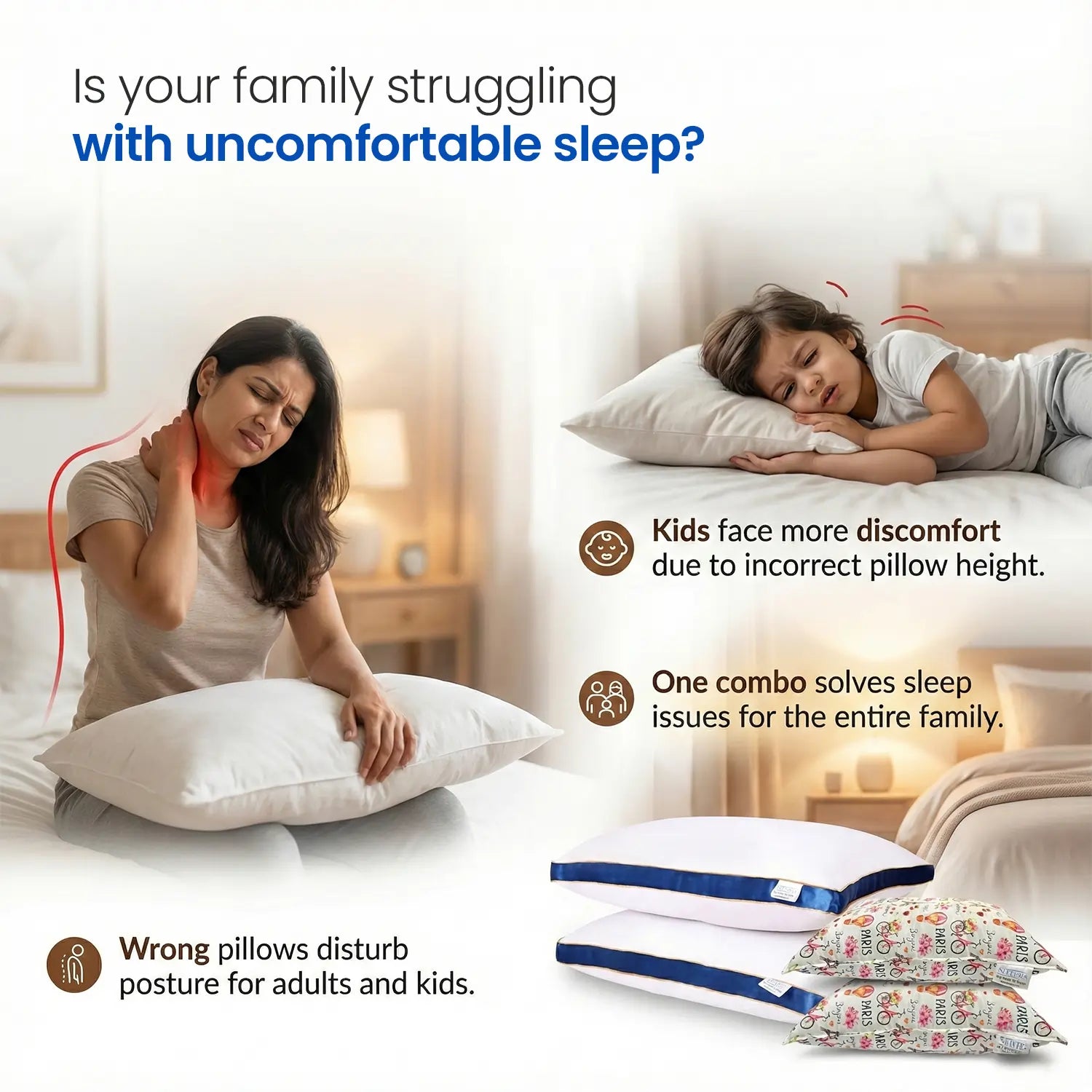
Along with practicing these exercises, creating a comfortable sleep environment can support better rest. Sleepsia's ergonomic pillows are designed to promote proper head, neck, and spinal alignment to enhance sleep comfort. While pillows cannot treat sleep apnea, they can help support healthy sleep posture and overall sleep quality.
FAQs
Q1: Do sleep apnea exercises really work?Ans: Yes. Sleep apnea exercises can help reduce snoring and improve symptoms of mild obstructive sleep apnea by strengthening the muscles of the tongue, throat, and soft palate. Results usually require consistent daily practice.
Q2: How long does it take to see results?Ans: Most people notice improvement after about 8–12 weeks (around three months) of practicing the exercises consistently.
Q3: Which tongue exercises are best for sleep apnea?Ans: Effective tongue exercises for sleep apnea include the tongue slide, tongue push, tongue stretch, and tongue-to-palate press.
Q4: Are palate exercises effective for snoring?Ans: Yes. Palate exercises strengthen the soft palate, which may reduce vibrations that contribute to snoring.
Q5: Can these exercises cure sleep apnea?Ans: No. They may help reduce symptoms in mild cases but do not cure sleep apnea. Moderate to severe sleep apnea usually requires medical treatment such as CPAP, oral appliances, or other therapies.
Q6: Who should avoid these exercises?Ans: Most people can perform them safely, but anyone with jaw pain, recent oral surgery, or severe sleep apnea should consult a healthcare professional before starting a new exercise routine.
Sleep Schedule: How to Build a Healthy Sleep Routine
What Causes Snoring in Females
Recent Posts

Double Bed Sheet with Pillow Cover: How to Choose the Right Bedding Set

Benefits of Janu Shirasana (One-Legged Forward Bend Pose) & How to Practice It

Back Support Pillow for Office: Why It Matters for Long Sitting

What Is the Best Pillow for Neck Pain? Complete Guide

Benefits of Utkatasana (Chair Pose) & How to Practice It

Benefits of Garudasana (Eagle Pose) & How to Practice It

Rakhi Gift Ideas for Your Sister: Give Her the Gift of Better Sleep

