

Back Support Pillow for Office: Why It Matters for Long Sitting
Sitting at a desk for hours can put added pressure on your lower back, especially when your office chair lacks adequate lumbar support.
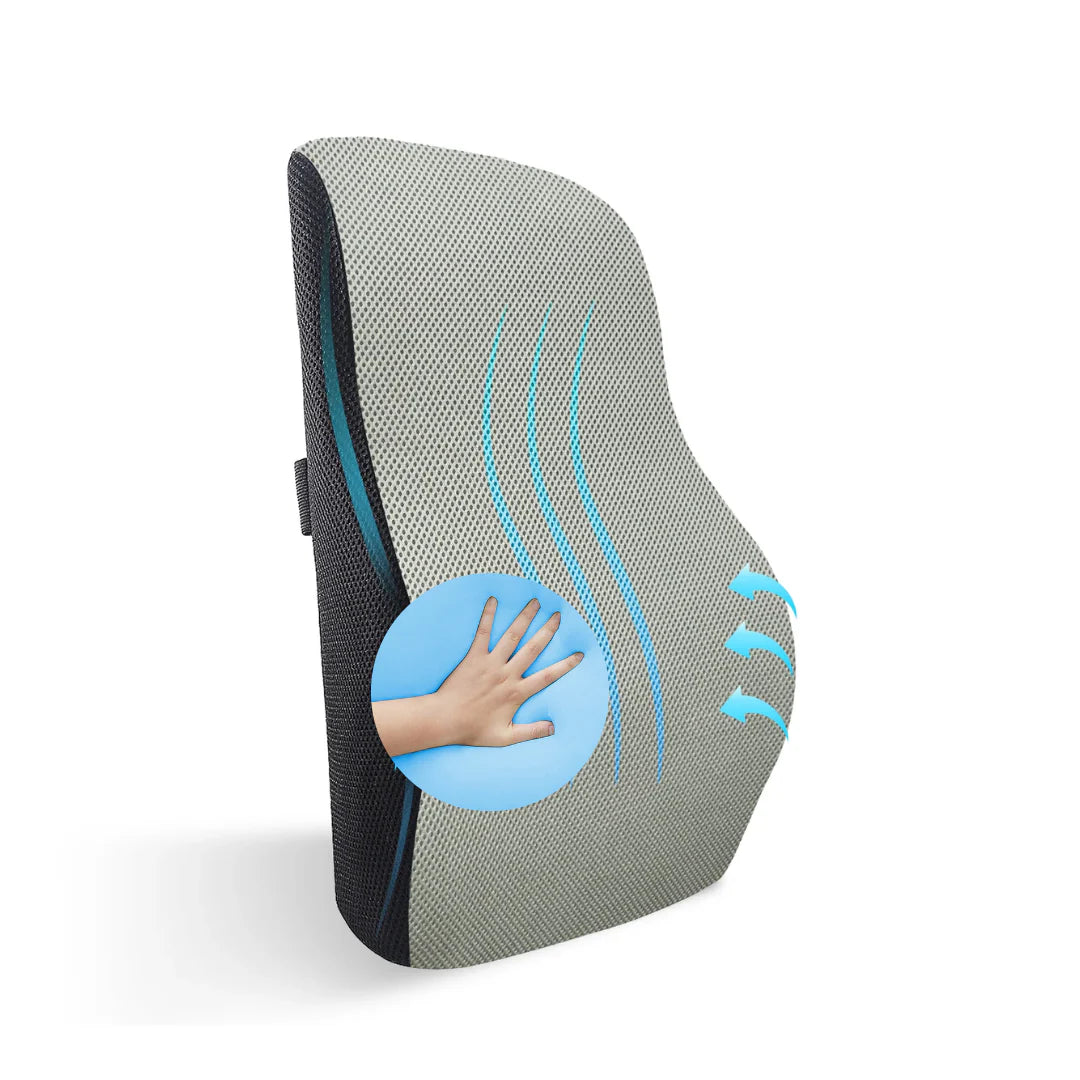
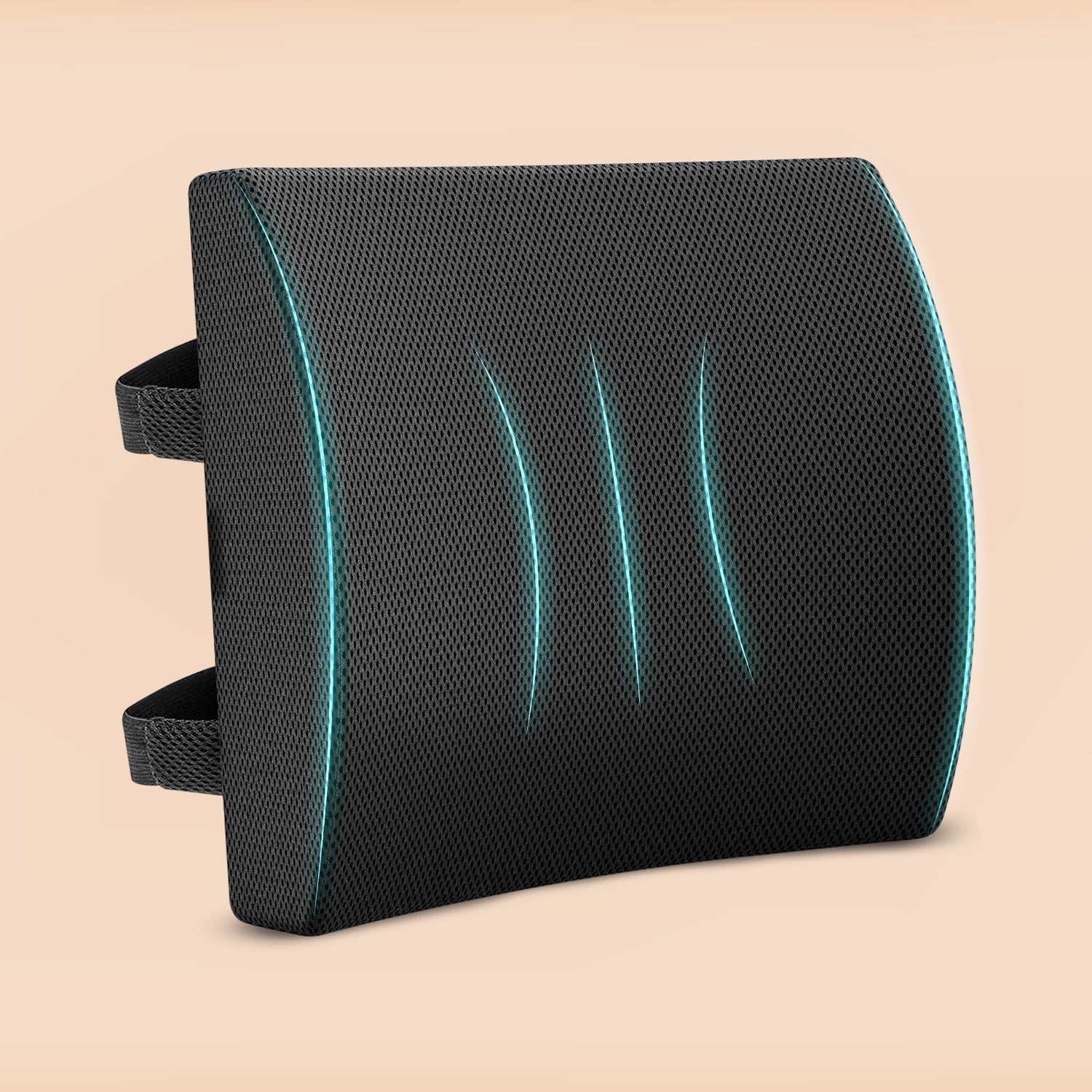
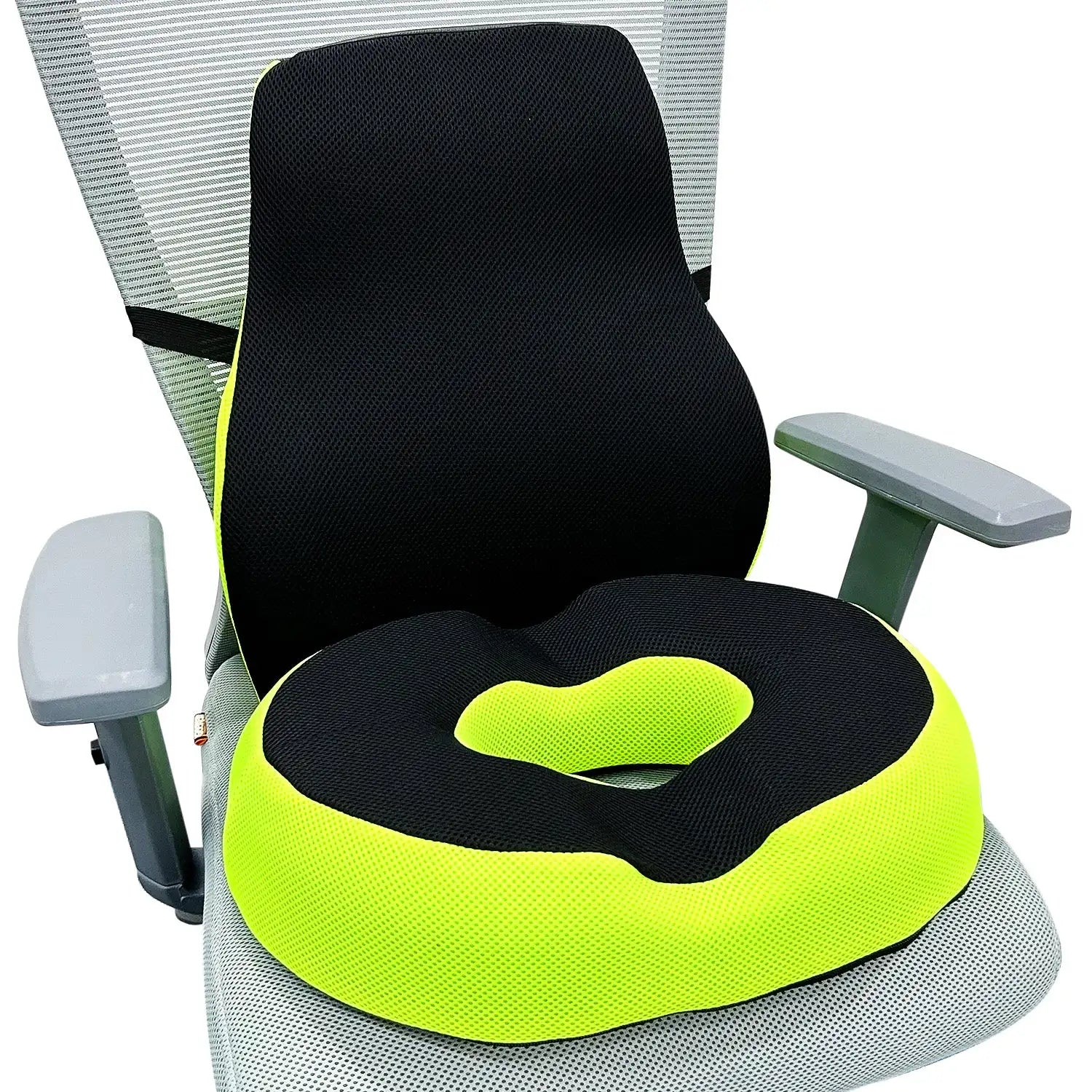
Designed in different shapes and materials, these pillows can include memory foam for contoured support, cooling gel for a cooler feel, and breathable 3D mesh for improved airflow. A back support pillow for office use supports the lower back, helps maintain a more comfortable sitting position, and adds targeted lumbar support when your chair lacks adequate contour.
But its size and shape, as well as the material and where it is placed, also make a difference in how well it supports you. In this guide, we’ll discuss the importance of back support during prolonged sitting, the benefits of lumbar pillows, materials and types, and mistakes to avoid when using an office back support pillow.
Recommended Products
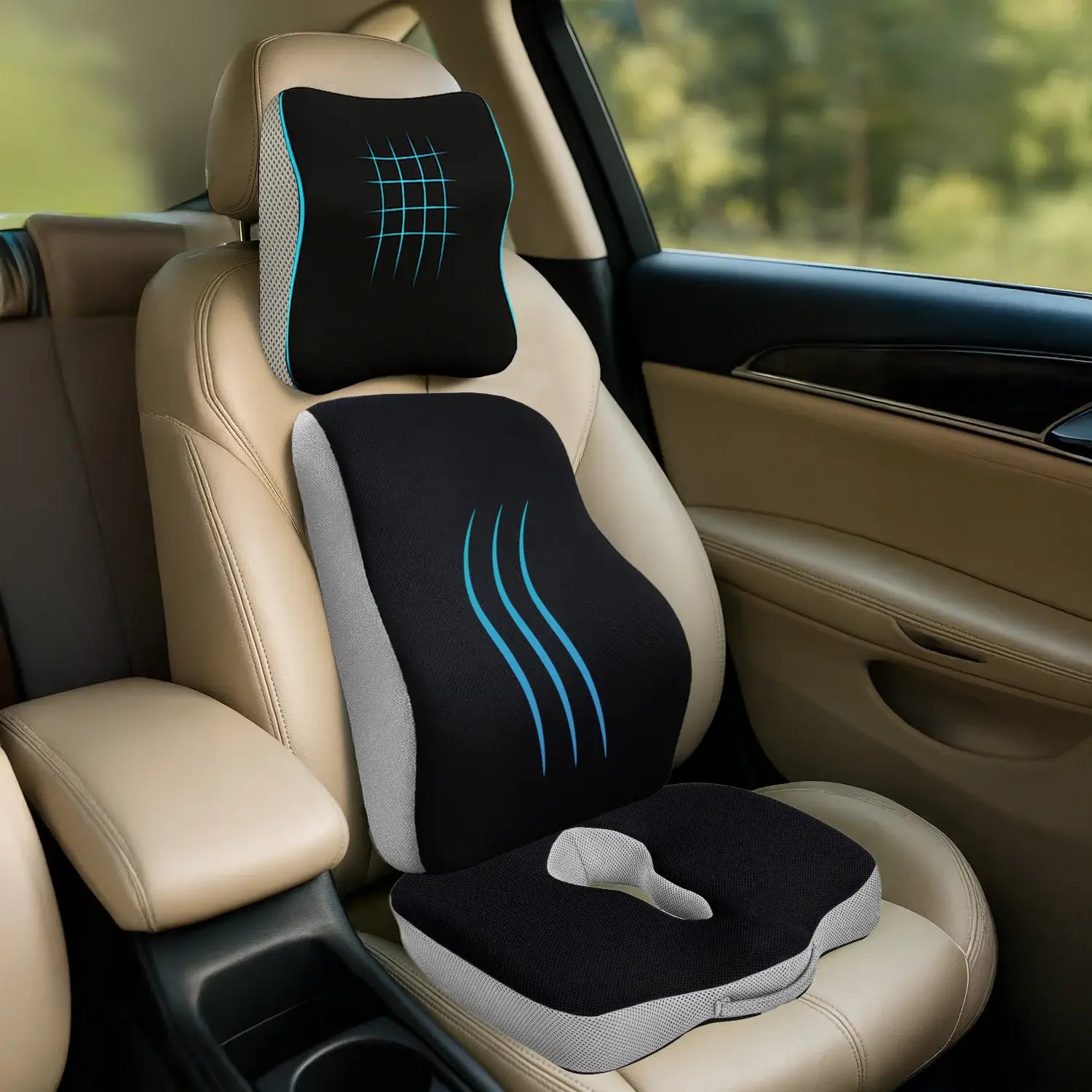
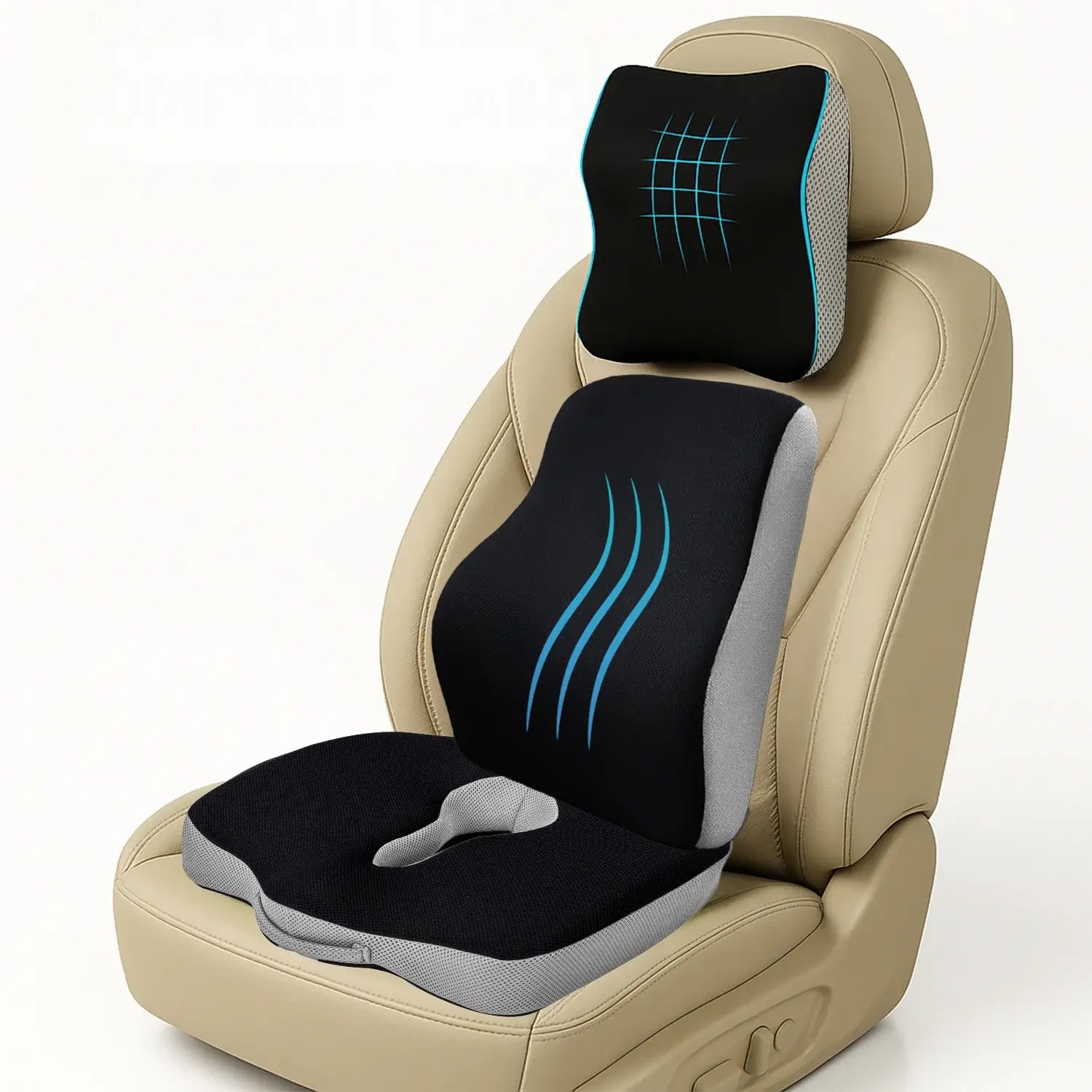


What Are the Benefits of Using a Back Support Pillow at Work?
A back support pillow for office use supports the lower back, promotes a more comfortable sitting posture, and can reduce discomfort during long hours at a desk.
Here are the key benefits of using a back support pillow at work:
Supports the Natural Curve of the Lower Back
A lumbar support pillow keeps the space between your lower back and the chair filled, supporting the natural curvature of the spine inward. The lumbar support helps you maintain a supported working position while sitting.
Encourages Better Posture
The back support of an office chair aids in supporting the lumbar region of the back; it thus facilitates sitting upright. It also tends to make workers less hunched over their work.
Reduces Lower-Back Discomfort
Prolonged unsupported sitting can contribute to lower-back discomfort. A back support pillow for office chair use can provide targeted support to the lumbar area and may make extended sitting more comfortable.
Helps Reduce Muscle Fatigue
Not enough lumbar support from an office chair can cause your back muscles to work more to keep you in your sitting position. Using a supportive pillow can also help support the back and may decrease fatigue during extended periods of work.
Adds Support to Firm Chairs
A memory foam back support pillow can cushion and conform to a firm or flat office chair. The memory foam conforms to the shape of the back, providing additional support without replacing the chair.
Improves Comfort During Long Sitting
An ergonomic back support pillow can provide consistent lumbar support throughout the workday, making long periods of sitting more comfortably and reducing the need to frequently adjust your position.
Which Materials Are Commonly Used in Office Back Support Pillows?
A back support pillow typically uses materials such as high-density memory foam, cooling gel, and breathable 3D mesh to provide lumbar support and comfort during prolonged sitting.
Here are the key materials used in back support pillows:
High-Density Memory Foam
Some lumbar pillows use high-density memory foam as the primary support layer. It also conforms to the curve of your back and gives supportive lumbar contouring. Many have orthopedic memory foam, which molds to your body but won’t remain compressed if used for a long time.
Cooling Gel
Certain lumbar support cooling gel pillows are made of memory foam and layered with cooling gel. This design helps to minimize heat buildup from long periods of sitting and provides a cooler, comfortable experience.
Breathable 3D Mesh
Ventilated ones feature breathable 3D mesh surrounding the cushion for airflow. This construction also synergizes with cooling gel and memory foam to enhance airflow and move heat and moisture away from the back.
Removable Mesh Covers
Some back support pillows come with a zipper and removable mesh cover. The cover is removable for machine washing, and this facilitates its maintenance from regular use in an office.
What Types of Back Support Pillows Can You Choose From?
You can choose lumbar, half-lumbar, cooling gel, or ventilated cooling gel back support pillows, with each design offering a different balance of support, coverage, and cooling.
Here are the main types of back support pillows for office use:
Lumbar Support Pillow
This design is specifically for the lower back area, and it does fill the space between your back and a chair. Memory foam lumbar support pillows are designed to mold to the body for even support, and these will also have an elastic or adjustable strap to hold them in place. It’s good for everyday desk work and for general prolonged sitting.
Half Lumbar Support Pillow
A half lumbar support pillow provides more targeted lower back support but is less robust. It supports your lower back and doesn’t take up much of the chair, making it a good option if you want some back support for long sitting without having to use a large cushion.
Cooling Gel Lumbar Support Pillow
Some lumbar pillows combine high-density memory foam with cooling gel to provide both support and a cooler feel. The foam contours to the lower back, while the gel adds a cooling feature for extended use. Certain designs also include raised side wings for additional lumbar support.
Ventilated Cooling Gel Lumbar Support Pillow
For users who prefer added airflow, a ventilated lumbar support pillow combines high-density memory foam, cooling gel, and breathable 3D mesh. The memory foam provides contoured support, while the mesh promotes airflow around the back. An adjustable strap helps secure the pillow to the chair, making it suitable for prolonged office use.
How Should You Use a Back Support Pillow on an Office Chair?
To use a back support pillow correctly, place it against your lower back, align it with your natural lumbar curve, and secure it firmly to the office chair.
Here are the key steps to position and use a back support pillow effectively:
Position the Pillow at Your Lower Back
Put the pillow behind the curve in your lower back, not behind your upper or mid-back. The cushion will touch the lumbar area, but should not be pushing your back too much forward.
Sit Fully Back Against the Pillow
Bring your pelvis forward so that your lower back can sink into the chair. This lumbar support pillow enables a constant curve instead of a gap between your back and the chair.
Adjust the Height
Position the pillow so its center supports the lumbar region. If it sits too high or too low, it may not provide the support you need and can make your sitting position feel less comfortable.
Secure It in Place
Use the attached elastic or adjustable strap to keep the pillow from shifting as you move. A stable office chair back support stays in the intended position instead of requiring frequent readjustment.
Adjust Your Chair
A lumbar support pillow for an office chair works best with adjustments to your chair height, chair backrest, and desk. Make sure your feet are supported, that the chair is closer to the desk than you, and that the screen is positioned so that you do not have to lean forward.
Take Regular Movement Breaks
Movement is the ultimate good posture, and while a lumbar pillow can enhance sitting support, it cannot substitute for movement. In extended work sessions, be sure to stand, change positions, or take a brief walk at regular intervals in order to avoid being in one position for too long.
What Mistakes Should You Avoid When Using a Back Support Pillow?
The key mistakes when using a back support pillow are placing it too high or too low, choosing unsuitable firmness or materials, sitting away from the backrest, and using the wrong pillow for the chair.
Here are the common mistakes to avoid when using a back support pillow:
Placing the Pillow Too High or Too Low
Position the pillow against the natural inward curve of your lower back, not near the tailbone or upper back. Adjust its height until it supports the lumbar area without pushing your torso forward or changing your natural sitting position.
Choosing the Wrong Firmness or Material
Make sure the pillow is not synthetically soft or puts pressure on the face. Find a support system that feels stable and conforms to your back. Breathable 3D mesh can help airflow for warm sitters, while memory foam can deliver contoured support.
Sitting Away from the Backrest
Do not perch at the front of the chair, with your lower back off the cushion. This will place your lower back on the pillow and allow the back support of the office chair to do its job. Move your hips all the way back on the seat.
Using One Pillow on Every Seat
Do not assume the same pillow will work equally well on every chair. Office chairs, car seats, and other seating surfaces differ in depth and backrest angle. Choose a pillow with a suitable size and profile for the seat you use.
Relying on the Pillow Alone
A back support pillow for office chair use can add lumbar support, but it does not replace proper workstation setup. Adjust your chair, desk, screen, and foot position so you can sit comfortably without leaning forward.
Staying in One Position for Too Long
Don’t consider lumbar support an excuse to sit for long stretches. Alternate positions frequently, and take movement breaks for a few minutes after sitting for a long time working.
Conclusion
A back support pillow for office use helps support the lower back, improve sitting comfort, and make long hours at a desk easier to manage. Choose a pillow that matches your chair and support needs, position it along your natural lumbar curve, secure it properly, and adjust your workstation to maintain a comfortable sitting posture. Using the right material and design, along with regular movement breaks, can further improve comfort during prolonged sitting.
FAQs
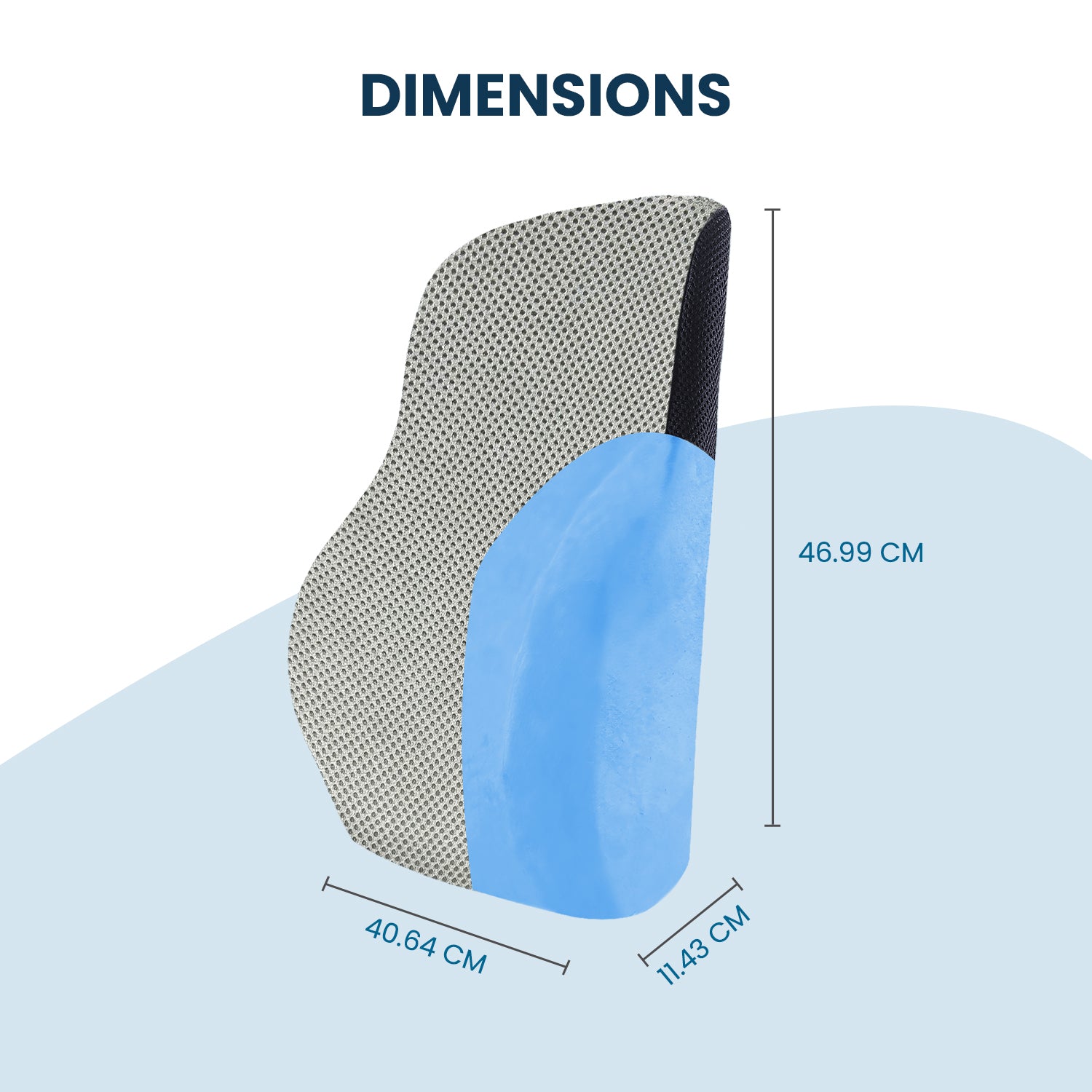
Q1: How do I know if my back support pillow is the right size?Ans: It should support your lower back but not push your torso too far forward or otherwise leave the lumbar area unsupported. Make sure the backrest pillow is the right size for the chair and supports the inner curve of your lumbar region.
Q2: Should a back support pillow feel firm or soft?Ans: A back support pillow should feel supportive rather than excessively soft or rigid. Memory foam can provide a balance by conforming to your back while maintaining its shape during use.
Q3: Can a back support pillow help if my office chair has no lumbar support?Ans: Yes, a back support pillow is an option if an office chair does not have a natural lumbar curve. Look for a design that fits you right in the chair and supports your back without pushing it unnaturally or making you hunch over.
Q4: Why does my back support pillow feel uncomfortable at first?Ans: A new back support pillow may feel unfamiliar because it changes how your lower back contacts the chair. Give yourself time to adjust its height and position, and make small changes until it supports your lumbar curve comfortably.
Q5: Can you use a back support pillow if you are very tall or short?Ans: Yes, but people with different heights may need different pillow sizes or positions to achieve comfortable lumbar support.
What Is the Best Pillow for Neck Pain? Complete Guide
Benefits of Janu Shirasana (One-Legged Forward Bend Pose) & How to Practice It
Recent Posts

Where Should You Place a Humidifier in a Baby's Room?

Does a Room Humidifier Help With Dry Air? Uses and Benefits Explained

Diwali Gift Ideas: Give the Best Gift to Your Loved Ones

Can You Use a Humidifier and Aroma Diffuser Together? What You Should Know

How Long Can You Run a Diffuser in a Room? Safety & Usage Tips

Where Should You Place a Room Diffuser for Better Fragrance Distribution?

7 Benefits of Shishuasana (Child Pose) and How to Practice It Correctly

