

Where Should You Place a Humidifier in a Baby's Room?
Locate the baby’s humidifier on a stable surface that is high enough to keep it away from your little one’s crib, bedding, and their reach. Make sure that mist is blowing toward the center of the room, not your beloved. Maintain the relative humidity between 30% and 50% and adhere to any instructions for safe placement and cleaning provided by product manufacturers.
Recommended Products
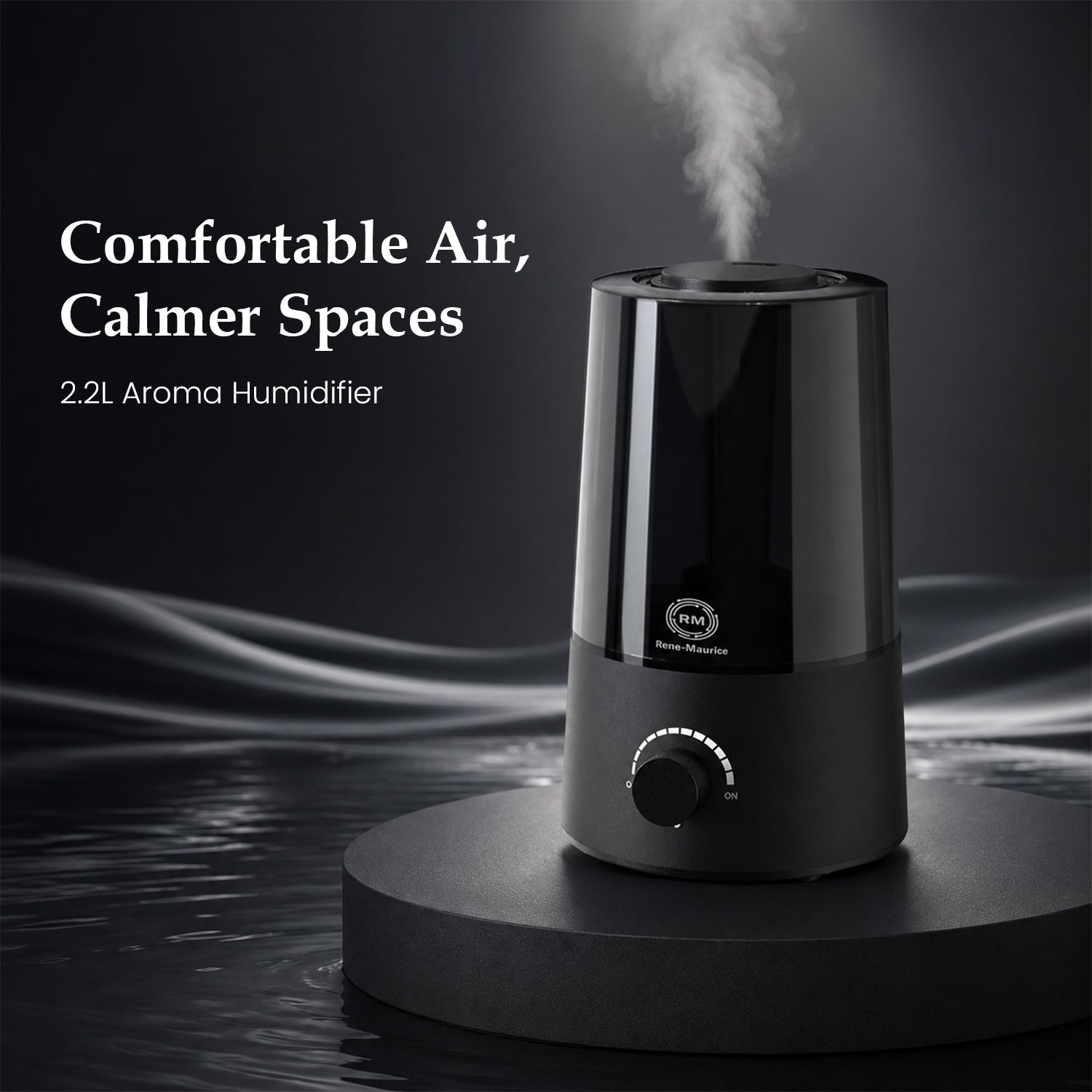
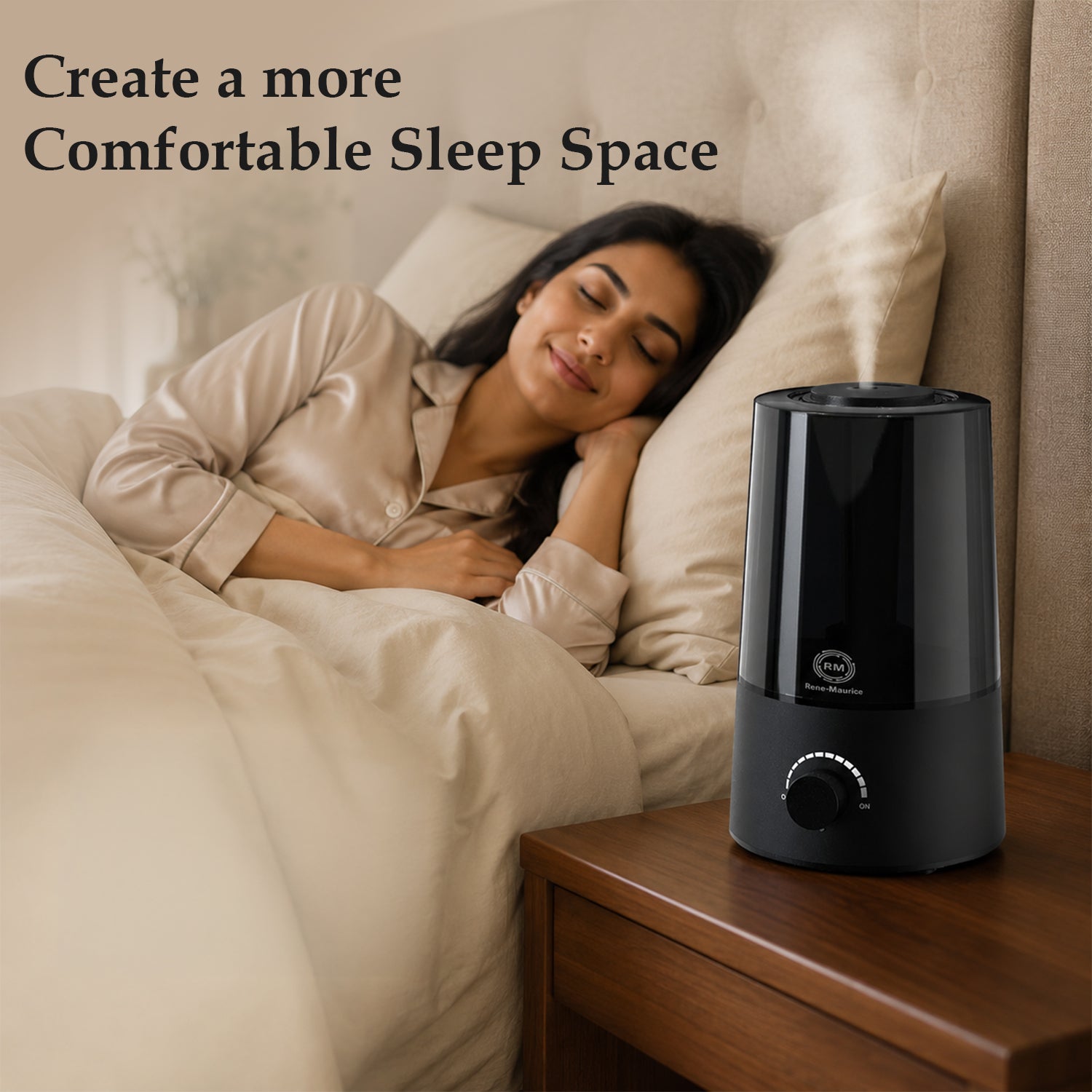
What is the Best Place to Place a Humidifier in a Baby's Room?
The best place to put a humidifier in a baby’s room is a flat, stable, waterproof surface, at least 3-6 feet away from your little one. Remember to point the mist away from your baby's face, mattress, and bedding.
Choose a raised surface
Do not set the humidifier on an unstable dresser, shelf or stand that could tip over. Ensure you can empty and refill it safely.
Keep it away from the crib
Do not spray so close that the mist will wet your baby’s bedding or mattress.
Point the mist away from your baby
Aim the nozzle toward an unobstructed section of the room, so humidity can propagate without wetting surfaces close by.
Stay away from walls and curtains
Moisture can build up on these surfaces and encourage mold growth.
Avoid electrical hazards
Place the humidifier away from electronic devices and areas where water spills could reach electrical outlets.
Control the humidity of the room
Keep relative humidity between 30% and 50%. You can use a hygrometer to check the moisture level.
How Far Should a Humidifier Be from a Baby's Crib?
The ideal distance to place a baby humidifier is about 3 to 6 feet away from the crib. This helps keep mist away from your baby's face, mattress, and bedding. Point the mist nozzle away from the crib to prevent nearby surfaces from becoming damp.
Position the humidifier on a flat surface out of your baby’s reach and away from the area that your baby can pull the humidifier down from. Do not place the pacifier in the crib or on the crib rail. Always check the manufacturer’s directions for safe placement, as the recommended distance varies between models.
Where Should You Avoid Placing a Baby Humidifier?
Avoid placing a baby humidifier where it could harm your baby or make the room damp. Never place it inside or directly beside the crib, or anywhere your baby can reach and pull it down. Keep the power cord out of reach to prevent choking or strangulation hazards.
Do not place the humidifier directly on the floor, especially on an uneven or damp surface. Keep the device away from electrical outlets and electronics where spilled water could create a hazard.
What Should be the Ideal Height for a Humidifier in a Baby's Room?
The best height to place a baby humidifier is about 2 to 3 feet above the floor, if the manufacturer's instructions allow it. A sturdy dresser or shelf can help the mist spread through the room instead of collecting near the floor.
Ensure to use a level surface capable of supporting the weight of the humidifier with a full water tank. Make sure that the device is secured so that it cannot tip over, and is out of reach of your infant.
How to Maintain the Right Humidity Level in a Baby's Room
The level of humidity in your baby’s bedroom should be between 30% and 50%. To help maintain adequate humidity levels, try these:
Use a digital hygrometer to check the room's humidity
Place it away from direct sunlight and moisture from the humidifier for a more reliable reading. Follow these steps to maintain the right level:
If humidity falls below 30%
Use a cool-mist humidifier to add moisture to the air. Avoid warm-mist models because hot water and steam can cause burns.
Use the right water
Instead of using regular water, it’s recommended to use distilled water to minimize white dust and mineral buildup.
If humidity rises above 50%
Reduce or stop using the humidifier. Check for condensation on windows, damp walls, or musty smells.
Improve air circulation
Open the nursery door or windows when outdoor conditions allow. In hot, humid weather, use an air conditioner or dehumidifier if needed.
Avoid adding extra moisture
Do not dry wet clothes in the baby's room when humidity is already high
How to Choose the Right Humidifier for a Baby's Room
Choose a humidifier for a baby's room that is safe, easy to clean, and suitable for the room's size. Check these features before buying one.
Cool-Mist Technology
For safety, select a cool-mist model, as hot water/steam can cause burns.
Automatic Shut-Off
Pick a model that turns off when the water tank runs empty. This helps prevent the unit from running without water.
Room size
Check the manufacturer's room-size recommendation. A humidifier that is too powerful for the room may add excess moisture and cause condensation.
Easy to Clean
Look for a model that has a wide opening at the top of the tank or detachable parts so that you can get in and clean the humidifier thoroughly to prevent mold and mineral buildup.
Silent Operation
You should choose a humidifier that is quiet so it does not wake your baby.
Humidity Control
Consider a humidifier with a built-in humidistat or humidity display. This helps you monitor moisture levels and avoid making the room too damp.
Read the label, manufacturer’s instructions or warnings
Check whether the manufacturer recommends distilled water. It can help reduce mineral buildup and white dust, especially in ultrasonic models.
Conclusion
Positioning the humidifier this way will ensure you have a safe and comfortable atmosphere for your baby. Place the humidifier on a firm, flat surface and away from/on contact with the crib and/or troubles for the baby.
The recommended relative humidity in the room is between 30 and 50%. Just make sure to keep it clean so that mould and germs do not develop in it. If you buy a humidifier for your child, be sure it is a cool mist humidifier, and use it according to the manufacturer’s instructions.
Also Read:- Can You Use a Humidifier and Aroma Diffuser Together? What You Should Know
FAQs
Q1: Are humidifiers recommended by paediatricians?Ans: Pediatricians can recommend a humidifier when dry air causes nasal discomfort or irritates your baby's airways. Ask your pediatrician if your baby has ongoing breathing problems or other symptoms.
Q2: Should a humidifier be run 24 hours a day for a baby?Ans: Yes, you can run a humidifier overnight if the manufacturer allows continuous use and you follow safety instructions. Maintain humidity at 30-50% in the room without misting the ashtray, walls, or cribs.
Q3: Do all babies need a humidifier?Ans: Humidification is not necessary for all babies. If the air in your home is dry, your baby's nose is dry, or she has symptoms of discomfort caused by the dry air, a humidifier can help. If the room is nicely humid, you probably need a humidifier.
Q4: Do babies sleep better with a humidifier?Ans: A humidifier may help a baby sleep more comfortably if dry air causes nasal discomfort. However, it does not guarantee better sleep and will not solve every cause of night waking.
Q5: How far away should a baby sleep from a humidifier?Ans: In general, and if directions allow, keep the humidifier 3 to 6 feet from your baby’s crib. Be careful to not point the mist towards your infant’s face or toward the mattress or bedding, which may get wet.
Does a Room Humidifier Help With Dry Air? Uses and Benefits Explained
Benefits of Chakki Chalanasana (Mill Churning Pose) & How to Practice
Recent Posts

Benefits of Vasisthasana (Side Plank Pose) and How to Practice It Correctly

Benefits of Chakki Chalanasana (Mill Churning Pose) & How to Practice

Does a Room Humidifier Help With Dry Air? Uses and Benefits Explained

Diwali Gift Ideas: Give the Best Gift to Your Loved Ones

Can You Use a Humidifier and Aroma Diffuser Together? What You Should Know

How Long Can You Run a Diffuser in a Room? Safety & Usage Tips

