

How to Clean Humidifier at Home
Humidifiers are a great way to keep your home comfortable, especially during dry seasons. Whether it’s a cool mist humidifier in your bedroom or a mini humidifier on your desk, clean humidifiers ensure better air quality and longer device life.
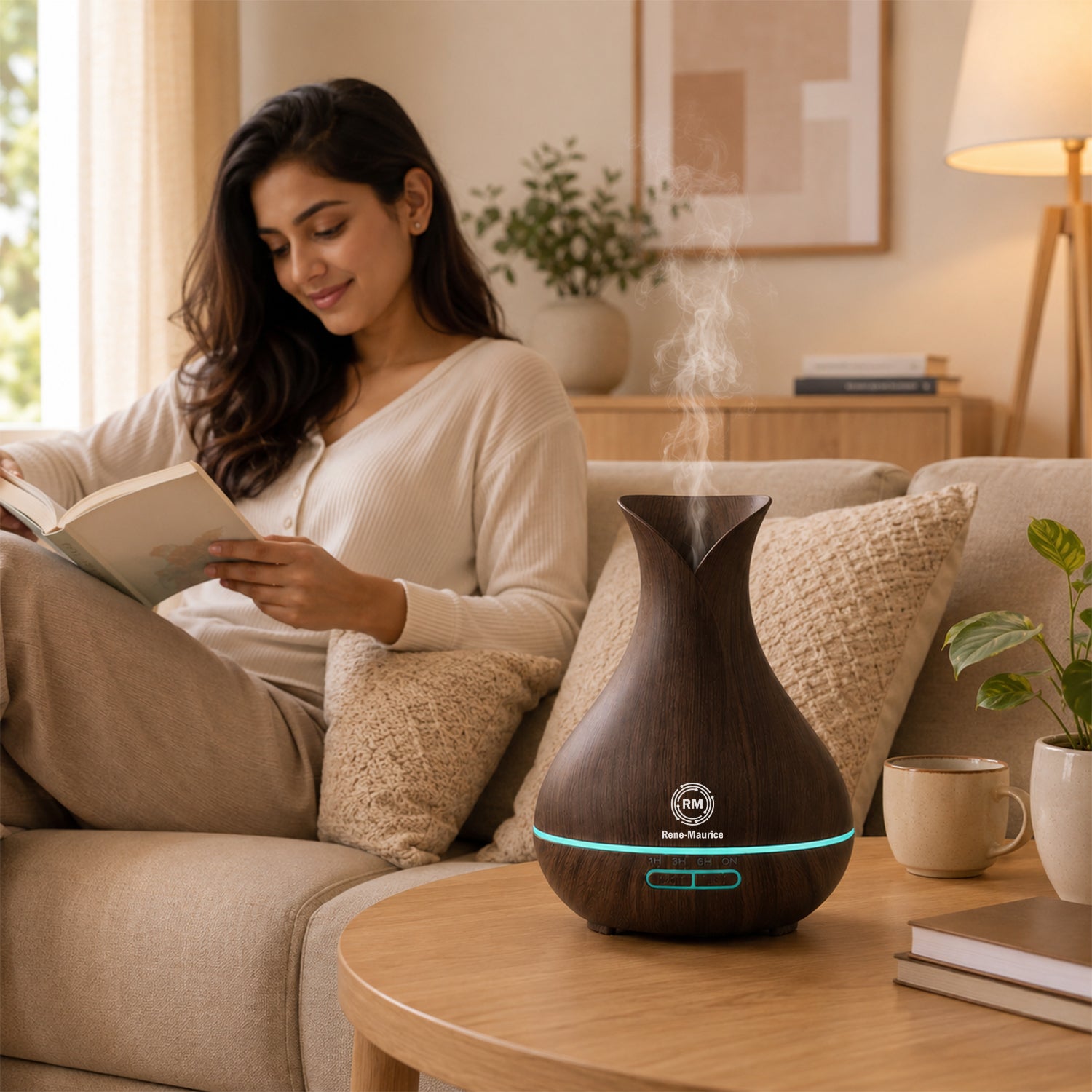
In this blog, we’ll show you how to clean a humidifier at home step by step, in the easiest way possible. The humidifier shown in this blog is the Sleepsia Humidifier, but these cleaning methods work for most types of home humidifiers.
Recommended Products
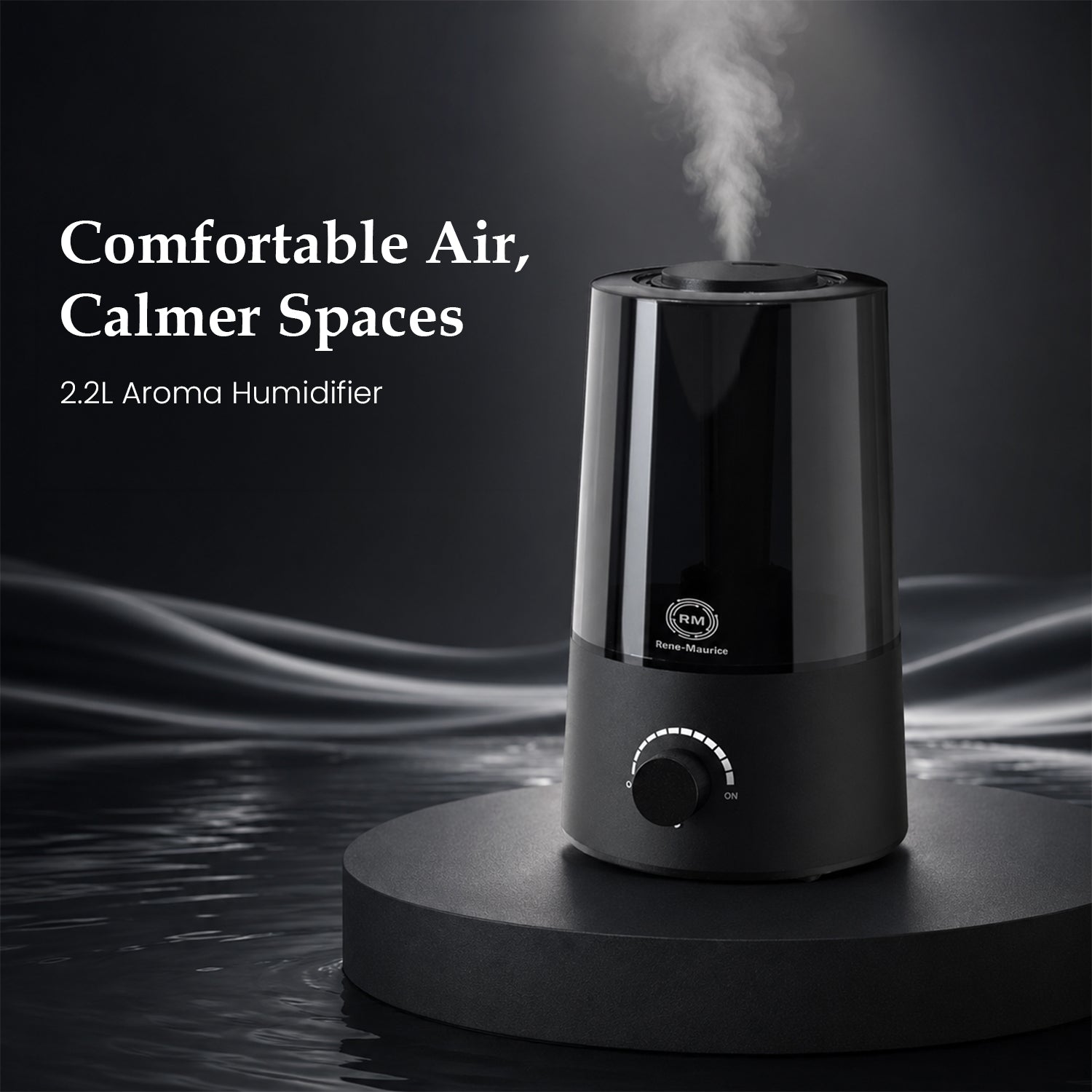
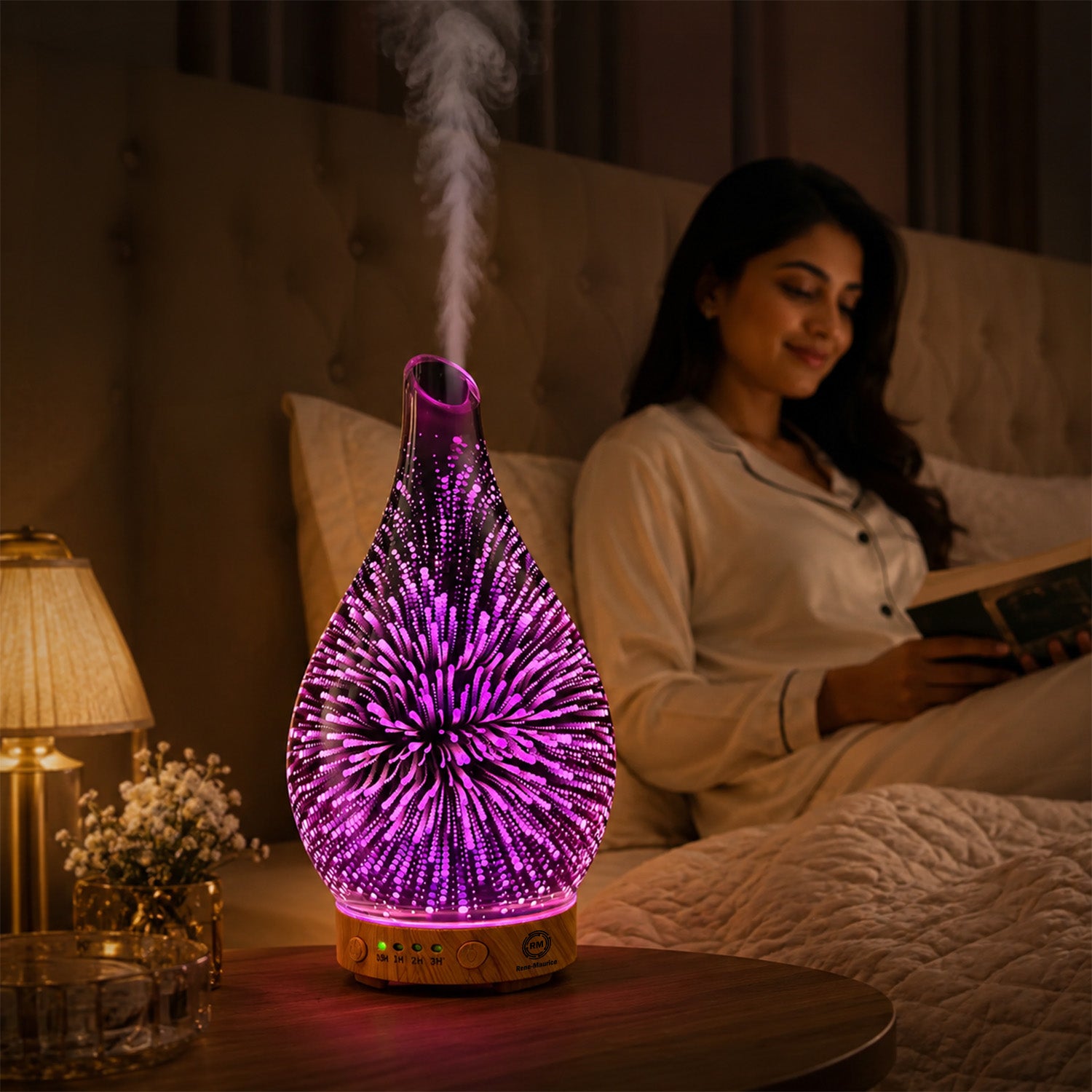

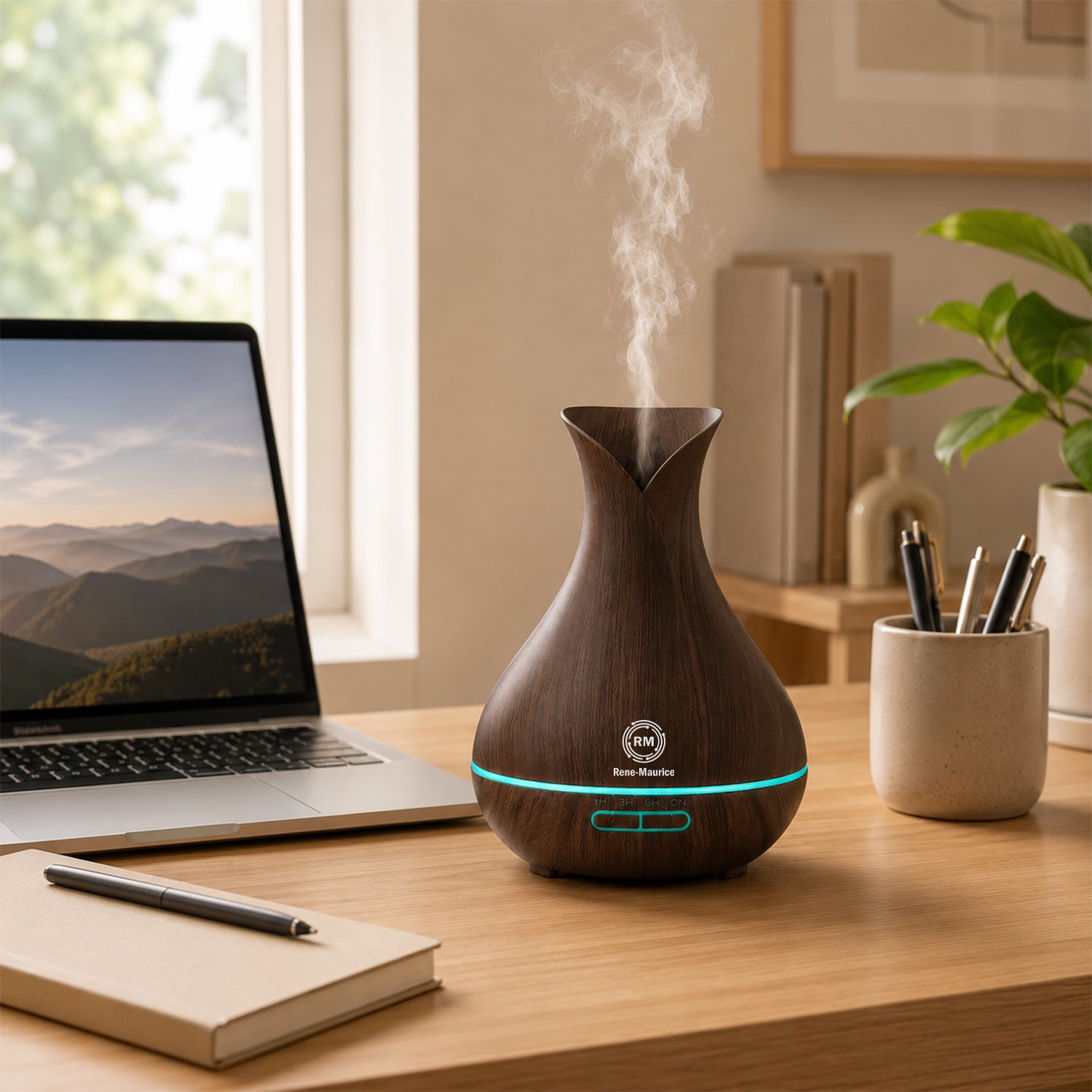


Why Cleaning Your Humidifier is Important
Many people think that simply adding water to a room humidifier is enough. But over time, home humidifiers can develop bacteria, mold, and mineral deposits. This can:
- Cause bad smells from your humidifier for room
- Reduce humidifier use efficiency
- Spread germs in your home
- Damage the water humidifier internally
Regular cleaning keeps your ultrasonic humidifier or cool mist humidifier safe, efficient, and healthy for everyone.
Things You Will Need to Clean Your Humidifier
Before starting, gather these items:
- White vinegar or lemon juice
- Soft brush or cloth
- Water
- Mild dish soap
- Hydrogen peroxide (optional)
- Gloves (optional for sensitive skin)
Step-by-Step Guide: How to Clean Humidifier at Home
Here’s how to clean most types of humidifiers, including ultrasonic humidifier, cool mist humidifier, and water humidifier.
Step 1: Turn Off and Unplug the Humidifier

Always make sure your home humidifier is off and unplugged to avoid accidents. Remove the water tank carefully.
Step 2: Empty the Water Tank

Pour out any remaining water from your humidifier for room. Standing water can quickly develop bacteria.
Step 3: Rinse the Water Tank

Rinse the tank with clean water to remove loose dirt. For mini humidifier units, make sure to use a smaller brush to reach tight spaces.
Step 4: Soak with Vinegar

Fill the tank with 1 part white vinegar and 1 part water. Let it sit for 30 minutes. Vinegar helps dissolve mineral deposits from cool mist humidifier or ultrasonic humidifier.
Step 5: Clean the Base

Use a soft brush or cloth dipped in vinegar to clean the base where the mist comes out. Avoid using harsh chemicals on electric parts.
Step 6: Rinse Thoroughly

After soaking, rinse both the tank and base thoroughly with clean water. Any leftover vinegar can affect the smell and mist quality.
Step 7: Dry Completely

Wipe the tank and base with a clean cloth. Let all parts air dry completely before reassembling. This prevents mold growth in your home humidifier.
How Often Should You Clean Your Humidifier?
Cleaning frequency depends on how often you use it:
- Daily: Empty water, rinse, and dry the tank
- Weekly: Deep clean with vinegar or bleach
- Monthly: Check and clean filters (if applicable)
Even a mini humidifier needs regular cleaning to prevent bacteria buildup.
Tips for Different Types of Humidifiers
Here are some useful tips you can follow while cleaning different types of humidifiers:
1. Ultrasonic Humidifier
Ultrasonic humidifiers create a fine mist using vibrations. Mineral buildup can reduce efficiency. Clean the tank weekly and check the ultrasonic membrane gently with a soft cloth.
2. Cool Mist Humidifier
Cool mist humidifiers are common in bedrooms. They need weekly cleaning because the mist can spread bacteria if the tank isn’t clean. Use vinegar for soaking and a soft brush for scrubbing corners.
3. Water Humidifier
If you have a water humidifier, minerals in tap water can form white deposits. Consider using distilled water to reduce buildup. Clean with vinegar at least once a week.
4. Mini Humidifier
Mini humidifiers are small and portable. They’re easy to clean but can accumulate dirt fast. Daily rinsing and weekly deep cleaning will keep them safe for use.
How to Remove Stubborn Mold and Bacteria from Humidifier at Home
Even with weekly cleaning, mold or bacteria may appear in some hard-to-reach areas of your humidifier for room.
Here’s how to deal with it:
Step 1: Use a Mild Bleach Solution
- Mix 1 teaspoon of bleach with 1 gallon of water
- Pour it into the tank and let it sit for 20 minutes
- Swirl the solution around to reach all corners
Tip: Only use bleach on tanks made of plastic or glass. Avoid electrical parts.
Step 2: Scrub with a Soft Brush
Use a soft brush or an old toothbrush to gently scrub the nooks and crannies. This works especially well for mini humidifiers and ultrasonic humidifiers.
Step 3: Rinse Thoroughly
Rinse several times with clean water to ensure no bleach or chemical residue remains. Residue can affect mist quality and may be harmful if inhaled.
Step 4: Air Dry Completely
Always allow your water humidifier or cool mist humidifier to air dry completely. Moisture left behind can cause mold regrowth.
Extra Tips for Better Humidifier Use
To get the most from your home humidifier, follow these tips:
1. Use Distilled Water
Tap water contains minerals that form white deposits in water humidifiers and ultrasonic humidifiers. Using distilled water reduces cleaning frequency.
2. Avoid Overfilling
Only fill the tank to the recommended level. Overfilling can cause leaks or reduce cool mist humidifier efficiency.
3. Position Properly
Place your humidifier for room on a flat surface, away from walls and electronics. This ensures proper mist distribution and prevents water damage.
4. Rotate Mini Humidifiers
If you use mini humidifiers, move them around occasionally. This prevents concentrated moisture buildup in one area.
5. Use Humidifier Oil Safely
Only add humidifier oil if your model allows. Oils can leave residue and require extra cleaning. Avoid using oils in ultrasonic humidifiers not designed for it.
Conclusion
Cleaning a humidifier at home doesn’t have to be complicated. Whether it’s a mini humidifier, cool mist humidifier, or ultrasonic humidifier, regular care ensures:
- Safe and clean mist
- Efficient humidifier use
- Longer-lasting device
By following this guide, you can easily keep your home humidifier in top condition, protect your family’s health, and enjoy a more comfortable living space.
Pro Tip: Combine daily rinses, weekly vinegar cleaning, and monthly filter checks for the best results.
Back Strain vs Sprain: Symptoms, Recovery Time, Exercises & Prevention
Obstructive Sleep Apnea: What It Is, Causes, Symptoms & Treatment
Recent Posts

Best Sleep Setup for Pregnant Women in Each Trimester

Benefits of Padmasana (Lotus Pose) & How to Practice It

Contour Pillow vs Cervical Pillow: What's the Difference?

Butterfly Pillow vs Standard Pillow: Which Is Better for Neck Pain?

Benefits of Poorvottanasana (Upward Plank Pose) & How to Practice It

Winter Sleep Essentials: Layering Bedsheets and Nightwear

Frozen Shoulder & Nighttime Pain: Pillow Positioning Tips

