

Frozen Shoulder & Nighttime Pain: Pillow Positioning Tips
Frozen shoulder can make nighttime rest difficult because pain, stiffness, and limited shoulder movement can make it hard to find a comfortable position. Staying in one position for several hours can also increase discomfort, especially when the affected shoulder bears pressure or the arm lacks proper support.
Finding the best frozen shoulder sleeping position will help to alleviate extra pressure on the shoulder and allow the arm to rest in a more comfortable position. A pillow for shoulder pain should position the arm more comfortably while sleeping. A wedge pillow can also help support the upper body for patients who cannot lie flat.
This guide covers pillow position options for side and back sleepers with frozen shoulder, how pillow height can influence comfort, what sleeping positions can worsen pain, and when to see a doctor.
Recommended Products


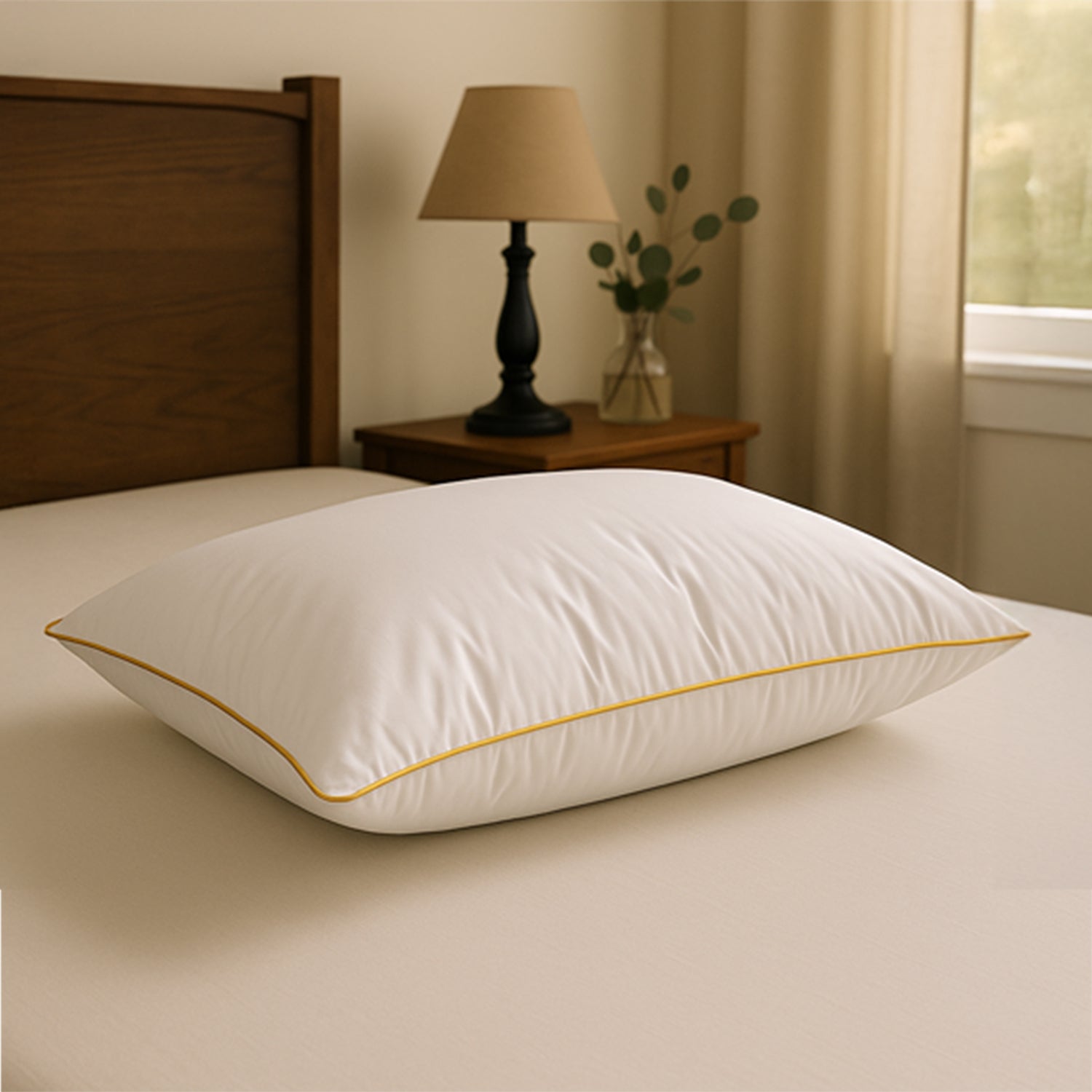





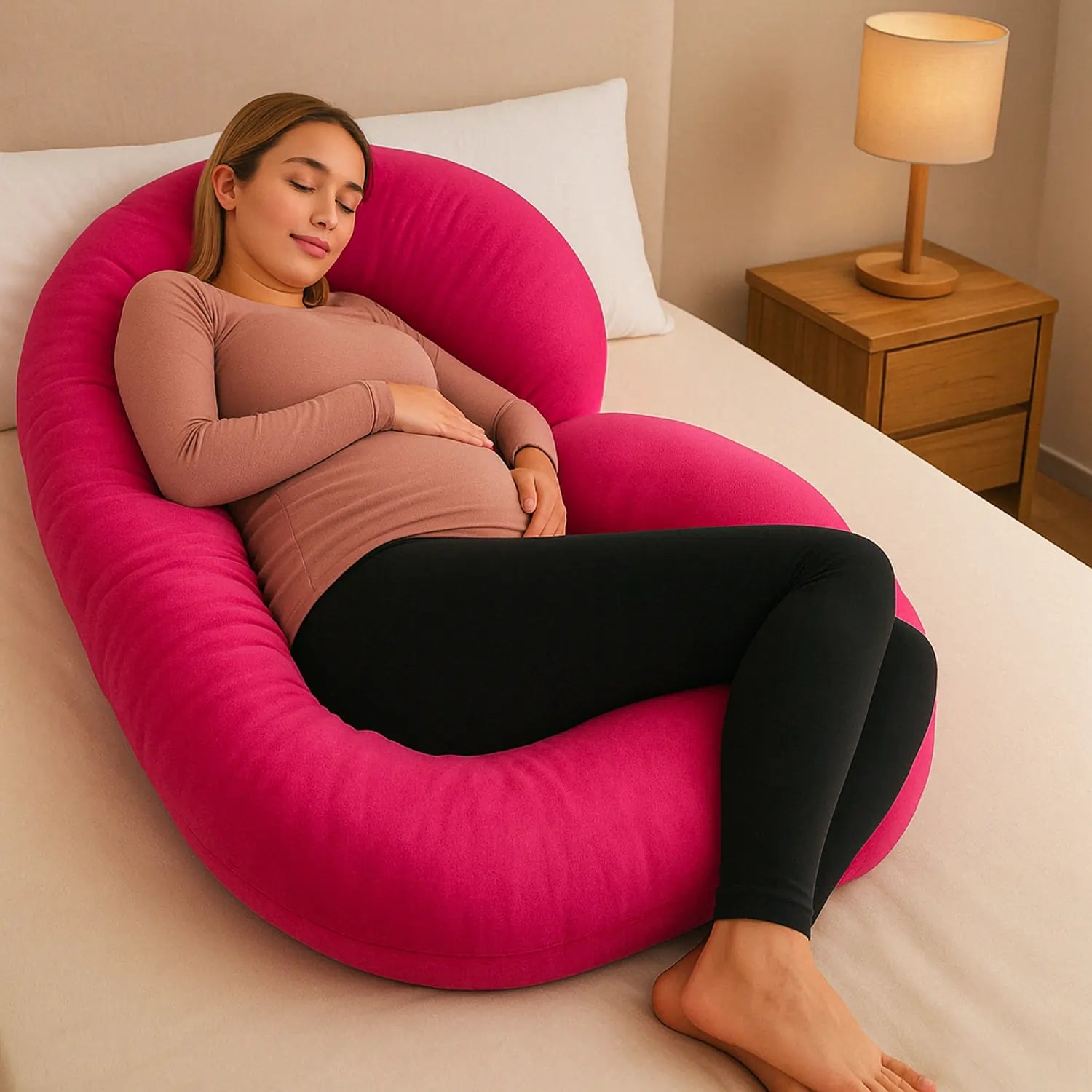

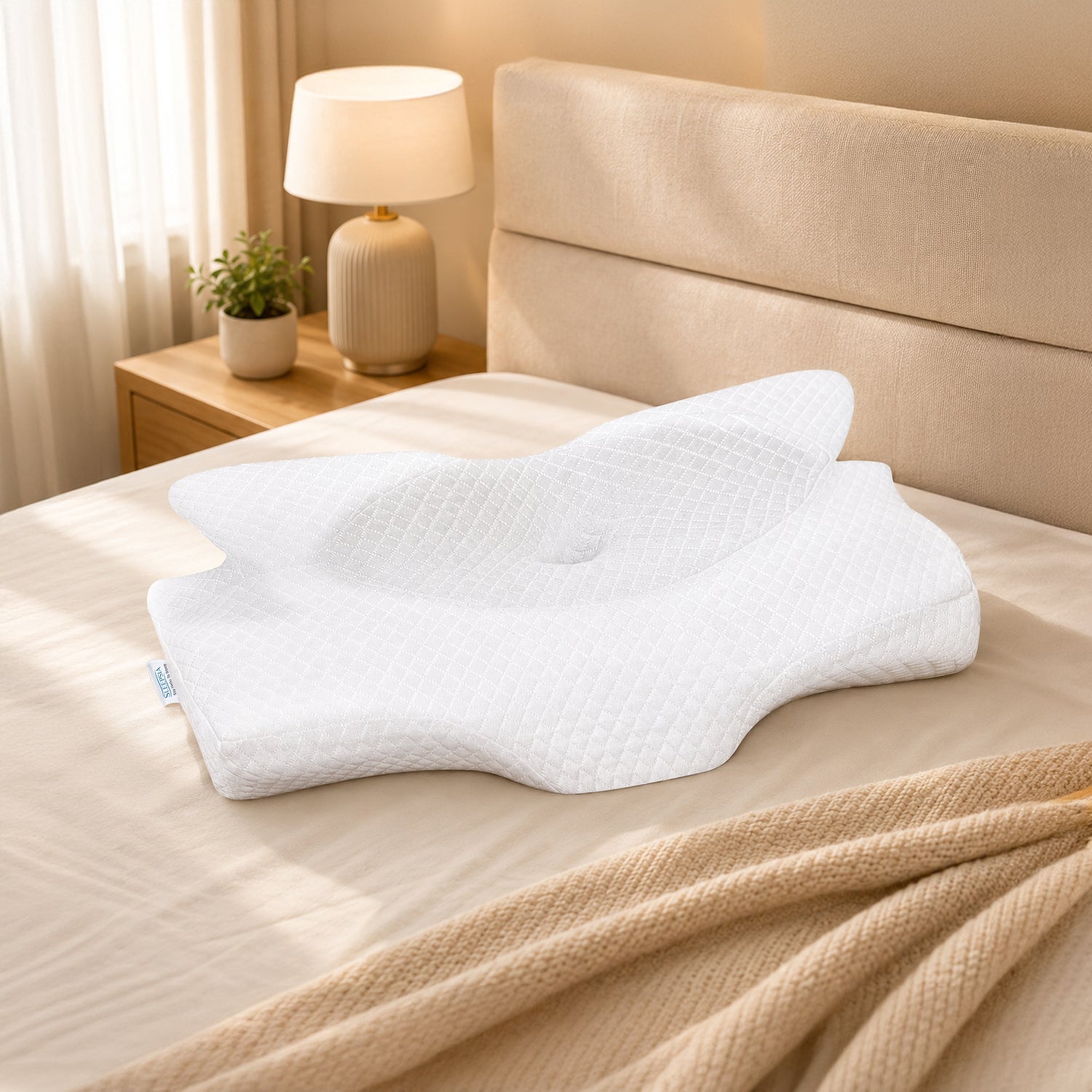


















What Is Frozen Shoulder?
Frozen shoulder, also called adhesive capsulitis, is a condition that causes pain, stiffness, and limited movement in the shoulder joint. It develops when the connective tissue surrounding the joint becomes inflamed and restricts normal motion. This stiffness can make daily activities such as reaching, dressing, lifting, and finding a comfortable sleeping position for the shoulder more painful and difficult.
Why Can Frozen Shoulder Pain Feel Worse at Night?
Frozen shoulder pain can feel more noticeable at night because the shoulder stays still for long periods and can remain in a position that increases discomfort.
The following factors can contribute to nighttime pain:
Prolonged inactivity
Being immobile for several hours can cause stiffness in the shoulder, making it more painful to move into a different position.
Pressure on affected shoulder
Sleeping on the painful side can also increase pressure on the affected shoulder joint.
Poor arm support
An unsupported affected arm can place tension on the shoulder. A suitable pillow for shoulder pain can help support the arm in a more comfortable position.
Uncomfortable position while sleeping
Sleeping in a position that twists the shoulder or pulls the arm away from the body can make nighttime pain worse.
Increased perception of pain
With less daytime activity to focus on, nighttime shoulder pain can be more prominent and perceived as causing sleep disturbance.
Best Sleeping Positions for Frozen Shoulder
A comfortable sleeping position for frozen shoulder can help keep pressure off the affected shoulder while supporting the arm and neck.
Here are the best sleeping positions for Shoulder Pain that can help you rest with less strain and discomfort:
Sleep on your back
Lie flat on your back, gently rest a pillow beneath the affected arm or elbow to support your shoulder. Don’t let the arm fall away from the side of your body.
Sleep on your good side
If you sleep on your side, do so on the side opposite the shoulder that hurts. Lean forward slightly in a supporting posture, with a pillow in front of your chest and the injured arm resting on the pillow to avoid having the shoulder drop forward.
Elevate your upper body
If lying flat increases discomfort, a wedge pillow can raise your upper body and provide a more supported sleeping position. Adjust the angle based on what feels comfortable.
Keep the neck aligned
Use a pillow that supports your head without pushing your neck too far down or to either side. If properly aligned, it can also lead to a more comfortable overall sleeping position.
Do not force the shoulder into one position
Select a position that keeps the affected shoulder and arm relaxed. If remaining in one position makes you stiff, do so gently.
Pillow Positioning for Side Sleepers
For side sleepers, the key is to avoid putting pressure on the affected shoulder and to support the arm so it does not pull the shoulder forward. Use the following frozen shoulder pillow position to maintain a more comfortable posture:
Sleep on the unaffected side
Keep the painful shoulder facing upward rather than resting directly on it. This reduces direct pressure on the affected shoulder.
Place a pillow in front of your chest
Place a supportive pillow under the affected arm and forearm. This maintains support of the arm and prevents the shoulder from rolling forward.
Keep a slight bend in the elbow
A relaxed, slightly bent elbow will allow the arm to be supported comfortably without forcing the shoulder in an elevated or extended position.
Support your head and neck
Use a cervical pillow that keeps your head aligned with your spine. A contoured design can provide support while preventing the neck from bending excessively toward the mattress.
Avoid excessive pillow height
A pillow that is too high can tilt the neck and upper body, while one that is too low can allow the head to drop toward the mattress. Choose a height that keeps the head and neck in a neutral position.
Add support between the knees
Placing a pillow between the knees can help maintain a stable side-sleeping posture and reduce unnecessary twisting through the torso.
What is the Ideal Pillow Positioning for Back Sleepers?
For back sleepers, the best frozen shoulder pillow position keeps the head and neck aligned while supporting the affected arm without forcing the shoulder into an uncomfortable angle.
Use these pillow placement techniques for better support:
Place a pillow under the affected arm
Position a small, supportive pillow under the elbow and forearm to prevent the arm from falling backward or outward. This can reduce tension on the shoulder while you sleep.
Keep the elbow slightly bent
A relaxed bend at the elbow helps the arm rest naturally without placing unnecessary strain on the shoulder joint.
Support the head and neck
Use a cervical pillow that fills the space between the neck and mattress while keeping the head in a neutral position. Avoid pillows that push the head too far forward.
Add support under the knees
To support the lower half of the body and help remain in a supine sleeping position, place a pillow underneath the knees.
Avoid having the affected arm overhead
Keeping the arm elevated for long periods of time can be painful and can make it difficult to change positions comfortably.
Consider upper-body elevation
If lying completely flat increases discomfort, a wedge pillow can elevate the upper body. Choose an angle that feels comfortable without forcing the neck or shoulder into an awkward position.
How to Use a Wedge Pillow for Shoulder Support?
A wedge pillow can elevate the upper body and can provide a more comfortable position when lying flat increases frozen shoulder discomfort. Positioning the wedge correctly can also help you support the affected arm without placing unnecessary pressure on the shoulder.
Place the wedge under the upper back
Position the wider end beneath the upper back and shoulders so the torso rests on a gradual incline. Keep the shoulders supported without placing the body at a sharp angle.
Support the affected arm
Place a support pillow under the elbow and forearm so that the affected arm rests comfortably. Do not allow the arm to drop or drift behind or away from the body, and keep the elbow gently flexed.
Keep the neck neutral
If your wedge does not provide enough head and neck support, place a suitable pillow above it. Select a height that preserves alignment of the head with the spine rather than tucking the chin down toward the chest.
Avoid direct pressure on the painful shoulder
Position the wedge and supporting pillows so the affected shoulder remains relaxed instead of bearing your body weight.
Choose stable support
A wedge made with memory foam and high-resilience foam can provide a stable base for upper-body elevation. Some wedge pillows also include cooling gel for temperature management.
Adjust the incline for comfort
Use an elevation that supports your upper body without creating more tension in the neck, back, or shoulder. If the position increases the pain, change the angle or return to a flatter position.
How Pillow Height Can Affect Comfort
Pillow height can affect shoulder and neck comfort by changing the alignment of your head, neck, and upper body during sleep. The right height depends on your sleeping position, body shape, and the amount of support needed around the affected shoulder.
A pillow that is too high
A thick pillow can also tilt the neck away from the spine or push the head forward. Too much height can alter how the neck, shoulders, and head align for side sleepers, as well.
A pillow that is too low
A low pillow can cause the head to drop towards the mattress, putting the neck in an awkward position and drastically affecting posture in general.
Side sleepers need adequate height
Choose a pillow that fills the space between the head and mattress while keeping the neck aligned with the spine. A cervical pillow with a contoured design can provide targeted head and neck support.
Back sleepers generally need less height
A flatter pillow can prevent the head from lurching too far forward. Place an additional pillow under the arm or elbow that is causing shoulder discomfort.
Arm support height should be different
The pillow for the affected arm should keep the arm relaxed, without raising the shoulder. Make it thick enough that the elbow and forearm can both rest on it without additional tension.
Check your alignment
When lying in your preferred frozen shoulder sleeping position, your head should remain level, your neck should stay neutral, and the affected shoulder should not feel compressed or pulled.
What are the Sleeping Positions to Avoid for Frozen Shoulder?
Certain sleeping positions can increase the discomfort of frozen shoulder by putting pressure on the affected shoulder, leaving the arm unsupported, or holding the shoulder in an uncomfortable position.
Consider avoiding these positions if they increase your pain:
Sleeping on the affected shoulder
Direct pressure from your body weight can increase discomfort and make it harder to rest.
Keeping the affected arm overhead
Holding the arm above the head for a prolonged period can aggravate discomfort, particularly when the position feels strained or restricted.
Letting the affected arm fall forward without support
Sleeping on the unaffected side: An unsupported arm can pull the shoulder forward while sleeping. Support the arm and forearm on a pillow.
Stomach sleeping if it exacerbates the pain
Stomach sleeping makes it difficult to maintain a neutral position for the neck and shoulders and could leave the affected arm in an awkward position. If this position feels comfortable and does not evoke symptoms, there is no reason to avoid this position because of frozen shoulder.
Sleeping with a pillow that is too high
Height can push the head and neck out of alignment and impact overall sleep posture.
Staying in any painful position
Do not force yourself to remain in a recommended position if it increases shoulder pain. Adjust the pillows or change positions to find a more comfortable frozen shoulder sleeping position.
Tips for More Comfortable Sleep
The right pillow support and nighttime routine can make sleep more comfortable when frozen shoulder causes pain or stiffness. Along with choosing a suitable sleeping position for shoulder pain, use these practical tips:
Support the affected arm
Use a pillow to support the elbow and forearm to avoid any pulling on the shoulder. Do not try to stretch or splay the arm, forcing it to the side or up above the head.
Maintain neck alignment
Use a pillow that keeps your head and neck in a neutral position. A cervical pillow can add support for side and back sleeping.
Use a pillow that keeps its shape
The stable support will help maintain the position of the head, neck, and arms during the night. Microfiber can feel soft, and memory foam can feel supportive.
Keep the bedroom comfortably cool
A comfortable temperature can make it easier to sleep when pain already disrupts rest. Pillows with cooling gel can also help manage heat around the head and neck.
Change positions gradually
Move the affected arm and shoulder slowly when changing positions. Avoid sudden movements that increase pain or stiffness.
Use a consistent bedtime routine
Going to bed and waking up at similar times can support regular sleep when nighttime shoulder pain disrupts your usual routine.
Follow your healthcare professional's advice
If your doctor has advised you to do exercises, take medication, or other treatment, follow that recommendation in addition to changing your position for sleeping.
Don’t force a painful position
Pillow support should help a comfortable position. If any position increases pain, persist by adjusting the pillows or by changing positions.
Note: Pillows can support a more comfortable sleeping posture, but they do not treat or cure frozen shoulder.
When to Seek Medical Advice?
For frozen shoulder, seek medical advice when pain, stiffness, or limited movement persists, worsens, or interferes with sleep and daily activities.
Here are the signs that indicate it can be time to consult a healthcare professional:
- Persistent Nighttime Discomfort
- Increasing Shoulder Stiffness
- Reduced Range of Motion
- Limited Relief From Home Care
- Sudden or Intense Shoulder Pain
- New Arm or Hand Symptoms
- Shoulder Pain After an Injury
- Difficulty With Everyday Movements
Conclusion
For frozen shoulder and nighttime pain, sleeping on the unaffected side or back, supporting the affected arm with a pillow, maintaining proper pillow height, and using a wedge pillow when needed can help reduce pressure and improve sleeping comfort. The right frozen shoulder pillow position should keep the shoulder relaxed without forcing the arm into a painful position.
Side sleepers can put a pillow under the affected arm while lying on the opposite side, while back sleepers can support the elbow and forearm with a pillow. A cervical pillow helps align the head and neck; a wedge pillow allows the person to lie flat but with the upper body elevated. Do not sleep on the painful shoulder or keep the affected arm in a strained position.
Ready to improve your nighttime support? Visit Sleepsia and explore our range of Cervical Pillows, Wedge Pillows, and memory foam pillows to find the support that fits your sleeping position and comfort needs.
FAQs
Q1: Why does frozen shoulder pain often disturb sleep?Ans: Frozen shoulder pain can disturb sleep because stiffness and discomfort can become more noticeable during prolonged periods of rest.
Q2: How long can frozen shoulder symptoms last?Ans: Frozen shoulder symptoms can persist for several months to a few years, with the duration varying between individuals.
Q3: Can frozen shoulder develop after surgery?Ans: Yes, frozen shoulder can develop after surgery, particularly when shoulder movement remains restricted during recovery.
Q4: What daily activities can become difficult with frozen shoulder?Ans: Activities such as reaching overhead, dressing, fastening clothing, and reaching behind the back can become difficult when shoulder movement is restricted.
Q5: Can frozen shoulder affect sleep even when the pain is mild during the day?Ans: Yes, nighttime discomfort can interfere with sleep even when daytime shoulder pain feels relatively manageable.
Q6: What are the main stages of frozen shoulder?Ans: Frozen shoulder typically progresses through freezing, frozen, and thawing stages, with pain and stiffness changing as the condition develops.
Q7: How can you tell if shoulder stiffness needs medical evaluation?Ans: Persistent or worsening stiffness, significant loss of movement, or pain that interferes with daily activities warrants medical evaluation.
Q8: Can an old shoulder injury lead to frozen shoulder?Ans: Yes, a previous injury can contribute to frozen shoulder if it results in prolonged restriction of shoulder movement.
Q9: What makes frozen shoulder different from ordinary shoulder stiffness?Ans: Frozen shoulder causes progressive stiffness and restricted shoulder movement that can significantly limit the joint's normal range of motion.
Q10: How long does the painful stage of frozen shoulder last?Ans: The painful stage can last for several months, although its duration varies from person to person.
Q11: Can frozen shoulder interfere with work?Ans: Yes, frozen shoulder can make work tasks difficult when they require reaching, lifting, carrying, or repeated shoulder movements.
Q12: When should nighttime shoulder pain be evaluated?Ans: Nighttime shoulder pain should be evaluated when it persists, worsens, repeatedly disrupts sleep, or occurs with significant loss of shoulder movement.
Benefits of Paschimottanasana (Seated Forward Bend Pose) & How to Practice It
Winter Sleep Essentials: Layering Bedsheets and Nightwear
Recent Posts

Benefits of Paschimottanasana (Seated Forward Bend Pose) & How to Practice It

Long Pillow for Bed: Benefits & Who Should Use One

Double Bed Sheet with Pillow Cover: How to Choose the Right Bedding Set

Benefits of Janu Shirasana (One-Legged Forward Bend Pose) & How to Practice It

Back Support Pillow for Office: Why It Matters for Long Sitting

