
Winter Sleep Essentials: Layering Bedsheets and Nightwear
Long, cold winter nights can be uncomfortable when your bedsheets are not warm enough, or your nightwear is too hot. The careful selection of these layers contributes to a comfortable sleep environment that does not feel heavy or overly warm.
To set yourself up for the best winter sleep, you’ll want breathable bedding, warm bedsheets, comfortable sleepwear that insulates without being rigid, and a cozy bedroom. But a warm bedsheet isn’t going to solve all your winter sleep issues. Your comfort through the night will also be impacted by the fabric and construction of your sleepwear, as well as what you wear to bed. Small changes, from the best winter bedsheets to winter-friendly nightwear, can help make your bed more conducive to winter temperatures.
This guide explains the best winter sleep essentials, how to choose winter bedsheets and nightwear, layer them effectively, and create a warmer, more comfortable sleep setup.
Recommended Products




Why Sleep Comfort Matters in Winter?
The right winter bedding combines warmth, breathability, and comfort, while suitable nightwear helps maintain a comfortable body temperature throughout the night.
Here are the key factors that make winter sleep more comfortable;
Balanced warmth
Good bedsheets and sleepwear will keep you warm but not so warm that the bedding feels oppressive.
Improved breathability
Breathable fabric allows airflow and wicking of moisture when your temperature rises while sleeping.
Freedom to move
Soft and supple sleepwear and light bedding allow you to easily shift positions without being weighted down.
Comfortable sleep environment
Soft textures and appropriate fabrics will help the bed feel cozier and warmer during cold seasons.
Flexible layering
Using separate bedding layers makes it easier to add or remove warmth as the temperature changes.
Best Bedsheet Materials for Comfortable Winter
The best winter bedsheets should provide warmth without making you feel overheated or uncomfortable during the night. Cotton and satin are the two best bedsheets for winter that can suit different winter sleep preferences.
Cotton
Cotton bedsheets offer softness, breathability, and durability, making them a practical choice for winter. They provide a comfortable sleeping surface while allowing airflow throughout the night.
Satin
Satin bedsheets have a smooth, silky texture that can add a soft and luxurious feel to winter bedding. They work well for sleepers who prefer a sleek surface and a comfortable feel against the skin.
How to Layer Bedsheets for Winter
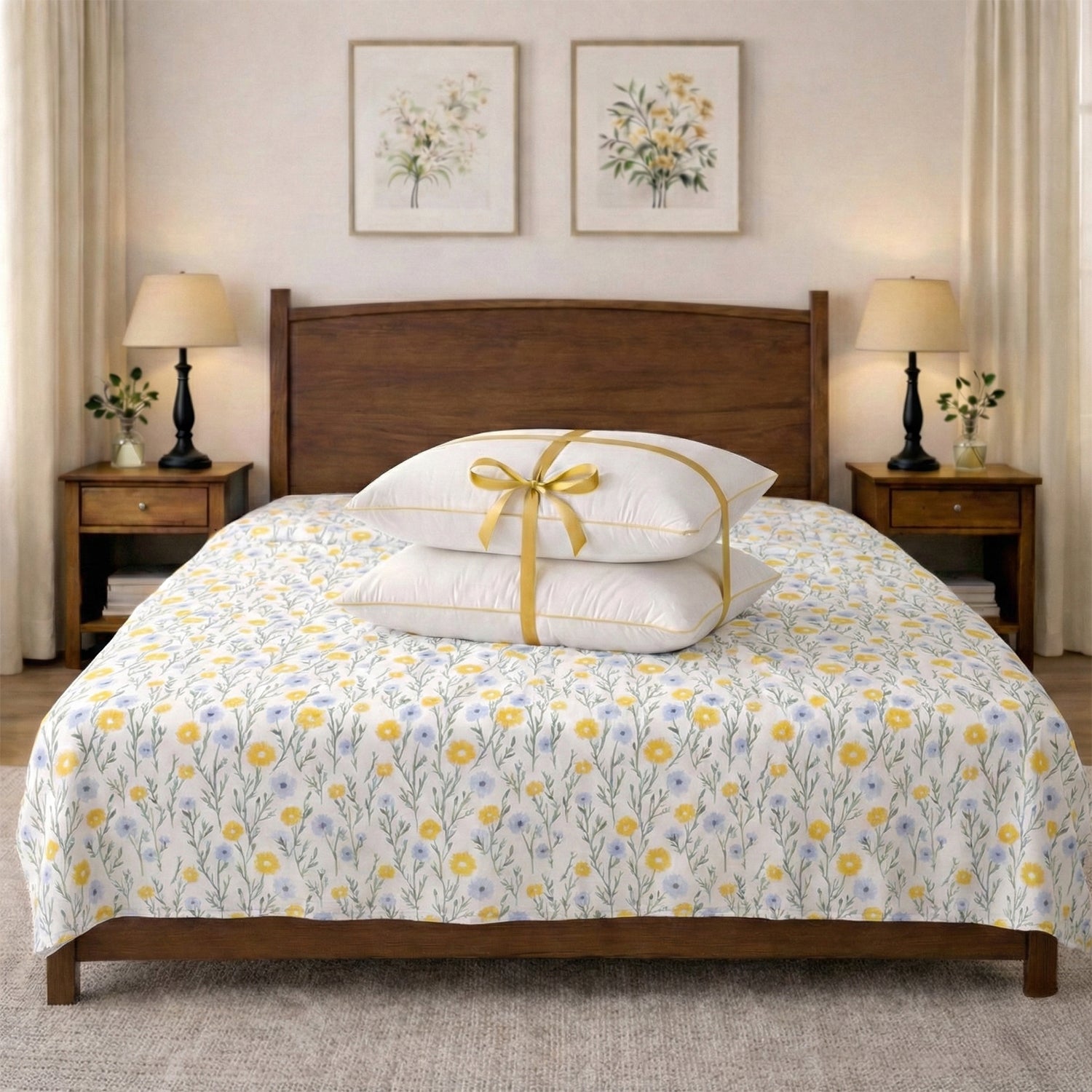
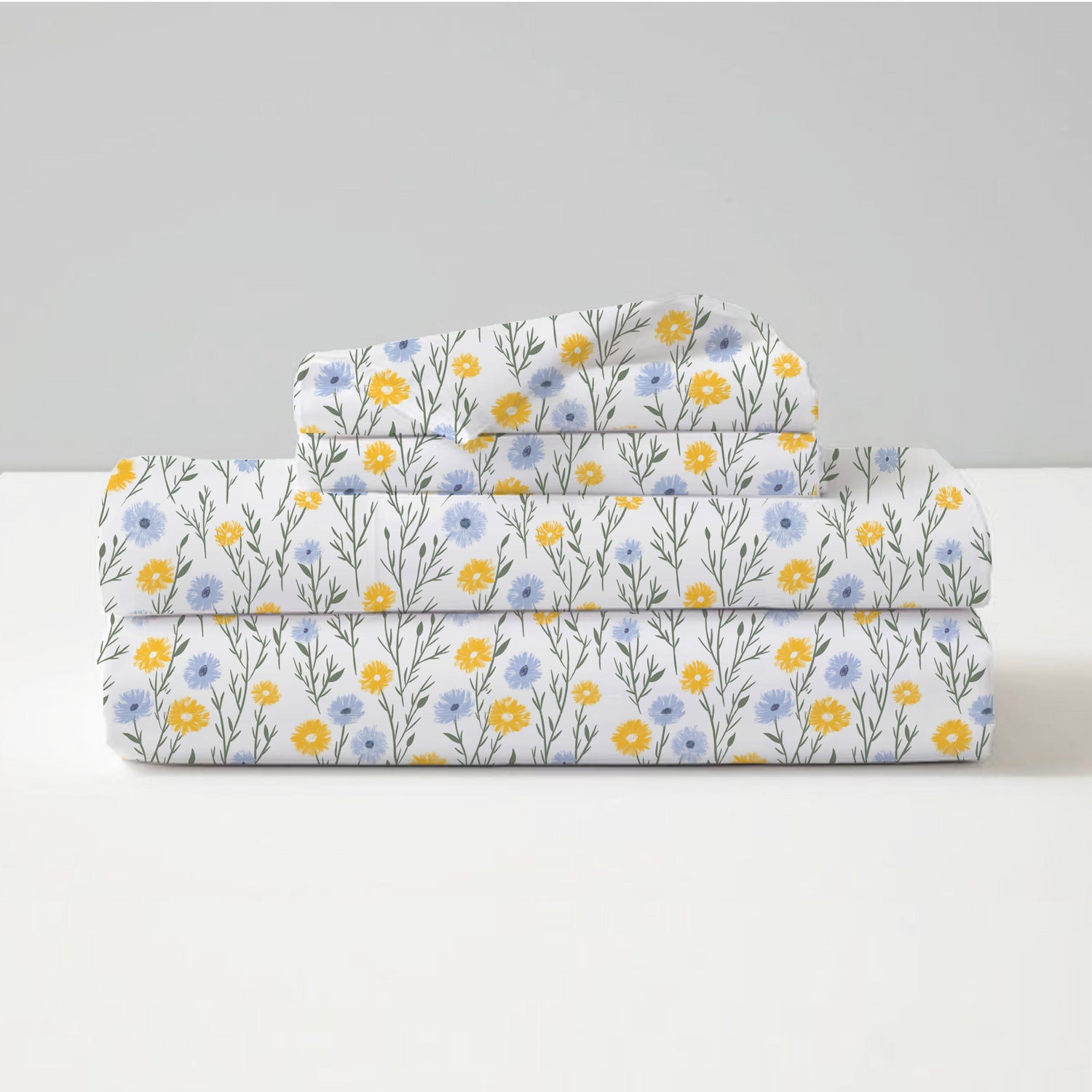
The best way to layer bedsheets in winter is to build warmth gradually, starting with a comfortable base sheet and adding bedding layers according to the room temperature and your sleep preferences.
Start with a fitted sheet
Place a soft, breathable fitted sheet directly over the mattress to create a comfortable base layer.
Add a flat bedsheet
Layer a flat bedsheet over the fitted sheet for added comfort. Choose a material that feels soft and suits your preferred level of warmth.
Add a blanket or comforter
If you need more insulation, place a blanket or comforter over the bedsheet. Pick the weight according to room temperature and your own sleeping preferences.
Add a cooler layer for chilly nights
When it gets even colder, add a lightweight blanket rather than relying on one heavyweight layer. It is also easier to adjust the warmth.
Keep the layers adjustable
Less is more. Don’t try to pile on the heavy layers all at once. Bedding that zips off gives you options for temperature at night.
Add the pillow covers
Use soft pillow covers that coordinate with your winter bedding and will cushion your head and face.
How to Choose the Right Winter Bedsheet
The right winter bedsheet should suit your bedroom temperature, sleeping preferences, mattress size, and preferred level of warmth. Consider these factors before buying the best bedsheets for winter.
Consider the room temperature
Choose your bedding based on how cold your bedroom gets. A cooler room can require a warmer bedding setup, while moderate winter temperatures need only warm bedsheets with a blanket.
Check the fabric feel
The sheet is against your skin for hours, so pick a sheet with a texture you consider soft and comfortable, not just one that looks good.
Pick the right size
Choose a bedsheet size that fits your mattress size and depth. The one that is right helps the sheet to lie flat without too much bunching or too much loose fabric.
Consider fabric weight and weave
The weave and weight of the fabric will also have an impact on the feel of a bedsheet, how it breathes, and how it accommodates winter bedding layers.
Look for breathability
Select breathable, airflow-friendly bedding, especially if you sleep warm. This also helps you not feel that the bed is too hot when adding blankets.
Verify care instructions
Check washing and drying instructions before purchasing. Easy-care bedsheets are more practical for everyday use and care.
Consider your layering
Pick a sheet that will feel comfortable under the blankets or comforters you prefer to sleep with. That provides more options as temperatures shift.
Best Nightwear for Cold Weather to Stay Comfortable
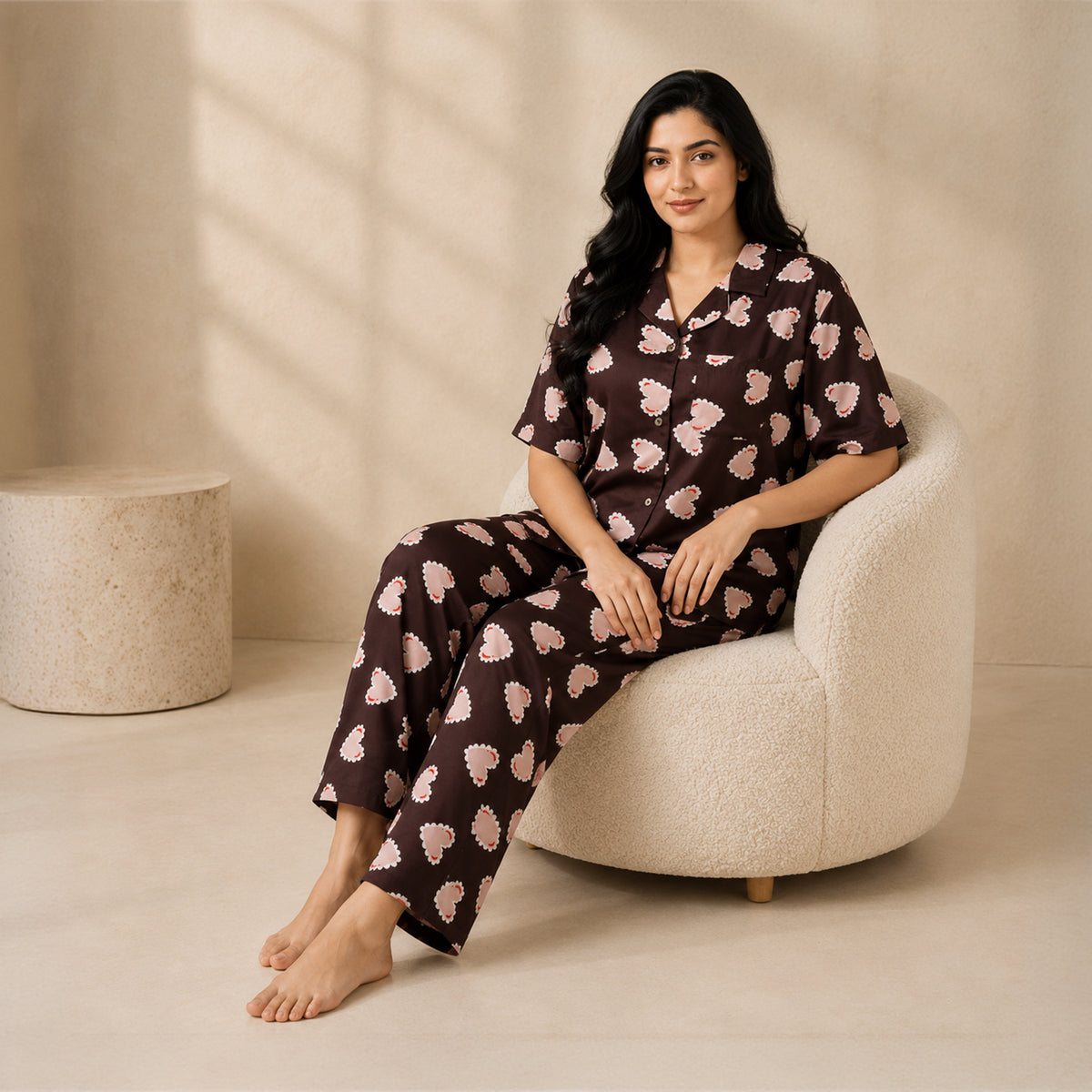
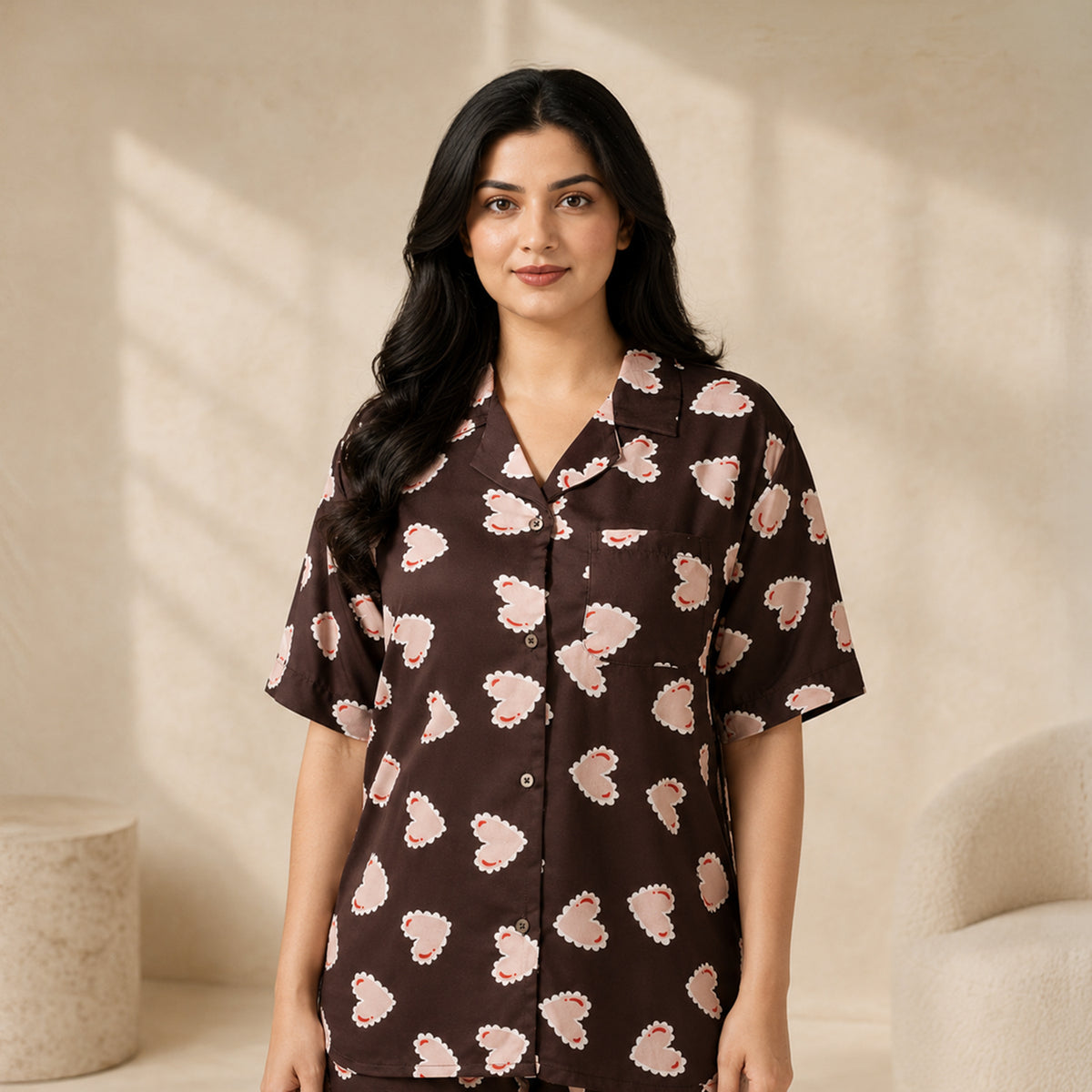
The best winter nightwear should provide enough warmth and coverage while remaining comfortable enough for movement during sleep. Flannel, brushed cotton, and fleece are suitable winter sleep essentials for colder nights, while full-sleeve and full-length styles provide additional coverage.
Flannel nightwear
Flannel is soft, thick, and designed to retain warmth, making it one of the strongest recommendations for cold winter nights.
Brushed cotton nightwear
Brushed cotton is warmer than normal cotton as the raised fibres trap air. Ideal for cool nights when you want to be warm but not weighed down by heavy pajamas.
Fleece nightwear
Fleece is an excellent, comfortable nightwear for winter, since it is cozy, lightweight, and intended to trap warmth.
Full-sleeve and full-length sets
Longer sleeves and bottoms mean more coverage, practical for chilly bedrooms.
How to Combine Bedsheets and Nightwear for Winter Comfort?
The right combination of bedsheets and comfortable nightwear for winter helps maintain warmth and comfort without making your sleep setup too heavy or hot. Choose both according to the room temperature, fabric feel, and level of coverage you need.
For mildly cool nights
Pair breathable warm bedsheets with full-length but lightweight nightwear for comfortable coverage without excessive warmth.
For colder nights
Combine warmer bedsheets with full-sleeve, full-length nightwear to provide more complete coverage and insulation.
For sleepers who feel warm
Instead of dressing in heavy layers and using heavy sheets, use lightweight sleepwear and breathable layers on the bed.
For cold sleepers
Use warm bedding and pajamas so that you don’t need multiple heavy blankets.
Make it adjustable
Use removable blankets or light pajamas, so you can add or shed warmth as the night temperature shifts.
Consider tactile rather than thermal comfort
Use soft, comfortable, and/or flexible bedsheets and nightclothes that allow for ease of movement during sleep.
Winter Bedding Tips for Better Sleep
The right winter bedding should keep you comfortably warm, allow easy temperature adjustment, and maintain a clean, breathable sleep environment throughout the night.
Pre-warm the bed
Let your bedding reach a comfortable temperature before you get in, especially on particularly cold nights.
Use adjustable layers
Have an additional blanket so you can add or remove warmth without having to change the whole bed.
Avoid excessive layering
Too many heavy layers can trap excess heat and make it harder to sleep comfortably.
Keep bedding dry
Ensure that bedsheets, blankets, and pillowcases are completely dry before use. Wet bedding is clammy and cold.
Select breathable bedding
Choose breathable fabric, especially if you run warm after you fall asleep.
Keep the sleeping surface comfortable
Soft bedsheets and pillow covers can improve the feel of the bed and help you settle into sleep.
Wash bedding regularly
Clean bedsheets and pillow covers help maintain a fresh sleeping environment during the winter months.
Adjust according to your body temperature
Do not rely on a fixed number of layers. Add or remove bedding based on whether you feel cold or overheated during the night.
Common Winter Sleep Mistakes That Can Affect Comfort
Winter sleep can become uncomfortable when bedding and nightwear add too much or too little warmth. Avoid these common mistakes to maintain a comfortable sleep environment throughout the night.
- Using Too Many Heavy Bedding Layers
- Wearing Overly Warm Sleepwear
- Choosing Non-Breathable Fabrics
- Sleeping With Damp Bedding
- Ignoring the Right Bedsheet Fit
- Combining Excessively Warm Bedding and Nightwear
- Overlooking Personal Sleep Temperature
- Neglecting Regular Bedding Maintenance
Conclusion
Layering the right winter bedsheets with comfortable winter sleep essentials can help you stay warm, adjust your bedding easily, and sleep more comfortably through cold nights. Choosing suitable fabrics, using flexible bedding layers, selecting the right bedsheet fit, and matching nightwear to your room temperature can improve overall winter sleep comfort.
Begin with breathable and comfy bedsheets, add warmth with layers you can adjust, and opt for full-coverage nightwear during chilly months. Don’t overdress, wear too many layers, or sleep in fabrics that are irritating.
A cozy sleeping environment doesn’t require a massive, hot, heavy bed; the right bedsheets, winter nightwear, pillow covers, and layering will do the trick.
Ready to make your winter nights warmer and cozier? Visit Sleepsia to explore a wide range of bedsheets, winter nightwear, and pillow covers to create a sleep setup designed for comfort all season long.
FAQs
Q1: How many layers should you use on a bed in winter?Ans: There is no fixed number of layers because the ideal setup depends on your bedroom temperature and personal warmth preference.
Q2: What should you sleep on in winter?Ans: A comfortable, breathable bedsheet paired with suitable winter bedding provides a practical sleeping surface for colder nights.
Q3: Is cotton suitable for winter bedding?Ans: Yes, cotton can work well in winter when you prefer a soft, breathable fabric and adjust warmth with additional bedding layers.
Q4: What should you wear to bed when it is very cold?Ans: Full-sleeve and full-length sleepwear made from warmer fabrics can provide greater coverage in particularly cold conditions.
Q5: How can you make a bed feel warmer without adding more blankets?Ans: Use suitable winter bedsheets, warmer sleepwear, and well-planned bedding layers instead of continuously adding heavy blankets.
Q6: Should winter bedding be different for hot sleepers?Ans: Yes, hot sleepers generally benefit from breathable bedding and lighter sleepwear rather than heavily insulated layers.
Q7: What is the difference between winter bedding and regular bedding?Ans: Winter bedding typically focuses more on warmth and insulation, while regular bedding can prioritize lighter fabrics and airflow.
Q8: How do you choose winter bedding for children?Ans: Choose age-appropriate, comfortable bedding that provides warmth without excessive weight or overheating.
Q9: Can the same bedsheet be used throughout winter?Ans: Yes, you can use the same bedsheet throughout winter when its fabric, comfort, and layering work well with changing temperatures.
Q10: What makes a winter bed comfortable rather than just warm?Ans: A comfortable winter bed balances warmth, breathability, softness, proper fit, and adjustable layers instead of maximizing insulation alone.
Recent Posts

Frozen Shoulder & Nighttime Pain: Pillow Positioning Tips

Benefits of Paschimottanasana (Seated Forward Bend Pose) & How to Practice It

Long Pillow for Bed: Benefits & Who Should Use One

Double Bed Sheet with Pillow Cover: How to Choose the Right Bedding Set

Benefits of Janu Shirasana (One-Legged Forward Bend Pose) & How to Practice It

Back Support Pillow for Office: Why It Matters for Long Sitting

