

Contour Pillow vs Cervical Pillow: What's the Difference?
Choosing between a contour pillow and a cervical pillow can be difficult when both claim to improve neck support and spinal alignment. A pillow that is the wrong shape, height, or firmness can lead to your neck being in a compromised position while you sleep, leaving you with neck pain when you awaken.
A contour pillow is shaped to support the head and neck, and a cervical pillow is designed to support the natural curve of the cervical spine. Along with some overlap in design, these types of pillows differ in neck support and positioning. Although these pillow types can overlap in design, they differ in how they position and support your neck. In this blog, we’ll discuss the contour pillow vs cervical pillow difference and help you choose the best pillow for neck support based on your sleeping position, body structure, and support needs.
Recommended Products



What Is a Contour Pillow?
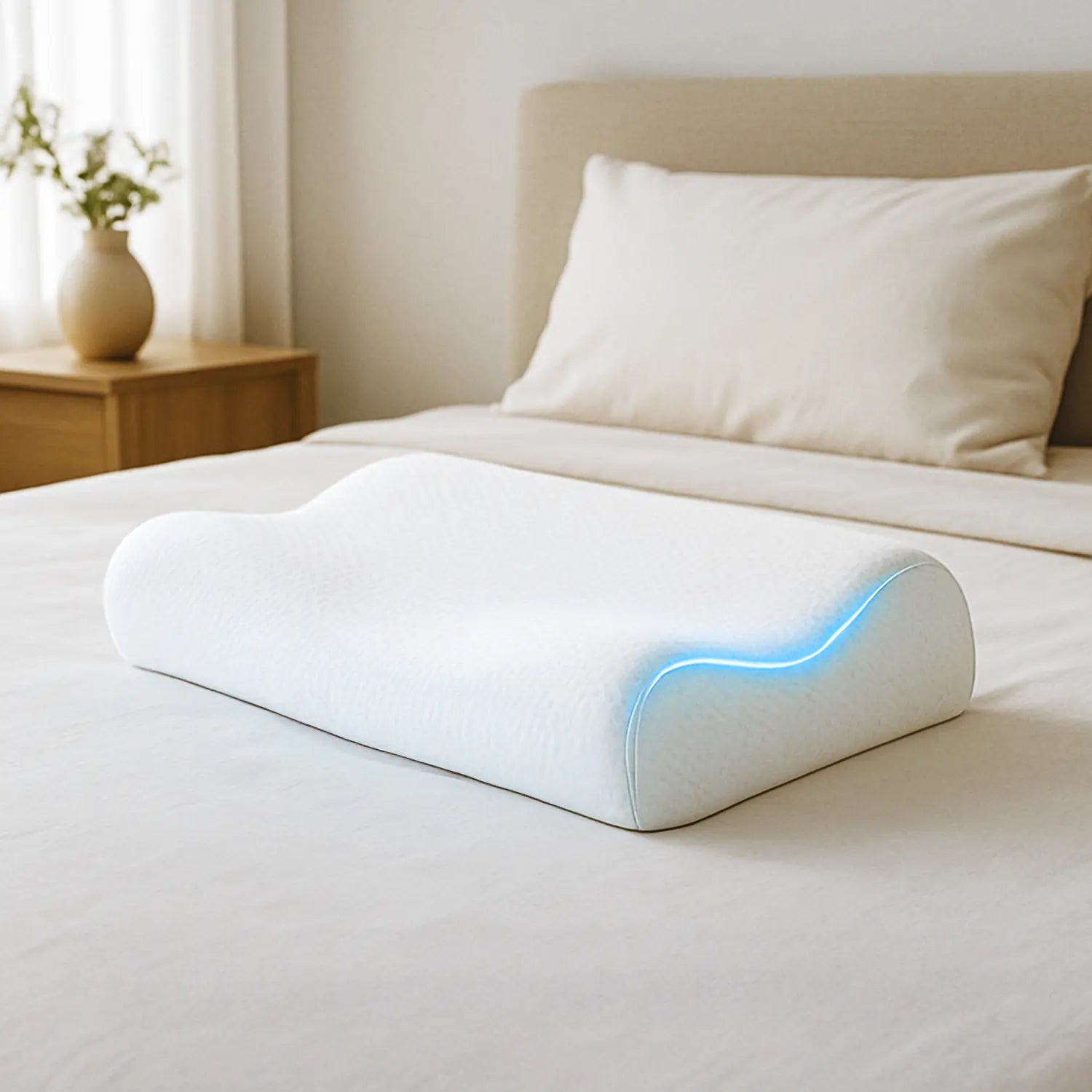
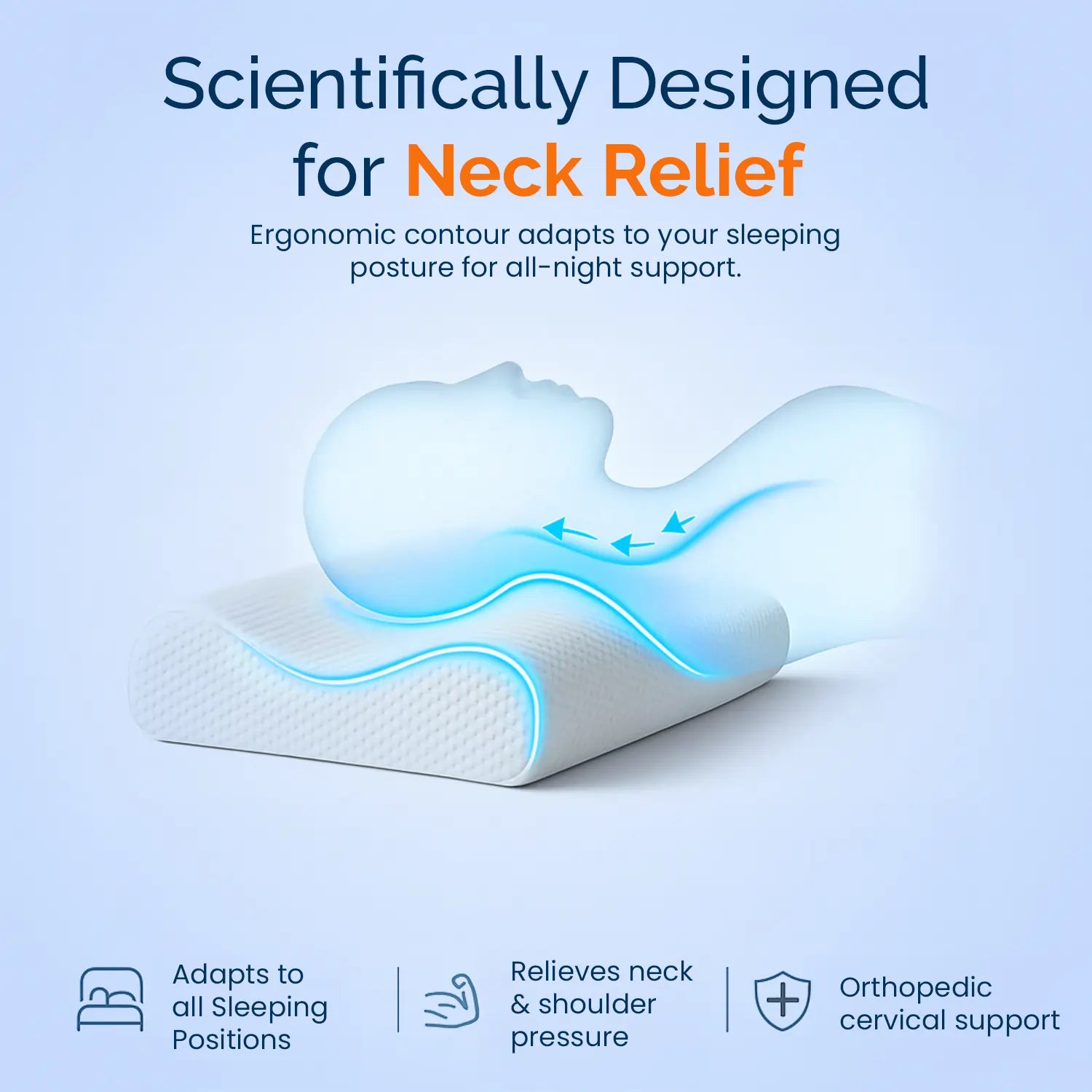
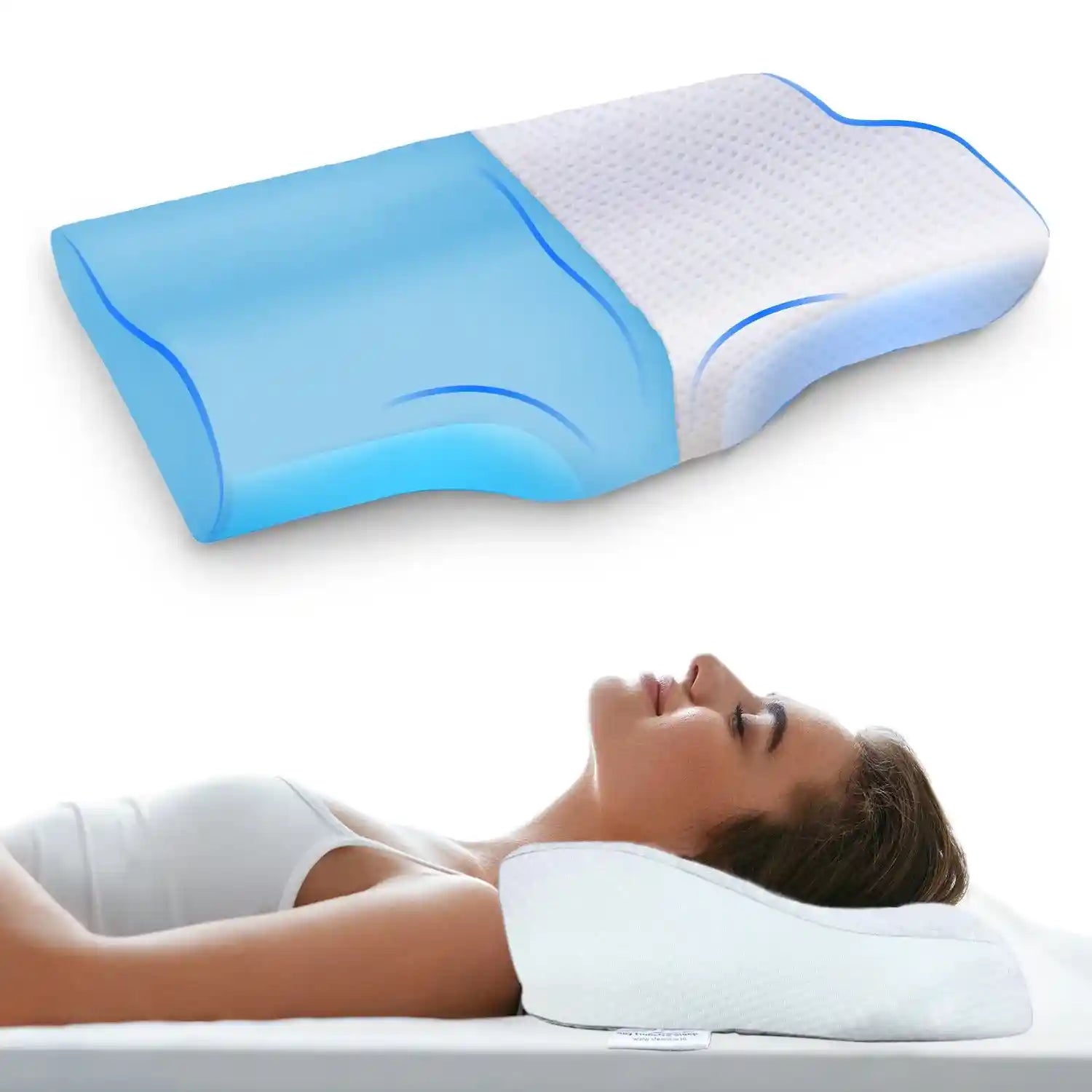
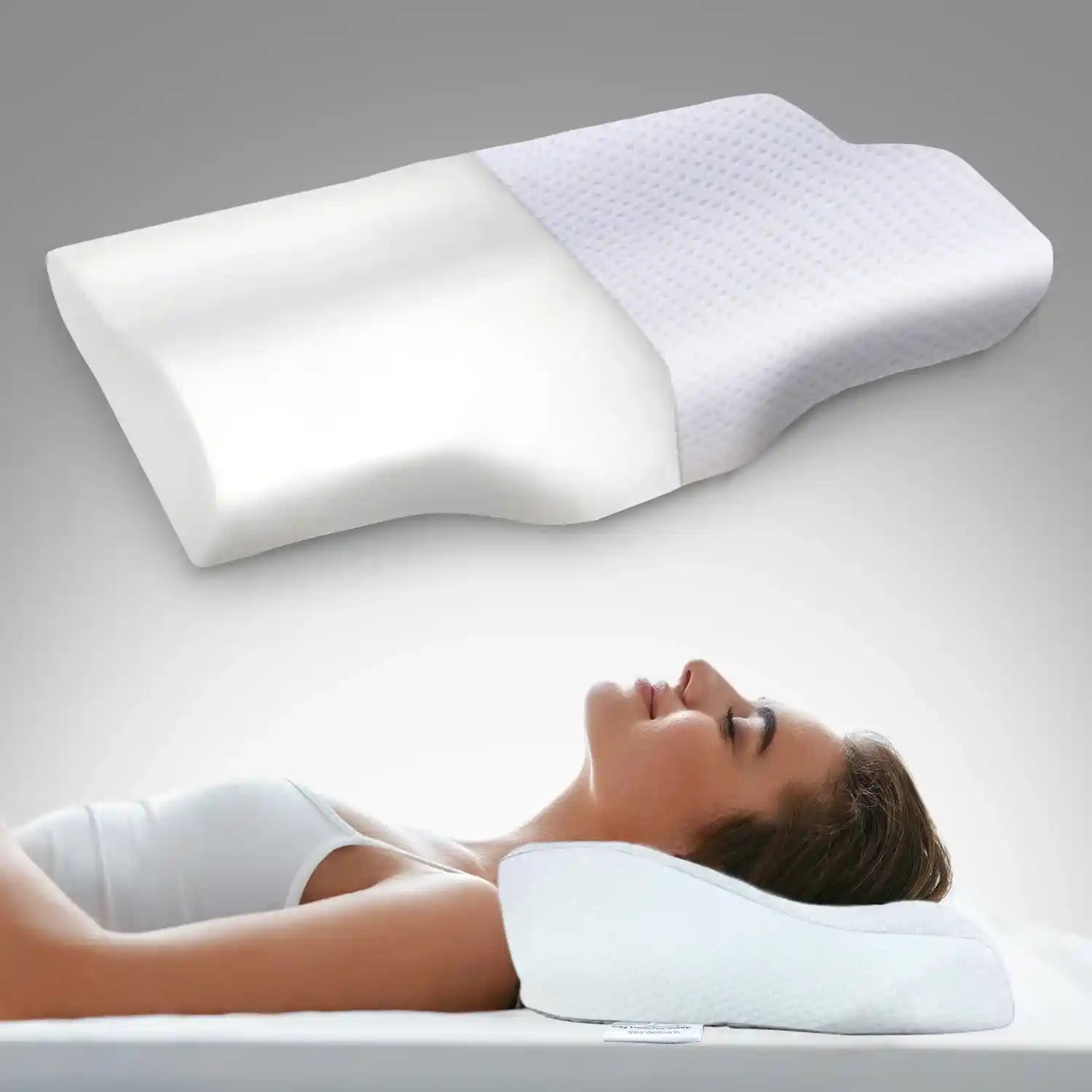
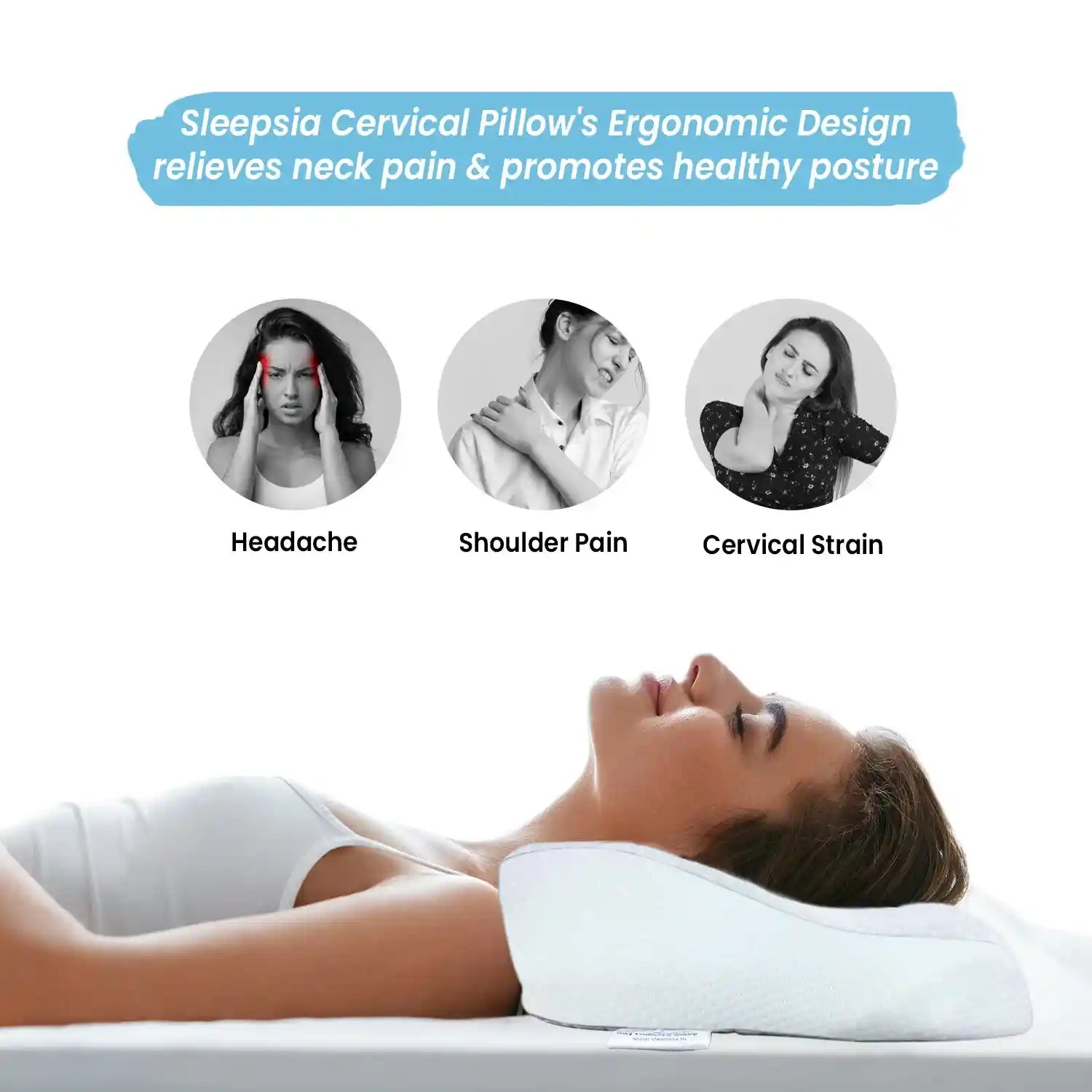
A contour pillow is a specially shaped pillow for the head and neck that allows for a more neutral sleeping position. Unlike a flat conventional pillow, it usually has a curved profile, higher on one side for the neck and lower on the side facing the head.
The elevated rim is situated in the gap between the neck and mattress, while the lowered central portion is designed for the head to rest. Its construction also assists with even support as well as avoiding excessive sinkage of the head into the pillow. Depending on its loft and firmness, a contour pillow can work for back and side sleepers who do better with structure.
What Is a Cervical Pillow?
A cervical pillow is designed to support the natural curve of the neck while keeping the head and neck in a neutral position during sleep. While an ordinary pillow pads primarily the head, a cervical pillow focuses on providing consistent support to the cervical area.
Its shape can be by design. Some cervical pillows are curved, while others employ a low point in the center, elevated support below the neck, or contours to accommodate the natural shape of the head and neck. The goal is to provide enough support so that the neck does not bend too much as you sleep.
Contour Pillow vs Cervical Pillow: Quick Comparison
A Contour Pillow supports the head and neck with a shaped profile, while a Cervical Pillow focuses on maintaining the neck’s natural curve.
Here are the key differences in design, support, firmness, and sleeping position:
|
Feature |
Contour Pillow |
Cervical Pillow |
|
Shape and design |
Usually has raised edges with a lower center that cradles the head and supports the neck. |
Often has a dedicated neck-support area, such as a raised roll, curved section, or central cavity. |
|
Support focus |
Offers support for the head and neck in a position conducive to sleeping |
Focuses more specifically on supporting the natural cervical curve |
|
Firmness |
Includes some cushioning, but also has some structure to help it hold shape |
May be firmer and more structured to provide proper neck support. |
|
Sleeping positions |
Generally works for back and side sleepers, depending on height and contours. |
Not all models are made for the same type of sleeper; suitability depends on whether you’re a back, side, or combination sleeper. |
|
Head positioning |
Uses its lower center to cradle the head between the raised sections |
Positions the head while supporting the area beneath the neck |
|
Primary consideration |
Comfort, head positioning, and structured neck support |
Neck positioning and support for the cervical curve |
What are the Benefits of a Contour Pillow?
A Contour Pillow supports the head and neck with a shaped profile that promotes neutral positioning, distributes pressure, and accommodates back and side sleeping.
Here are the key benefits of using a Contour Pillow for neck support:
· Supports proper spinal alignment
The natural contour of the pillow tends to place the head and neck in a more neutral position, which can lead to better neck alignment while sleeping.
· Distributes pressure evenly
The contoured surface distributes pressure across the head and neck, and fills the void space between the neck and mattress.
· Works well for back and side sleepers
The lower center cradles the head of back sleepers, and the higher edges offer extra support for side sleeping.
· Provides consistent neck support
The raised portion of the neck helps avoid the head sinking in too deep and provides more consistent support throughout the night.
· Offers position-specific support
Varieties with different heights and firmness levels give the sleeper the opportunity to select a pillow by sleeping position and width of shoulders as well as preferred support.
· Helps maintain a stable sleep position
A contour that is properly sized decreases the need for adjusting the pillow or moving the head and neck position while asleep.
What are the Benefits of a Cervical Pillow?
A Cervical Pillow provides targeted neck support and helps maintain a neutral head and neck position during sleep.
The key benefits of a cervical pillow for neck support include:
· Supports proper spinal alignment
The ultra-contoured neck section fills the space between your neck and mattress fills and it helps to maintain a natural cervical curve and a more neutral position of the head.
· Reduces strain from poor positioning
Adequate support in the neck region can help to prevent excessive bending or lateral angling, which can promote undue pressure on the neck while sleeping.
· Supports back and side sleepers
Cervical pillows vary in heights and shapes in order to meet back and side sleeping support needs.
· Provides consistent neck support
It is contoured and designed to keep the neck supported, rather than allowing it to sink into a contoured or too soft center depression.
Which Pillow Is Better for Side Sleepers?
A Contour Pillow can suit side sleepers when its higher edge fills the shoulder-to-neck gap and keeps the head and neck aligned with the spine.
Here are the key factors to consider when choosing a best pillow for side sleeping.
- Choose the Right Pillow Height
- Keep Your Head and Neck Aligned
- Fill the Shoulder-to-Neck Gap
- Select Supportive Firmness
- Consider a Higher Contoured Edge
- Prioritize Neck Comfort
Which Pillow Is Better for Back Sleepers?
A Cervical Pillow can suit back sleepers when its neck-support area maintains the natural curve of the neck without pushing the head too far forward.
- Select a Balanced Pillow Height
- Support the Neck’s Natural Curve
- Keep the Head Properly Centered
- Avoid Excessive Pillow Firmness
- Account for Mattress Firmness
- Maintain a Neutral Head Position
How to Choose the Right Pillow?
The right pillow should complement your sleeping position, body structure, and mattress while providing comfortable head and neck support.
Use these factors to narrow down your choice between a Contour Pillow and a Cervical Pillow:
· Identify Your Support Preference
Pick a contour design if you need wider support for your head and neck support or a cervical design if you want more focused support for your neck.
· Consider Your Body Structure
The width of your shoulders and length of your neck, along with body proportions, can impact the way a pillow supports your head and neck.
· Check the Pillow’s Construction
Check the material, shape, and ability to keep its profile to determine if the pillow can offer consistent support.
· Assess Your Mattress
The degree to which your head and shoulders sink into your mattress can have a major impact on the feel and appropriateness of a pillow’s design for you.
· Consider Adjustable Options
Removable inserts or adjustable filling will help you customize the pillow more easily to your desired level of support.
· Review Care and Durability
Take into account the cover, cleaning directions, and the quality and durability of materials.
Conclusion
The difference between a Contour Pillow vs Cervical Pillow comes down to how each design supports the head and neck, with the right choice depending on your sleeping position, body structure, and comfort needs.
A Contour Pillow offers head and neck support through its shaped design, while a Cervical Pillow is designed to support the natural curve of the neck specifically. To find the best pillow for neck support, consider the height, firmness, shape, construction, and compatibility with your mattress and sleeping position. These qualities can assist you in selecting a good pillow for proper spinal alignment, rather than needing to use the label on the pillow for guidance.
FAQs
Q1: Can you sleep without a pillow if you have neck problems?Ans: Yes, some people can sleep without a pillow, but the appropriate support depends on sleeping position, body structure, and mattress firmness.
Q2: Are contour pillows good for people who change sleeping positions?Ans: Yes, contour pillows can be used by combination sleepers if their shape and height deliver comfortable support for frequently used sleeping positions.
Q3: Can a cervical pillow cause neck pain?Ans: Yes, a cervical pillow can feel uncomfortable if it is too high, firm, or shaped for your body or sleeping position.
Q4: Should a pillow be soft or firm for neck support?Ans: A supportive medium-firm feel often works well, but the ideal firmness depends on how much your head sinks and your preferred comfort level.
Q5: Does pillow material affect neck support?Ans: Yes, pillow material affects neck support by influencing how deeply your head sinks and how consistently the pillow retains its shape.
Q6: Can a pillow change the way you sleep?Ans: Yes, a different pillow can affect your sleeping position by changing how your head and neck rest during the night.
Q7: Are contoured pillows suitable for people with short necks?Ans: Yes, contoured pillows can suit people with shorter necks, provided the contour height and shape match their body proportions.
Q8: How long does it take to get used to a cervical pillow?Ans: Adjustment time varies, and some sleepers may need several nights to become comfortable with a different support profile.
Q9: Can you use a contour pillow with a pillowcase?Ans: Yes, you can use a pillowcase with a contour pillow, but choose one that fits the pillow without compressing or restricting its shape.
Q10: What should you do if a new cervical pillow feels uncomfortable?Ans: Stop using it if it causes persistent discomfort and reassess whether its height, shape, firmness, and overall fit suit your needs.
Recent Posts

Butterfly Pillow vs Standard Pillow: Which Is Better for Neck Pain?

Benefits of Poorvottanasana (Upward Plank Pose) & How to Practice It

Winter Sleep Essentials: Layering Bedsheets and Nightwear

Frozen Shoulder & Nighttime Pain: Pillow Positioning Tips

Benefits of Paschimottanasana (Seated Forward Bend Pose) & How to Practice It

Long Pillow for Bed: Benefits & Who Should Use One

