

Butterfly Pillow vs Standard Pillow: Which Is Better for Neck Pain?
Neck pain can become more noticeable during sleep when your pillow does not provide adequate support or keeps your head at an uncomfortable angle. A pillow that supports the natural curve of your neck can help maintain better alignment between your head, neck, and spine while you sleep.
The Butterfly Pillow is sculpted to offer targeted neck and head support. A regular neck pillow can support the cervical area as well, but its firmness, height, and shape can vary considerably. These variations can influence how well each pillow adapts to your personal support requirements and sleeping position.
This guide compares a Butterfly Pillow vs. a standard neck pillow in the areas of design, feel, head and neck support, spinal alignment, comfort, and sleeping positions. It also covers important factors to consider when selecting the best pillow for neck pain.
Recommended Products
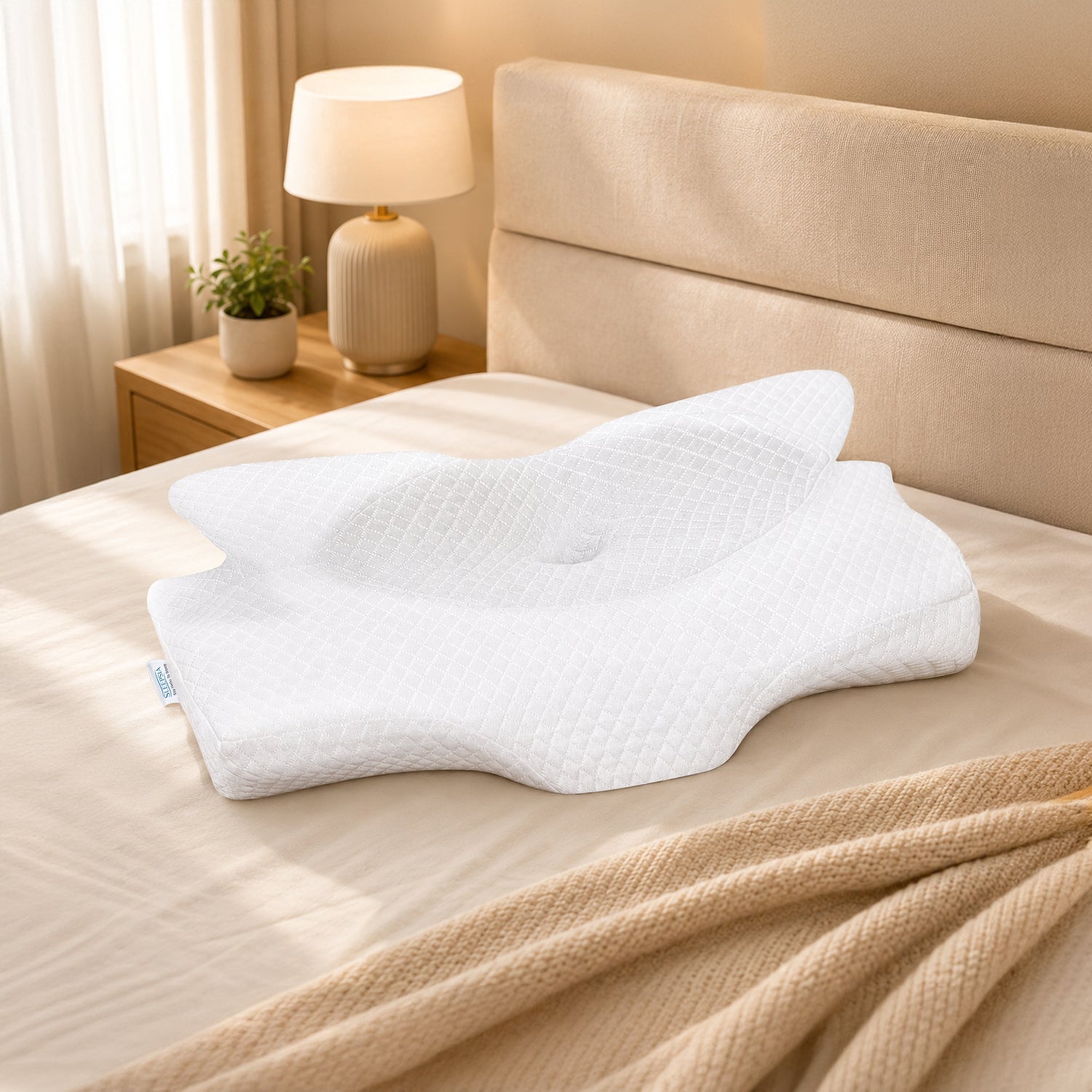
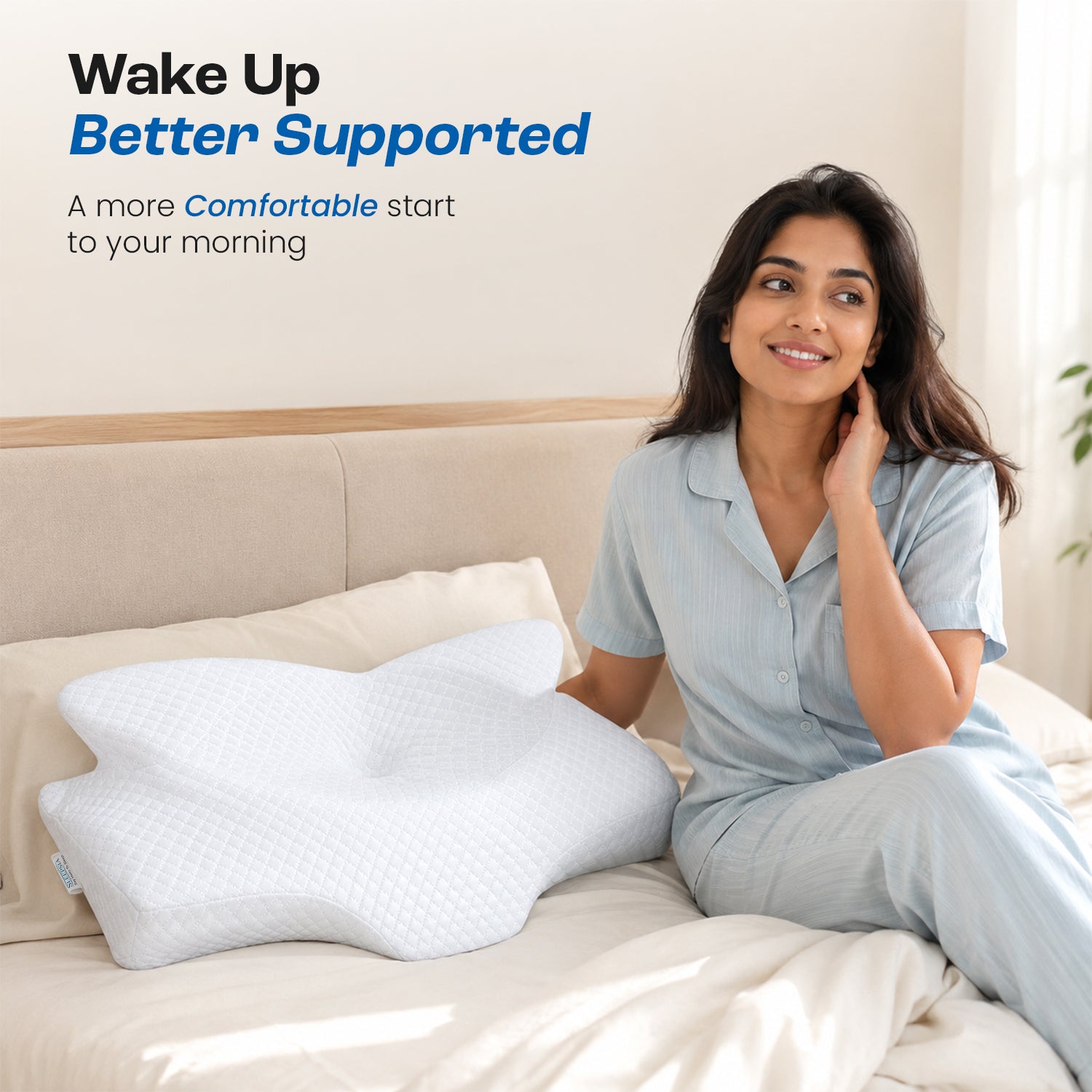



What Is a Butterfly Pillow?
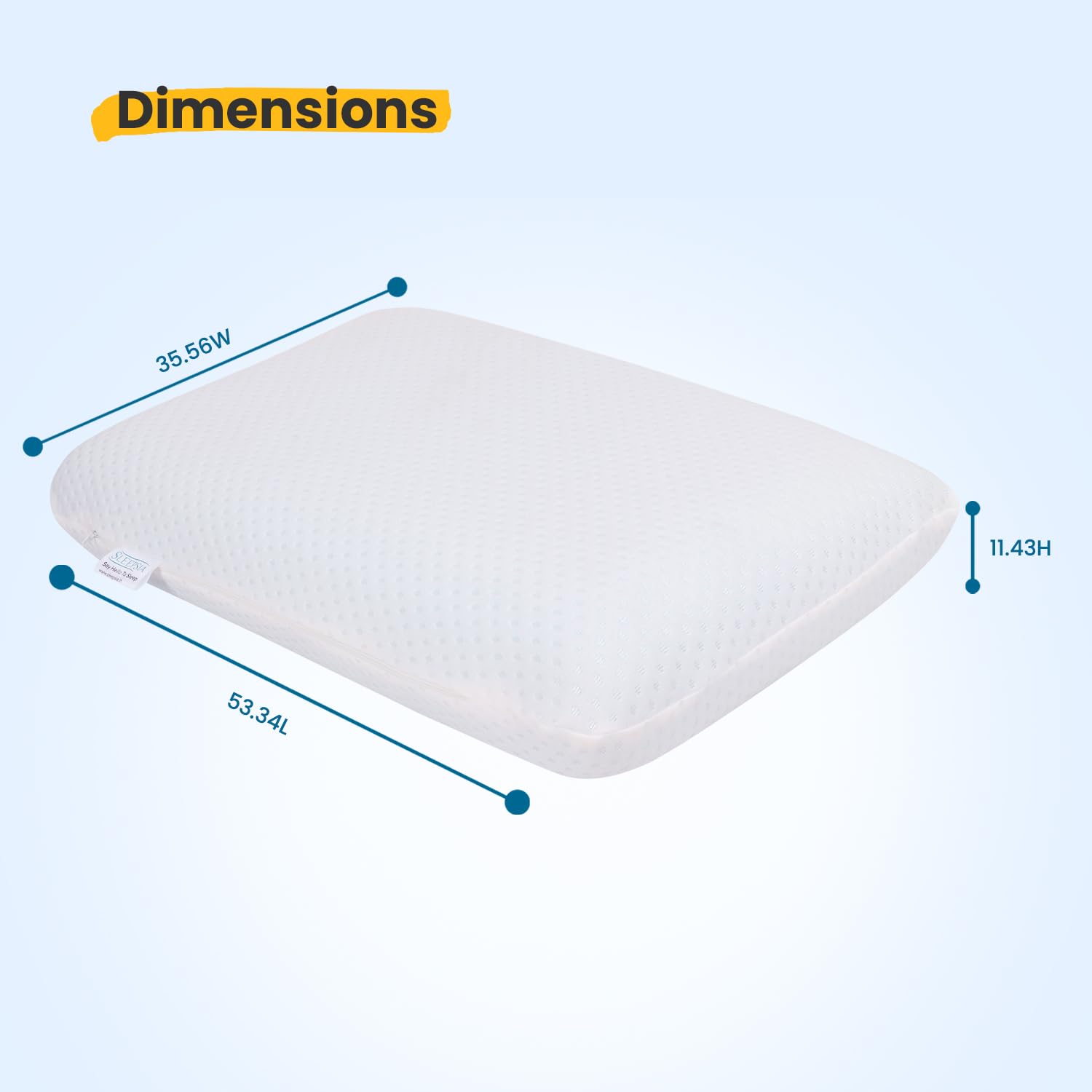
A Butterfly Pillow is an ergonomic pillow with a contoured shape that supports the head, neck, and shoulders during sleep. Its raised sides and curved center create dedicated spaces for the head and neck to support a more neutral positioning and distribute pressure throughout the contact areas. For back and side sleepers, the design can provide focused cervical support, while the conformation to specific sleeping positions and preferences of comfort is determined by the height and firmness of the pillow.
What Is a Standard Neck Pillow?
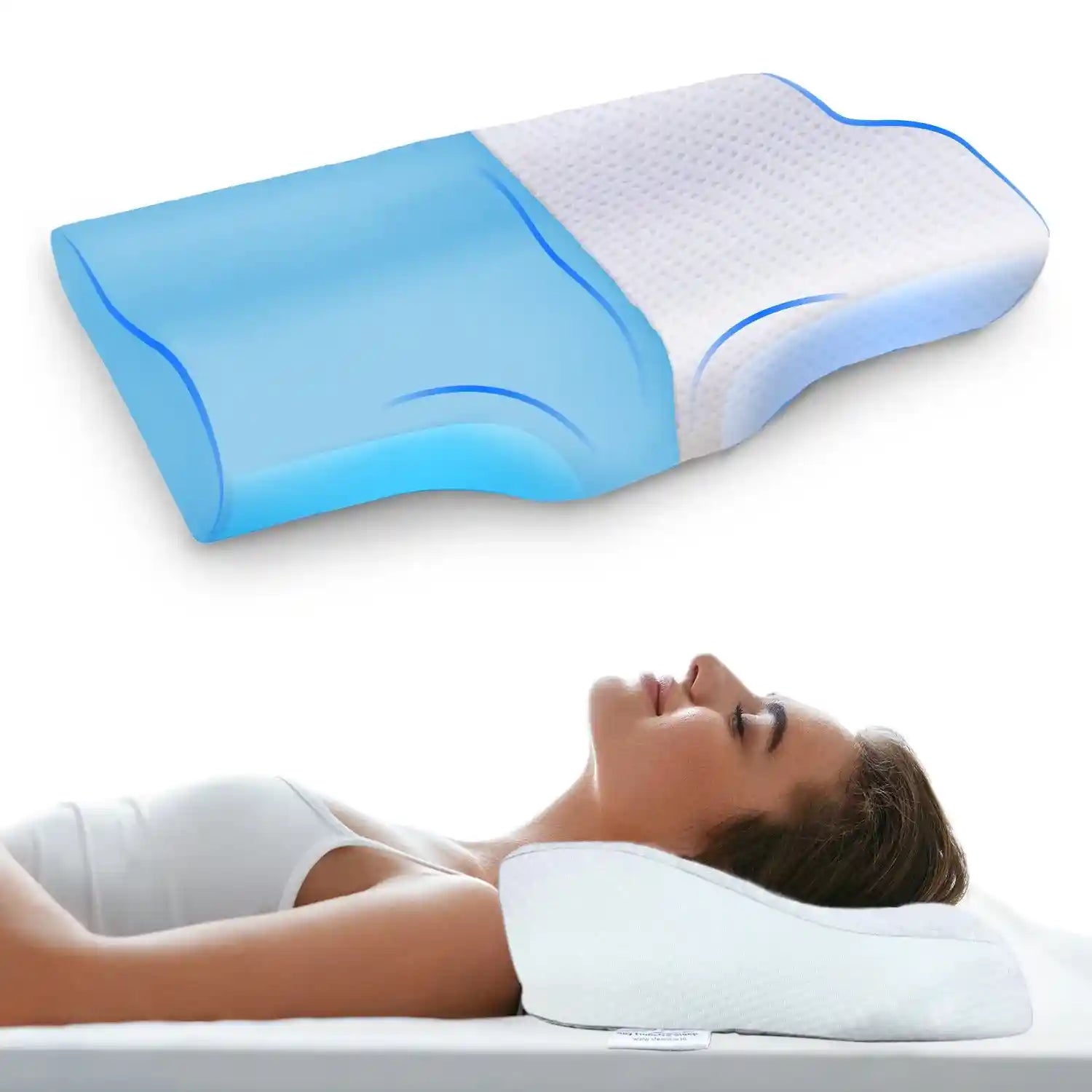
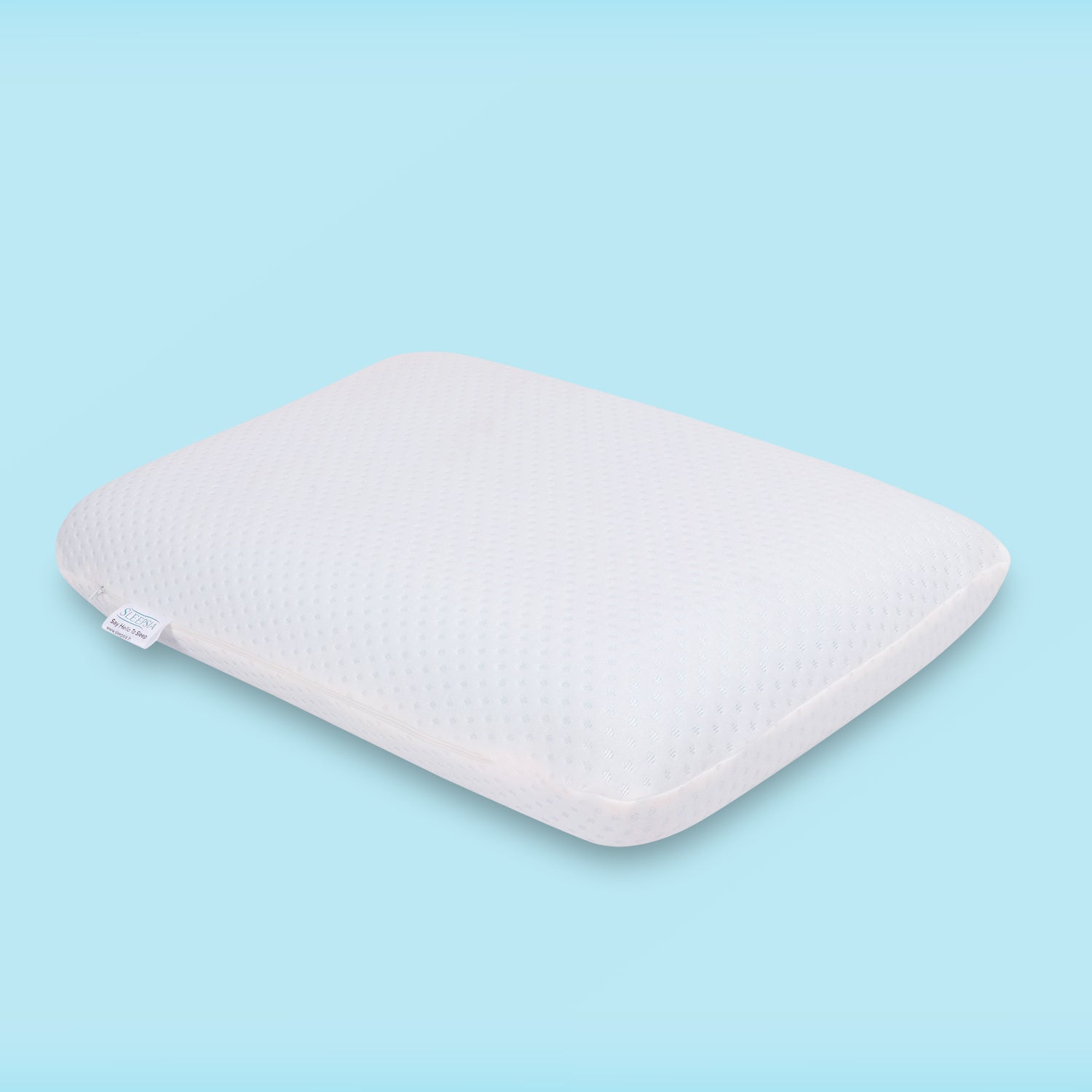
A standard neck pillow is an ergonomic pillow designed to support the head and neck while maintaining a comfortable sleeping posture. It usually features a contour design with a higher portion that supports the cervical curve and a lower portion that cradles the head. Depending on its height, firmness, and material, a neck pillow for neck pain can provide varying levels of support for back and side sleepers and help to maintain a more neutral neck position while sleeping.
Quick Comparison: Butterfly Pillow vs Standard Neck Pillow
A Butterfly Pillow for neck pain offers a more contoured design for targeted head and neck support, while a standard neck pillow uses a simpler cervical contour to support the neck during sleep.
|
Feature |
Butterfly Pillow |
Standard Neck Pillow |
|
Overall Design |
Uses a wider, contoured butterfly shape with dedicated zones for the head, neck, and shoulder area. |
Typically uses a simpler ergonomic contour focused on supporting the head and cervical area. |
|
Neck Support |
Uses its sculpted sections to hug the neck and provide more structured support. |
Usually supports behind a raised section for the curve of the neck. |
|
Head Positioning |
The central head area aids in positioning the head alongside the contours of the pillow. |
Generally, the head is placed on a surface that is either more planar or slightly contoured. |
|
Spinal Alignment |
Can help maintain a neutral neck position when the pillow height matches the sleeper’s body and sleeping posture. |
Can also support neutral alignment when its contour and height suit the sleeper. |
|
Side Sleeping |
The broader contour can provide dedicated space around the neck and shoulders. |
Works well when the pillow has sufficient height to fill the gap between the shoulder and head. |
|
Back Sleeping |
The indented center allows for the head to rest, while the elevated portion supports the neck. |
The contour of the cervical follows the natural curve of the neck, while contemporaneously supporting the head. |
|
Feel and Preference |
Suits sleepers who prefer a more structured, multi-contour pillow design. |
Works for sleepers who like a more basic support profile at the cervical level. |
Which Pillow Is Better for Neck Pain?
A Butterfly Pillow can suit people who need structured neck support and a contoured design that supports the head, neck, and spine. Its ergonomic shape can help maintain a more neutral position, while features such as different height options allow sleepers to choose a more suitable level of support.
A standard cervical pillow can also support the natural curve of the neck and help maintain better alignment during sleep. If you experience neck pain or stiffness from incorrect sleeping posture or insufficient pillow support, a cervical pillow can offer more specific support than a conventional pillow. Depending on your sleep position, preferred pillow height and firmness, and your need for cervical support, one can be better for you than the other.
How to Choose the Right Neck Pillow for Neck Pain?
Choosing the right pillow depends on your sleeping position, preferred height, firmness, and the amount of cervical support you need. Consider these factors when selecting a neck pillow for neck pain:
Sleeping position
Side sleepers generally need a higher pillow to fill the space between the shoulder and head, while back sleepers often need a medium-height pillow. Stomach sleepers usually need a thinner pillow.
Pillow height
Select a height that allows your head and neck to be in line with your spine and does not require tilting your head up or down.
Neck support
A cervical pillow, or contoured pillow, can provide more direct support for the neck’s natural curve.
Firmness
A pillow should support the head and neck, but not allow it to sink in too deeply. A medium-firm pillow is an option.
Material
Memory foam is capable of molding to the contours of your neck and head, while providing support all night.
Shoulder clearance
Side sleepers should select a pillow that allows adequate clearance for the shoulder and does not place excessive stress on the neck.
Individual comfort
The best pillow for neck pain should feel supportive and comfortable without causing additional stiffness or pressure while you sleep.
Common Mistakes to Avoid While Buying a Neck Pillow for Neck Pain
The wrong pillow can increase neck strain instead of providing the support you need, so consider your sleeping position, pillow height, firmness, and neck support before making a purchase.
Choosing the wrong pillow height
If a pillow is too high or too flat, your head will be tilted, throwing your neck out of alignment. Choose a pillow height appropriate to your size and your sleeping position.
Ignoring your sleeping position
The right pillow for a side sleeper might not be right for a back or stomach sleeper. Choose a pillow that accommodates your sleeping position.
Prioritizing softness over support
Your pillow might be too soft and allow your head to sink too deep, or too firm and put too much pressure on your head. Seek a mix of support and softness.
Buying without checking the contour
A cervical pillow should support your neck comfortably without forcing it into an unnatural position.
Focusing only on neck support
Check whether the pillow also provides adequate support for your head and shoulders, particularly when you sleep on your side.
Choosing the wrong material
Consider how the pillow material responds to pressure, retains its shape, and provides the level of support you prefer.
Ignoring personal comfort
Even a well-designed pillow for neck pain cannot suit everyone. Choose one that keeps your neck comfortable and properly supported throughout the night.
Conclusion
A Butterfly Pillow for neck pain can be a better choice when you prefer structured, contoured support for the head and neck, while a standard neck pillow can suit sleepers who prefer a simpler cervical design. Ultimately, your sleeping position, height, firmness, neck support, and what you feel comfortable with should be your guide.
While the shape of the Butterfly Pillow is more complex in order to support different areas of the neck and head, a standard neck pillow has a simpler profile designed to support cervical areas. You may also want to read about selecting the right height, testing firmness, and choosing a pillow that suits your sleep position and provides proper neck and spinal alignment when trying to find the best pillow for neck pain. The ideal pillow should support your neck in its natural position and should allow you to sleep all night comfortably.
FAQs
Q1: How do I know if my pillow is too high for my neck?Ans: Your pillow is likely too high if it pushes your head forward or upward instead of keeping your neck in a neutral position.
Q2: Should your shoulders be on the pillow when you sleep?Ans: No, your shoulders should be resting on the mattress, and the pillow should only be supporting your head and neck.
Q3: Can sleeping without a pillow help neck pain?Ans: It works for some sleepers, but whether it’s right for you depends on your sleeping position, your body shape, and your ability to comfortably maintain neutral neck alignment.
Q4: How long does it take to get used to a cervical pillow?Ans: It can take a few nights for your neck to adjust to a cervical pillow and its different shape and support.
Q5: Can changing your pillow suddenly cause neck pain?Ans: Yes, switching to a pillow with a significantly different height, firmness, or contour can temporarily change your neck position and cause discomfort.
Q6: Should a neck pillow support the base of your skull?Ans: Yes, adequate support beneath the base of the skull can help keep the head comfortably positioned without placing unnecessary pressure on the neck.
Q7: Does shoulder width affect which neck pillow you need?Ans: Yes, shoulder width can affect the pillow height you need to keep your head and neck aligned, particularly when you sleep on your side.
Q8: Can you sleep on your side with a butterfly pillow?Ans: Yes, you can sleep on your side with a butterfly pillow when its height and contours provide enough support for the space between your shoulder and head.
Q9: What is the best way to test a new neck pillow?Ans: Lie in your usual sleeping position and check whether your head, neck, and spine remain comfortably aligned without pressure or excessive bending.
Q10: When should neck pain from sleeping be checked by a doctor?Ans: Seek medical advice when neck pain persists, becomes severe, follows an injury, or occurs with symptoms such as weakness, numbness, or severe headache.
Recent Posts

Benefits of Poorvottanasana (Upward Plank Pose) & How to Practice It

Winter Sleep Essentials: Layering Bedsheets and Nightwear

Frozen Shoulder & Nighttime Pain: Pillow Positioning Tips

Benefits of Paschimottanasana (Seated Forward Bend Pose) & How to Practice It

Long Pillow for Bed: Benefits & Who Should Use One

Double Bed Sheet with Pillow Cover: How to Choose the Right Bedding Set

