

Back Strain vs Sprain: Symptoms, Recovery Time, Exercises & Prevention
Back pain is very common today. One of the biggest reasons behind this pain is back strain or back muscle strain. Many people experience a strained back due to poor posture, long sitting hours, lack of movement, or sudden jerky actions.
Your back supports your entire body. Everyday activities like sitting, standing, walking, lifting, and even sleeping depend on a healthy back. When the muscles, tendons, or ligaments of the back are overstretched, it can lead to pain, stiffness, and reduced movement.
Ignoring early pain from a back muscle strain can turn it into a long-term problem. That’s why timely care, correct posture, and regular back exercises and back stretches are very important for recovery and prevention.
Recommended Products





What Is a Back Strain?
A back strain occurs when the muscles or tendons in the back are overstretched or torn. Tendons connect muscles to bones, and when they are overused or suddenly stressed, it can cause a back muscle strain.
A strained back often makes simple movements like bending, standing, or lifting painful. Muscle tightness and soreness are common signs of this condition.
What Is a Back Sprain?
A back sprain happens when the ligaments in the back are stretched or torn. Ligaments connect bones to bones and help keep the spine stable.
Back sprains usually occur due to:
- Sudden twisting movements
- Slipping or falling
- Quick, jerky actions
Both back strain and sprain can cause similar symptoms, but the affected tissues are different.
How Common Are Back Strains and Sprains?
Back strain is one of the most common reasons for back pain. It affects people from all walks of life, including:
- Office workers
- Work-from-home professionals
- Homemakers
- Gym beginners
- Drivers
Almost everyone experiences a strained back at least once in life.
What Causes a Back Strain or Sprain?
A back strain or back sprain often develops because of daily habits and sudden movements.
Common causes include:
- Lifting heavy objects incorrectly (bending from the back instead of knees)
- Poor sitting or standing posture
- Sitting for long hours without breaks
- Sudden twisting or jerky movements
- Slipping or falling
- Weak core muscles
- Lack of regular physical activity
- Skipping warm-ups and back stretches
Long sitting hours increase pressure on the spine and often lead to lower back pain. Doing regular lower back stretches, lower back exercises, and simple exercises for lower back pain helps keep the back flexible and reduces the risk of injury.
What Are the Symptoms of a Back Strain or Sprain?
These symptoms are commonly seen in people with a back muscle strain or a strained back.
Common symptoms include:
- Lower or upper back pain, especially after movement
- Muscle stiffness and tightness in the back
- Pain while bending, standing, or sitting for long hours
- Sudden muscle spasms that cause sharp pain
- Pain that reduces with rest but returns with activity
- Limited movement or difficulty straightening the back
- Soreness in the lower back area
How Are Back Sprains and Strains Diagnosed?
In most cases, a back strain or back sprain is diagnosed without any major tests. Doctors usually identify a back muscle strain by understanding your symptoms and daily habits.
Diagnosis usually includes:
- Asking about your pain, when it started, and what makes it better or worse
- Checking your posture, walking style, and body movement
- Pressing the painful area to find muscle tightness or spasms
- Asking you to bend, twist, or move to see how much pain or stiffness is present
Most people with a strained back do not need X-rays or scans. However, tests may be recommended if:
- Pain lasts longer than 2–3 weeks
- Pain is severe or keeps getting worse
- Pain spreads to the legs
- There is numbness, tingling, or weakness
In such cases, doctors may suggest an X-ray or MRI to rule out other problems. Once diagnosed, treatment usually focuses on rest, posture correction, back stretches, lower back stretches, and gentle exercises for lower back pain to support healing.
How Are Back Strains and Sprains Treated?
Most cases of back strain and back sprain get better with simple care and time. Treatment focuses on reducing pain, improving movement, and preventing future injury from a back muscle strain or strained back.
Common treatment options include:
1. Rest With Light Movement
Avoid activities that increase pain, but do not stay in bed for too long. Gentle movement, such as slow walking, helps improve blood flow and supports healing from back strain.
2. Ice and Heat Therapy
Use ice packs during the first 24–48 hours to reduce swelling and pain. After that, heat therapy helps relax tight muscles and reduces stiffness caused by a back muscle strain.
3. Pain Relief (If Needed)
Doctors may suggest pain-relief medicines if the pain is severe. Avoid self-medication and always follow medical advice.
4. Posture Correction
Sitting and standing with correct posture reduces pressure on the spine and helps prevent further back strain. Poor posture is one of the most common causes of a strained back.
5. Supportive Aids
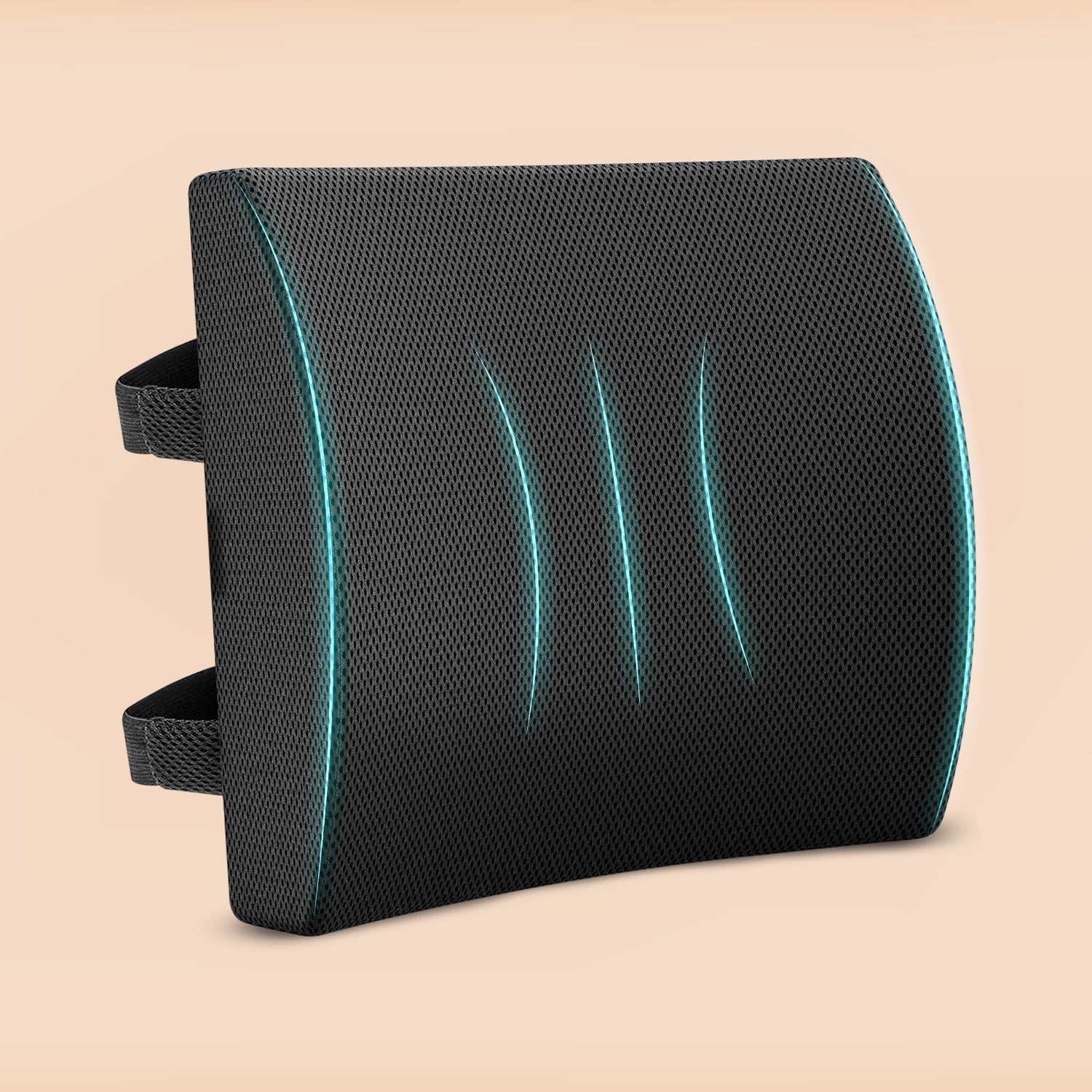
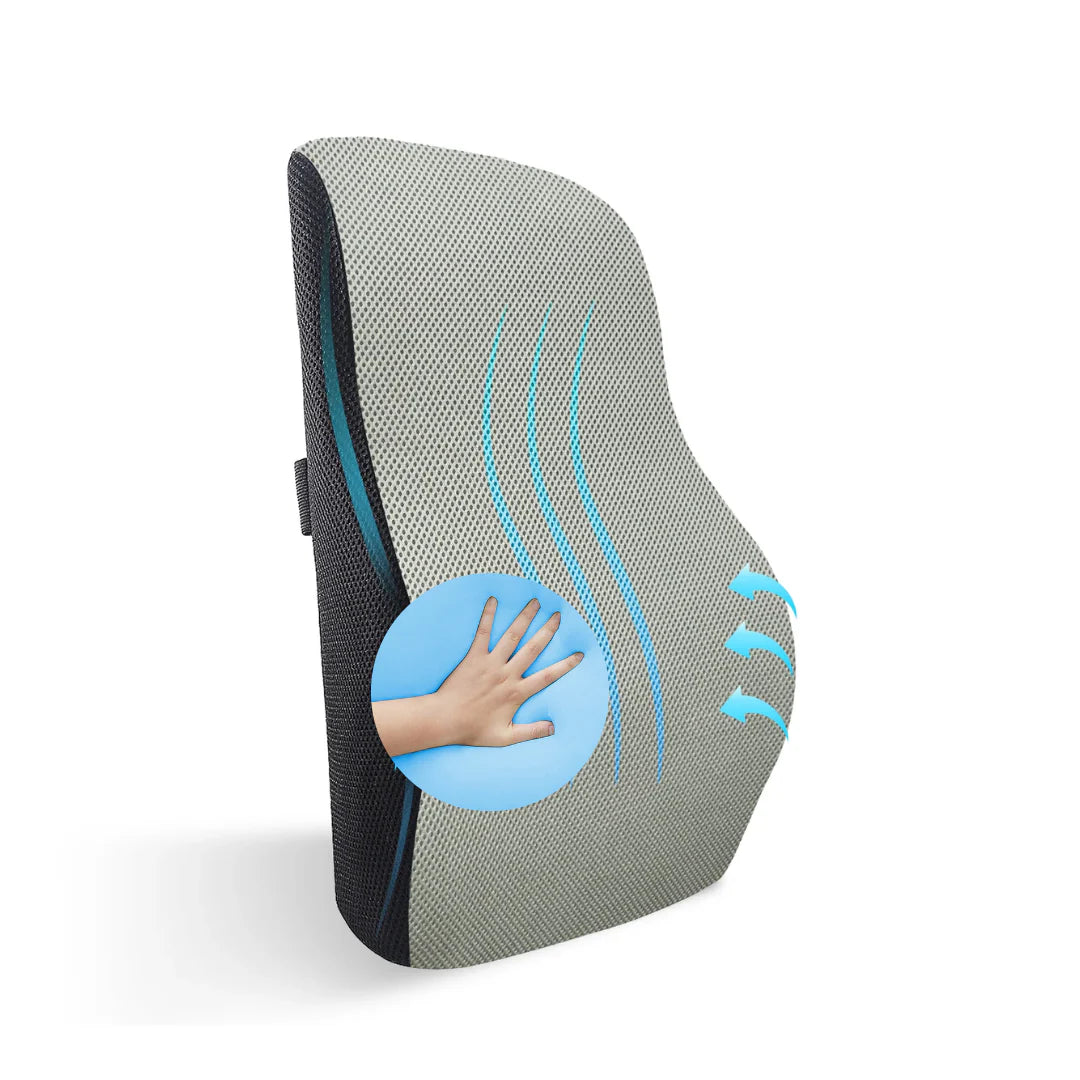
Using proper back or lumbar support while sitting or sleeping can help reduce pain and improve comfort during recovery.
6. Do 15 Minutes of Back Exercises Every Day
Once pain starts to reduce, doctors strongly recommend doing 15 minutes of back exercises daily. Regular lower back exercises and gentle back stretches help stretch tight muscles and strengthen the muscles that support your spine. These exercises for lower back pain improve flexibility, speed up recovery, and reduce the chances of pain coming back.
Back Exercises in 15 Minutes a Day
Doing lower back exercises and gentle back stretches helps stretch tight muscles and strengthen the muscles that support your spine.
When you first start these exercises, do only a few repetitions. As your back feels better, you can slowly increase the number of times you do them.
If you have severe or long-term back pain, or if you are recovering from a back injury, it is a good idea to talk to a doctor or physical therapist before starting any exercise routine. Try to do this 15-minute routine once in the morning and once in the evening if possible.
Knee-to-Chest Stretch

This is one of the most effective lower back stretches for relieving tension caused by a back strain.
- Lie on your back with your knees bent and feet flat on the floor
- Using both hands, pull one knee toward your chest
- Tighten your stomach muscles and gently press your lower back to the floor
- Hold this position for 5 seconds
- Return to the starting position and repeat with the other leg
- Then pull both knees to your chest together and hold
Repeat this stretch 2–3 times. This stretch helps relax tight muscles and is very useful for people with a strained back.
Lower Back Rotational Stretch

This gentle back stretch helps reduce stiffness in the lower back.
- Lie on your back with knees bent
- Keep shoulders flat on the floor
- Slowly drop both knees to one side
- Hold for a few seconds, then switch sides
This is a helpful exercise for lower back pain, especially after long sitting hours.
Lower Back Flexibility Exercise

This exercise improves movement and reduces tightness.
- Lie on your back
- Gently pull both knees toward your chest
- Rock slowly side to side
It supports recovery from a back muscle strain and improves flexibility.
Bridge Exercise

This is a strengthening back exercise.
- Lie on your back with knees bent
- Keep feet flat on the floor
- Slowly lift your hips upward
- Hold for 5 seconds, then lower
This exercise strengthens the lower back, hips, and core muscles, helping prevent future back strain.
Cat Stretch

The cat stretch is a popular back stretch for spine mobility.
- Get on your hands and knees
- Slowly round your back upward
- Hold for a few seconds, then relax
This stretch reduces stiffness and improves spine movement.
Seated Lower Back Rotational Stretch

This is one of the easiest lower back exercises and is ideal for office workers.
- Sit straight on a chair
- Gently twist your upper body to one side
- Hold for a few seconds and switch sides
It helps reduce lower back pain caused by long sitting.
Shoulder Blade Squeeze

This exercise supports upper back posture.
- Sit or stand straight
- Gently squeeze your shoulder blades together
- Hold for 5 seconds, then relax
It reduces upper back tension and supports overall back health.
How Can Back Strains and Sprains Be Prevented?
Most cases of back muscle strain or strained back can be prevented with simple daily habits.
Prevention tips:
- Maintain correct posture
- Take breaks every 30–40 minutes
- Use a Memory Foam Wedge Pillow to support proper posture while sitting or sleeping
- Do daily back exercises and lower back exercises
- Practice gentle back stretches and lower back stretches
- Lift heavy objects correctly
- Strengthen core muscles
- Use proper sleep support like a supportive mattress and wedge pillow
- Warm up before physical activity
Conclusion
Back strain and back sprain can disrupt daily life, but most cases heal with the right care. Good posture, daily movement, regular back stretches, and proper sleep support play a major role in recovery.
If pain persists, consult a healthcare professional. Taking care of your back today, through movement, posture, and supportive sleep solutions like the Wedge Pillow, helps you stay pain-free in the long run.
FAQ
Q1: How long does a strained back take to heal?Ans: A strained back usually heals in a few days to 2 weeks, while a severe back muscle strain may take up to 4–6 weeks. Regular back stretches and lower back exercises help speed up recovery.
Q2: What is the fastest way to heal a strained back?Ans: The fastest way to heal a back strain is light movement, good posture, and daily back exercises. Gentle lower back stretches and exercises for lower back pain reduce stiffness and pain faster.
Q3: How do I know if I strained or sprained my back?Ans: A back strain causes muscle tightness and pain with movement, while a sprain often causes joint stiffness. Both feel similar, but back muscle strain is more common.
Q4: What heals faster, a strain or a sprain?Ans: A back strain usually heals faster than a sprain because muscles recover quicker than ligaments. Doing back stretches and lower back exercises helps in both cases.
Q5: Can a Strain Heal on Its Own?Ans: Yes, a back strain can heal on its own with proper rest and care. Light movement, back stretches, and gentle lower back exercises help a back muscle strain heal faster and prevent it from coming back.
Bhujangasana (Cobra Pose): Benefits, Steps & How to Practice Safely
How to Clean Humidifier at Home
Recent Posts

Best Sleep Setup for Pregnant Women in Each Trimester

Benefits of Padmasana (Lotus Pose) & How to Practice It

Contour Pillow vs Cervical Pillow: What's the Difference?

Butterfly Pillow vs Standard Pillow: Which Is Better for Neck Pain?

Benefits of Poorvottanasana (Upward Plank Pose) & How to Practice It

Winter Sleep Essentials: Layering Bedsheets and Nightwear

Frozen Shoulder & Nighttime Pain: Pillow Positioning Tips

