

What is Sleep Insomnia?
Sleep is something we all need, yet many people struggle to get it properly. If you often lie awake at night, toss and turn, or wake up feeling tired, you may be dealing with sleep insomnia.
In simple terms, sleep insomnia is a condition where a person finds it hard to fall asleep, stay asleep, or wake up feeling refreshed. It can affect your mood, energy, focus, and overall health.
This blog will help you understand what sleep insomnia is, its common symptoms, and why it happens. You will also learn about sleep onset insomnia, simple lifestyle changes, and helpful solutions like insomnia foods that help you sleep, insomnia acupuncture for sleep, and choosing the best pillow for sleep insomnia. By the end, you will have a clear and practical understanding of how to improve your sleep in an easy and natural way.
Recommended Products




Sleep Insomnia Meaning
The sleep insomnia meaning is quite simple. It refers to a sleep disorder where you are unable to get enough quality sleep even when you have the chance to sleep.
It is not just about one bad night. Insomnia becomes a problem when it happens regularly and starts affecting your daily life.
People with sleep insomnia may:
- Take a long time to fall asleep
- Wake up frequently during the night
- Wake up too early and not fall back asleep
- Feel tired even after sleeping
Sleep insomnia can be short-term or long-term. Short-term insomnia usually happens due to stress or changes in routine, while long-term insomnia can last for months or even years.
Causes of Sleep Insomnia
Sleep insomnia does not happen without a reason. In most cases, it is caused by a mix of mental, physical, and lifestyle factors. Understanding these causes in a deeper way can help you manage the problem more effectively.
1. Stress and Anxiety
This is one of the biggest reasons behind sleep insomnia. When your mind is full of thoughts, it becomes hard to relax.
- Thinking about work, money, or family issues can keep your brain active
- Overthinking small problems can delay sleep for hours
- Anxiety can make your body feel restless even when you are tired
- Stress also increases cortisol levels, which affects your natural sleep cycle
Even if your body feels tired, your mind may not “switch off,” leading to sleepless nights.
2. Poor Sleep Habits
Your daily routine plays a big role in how well you sleep.
- Sleeping and waking at different times every day confuses your body clock
- Using your phone or watching TV before bed exposes you to blue light, which reduces melatonin (the sleep hormone)
- Drinking tea, coffee, or energy drinks in the evening can keep you awake longer
- Taking long naps during the day can reduce your sleep pressure at night
Over time, these habits train your body to stay awake instead of sleeping.
3. Lifestyle Factors
Your lifestyle choices directly affect your sleep quality.
- Too much screen time keeps your brain stimulated and alert
- Lack of physical activity means your body does not feel naturally tired at night
- Late-night eating can cause discomfort, acidity, or heaviness
- Excessive caffeine or alcohol disrupts deep sleep and can cause frequent waking
A busy or unbalanced lifestyle often leads to poor sleep without you even realizing it.
4. Medical Conditions
Sometimes, sleep insomnia is linked to physical health problems.
- Chronic pain (like back pain or arthritis) can make it hard to stay asleep
- Breathing issues such as sleep apnea can disturb your sleep repeatedly
- Hormonal changes, especially in women, can affect sleep patterns
- Digestive issues like acid reflux can worsen when lying down
In such cases, treating the underlying condition is important for better sleep.
5. Mental Health Issues
Mental health and sleep are closely connected.
- Depression can cause early morning waking or low-quality sleep
- Anxiety can lead to racing thoughts and restlessness
- Panic disorders may cause sudden wake-ups during the night
- Emotional stress can make your mind feel “on edge” even at bedtime
Poor sleep can also make these conditions worse, creating a cycle that is hard to break.
Sleep Insomnia Symptoms
Understanding sleep insomnia symptoms is important because they affect both your night and your day. Some symptoms are easy to notice, while others build slowly over time.
1. Difficulty Falling Asleep (Sleep Onset Insomnia)
One of the most common signs is sleep onset insomnia.
- You go to bed feeling tired but cannot fall asleep
- Your mind keeps running with thoughts or worries
- It may take 30 minutes to several hours to sleep
This usually happens due to stress, overthinking, or poor sleep habits.
2. Waking Up During the Night
You may fall asleep easily but wake up again and again.
- Light sleep instead of deep sleep
- Waking up without any clear reason
- Trouble going back to sleep after waking
This breaks your sleep cycle and reduces overall rest.
3. Waking Up Too Early
Another common sleep insomnia symptom is waking up earlier than needed.
- You wake up before your alarm
- You cannot fall back asleep even if you try
- You feel restless in the early morning hours
This is often linked to stress or mental health issues.
4. Feeling Tired After Sleep
Even after spending enough time in bed, you may not feel fresh.
- You wake up feeling heavy or lazy
- Your body feels tired, not relaxed
- You may feel like you did not sleep at all
This happens when your sleep quality is poor.
5. Daytime Sleepiness and Low Energy
Poor sleep at night directly affects your day.
- Feeling sleepy during work or study
- Low energy levels throughout the day
- Frequent yawning or lack of motivation
This can affect your productivity and daily routine.
6. Difficulty Focusing and Memory Problems
Sleep is important for brain function.
- Trouble concentrating on simple tasks
- Forgetting things easily
- Slow thinking or confusion
These are often ignored but are important sleep insomnia symptoms.
7. Mood Changes and Irritation
Lack of sleep affects your emotions.
- Feeling irritated or angry easily
- Mood swings without clear reason
- Increased stress or anxiety
Over time, this can impact your relationships and mental health.
8. Physical Symptoms
Sleep insomnia can also affect your body.
- Headaches
- Eye strain or heaviness
- Muscle weakness
- Low immunity, leading to frequent illness
Your body does not get enough time to recover.
How Sleep Insomnia Affects Your Life
Sleep Insomnia is not just about having trouble sleeping at night. It slowly affects every part of your daily life. When your body and mind do not get proper rest, it impacts your health, work, emotions, and relationships.
Low Energy and Constant Fatigue
Sleep Insomnia often leaves you feeling tired throughout the day. Even after spending enough time in bed, your body may not feel refreshed. This happens because your sleep quality is poor, and your body does not get enough deep rest. As a result, you may feel slow, heavy, and low on energy, making daily tasks feel more difficult than usual.
Poor Focus and Productivity
When you do not sleep well, your brain cannot function properly. Sleep insomnia affects your ability to concentrate, remember things, and make decisions. You may find yourself getting distracted easily or taking more time to complete simple tasks. Over time, this can reduce your productivity at work or in studies and may even affect your confidence.
Mood Swings and Emotional Stress
Lack of sleep has a strong impact on your emotions. With sleep insomnia, you may feel more irritated, stressed, or emotionally sensitive. Small problems can seem bigger, and you may react more quickly than usual. This can create unnecessary tension in your relationships and make it harder to stay calm in everyday situations.
Impact on Physical Health
Sleep plays an important role in keeping your body healthy. When you have ongoing sleep insomnia, your immune system can become weaker, making you more likely to fall sick. You may also experience headaches, body pain, or general discomfort. Over time, poor sleep can increase the risk of more serious health issues.
Mental Health Challenges
Sleep insomnia and mental health are closely connected. Poor sleep can increase feelings of anxiety and sadness, while stress and anxiety can make it harder to sleep. This creates a cycle that can be difficult to break. Without proper rest, your mind may feel constantly tired, and negative thoughts may become more frequent.
Effects on Relationships
Sleep insomnia can also affect how you interact with others. When you are tired and irritated, you may have less patience and understanding. This can lead to misunderstandings or arguments with family, friends, or coworkers. Over time, it may also reduce your interest in social activities.
Reduced Safety in Daily Life
Lack of proper sleep can reduce your alertness and slow down your reaction time. This can be dangerous, especially while driving or handling important tasks. Sleep insomnia increases the risk of accidents because your mind is not fully active or focused.
Disrupted Daily Routine
Sleep insomnia can disturb your overall lifestyle. You may start depending on caffeine to stay awake, skip exercise due to low energy, or develop irregular eating habits. These changes can further affect your sleep cycle and make the problem worse.
Foods That Help You Sleep
What you eat during the day and especially in the evening can have a big impact on your sleep. Some foods naturally help your body relax and support the production of melatonin, which is the hormone that controls sleep.
Foods Rich in Melatonin
Melatonin is the hormone that tells your body it is time to sleep. Some foods naturally contain melatonin or help your body produce more of it. Fruits like kiwi and bananas are great examples. Kiwi is known to improve sleep quality, while bananas contain magnesium and potassium that help relax your muscles.
Foods High in Magnesium and Potassium
Magnesium and potassium are important minerals that help calm your nervous system. Almonds, walnuts, and leafy greens are good sources of magnesium. These foods help reduce stress and relax your body, making it easier to fall asleep. Potassium, found in bananas and sweet potatoes, also supports muscle relaxation and stable sleep patterns.
Warm and Comforting Drinks
Simple drinks like warm milk or herbal teas can have a calming effect on your body. Warm milk contains tryptophan, an amino acid that helps produce sleep hormones. Herbal teas like chamomile are known for their relaxing properties and can help reduce anxiety before bedtime. Drinking these about 30 minutes before sleep can signal your body to slow down.
Foods Rich in Tryptophan
Tryptophan is an amino acid that plays a key role in producing serotonin and melatonin. Foods like milk, yogurt, oats, and turkey are good sources. These foods help improve your mood and promote a sense of calm, which is helpful if you struggle with sleep insomnia.
Light and Easy-to-Digest Meals
Eating heavy or spicy food late at night can disturb your sleep. Instead, choose light meals that are easy to digest. Simple options like oatmeal, a banana with a few nuts, or a small bowl of yogurt can keep you satisfied without making you feel uncomfortable. Light meals reduce the chances of acidity or heaviness that can interrupt your sleep.
Foods to Avoid Before Bed
While focusing on insomnia foods that help you sleep, it is also important to know what to avoid. Caffeine in coffee, tea, or chocolate can keep you awake for hours. Sugary foods may give you a quick energy boost but can disturb your sleep later. Alcohol might make you feel sleepy at first, but it reduces sleep quality and can cause frequent waking.
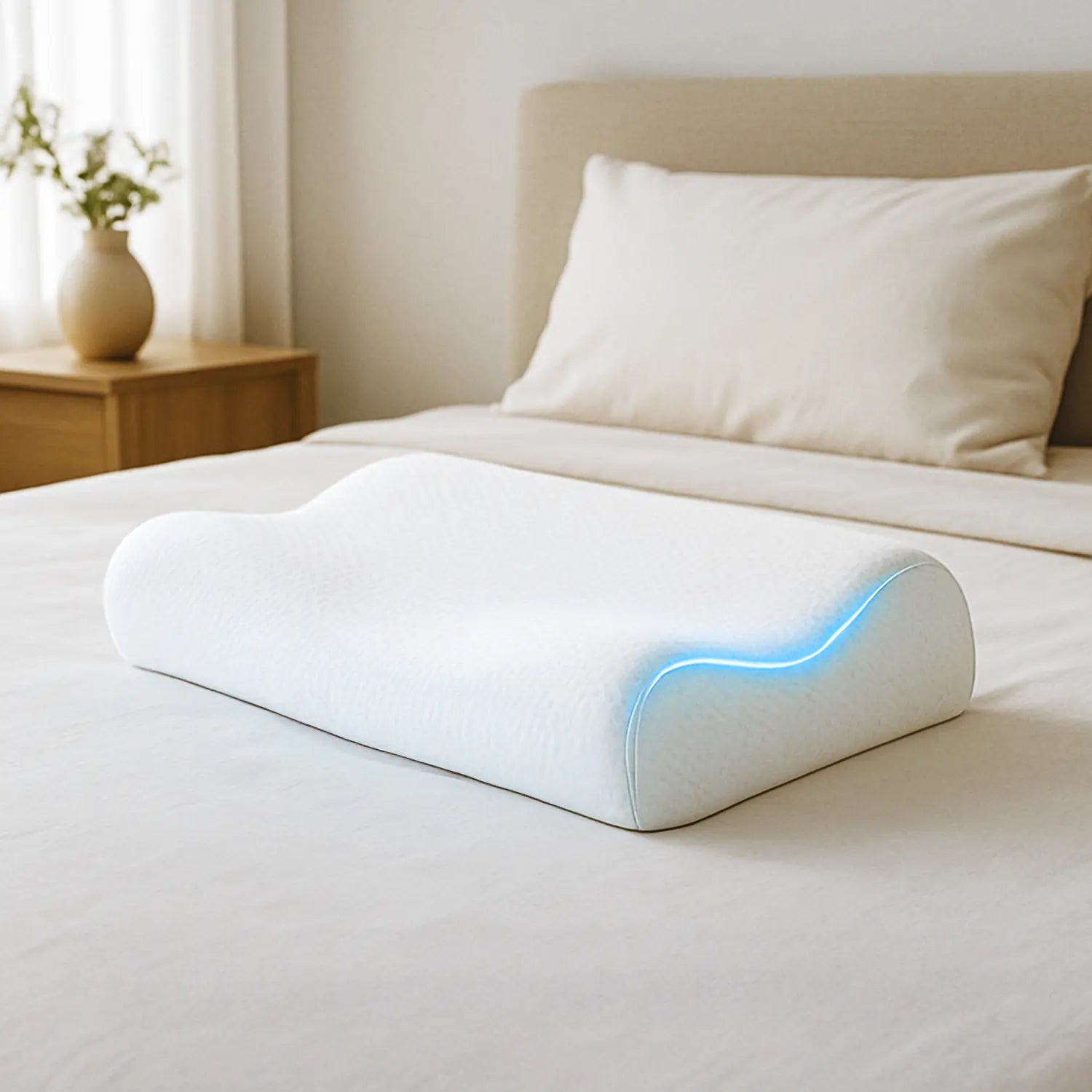
Best Pillow for Sleep Insomnia
Your sleeping environment matters more than you think. One small change that can make a big difference is choosing the best pillow for sleep insomnia.
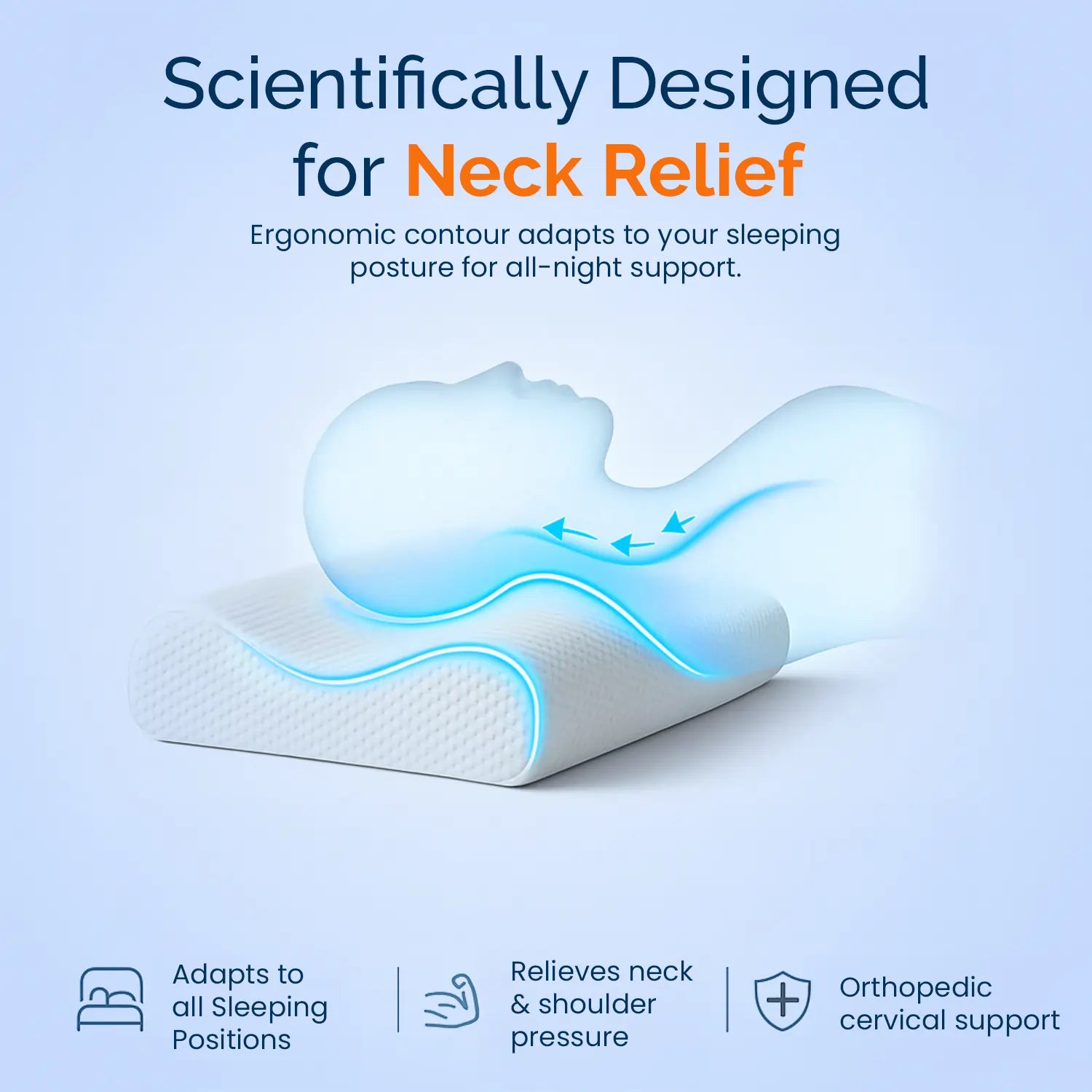
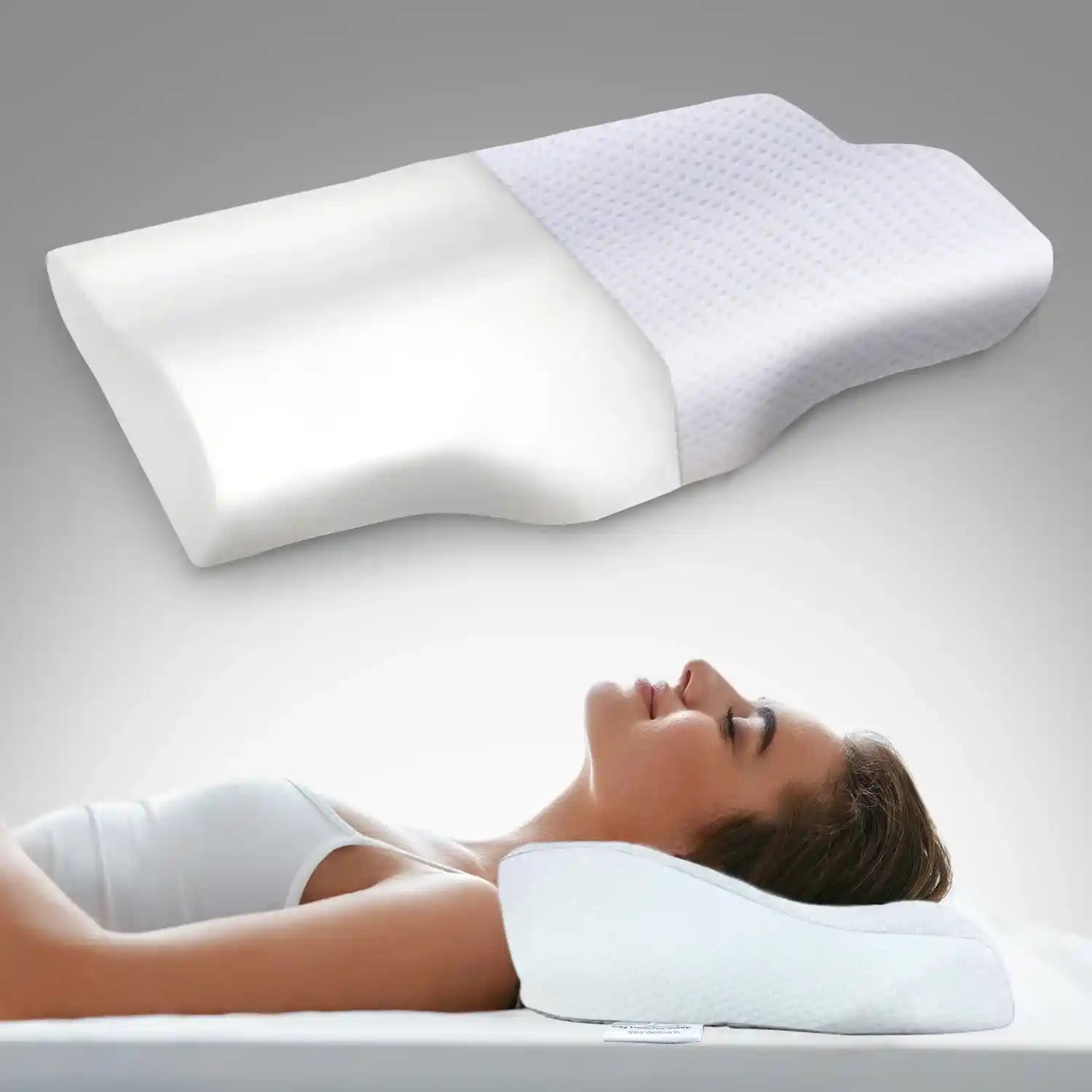
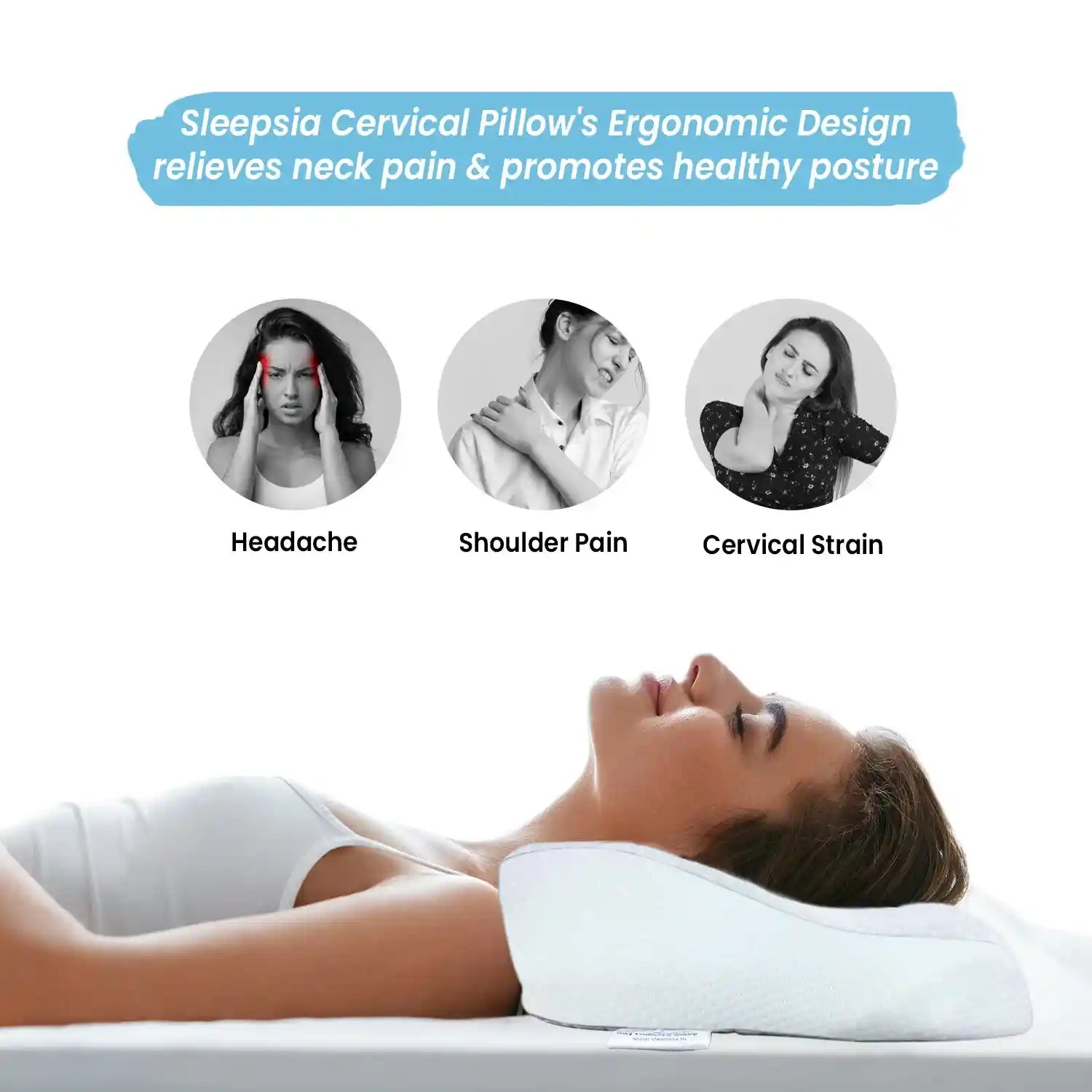
A good pillow supports your neck and spine properly, helping your body relax. What to look for in a pillow:
- Proper neck support
- Medium firmness
- Breathable material
- Comfortable height
For people with insomnia, orthopedic or wedge pillows can be very helpful. They improve posture and reduce discomfort, making it easier to fall asleep.
Tips to Improve Sleep Naturally
Before moving to treatments, here are some simple habits that can help:
- Go to bed at the same time every day
- Avoid screens at least 30 minutes before sleep
- Keep your room cool and dark
- Avoid caffeine in the evening
- Practice relaxation techniques like deep breathing
Even small changes can improve your sleep quality over time.
Insomnia Acupuncture for Sleep
One natural method that many people are now trying is insomnia acupuncture for sleep. Acupuncture is an ancient therapy where very thin needles are placed at specific points on the body. It may sound unusual, but it is known to help improve sleep quality.
How acupuncture helps with sleep insomnia:
- It relaxes the nervous system
- Reduces stress and anxiety
- Improves blood circulation
- Helps balance the body’s energy
Many people who struggle with sleep onset insomnia find that acupuncture helps calm their mind, making it easier to fall asleep. It is always best to get acupuncture done by a trained professional for safe and effective results.
Medical Treatments for Sleep Insomnia
When Sleep Insomnia becomes frequent or starts affecting your daily life, medical treatment may be needed.
Cognitive Behavioral Therapy for Insomnia (CBT-I)
One of the most effective treatments for sleep insomnia is Cognitive Behavioral Therapy for Insomnia, also called CBT-I. This is a structured therapy that helps you change the thoughts and habits that affect your sleep.
Many people with sleep onset insomnia have racing thoughts or anxiety at night, and CBT-I helps manage these patterns. It includes techniques like sleep restriction, relaxation training, and building a consistent sleep routine. Unlike medicines, this method focuses on long-term improvement without side effects.
Medications for Sleep Insomnia
Doctors may sometimes prescribe medications to help manage sleep insomnia symptoms, especially if the problem is severe. These medicines can help you fall asleep faster, stay asleep longer, or improve sleep quality. Common options include sleeping pills, melatonin supplements, or medications that calm the mind. However, these should only be used under medical guidance, as long-term use can lead to dependency or reduced effectiveness.
Treatment for Underlying Medical Conditions
In many cases, sleep insomnia is caused by other health issues. Conditions like chronic pain, breathing problems, thyroid imbalance, or digestive issues can disturb your sleep. Treating these conditions can improve sleep naturally. For example, managing pain or improving breathing during sleep can reduce night-time disturbances and help you rest better.
Mental Health Treatment
Since mental health and sleep are closely connected, treating conditions like anxiety, depression, or stress is very important. Doctors may recommend therapy, counseling, or medication depending on the situation. Once your mental health improves, your sleep often improves as well. This is especially helpful for people who struggle with overthinking or emotional stress at night.
Sleep Studies and Diagnosis
If your sleep problem is unclear or severe, a doctor may suggest a sleep study. This is a test that monitors your sleep patterns, breathing, and body movements during the night. It helps identify issues like sleep apnea or other sleep disorders. A proper diagnosis makes it easier to choose the right treatment for your specific condition.
Lifestyle Changes That Can Help With Insomnia
Making simple lifestyle changes can greatly improve Sleep Insomnia and help you get better rest naturally. One of the most important steps is to follow a fixed sleep schedule, where you go to bed and wake up at the same time every day, as this helps your body develop a natural rhythm and can reduce sleep onset insomnia.
Reducing screen time before bed is also important, because the light from phones and laptops can disturb your sleep cycle and worsen sleep insomnia symptoms like difficulty falling asleep or frequent waking.
Your diet also plays a key role, so including insomnia foods that help you sleep like bananas, almonds, and herbal tea can support relaxation and improve sleep quality.
Along with this, creating a calm bedtime routine such as reading, deep breathing, or meditation can help your mind slow down after a busy day. Some people also find natural methods like insomnia acupuncture for sleep helpful in reducing stress and promoting better rest.
Your sleep environment matters just as much, so choosing the best pillow for sleep insomnia can improve comfort and reduce physical discomfort that may disturb your sleep. Keeping your bedroom quiet, dark, and cool can also make a big difference.
Regular physical activity during the day helps your body feel naturally tired at night, but it is best to avoid heavy exercise close to bedtime. By making these small but consistent lifestyle changes, you can manage sleep insomnia more effectively and enjoy deeper, more refreshing sleep.
Natural Remedies for Sleep Insomnia
Natural remedies can be very helpful in managing Sleep Insomnia, especially if your problem is mild or caused by stress and lifestyle habits. These remedies focus on calming your mind, relaxing your body, and supporting your natural sleep cycle.
Herbal Teas and Natural Drinks
One of the easiest ways to relax before bed is by drinking herbal teas. Chamomile tea is widely known for its calming effect and can help reduce stress and anxiety, which are common causes of sleep insomnia symptoms. Other options like peppermint or lavender tea can also help your body feel relaxed. Warm milk is another simple remedy, as it contains tryptophan, which supports the production of sleep hormones and can help with sleep onset insomnia.
Aromatherapy and Essential Oils
Aromatherapy is a natural method that uses calming scents to improve sleep. Lavender oil is one of the most popular choices for sleep insomnia, as its soothing fragrance helps reduce stress and promote relaxation. You can use it in a diffuser, apply a small amount on your pillow, or add a few drops to your bath. These gentle methods can create a peaceful environment that makes it easier to fall asleep.
Meditation and Deep Breathing
Relaxation techniques like meditation and deep breathing can be very effective for people who struggle with overthinking at night. Practicing slow breathing or guided meditation helps calm your mind and reduce anxiety, which are major reasons behind sleep insomnia. Even 10 to 15 minutes before bed can make a noticeable difference in improving your sleep quality.
Insomnia Acupuncture for Sleep
Another natural approach is insomnia acupuncture for sleep, which involves placing very fine needles at specific points in the body. This method is believed to balance your energy and reduce stress, helping your body relax naturally. Many people find it useful for managing long-term sleep problems, especially when combined with other healthy habits.
Creating a Comfortable Sleep Environment
Your surroundings play an important role in how well you sleep. Using the best pillow for sleep insomnia can provide proper neck support and improve comfort, making it easier to stay asleep through the night. Keeping your room dark, quiet, and slightly cool also helps your body relax and prepare for sleep naturally.
When Should You See a Doctor?
Occasional sleep issues are normal. But if your sleep-insomnia symptoms continue for weeks or months, it is important to seek help.
Consult a doctor if:
- You cannot sleep for several nights in a row
- You feel extremely tired during the day
- Your mood or work is getting affected
- Home remedies are not helping
A doctor can identify the root cause and suggest the right treatment.
Conclusion
Sleep Insomnia is a common problem, but it does not have to control your life. Once you understand the sleep insomnia meaning and recognize the sleep insomnia symptoms, it becomes easier to take the right steps toward better sleep. Whether you are dealing with sleep onset insomnia or frequent night waking, small and consistent changes can make a real difference.
Simple habits like improving your routine, choosing insomnia foods that help you sleep, and creating a comfortable sleep environment with the best pillow for sleep insomnia can support better rest over time. Natural options such as relaxation techniques and insomnia acupuncture for sleep may also help reduce stress and improve sleep quality.
FAQs
Q1: Is insomnia good or bad?Ans: Insomnia is not good. It’s your body telling you something is off. It can affect your mood, focus, energy, and even your long-term health if it keeps happening.
Q2: Is 2 hours of sleep better than no sleep?Ans: Yes, 2 hours is better than zero. It’s not enough, but your body still gets a little rest and recovery. That said, running on 2 hours regularly is unhealthy and can make things worse over time.
Q3: What is the 5-3-3 rule for sleep?Ans: The 5-3-3 rule for sleep means:
- 5 hours before bed: no caffeine
- 3 hours before bed: no heavy meals or alcohol
- 3 minutes before bed: relax your mind (breathing, calming down)
It helps your body prepare for better sleep.
Q4: What drinks are good for sleep?Ans: Good drinks for sleep:
- Chamomile tea
- Warm milk
- Turmeric milk (haldi doodh)
- Peppermint tea
- Almond milk
Avoid caffeine before bed for better sleep.
Circadian Rhythm Disorders: Types, Symptoms, Diagnosis & Treatment
Baby Sleep Schedule to Prevent Overtired Babies
Recent Posts

Sleep Schedule: How to Build a Healthy Sleep Routine

Waking Up With Lower Back Pain: Causes & Relief

Heart Palpitations at Night

Hypersomnia: Symptoms, Causes, and Treatment

Paroxysmal Nocturnal Dyspnea (PND): Causes and Treatment

Best Pregnancy Sleeping Positions with a Pregnancy Pillow for Each Trimester

Home Remedies for Back Pain in Men

