

How to Treat Sleep Apnea
There's no doubt about it, we all need sleep. We need it to function properly and we need it for our health. But sometimes it can be difficult to fall asleep, especially when you are stressed out or experiencing a lot of anxiety during the day. In this article, you will learn how to treat sleep apnea, how to care for it, and how to get the rest you need for a better life!
Recommended Products




What is Sleep Apnea?
Sleep apnea is a common sleep disorder in which people stop breathing during sleep. The condition can be caused by the obstruction of airflow through the nose or mouth. Sleep apnea can lead to serious health problems, including high blood pressure, heart disease, stroke, and diabetes.
There are several types of sleep apnea. Most people have obstructive sleep apnea (OSA). In OSA, the soft tissues in the throat collapse during sleep, blocking airflow through the nose or mouth. This causes people to stop breathing frequently and often wakes them up. About 25 percent of adults have OSA at some point in their lives.
In central sleep apnea (CSA), the brainstem fails to regulate breathing during sleep. People with CSA often stop breathing for long periods of time (30 seconds or more) multiple times a night. About 5 percent of adults have CSA.
Central sleeping disorders are relatively rare and often associated with other medical conditions such as narcolepsy or cerebral palsy. Overnight polysomnography is the most reliable way to diagnose sleep apnea and may also show signs of CSA or OSA. If you think you may have sleep apnea, ask your doctor for a test. There is no cure for sleep apnea, but treatment options include devices that help keep air flowing through your throat during sleep, medication, and surgery .
How Does Sleep Apnea Happen?
Sleep apnea is a sleep disorder in which people stop breathing repeatedly during sleep. The airway can close off, or become blocked, during sleep, causing people to wake up repeatedly and experience difficulty sleeping. Sleep apnea is more common in men than women, and it can occur at any age.
The most common symptoms of sleep apnea are snoring, restless sleep, and fatigue. Other signs may include gasping for breath when you wake up in the morning or excessive daytime sleepiness. If you have severe sleep apnea, you may also experience partial or complete obstruction of the airway during sleep, leading to headaches, chest pain, difficulties with concentration, and even heart problems.
To diagnose sleep apnea, your doctor will ask about your history of respiratory problems and how often you stop breathing during sleep. If you have mild to moderate sleep apnea, your doctor may recommend wearing a device that monitors your breathing while you're asleep. If you have severe sleep apnea or if it's causing significant problems such as daytime fatigue or difficulty concentrating ,your doctor may suggest surgery to remove part of your throat ( tonsillectomy ) or to insert a tube into your airway ( adenotonsillectomy ).
Symptoms of Sleep Apnea
People with sleep apnea experience irregular breathing during sleep, which can cause them to feel tired and irritable the next day. Breathing is interrupted throughout the night, leading to fatigue and numerous other health problems. Sleep apnea symptoms include:
- Feeling exhausted even after getting just a few hours of sleep
- Snoring or gasping for air during sleep
- Excessive daytime somnolence (EDS) – feeling drowsy throughout the day despite having normal energy levels
- Frequent headaches
If you are experiencing any of these symptoms, it is important to get checked out by a doctor. There are many treatments available for sleep apnea, including CPAP (continuous positive air pressure), mouth devices like mandibular repositioning or snorers’ mouthpieces, or surgery.
Treatment of Sleep Apnea
The most common sleep apnea is a disorder in which people stop breathing momentarily during sleep. This can cause fatigue the next day, and can be dangerous if not treated. There are many different treatments for sleep apnea, but the best way to find out if you have it and what could help is to see a doctor.
Here are some tips on how to treat sleep apnea:
- Get A Full Night's Sleep: The first step is getting a full night's sleep. When you're tired, it's harder to breathe properly and your brain sends out signals that keep you from sleeping soundly. Try to go to bed and wake up at the same time every day so that your body has a consistent schedule for winding down.
- Use A CPAP Machine: A CPAP machine helps people with sleep apnea breathe more easily by providing air pressure throughout the night. Some people use them all night long, while others use them for part of the night only. Talk with your doctor about which type is best for you.
- Make Sure Your Environment Is Comfortable: Make sure your environment is comfortable, especially if you're using a CPAP machine. Keep noise levels low and make sure there are no distractions nearby so that you can relax and get restful sleep.
- Surgery: This is typically the most effective treatment for severe cases of sleep apnea, but it can be expensive and require several follow-up appointments. Surgery involves removing or narrowing the obstruction in the breathing passage.
- Throat sprays: These sprays go into the nose and help to open up the breathing passage by blocking parts of the tongue that obstruct airflow. They are usually used in combination with CPAP therapy.
- Nasal strips: These strips are placed over either side of the nose and attach to an elastic band around the head. When you breathe in, they pull on the band to open up your nasal passages. They are used together with throat sprays or CPAP therapy in cases where surgery isn't possible or is too expensive.
- Eat Enough Protein And Carbohydrates Before Bedtime: One of the things that can help people fall asleep is eating something light before bedtime. This means eating foods that contain carbohydrates and protein.
- Exercise And Take A Nap: exercising and taking a nap can also help people fall asleep. Exercise releases endorphins, which are hormones that can help you feel happier and relax. Taking a power nap also helps to restore energy levels and improve sleep quality.
Tips for Getting a Better Night's Sleep
If you're struggling to get a good night's sleep, here are some tips to help:
- Make sure your bedroom is dark, quiet, and cool.
- Establish a regular sleep schedule and stick to it as much as possible.
- Avoid caffeine and alcohol before bedtime.
- Practice stress-relieving activities before bedtime, like reading or meditation.
- Use a noise machine or white noise machine to block out environmental noise while you sleep.
How Can Pillows Help Combat Sleep Apnea?
If you suffer from sleep apnea, a condition in which your breathing is blocked periodically during sleep, using a sleep apnea pillow can help improve your quality of sleep. According to the National Sleep Foundation, people with sleep apnea often use sleeping positions that reduce their air flow and increase their risk of snoring and other sleep-related problems.
Pillows are one way to improve your airflow. When you lie on your back and place a pillow between your head and the bed sheets, you trap your head and neck in an area of reduced airflow. This causes the airway to close off more frequently, which can lead to obstructive sleep apnea.
There are several types of pillows that can help combat sleep apnea. The best pillow for sleep apnea include:
- U-shaped pillows: These are designed to distribute weight evenly across your upper body, which can help decrease the chances of developing neck pain or discomfort due to an overly stiff pillow.
- Elevated pillows: These offer height above the mattress so that your head and neck are elevated off the bed surface. This increases airflow throughout the night and can prevent disruptions in breathing that lead to sleep apnea.
- Boneless pillows: These have no fillings or stuffing, which makes them less likely to cause pressure points or indentations on your skull. This allows for greater flexibility when sleeping in any position.
Conclusion
If you're like most people, you struggle to get a good night's sleep. Whether it's because of stress or a chronic health condition, getting a good night's sleep is something that many of us want but don't always seem to be able to achieve. But there are some simple ways that you can help improve your chances of sleeping soundly and avoiding the negative consequences that come with insomnia.
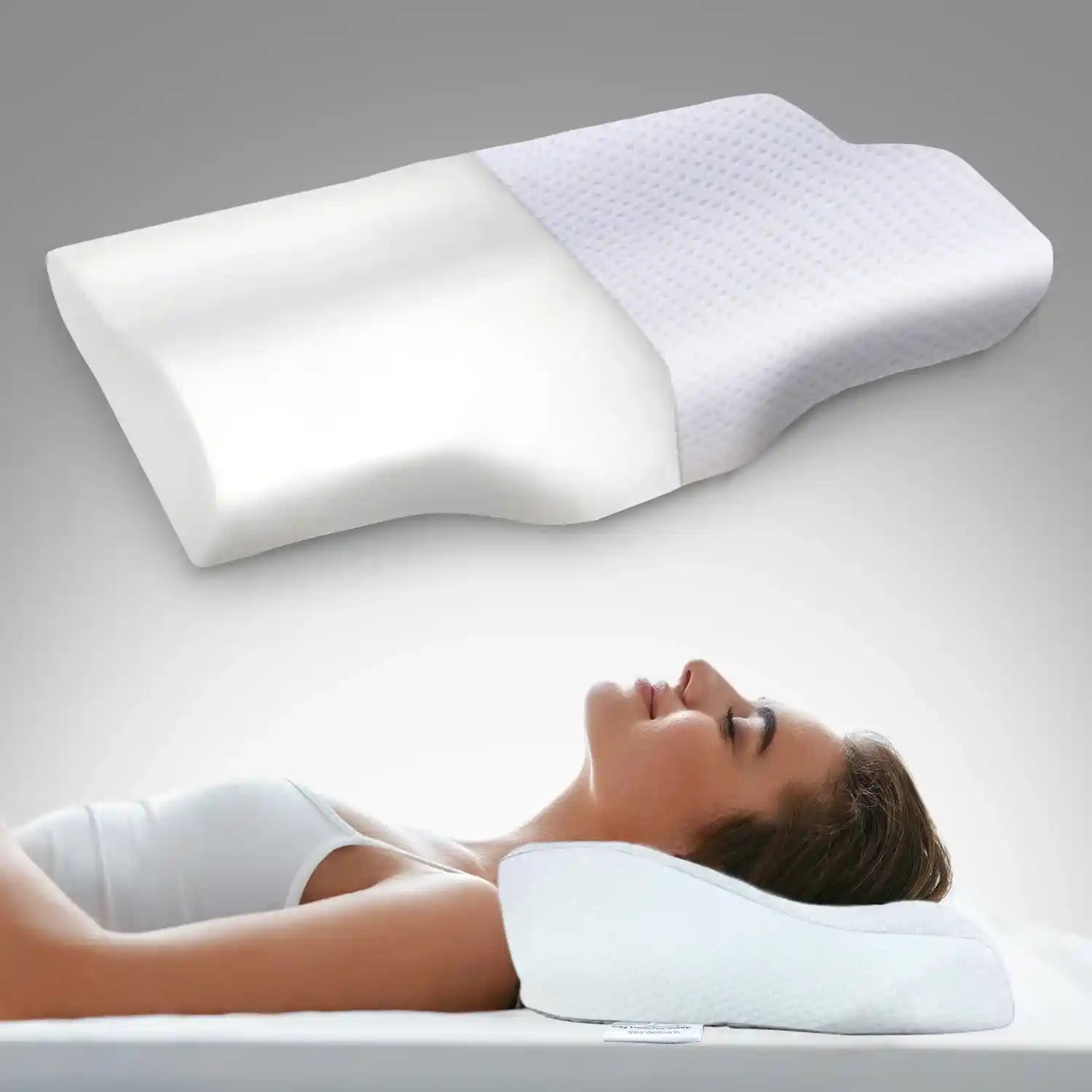
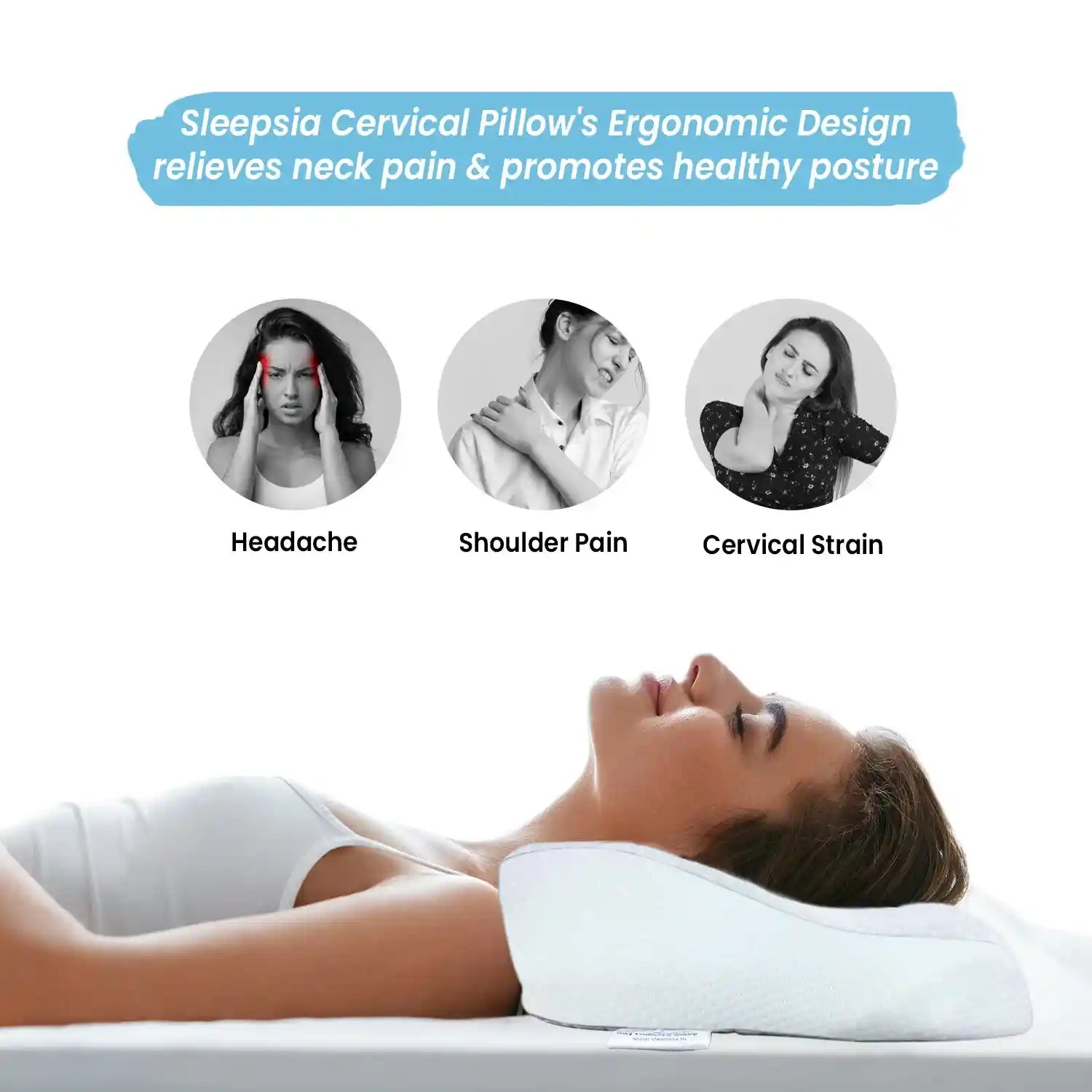
One important way to do this is by using a cervical pillow, which has been shown to play an important role in regulating your breathing and helping you snore less. If you're interested in finding out more about how pillows can help you improve your sleep quality, read on!
Recent Posts

Benefits of Marjariasana (Cat Stretch Pose) & How to Practice

How to Choose the Right Double Bedsheet Size for Your Mattress

Why Does a Cotton Bedsheet Feel Better in Summer? Benefits of Breathable Fabric

Helping Kids Sleep Through the Night: A Parent's Guide

Sleep Solutions for Seniors: Managing Arthritis & Joint Pain at Night

Best Sleep Setup for Pregnant Women in Each Trimester

Benefits of Padmasana (Lotus Pose) & How to Practice It

