

Sleeping While Pregnant: First, Second and Third Trimesters
For every woman, pregnancy is a beautiful feeling, however, it comes with its own set of complications. Finding the right sleep position during pregnancy is the major complication between comfort and well-being.
Sleep loss is one of the most obvious outcomes of this complication during pregnancy. This is because, due to hormonal changes, determining the right sleeping position during pregnancy emerges as a concern. Whether addressing morning nausea or late-night fetal shifts, right body positioning plays a crucial role.
Not to mention, proper positioning enhances sleep quality and benefits both the baby and the mother.
This guide explores the correct sleeping positions throughout the pregnancy phases while discussing sleep errors and emphasizing rest importance.
Recommended Products




What Essential Role Sleep Plays During Pregnancy?
Sleep relaxes the body to create memories. Sleep empowers the blood vessels to rebuild, enabling the body to recover and repair. The additional blood flow is crucial for the growth and development of the baby.
During pregnancy, sleep quality declines severely, still, it is accountable for your strong immunity and proper blood sugar levels. The risk of diabetes during pregnancy shoots up due to high blood sugar levels, resulting from lack of sleep.
Healthy sleeping patterns build a shield against mental and physical strain, contributing to overall health.
Sleeping While Pregnant: First Trimester

Pregnancy affects the body throughout the first trimester through bathroom frequency, morning nausea, and various other symptoms. Pregnancy symptoms create sleep problems that result in insomnia for expecting mothers.
Sleep Adjustments in the First Trimester
Pregnancy is supported by a specific hormone in women, called Progesterone. In the first trimester, this hormone escalates rapidly, impacting the sleep quality. This leads to uneasiness and daytime fatigue and often quicker bedtimes for some women.
During this trimester, experiencing disturbed sleep patterns is quite common among pregnant women. Drowsiness and difficulty falling asleep at night are often reported by pregnant women during the first trimester, resulting in lack of adequate rest.
As per research, Sleep loss in the first trimester can trigger a number of health concerns for women, some of which include:
- Stress
- Diabetes during pregnancy
- Depression
Best Sleeping Position: First Trimester
Sleep in any position that provides physical comfort for your body in the first trimester. For some women, side sleeping helps a lot, especially the left side. Left-side sleeping minimizes compression and boosts the blood flow from the uterus to organs, veins, and back.
Doctors recommend practicing left-side sleeping to shift from sleeping on your back at the earliest.
Sleeping While Pregnant: Second Trimester

The onset of the second trimester relieves the body from some physical discomforts like sleep loss. However, certain factors are considered to get deep sleep and relaxation during this stage of pregnancy.
Sleep Adjustments in the Second Trimester
Hormone regulation improves and nausea goes away with the onset of the second trimester. Hence, sleep becomes easy. In addition, uninterrupted sleep, since the baby is still undeveloped, and fewer bathroom trips make pregnant women sleep a minimum 7-7.5 hours per night, on average.
However, some women experience newer sleep concerns to report to a healthcare provider, like:
- Swollen Feet
- Leg cramps
- Lower back pain
- Headaches(such as migraines)
Following a proper sleep schedule is of utmost importance in the second stage of pregnancy. Sleep interruptions along with insufficient sleep time may cause emotional distress and diabetes problems that damage wellbeing.
Following good sleep patterns and adopting healthy lifestyle behaviors reduces the chances of Sleep Apnea and Insomnia development.
Note: The risk of disorders like Preeclampsia, Preterm delivery, and diabetes during pregnancy elevates due to a rise in Sleep Apnea.
Best Sleeping Position: Second Trimester
During the later stage of pregnancy, left-side sleeping is highly recommended. It is considered the best sleeping position since it allows clear blood circulation to the kidneys and the gestating fetus. Even though it is not a critical necessity in the second trimester, initiating practice is always recommended.
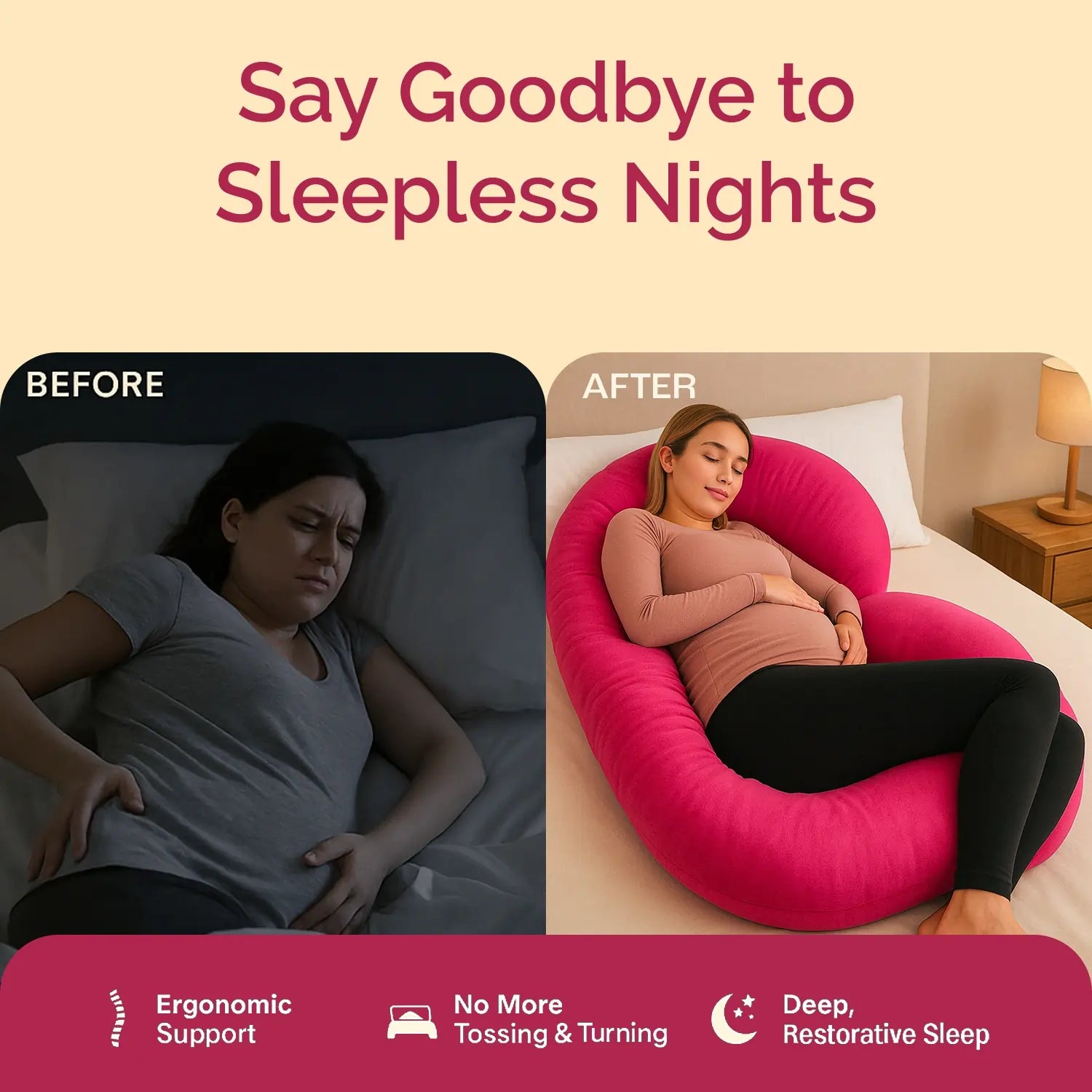
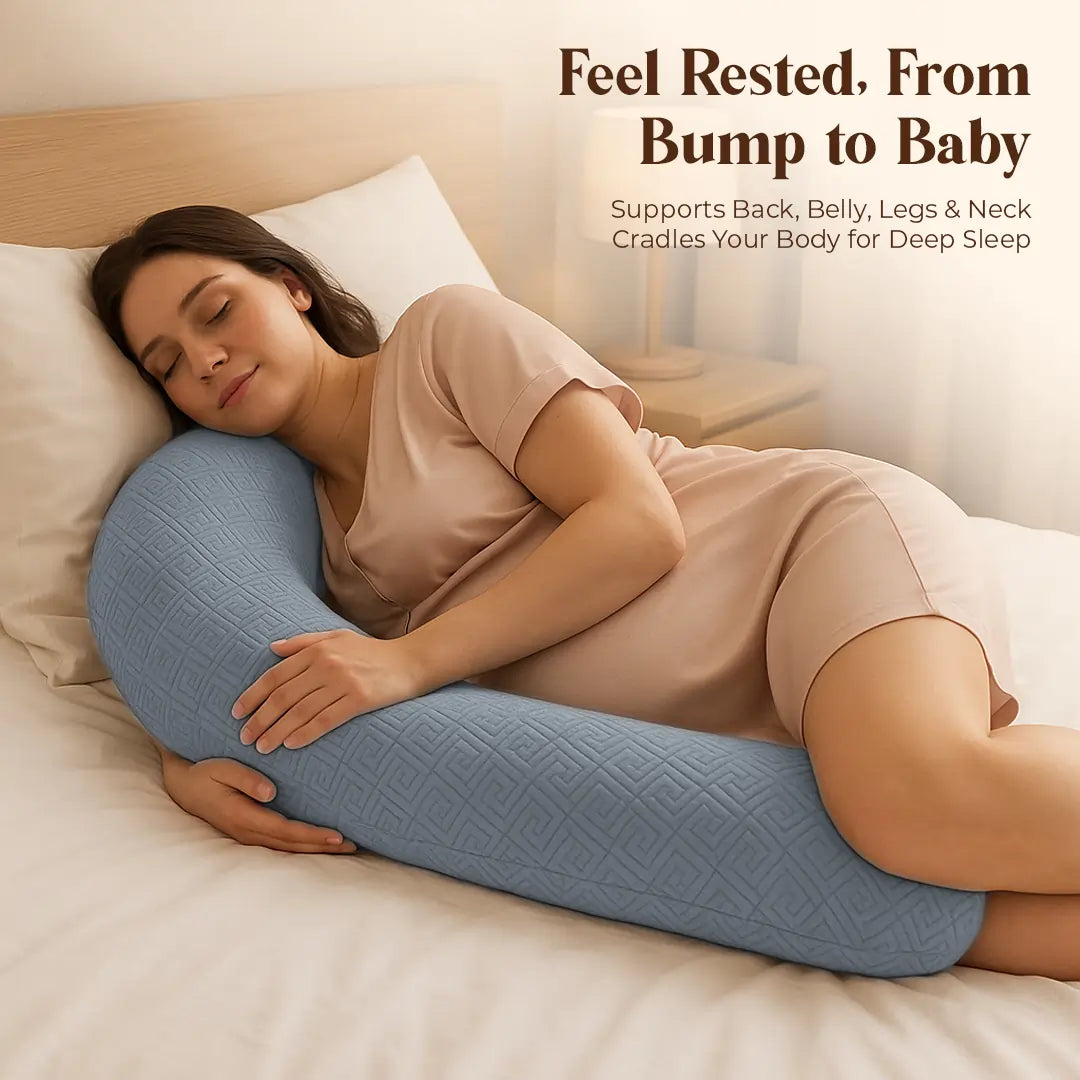
A wedge pillow or a pregnancy body pillow can significantly help those who are not typically a side sleeper. Such pillows beneath the waist and stomach can prevent turning onto your back by relieving the pressure. For enhanced spine and hip mobility, putting a pillow between the knees does the trick.
Sleeping While Pregnant: Third Trimester

In this trimester, the growth of the fetus leads to weight gain. An increase in weight elevates pressure on the joints, muscles, and blood flow, adding to the overall sleep challenges. The third trimester also increases the risk of Sleep Apnea, backaches, heartburn, and other such uneasiness.
Getting uninterrupted and sufficient restful sleep is hardly possible in this stage of pregnancy, leading to daytime tiredness. In such scenarios, to boost sleep quality, using supportive pillows and changing the sleeping positions can promote physical ease.
Common Problems Experienced During the Third Trimester
Here is the list of the issues experienced during the third trimester:
-
Insomnia
Insomnia is mostly triggered by depression, interrupted sleep, and physical uneasiness. In some women, psychological distress, irregular dream activity, and fetal activity trigger pregnancy insomnia and its side effects. For others, pressure on the bladder leading to frequent bathroom trips hinders sleep at night.
-
Backache
Interrupted sleep is often the outcome of lower back aches and muscle stiffness for most pregnant women. The pain worsens for those with elevated depression or anxiety levels.
-
Leg Cramps
Not just for pregnant women, leg cramps trigger discomfort at night for all. They compel the body to shift or move and interrupt sleep. In the later stage of pregnancy, this discomfort is quite common.
-
Sleep Apnea and Snoring
Issues like high blood pressure are often the outcome of regular snoring during pregnancy. Sleep Apnea, on the other hand, increases the possibility of diabetes and other pregnancy-related health conditions.
-
Acid Reflux
During the third trimester, the digestive system becomes weak. Consequently, poor gut health triggers acid refluxes and heartburn all night, making deep sleep next to impossible.
Significance of Sleep in the Third Trimester
Lack of adequate sleep in this final stage of pregnancy guarantees severe complications like:
- Pregnancy-associated high blood pressure
- Premature birth
- Diabetes due to pregnancy
As per reports, sleep deprivation or insomnia is often the reason for prolonged labor and increased cesarean delivery rates. Usually, such women have smaller or bigger babies than usual. Improved sleep elevates breastfeeding and minimizes depression risk in pregnancy.
Best Sleeping Position: Third Trimester
To boost the blood circulation to the uterus and supply oxygen and nutrients to the fetus, sleeping on the left-side is highly recommended. It is the best sleeping position where the legs are slightly inclined towards the chin.
Not to mention, this sleeping position helps people with varicose veins, swelling, and hemorrhoids. In cases of serious swelling, women can elevate their legs higher than the belly.
What are the Sleeping Positions to Avoid during Pregnancy?
During the progression of pregnancy, there are certain sleeping positions that are not recommended:
-
Sleeping On the Back
When the blood vessels are under stress due to back sleeping in the third trimester, the oxygen level in the fetus is decreased. Restricted blood vessels trigger acid reflux and lightheadedness. Some experts argue that back sleeping poses the risk of fetal death.
Note: Often pregnant women find it helpful to use pregnancy pillows for side-sleeping.
-
Sleeping on Stomach
When the pregnancy starts, the uterus builds a protective shield around the fetus. This is why, during the initial months of pregnancy, sleeping on the stomach is harmless.
However, with the progression of pregnancy, sleeping on the stomach every day creates issues. If you wake up on your stomach sometimes, there is nothing to panic, however, use pillows for support.
Sleep Aids During Pregnancy
There are certain approaches to boost sleep and recovery during pregnancy. For pregnant women experiencing sleep irregularities, implement the following strategies:
-
Raise The Upper Body and Torso
Sleeping in a position where the torso and head are elevated helps to manage heartburn. A partially upright position helps you deal with heartburn and acid refluxes. For this purpose, reclining chairs are the best option.
-
Eat A Low-Volume Meal Before Bed
Typically, the appetite of women at night increases significantly during the first trimester. To satiate the hunger, consume high-protein foods like peanut butter, nuts, meat, fish, etc.
-
Check Vitamin Deficiency
Often lack of nutrients like iron or folic acid leads to insufficient sleep and rest. Proper nutrients help people deal with the Restless Leg syndrome, however, consulting a certified doctor is always recommended.
Try Antacid
During pregnancy, using antacids is considered safe and harmless, however, a doctor’s consultation is always recommended.
Use Pregnancy Pillows
To get better sleep and recover properly during pregnancy, several types of pregnancy pillows are available online. J Shape Pregnancy Pillow, C Shape Pregnancy Pillow, or a U Shape Pregnancy pillow can provide the required ease.
Eat Healthy Small Meals
Eating a small and less fatty meal cuts down the possibility of acid reflux or any chest discomfort.
Fix Snoring
Breathing is heavily impacted due to intense snoring episodes. Hence, talk to a doctor to fix the snoring issue.
Final Words
At all three stages of pregnancy, sleep is often compromised or complex. For such issues, no specific solution is available, however, there are many techniques to assist with sleep difficulties. Adequate and improved sleep quality benefits both the baby and the mother.
Vivid Dreams: Meaning, Causes, Effects and How to Stop Them
Sleeping Position When You Have An Ear Infection
Recent Posts

Butterfly Pillow vs Standard Pillow: Which Is Better for Neck Pain?

Benefits of Poorvottanasana (Upward Plank Pose) & How to Practice It

Winter Sleep Essentials: Layering Bedsheets and Nightwear

Frozen Shoulder & Nighttime Pain: Pillow Positioning Tips

Benefits of Paschimottanasana (Seated Forward Bend Pose) & How to Practice It

Long Pillow for Bed: Benefits & Who Should Use One

Double Bed Sheet with Pillow Cover: How to Choose the Right Bedding Set

