

Pregnancy Insomnia: What Causes It and How to Treat It
Sleep deprivation is a common problem for expectant mothers. The medical term for sleep deprivation is Pregnancy Insomnia and this sleep-related issue is quite common during the first trimester.
Insomnia and Pregnancy go hand-in-hand. Post the first trimester, sleep quality deteriorates because pregnancy physically drains the energy out of the body. This creates the path for insomnia during pregnancy.
As per research, around 80% of women experience insomnia in pregnancy. This guide discusses the common culprits that trigger sleep problems like insomnia during the pregnancy period.
Recommended Products





What is the Meaning of the Term “Pregnancy Insomnia”?
Insomnia is difficulty in falling asleep, leading to daytime fatigue. When transitions in the body occur due to pregnancy, it disturbs the sleep patterns, impacting your overall well-being and leading to Insomnia. Insomnia occurring during pregnancy is called Pregnancy Insomnia.
Experiencing sleep loss is bad news for health, especially during pregnancy, when more rest is evident.
Note: Usually doctors recommend 7-9 hours of sleep, while during pregnancy eight to ten hours is non-negotiable.
What Are the Reasons That Trigger Insomnia During Pregnancy?
Several factors trigger insomnia during pregnancy. Sleep with insomnia issues commence in the first semester when hormones change, and take a downturn in the third trimester.
Here is a list of the reasons for insomnia during pregnancy:
- Backaches- With the change in the center of gravity, the back muscles experience elevated tension. This consistent discomfort often keeps pregnant women awake at night.
- Chest discomfort- An irritated and inflamed chest, common during pregnancy, is often the reason for sleepless nights.
- Heat surges- Sudden rise in body temperature (face, chest, and neck), common among pregnant women, cause uneasiness leading to insomnia.
- Gastric inflammation- Digestion takes a hit during pregnancy, setting off gastrointestinal gas and bloating. This makes sleep impossible at night.
- Restless legs and cramps- Shifting of blood circulation on muscles and nerves triggers leg cramps and often the Restless leg syndrome. This leads to sleep deprivation.
- Acid Reflux- Stomach acids enter the Esophagus due to hormonal changes leading to heartburn. Consistent heartburn leads to disturbed sleep for pregnant women.
- Intense Dreams- For pregnant women, intensely detailed dreams are a common thing. Such dreams often compel women to wake up and lose sleep for the night.
- Nausea Sensation- At night, throwing up or experiencing nausea is quite expected. Nausea leads to sleeplessness and eventually insomnia.
- Frequent bathroom trips- As fetal growth continues, getting awake at night for several bathroom trips is common. This leads to disturbed sleep and uncomfortable sleep.
- Snoring- Sometimes, due to swollen nasal passages, we make sounds while breathing; this noisy breathing is called snoring. Your partner's snoring can disturb your sleep at night.
- Anxiety- Pregnant women have several concerns, worries, and anxiety attacks that hinder sleep at night.
- Breathlessness- The expanding uterus pressurizes the lungs, making breathing difficult. Trouble breathing triggers sleep deprivation among women leading to pregnancy insomnia.
What Are the Hazards of Sleep Loss During Pregnancy?
High-quality sleep is imperative for women during pregnancy to counter the physical strain on the body. There is no alternative to 8-10 hours of quality sleep every night. Hence, sleep loss during the gestation state can be a risk to fetal development.
Not to mention, insomnia in early pregnancy elevates the risk of premature birth, gestational diabetes, prolonged labor, and hypertension disorders (anxiety and depression). Experts quote that post-childbirth depression declines only with enhanced sleep quality.
How To Treat Insomnia During Pregnancy?
To revamp your sleep schedule, daily routine alterations are the best move. Remove all the factors that keep you awake and consult a healthcare professional for customized solutions for your issues.
Here is a list of the solutions you can implement to treat insomnia during pregnancy:
Select Specific Activities to Sleep Promptly
Working during the day keeps the body healthy and helps to fall asleep quickly. Short naps also help to meet rest gaps caused by sleep deprivation.
Stay Away from Oily or Spicy Food at Night
Refrain from foods that are spicy or oily which can induce heartburn. Instead, eat only three big meals a day. Fix your acid reflux (if any) for a trouble-free sleep at night.
Consume Good Foods
Some dietary components ease sleeping position during pregnancy insomnia signs by adding the required magnesium and calcium. Include edibles like dried fruit, seeds, whole grains, beans, nuts, etc., for a good night’s sleep.
Say No to Fluids Prior To Bedtime
Do not drink water prior to bedtime to avoid frequent bathroom visits at night. Take only small sips of water if you are thirsty or have a dry mouth.
No Energy Boosting Compounds Before Bedtime
Before bedtime do not consume any cognitive stimulants like coffee. Also, turn away from any blue light from mobile/laptop screens that can wake up the brain.
Keep Away from Worries During Bedtime
Consult a therapist or a professional to keep yourself away from worries. Write down the matters to consult and talk about them later.
Ensure Proper Sleep Hygiene
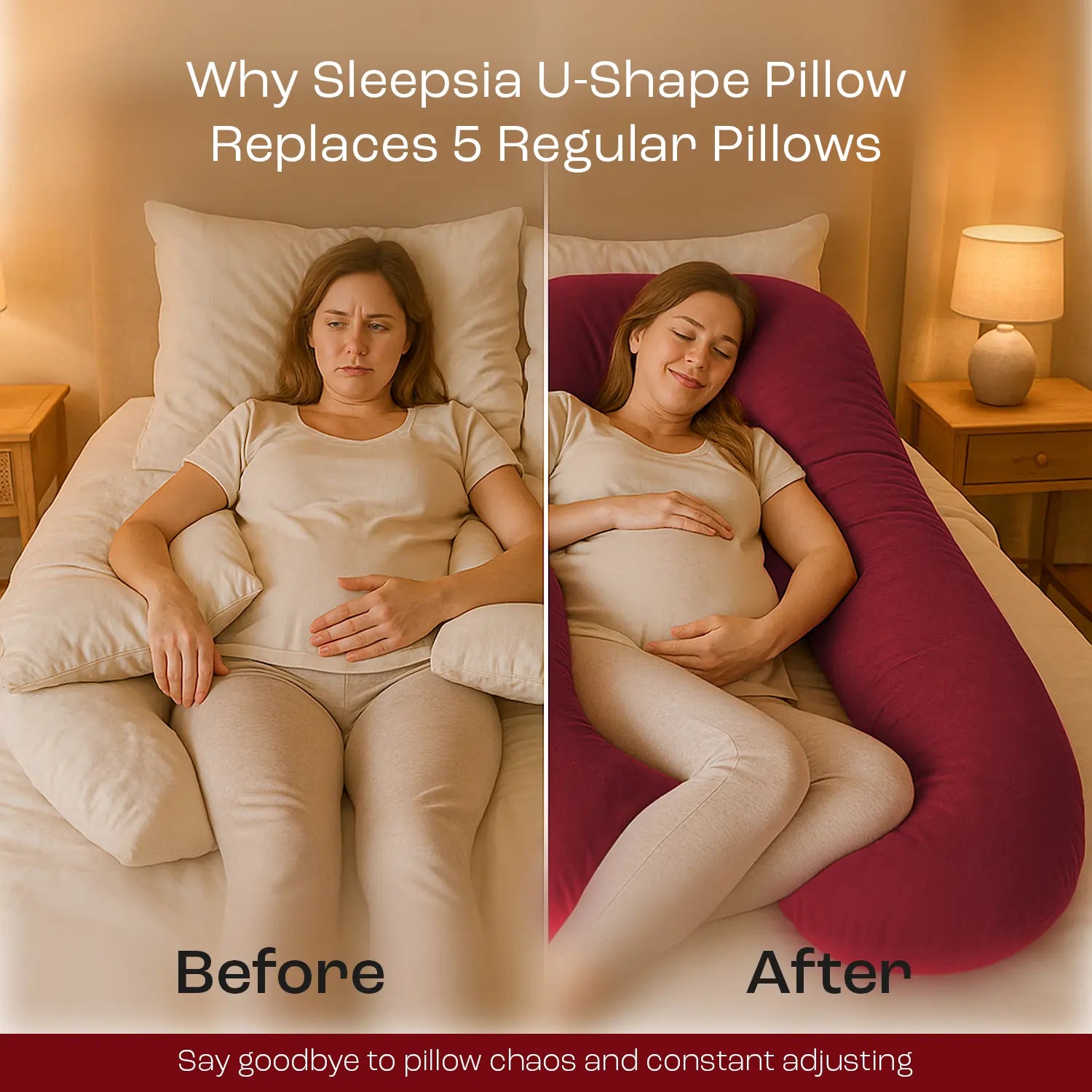
Implement a tight sleep schedule, without making weekends an exception. Create the perfect environment for the bedroom, which is cool, dark, and quiet. Use a pregnancy pillow for a comfortable sleep. A device that produces natural sounds can be of great help.
Use Relaxation Method
Stretching, breathing exercises, meditation, yoga or a warm bath are some of the best result-oriented relaxation methods.
What are the Specific Treatments Used for Insomnia Pregnancy?
Follow the medications and treatments shared below, if lifestyle changes did not make the expected outcome for insomnia pregnancy:
- Pharmaceutical drugs- There is no specific medication to treat insomnia for pregnant women. Consult a healthcare professional if insomnia has emerged as a greater risk for health.
- Cognitive Behavioral Therapy- As per market reports, CBT helps women deal with insomnia during pregnancy.
- Folate- To deal with restless leg syndrome amplify the folate intake.
Final Words
Insomnia or sleep loss experienced during the first trimester of pregnancy is not a big concern for most women. Taking short naps during the day meets the quota of rest the body requires during pregnancy.
However, it is highly recommended to avoid taking any medications or herbs for sleep, without consulting a professional.
In case your insomnia is taking a toll on your daily life, talk to your doctor about any sedation which is safe for you during pregnancy.
FAQs
Q: When does Pregnancy insomnia begin?Ans: At any time, pregnancy insomnia can kick off. There are a number of factors based on which women experience insomnia like sleeping conditions, health status, and lifestyle.
Q: Can women use Melatonin to deal with insomnia during pregnancy?Ans: It is best to consult with a healthcare professional before ingesting melatonin supplements to deal with insomnia. It can have severe side effects, so consult before consuming.
Q: How prevalent insomnia is during pregnancy?Ans: At some point, insomnia impacts all pregnant women. With the development of the fetus, the risk of experiencing insomnia increases significantly. Every 1 in 4 women experience insomnia early in pregnancy.
Q: When should I consult my healthcare professional?Ans: When sleep deprivation or sleep loss is undermining your health and your ability to perform throughout the day. Managing insomnia is a boon for your health and also works wonders to deal with pregnancy challenges.
Things to Know About Daylight Saving Time
Difference between King Size and Queen Size Bed Sheet
Recent Posts

Butterfly Pillow vs Standard Pillow: Which Is Better for Neck Pain?

Benefits of Poorvottanasana (Upward Plank Pose) & How to Practice It

Winter Sleep Essentials: Layering Bedsheets and Nightwear

Frozen Shoulder & Nighttime Pain: Pillow Positioning Tips

Benefits of Paschimottanasana (Seated Forward Bend Pose) & How to Practice It

Long Pillow for Bed: Benefits & Who Should Use One

Double Bed Sheet with Pillow Cover: How to Choose the Right Bedding Set

