

Does a Room Humidifier Help With Dry Air? Uses and Benefits Explained
Yes, a room humidifier does correct dry air; it adds moisture to the air indoors and raises humidity levels. It can soothe dry skin, a dry throat, chapped lips, and irritated nasal passages. A room humidifier is very helpful in winter, during air conditioning, and generally with dry indoor heating.
But humidity control is also very important. Air that is too humid will create a breeding ground for mold and dust mites, and the optimal RH of a home should range from 30-50%. This article explains when and why to use a room humidifier and how to maintain it.
Recommended Products
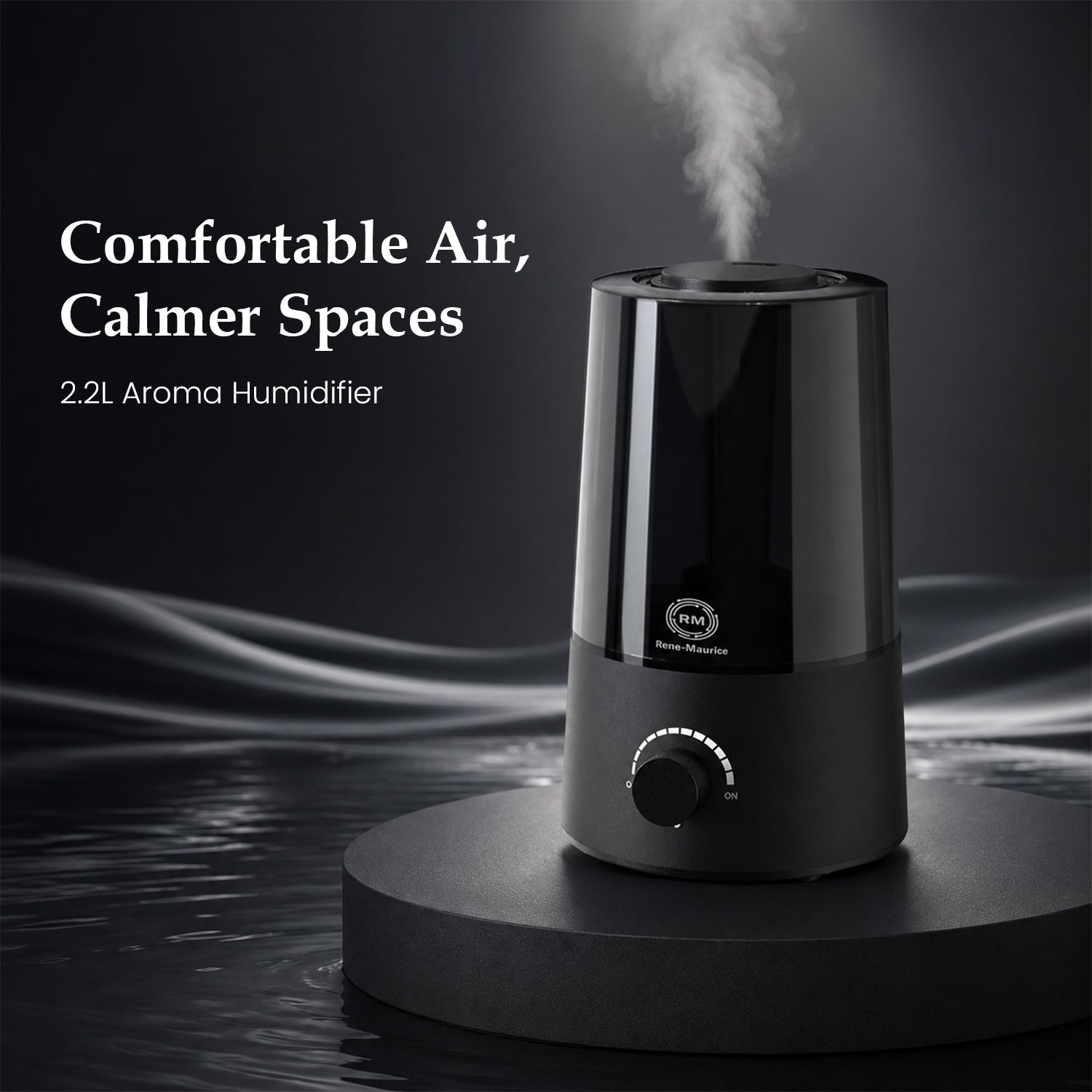
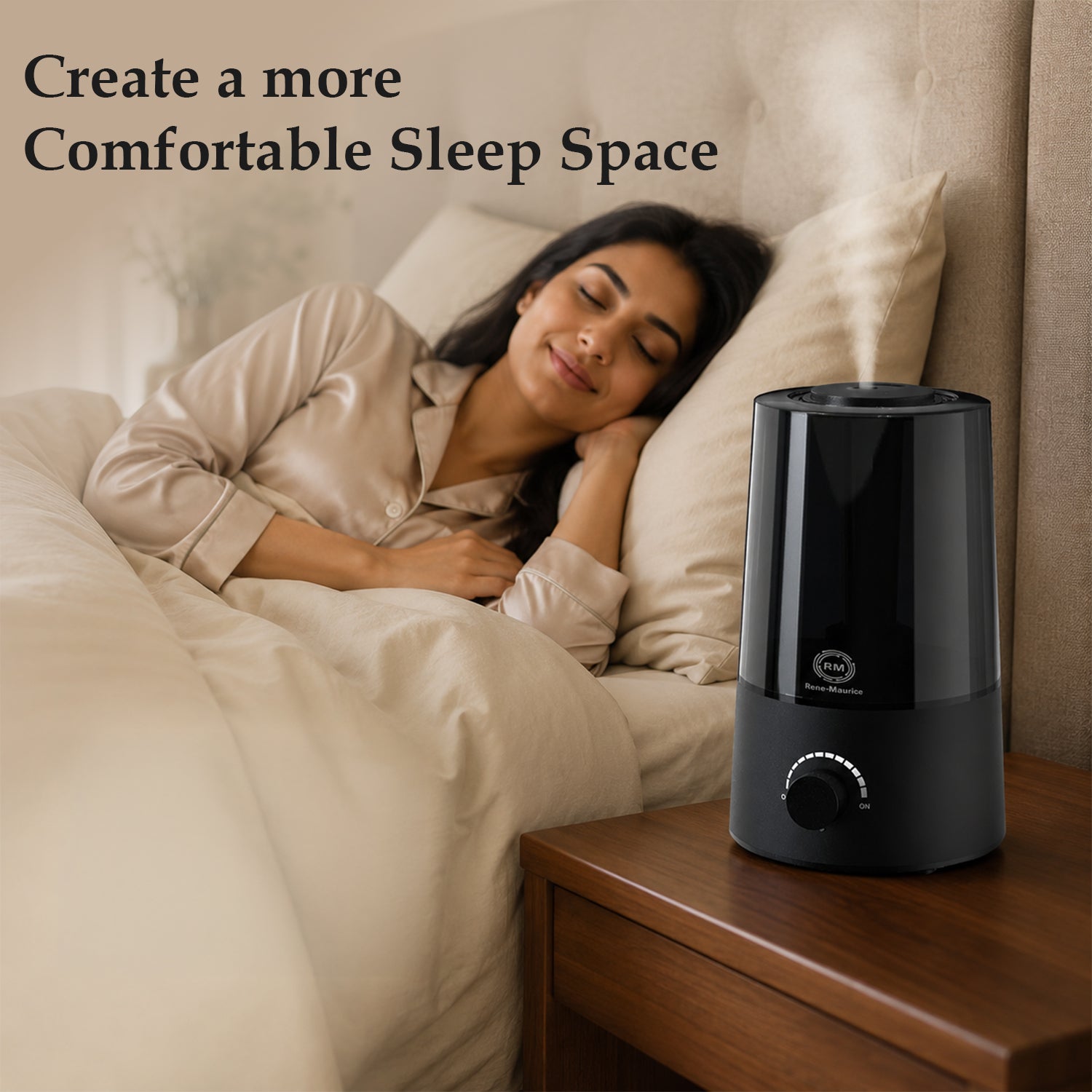
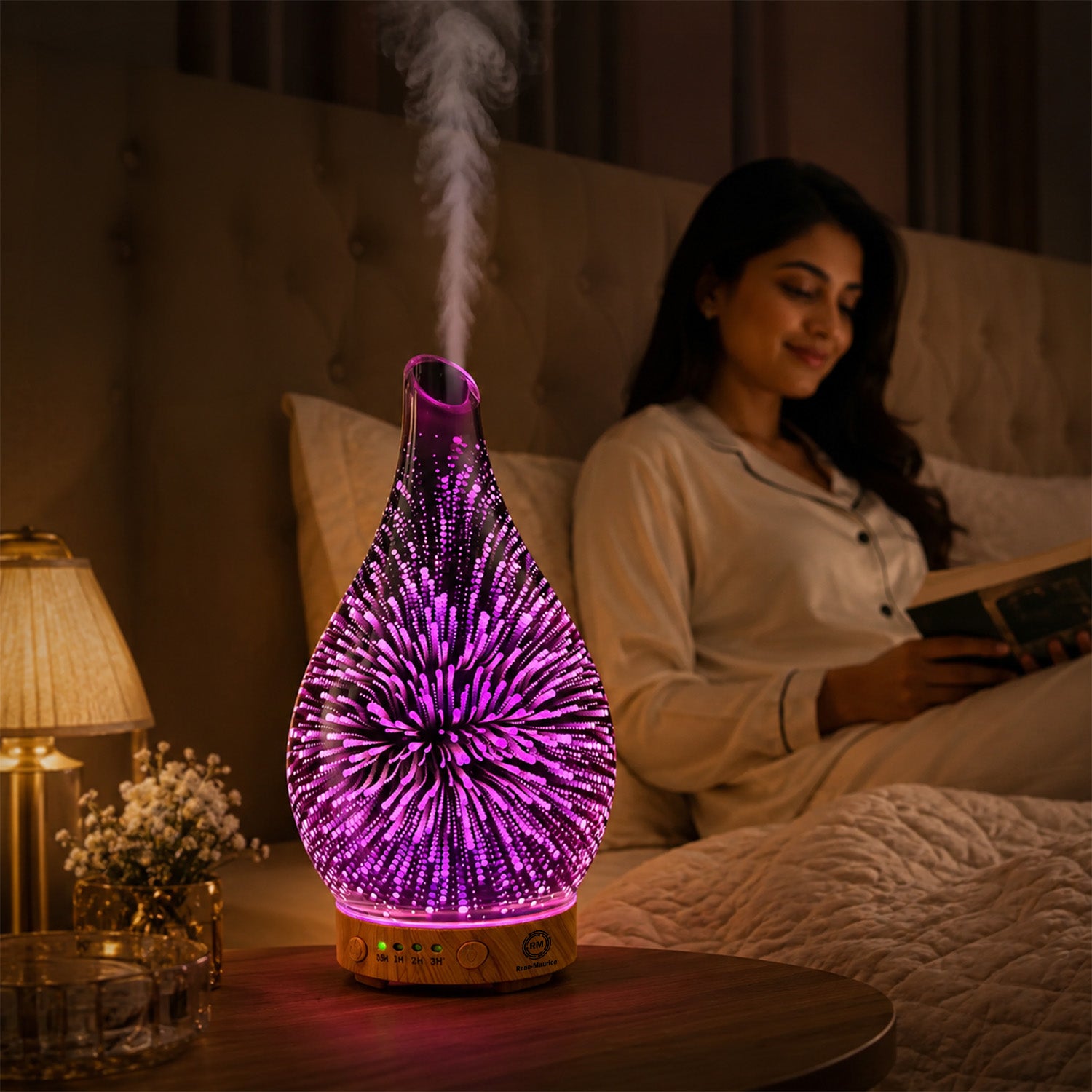

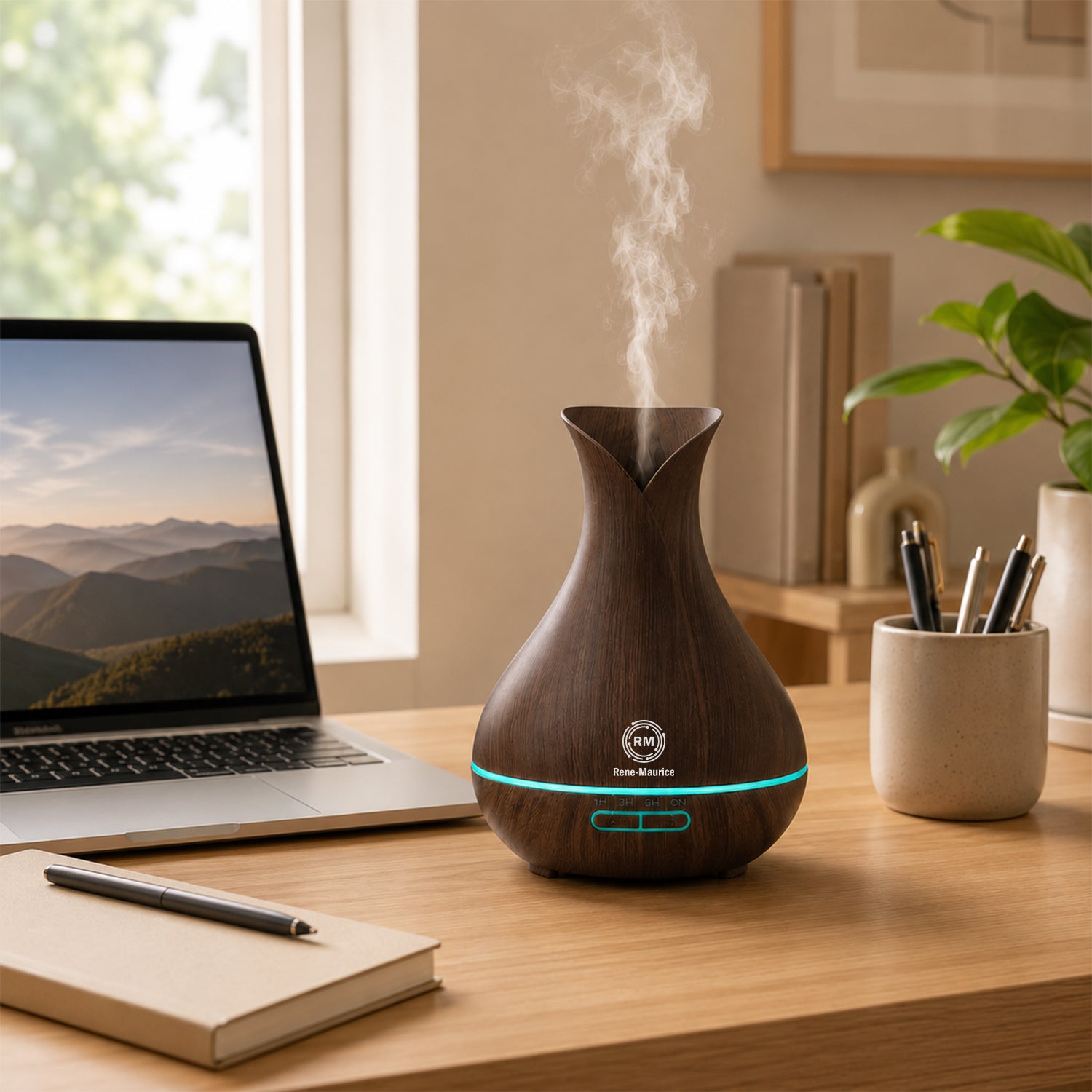



What are the Benefits of a Room Humidifier?
Here are the benefits of using a humidifier for room:
Better Sleep
Bedroom humidifiers will keep your nose and throat moist while you sleep, allowing you to sleep better. However, the use of a humidifier will not cure snoring.
Counters AC/Winter Dryness
During summer months with air conditioning and in winter months with heating, indoor climates can become extremely dry. If humidity is low, a humidifier provides it.
Moisture Protects Your Wooden Furniture
The right amount of moisture will prevent drying and/or cracking of musical instruments, furniture, and wood flooring.
Offers Sinus and Nasal Comfort
Bedroom humidifiers can be used to soothe a dry throat, dry cough, and dry, irritated nose when the air is dry. It can help loosen mucus, which will help you cough it out.
Reduces Air Drying
A humidifier for the room can increase the level of moisture in the air, which helps get rid of dryness, flaking skin, and chapped lips.
Increases the Moisture Level for Houseplants
Tropical plants prefer humidity. If it is too dry, a humidifier for dry air will give them the humid conditions they are looking for.
What are the Uses of a Room Humidifier?
A humidifier for a room adds moisture to a room with dry air. You can use it to humidify your home and make it more comfortable.
The benefits of humidifiers include the following:
Prevent dry skin and chapped lips
Dry air can dry your skin, leaving it dry and flaky, and your lips chapped. Avoid this by moistening the air.
Relieve a dry nose and throat
Dry air can leave your throat dry, your nasal passages dry and your cough dry. Symptoms can be relieved by sleeping with a humidifier.
To help you sleep more comfortably
A humidifier in your bedroom can prevent your throat and nose from drying out as you sleep.
To help relieve irritation due to dryness
People with dry skin or dry eyes might feel more comfortable at higher levels of humidity. Of course, a humidifier is no replacement for a doctor.
Maintain humidity levels
Heating and cooling systems also serve to reduce indoor humidity. A humidifier can maintain adequate humidity levels.
How Do You Choose the Right Room Humidifier?
Consider the size of your room, the climate where you live, your budget and your daily needs before purchasing a humidifier for the room.
1. Choose the right kind of humidifier
A cool mist humidifier emits cool mist into the air. These humidifiers are great in bedrooms and warmer climates; you can burn yourself on hot water humidifiers. On the other hand, a warm mist humidifier heats the water to produce steam. The warm mist ones may be effective in cold rooms, but they consume much more electricity than cool mist and can burn.
2. Match the Humidifier to Your Room Size
Also check the recommended room coverage before buying a humidifier and diffuser. A small humidifier will not moisten a large room.
- Small rooms: Buy a small office humidifier.
- Medium to Large Rooms: Get a large moisture output and large area humidifier.
- High Ceilinged Rooms: There is more air in a room with high ceilings, and you may need a humidifier with more output.
3. Compare Price and Maintenance
Be sure to compare the purchase price as well as the cost of power to run the humidifier and the price of replacement filters before purchase. The lower-cost unit might be the more expensive model in the long run if its filters or parts have to be replaced regularly.
Tip: Maintain humidity in rooms between 30 and 50%. Keep humidity low, ideally not above 60 percent, as excess moisture can encourage the growth of dust mites and mold. If your humidifier won’t measure humidity, buy yourself a hygrometer.
Also Read:- Can You Use a Humidifier and Aroma Diffuser Together? What You Should Know
How to Use a Room Humidifier Safely and Effectively?
Here are some tips for using a room humidifier safely and effectively:
- Place your humidifier on a tall, stable surface, and keep it away from curtains, furniture, and electronics.
- If necessary, use distilled or demineralized water, as recommended by the manufacturer, in order to reduce white mineral dust (especially for ultrasonic humidifiers).
- When the water tank needs to be emptied, be sure to rinse it before refilling; otherwise, water that doesn't keep getting refreshed will create a condensation environment in the humidifier.
- For indoor spaces, relative humidity should be maintained within the range of 30 to 50 per cent, which can be monitored by using a hygrometer, and humidity may increase or decrease as the weather gets colder or warmer, respectively.
- Rinse the water in the water tank and base of the humidifier every other month, as recommended, rinsing off thoroughly; replace the filter or wick as recommended.
- Warm-mist humidifiers can burn; keep away from children and pets. Never pour oils into the water tank unless they are recommended to be poured.
Conclusion
A humidifier for dry air in the bedroom can combat a dry nose, throat, and skin. Humidifiers can be especially beneficial during the winter and/or when your home has become very dry due to the use of an air conditioner.
Ensure that the humidifier in your bedroom is sized for the room and that you prefer and maintain the air humidity level between 30 and 50 percent, and clean the humidifier regularly. Having a humidifier that is in working order will enhance your life.
FAQs
Q1: Can sleeping with a humidifier be helpful for my body?Ans: Yes, sleeping with a humidifier helps with a dry nose, throat, and/or skin. Keep indoor humidity in the bedroom at 30-50% (regularly clean the humidifier and turn it off if the humidifier makes the room too humid).
Q2: How Long Will The Humidifier Last?Ans: If you have dry air in your room, you may want to use a humidifier for several hours, or overnight.
Q3: Can I run my AC and a humidifier?Ans: It is perfectly fine to run a humidifier while your air conditioner is running. Since the air conditioner dehumidifies the room, if the room gets too dry, one can humidify the room by using a humidifier. Moisture reading should ideally be taken before either of the two devices is used.
Q4: When should you not use a humidifier?Ans: Avoid using your humidifier if indoor humidity is already high. If there is condensation on windows; If there is damp walls; or if there is mould. High humidity can create mold and dust mites.
Q5: Could humidifiers be bad for my lungs?Ans: A well-used and maintained room humidifier will not hurt your lungs. It can also help combat dryness in the nose and throat. But if your humidifier gets dusty or dirty, it can blow bacteria or mold or mineral deposits into your lungs.
Diwali Gift Ideas: Give the Best Gift to Your Loved Ones
Where Should You Place a Humidifier in a Baby's Room?
Recent Posts

Where Should You Place a Humidifier in a Baby's Room?

Diwali Gift Ideas: Give the Best Gift to Your Loved Ones

Can You Use a Humidifier and Aroma Diffuser Together? What You Should Know

How Long Can You Run a Diffuser in a Room? Safety & Usage Tips

Where Should You Place a Room Diffuser for Better Fragrance Distribution?

7 Benefits of Shishuasana (Child Pose) and How to Practice It Correctly

