

What Causes Snoring in Females
Have you ever been told that you snore? It may surprise you, but snoring isn't just a man's problem. Females snore, too, and it's more common than many people realize.
Snoring happens when the airflow through yor nose or throat is partially blocked during sleep, causing the soft tissues in your airway to vibrate. While occasional snoring after a long day or during a cold is usually nothing to worry about, frequent or loud snoring could be your body's way of telling you that something isn't quite right. If you've been asking yourself what causes snoring in females, you're not alone. Hormonal changes, pregnancy, menopause, weight gain, allergies, nasal congestion, and even your sleeping position can all play a role. The good news? In many cases, snoring can be managed with simple lifestyle changes or the right treatment.
In this article, we will read the causes of snoring in females, the signs that shouldn't be ignored, and practical tips to help you sleep more peacefully and maybe even keep your partner happy too!
Recommended Products



























What Is Snoring?
Snoring is the sound created when air flows through narrowed airways during sleep. As the muscles of the throat relax, the tongue, soft palate, and surrounding tissues can partially block the airway. The vibration of these tissues produces snoring.
Not every person who snores has a serious health condition. However, persistent snoring may reduce sleep quality for both the individual and their partner and can sometimes be a symptom of obstructive sleep apnea (OSA).
What Causes Snoring in Females?
Many factors can cause a female to snore. Some causes are harmless and temporary, while others may indicate an underlying health condition. Hormonal changes during pregnancy and menopause are unique causes of snoring in females, but factors like allergies, weight gain, and lifestyle habits can affect anyone.
Pregnancy

Pregnancy is one of the most common reasons females start snoring. In fact, many females notice snoring for the first time during pregnancy, especially in the third trimester.
This happens because pregnancy can:
- Increase body weight
- Cause swelling in the nasal passages
- Raise blood volume, leading to nasal congestion
- Make breathing through the nose more difficult
The good news is that pregnancy-related snoring usually improves within a few weeks after delivery.
Menopause

Many females begin snoring during or after menopause. As estrogen and progesterone levels decline, the muscles that help keep the airway open become less supportive. This can cause the airway to become narrower while you sleep.
Many females gain weight during menopause, which can further increase the risk of snoring.
Being Overweight or Obese

Carrying extra weight—especially around the neck and throat—is one of the leading causes of snoring in females.
Extra fatty tissue can put pressure on the airway, making it narrower. As you sleep and your muscles relax, the airway becomes more likely to vibrate, causing snoring.
Maintaining a healthy weight may help reduce snoring and improve sleep quality.
Nasal Congestion and Breathing Problems

When your nose is blocked, you're more likely to breathe through your mouth while sleeping, which can increase snoring.
Common causes of nasal blockage include:
- Seasonal allergies
- Common cold
- Sinus infections
- A deviated nasal septum
- Nasal polyps
Treating the underlying nasal problem can often reduce snoring.
Smoking, Alcohol, and Certain Medications

Some lifestyle habits and medications can relax the muscles in the throat or irritate the airways, making snoring more likely.
These include:
- Smoking
- Drinking alcohol, especially before bedtime
- Sleeping pills
- Muscle relaxants
- Certain anti-anxiety medications
- Some antihistamines and antidepressants
Avoiding alcohol close to bedtime and quitting smoking may help reduce snoring.
Hypothyroidism

An underactive thyroid (hypothyroidism) can also contribute to snoring. When the thyroid doesn't produce enough hormones, it can affect muscle function and lead to swelling in the airway, making breathing more difficult during sleep.
Females are more likely than men to develop hypothyroidism, especially during pregnancy or after menopause. If snoring is accompanied by symptoms such as fatigue, weight gain, dry skin, or feeling cold all the time, it's a good idea to speak with your healthcare provider.
Obstructive Sleep Apnea (OSA)

Sometimes, snoring is more than just a noisy habit. It can be a sign of obstructive sleep apnea (OSA), a sleep disorder in which the airway repeatedly becomes blocked during sleep. These pauses in breathing can reduce oxygen levels and interrupt your sleep throughout the night.
While not everyone who snores has OSA, frequent, loud snoring combined with other symptoms should not be ignored.
Common symptoms of obstructive sleep apnea include:
- Loud, frequent snoring
- Pauses in breathing during sleep
- Gasping or choking while asleep
- Waking up with a dry mouth or headache
- Feeling tired even after a full night's sleep
- Difficulty concentrating during the day
OSA was once thought to affect mostly men, but research now shows that it is often underdiagnosed in females. This may be because females often experience different symptoms, may not realize their snoring is a problem, or may not have someone who notices pauses in their breathing.
If you snore regularly and also experience daytime fatigue or breathing interruptions during sleep, it's important to consult a healthcare provider. Early diagnosis and treatment can help improve sleep quality and reduce the risk of serious health problems such as high blood pressure, heart disease, and stroke.
Is Snoring Normal in Females?
Sometimes, snoring is very common and can happen to almost anyone. It may occur when you have a cold, allergies, or after an exhausting day. Snoring also becomes more common with age, and studies estimate that around 28% of adult females snore on a regular basis.
Even though many females snore, they may not always be aware of it or may feel embarrassed to talk about it. Since snoring has often been associated with men, some females may overlook it or assume it's not something worth mentioning.
Because snoring happens while you're asleep, you may not realize you snore—especially if you sleep alone. In most cases, occasional snoring is harmless and doesn't need treatment unless it regularly disturbs your sleep or your partner's rest.
However, frequent or loud snoring should not be ignored. If it's accompanied by symptoms such as pauses in breathing, gasping during sleep, morning headaches, or excessive daytime tiredness, it could be a sign of obstructive sleep apnea (OSA). In such cases, it's important to consult a healthcare provider for a proper evaluation.
How to Reduce or Prevent Snoring
The best way to reduce or prevent snoring depends on its underlying cause. In many cases, simple lifestyle changes, such as maintaining a healthy weight, sleeping on your side, and treating nasal congestion, can help reduce snoring. If these measures aren't enough, your doctor may recommend additional treatment options.
Avoid Smoking, Alcohol, and Sedatives
Smoking, alcohol, and certain medications can increase the risk of snoring. Avoiding smoking and limiting alcohol intake, especially before bedtime, may help reduce snoring. If you think a medication is contributing to your snoring, talk to your doctor. They may be able to adjust your dosage or recommend an alternative medication.
Treat Nasal Congestion
A blocked nose can make snoring worse by restricting airflow. Depending on the cause, your doctor may recommend a decongestant, a saline nasal rinse before bedtime, or other treatments to relieve nasal congestion. Since some decongestants can cause rebound congestion when used for too long, it's important to use them only as directed by your healthcare provider.
Avoid Sleeping on Your Back
Some people snore less when they sleep on their side or with their upper body slightly elevated using a wedge pillow. To help stay on your side during the night, some people place a tennis ball in the back of their sleepwear to discourage rolling onto their back. Other products, such as special pillows, posture alarms, and side-sleeping shirts, are also available, although more research is needed to confirm how effective they are.
Get Regular Exercise
If excess weight is contributing to your snoring, regular exercise may help. Along with supporting weight loss, exercise can improve muscle tone and reduce excess tissue around the neck and throat, which may help keep the airway open during sleep.
Try a Nasal Dilator
If lifestyle changes don't improve your snoring, your doctor may recommend using a nasal dilator. These devices help keep the nasal passages open, making it easier to breathe through your nose while sleeping. Nasal dilators are available as inserts that fit inside the nostrils or as adhesive nasal strips that stick to the outside of the nose.
Get an Oral Appliance
For some people, a doctor may recommend a custom-made oral appliance, also known as a snoring mouthpiece. These devices are specially fitted by a dentist and are different from mouthguards used for teeth grinding. They work by gently moving the jaw or tongue forward or adjusting the position of the tissues in the mouth to help keep the airway open during sleep.
Use a Positive Airway Pressure (PAP) Device
If snoring is caused by obstructive sleep apnea, your doctor may recommend a Continuous Positive Airway Pressure (CPAP) machine. This device delivers a steady flow of air through a mask worn during sleep, helping keep the airway open and preventing breathing interruptions.
Talk to Your Doctor
Snoring can have many different causes, so it's important to identify the underlying reason. If your snoring is frequent, loud, or affecting your sleep, consult a healthcare provider. They can evaluate your symptoms, recommend the most appropriate treatment, and determine whether further testing for sleep apnea or another medical condition is needed.
Preventive Tips to Reduce Snoring (New Section)
- Maintain a healthy weight.
- Sleep on your side whenever possible.
- Avoid smoking and limit alcohol before bedtime.
- Treat allergies and nasal congestion promptly.
- Exercise regularly.
- Follow a consistent sleep schedule.
When Should You See a Doctor?
Sometimes snoring is harmless, but you should see a doctor if you snore loudly or frequently, experience pauses in breathing, wake up gasping or choking, have morning headaches, or feel excessively tired during the day. These symptoms may be a sign of obstructive sleep apnea or another underlying health condition that requires medical evaluation and treatment.
Conclusion
Snoring in female is more common than many people think, and it can happen for many reasons, including hormonal changes, pregnancy, menopause, weight gain, nasal congestion, or underlying sleep disorders. While occasional snoring is usually harmless, persistent or loud snoring shouldn't be ignored. Identifying the cause and making the right lifestyle changes can go a long way toward improving your sleep and overall well-being.
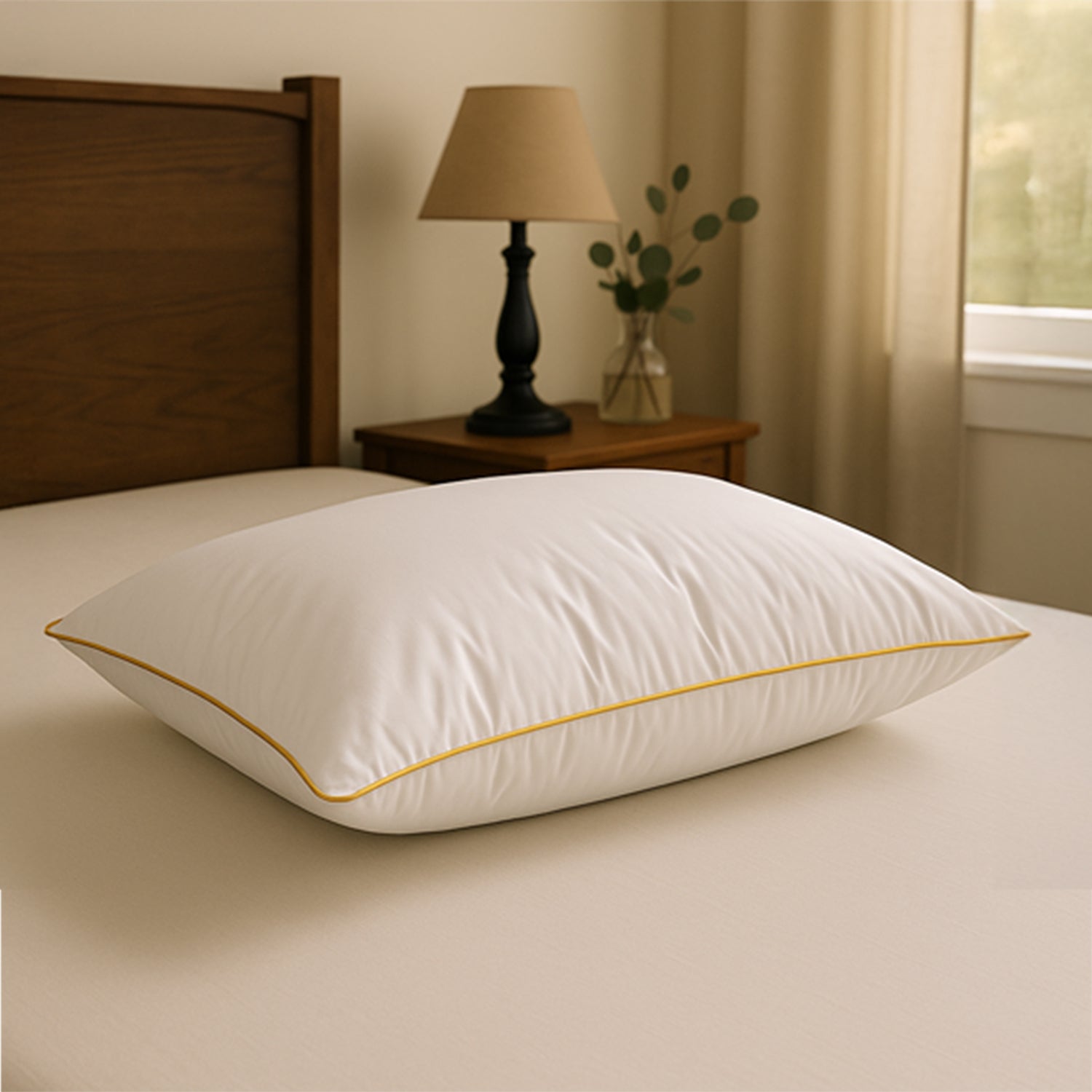
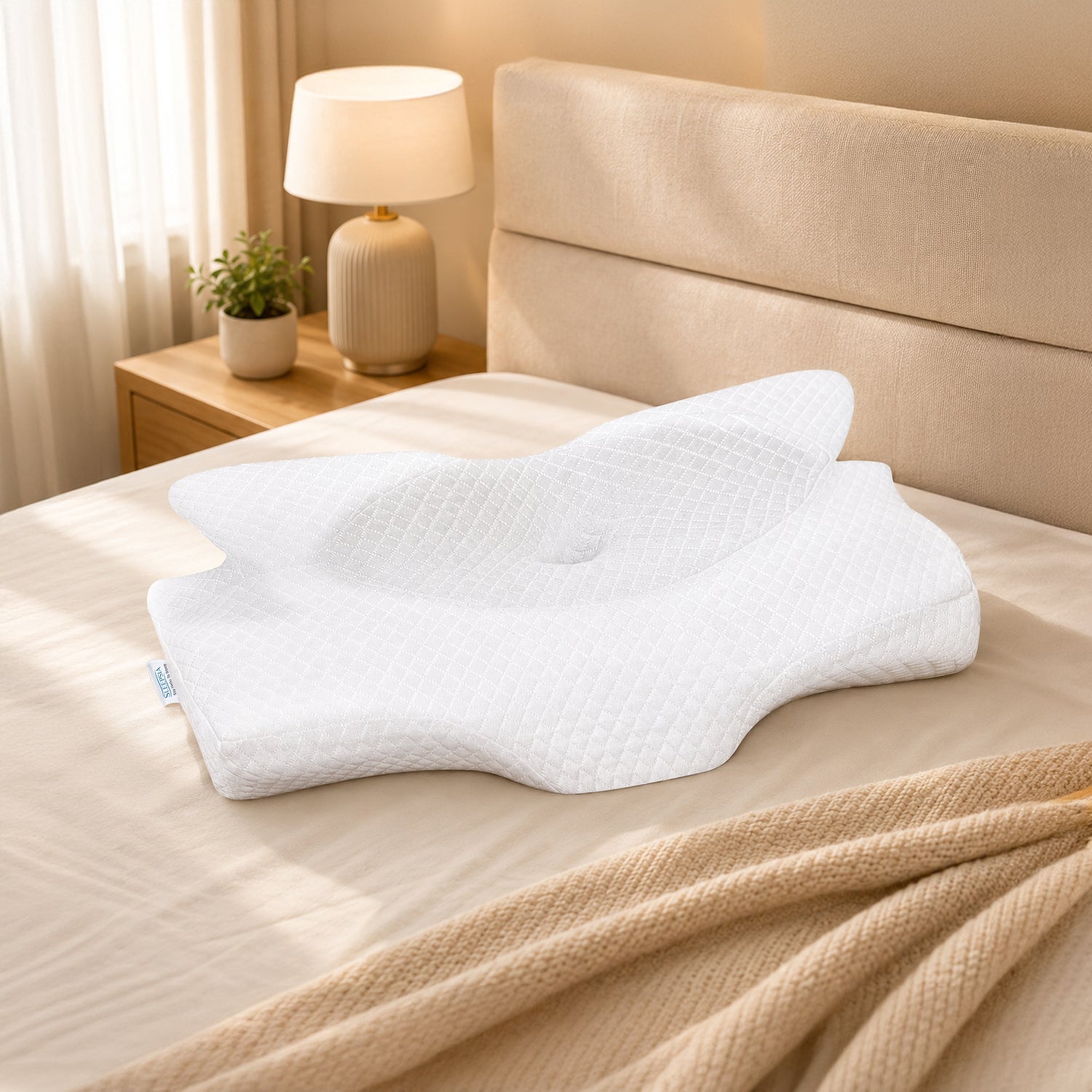
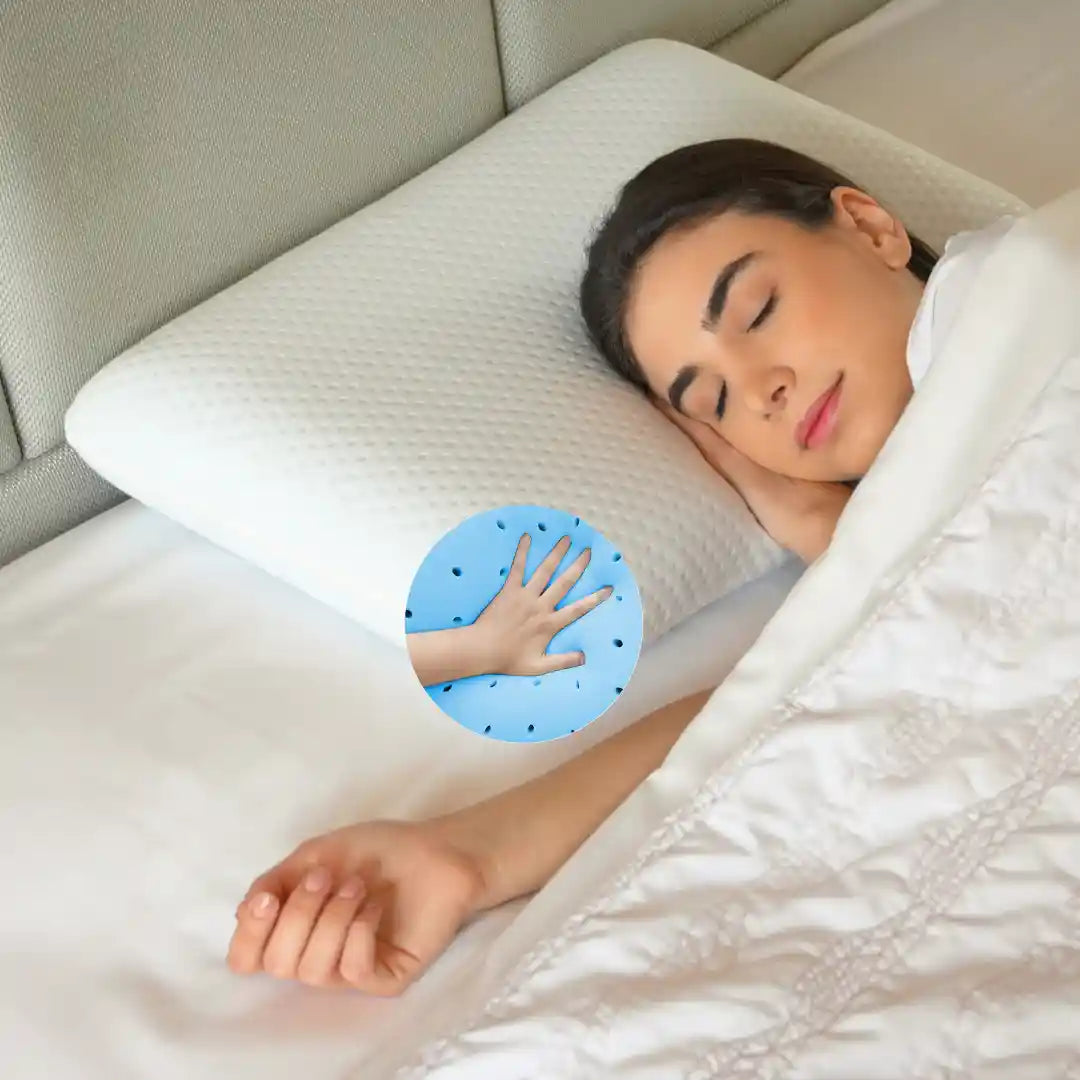
If better sleep is your goal, creating a comfortable sleep environment also matters. Supportive sleep essentials like Sleepsia pillows are designed to promote proper head and neck alignment, helping you enjoy a more comfortable and restful night's sleep. Explore Sleepsia's range of sleep products and take the first step toward healthier, more refreshing sleep.
FAQs
Q1: What causes snoring in females?Ans: Common causes of snoring in females include pregnancy, menopause, weight gain, nasal congestion, allergies, smoking, alcohol consumption, certain medications, hypothyroidism, and obstructive sleep apnea.
Q2: Is it normal for female to snore?Ans: Yes. sometimes snoring is normal and can happen to anyone. However, loud or frequent snoring may indicate an underlying health condition and should be evaluated by a doctor.
Q3: Why do females snore more after menopause?Ans: After menopause, estrogen and progesterone levels decrease, which can reduce muscle tone in the airway. Weight gain during this stage of life may also increase the risk of snoring.
Q4: Can pregnancy cause snoring?Ans: Yes. Many femalesbegin snoring during pregnancy due to hormonal changes, weight gain, and swelling in the nasal passages. In most cases, the snoring improves after childbirth.
Q5: Can losing weight help reduce snoring?Ans: Yes. If excess weight is contributing to narrowed airways, losing weight may help reduce snoring and improve sleep quality.
Q6: When should I see a doctor for snoring?Ans: You should consult a doctor if you snore loudly or frequently, stop breathing during sleep, wake up gasping or choking, or feel excessively tired during the day.
Q7: Can snoring be treated?Ans: Yes. Treatment depends on the underlying cause and may include lifestyle changes, treating nasal congestion, oral appliances, CPAP therapy, or other medical treatments recommended by your healthcare provider.
Sleep Apnea Exercises for Snoring
Top Benefits of Vrikshasana (Tree Pose) and How to Practice It
Recent Posts

Double Bed Sheet with Pillow Cover: How to Choose the Right Bedding Set

Benefits of Janu Shirasana (One-Legged Forward Bend Pose) & How to Practice It

Back Support Pillow for Office: Why It Matters for Long Sitting

What Is the Best Pillow for Neck Pain? Complete Guide

Benefits of Utkatasana (Chair Pose) & How to Practice It

Benefits of Garudasana (Eagle Pose) & How to Practice It

Rakhi Gift Ideas for Your Sister: Give Her the Gift of Better Sleep

