

Office Exercises at Desk for Back Pain Relief and Better Posture
Sitting for long hours has become a normal part of modern work life. Whether you work from home or in a corporate office, spending most of the day at a desk can lead to back pain, stiff shoulders, neck tension, poor posture, and low energy levels. Many people also experience discomfort in the lower back because office chairs often do not provide enough support.
The good news is that you do not need a gym membership or complicated equipment to stay active during work hours. Simple desk exercises and stretches can help improve flexibility, posture, blood circulation, and overall comfort.
In this guide, you will learn some of the best exercises during work breaks, easy desk exercises you can do in minutes, and tips to reduce back strain while working. We will also explain how a lumbar support pillow can improve your sitting posture and make long workdays more comfortable.
Recommended Products



Best Exercises During Work Breaks
Taking short movement breaks during office hours is one of the easiest ways to reduce stiffness, improve posture, and stay energized throughout the day. Even 5 minutes of stretching or light movement can help relieve pressure caused by prolonged sitting.
Here are some of the best exercises during work breaks that you can do right at your desk or in a small office space.
1. Neck Stretch

Working on a laptop or looking down at your phone for long hours can make your neck feel tight, stiff, or painful. A neck stretch is a simple exercise that helps relax the muscles around your neck and shoulders. It is especially useful for people who sit at a desk all day or often experience neck discomfort after work.
How to Do It
- Sit comfortably in your chair with your back straight and both feet flat on the floor. Try to relax your shoulders instead of lifting them upward.
- Slowly tilt your head toward your right shoulder. Do not force the movement or try to touch your shoulder. Move only until you feel a gentle stretch on the opposite side of your neck.
- Hold the position for about 10 to 15 seconds while breathing normally.
- Bring your head back to the center slowly.
- Repeat the same movement on the left side.
- Perform the stretch 2 to 3 times on each side for better relief.
Benefits
- Helps reduce neck stiffness caused by long screen time
- Relieves tension and tightness in the neck muscles
- May help reduce tension headaches
- Improves neck flexibility and movement
- Encourages better sitting posture
2. Shoulder Rolls

Many people carry stress in their shoulders without realizing it. Sitting for long hours, typing, or using a mouse can make the shoulders feel tight and heavy. Shoulder rolls are a quick and easy movement that helps loosen the muscles and improve blood circulation in the upper body.
How to Do It
- Sit or stand in a comfortable position with your arms relaxed by your sides.
- Slowly lift your shoulders upward toward your ears.
- Roll them backward in a circular motion.
- Continue making slow circles for about 10 repetitions.
- After that, switch direction and roll your shoulders forward 10 times.
- Keep the movement smooth and relaxed instead of fast or jerky.
Benefits
- Reduces tightness in the shoulders and upper back
- Improves blood flow to the upper body
- Helps improve posture during desk work
- Relieves stress and muscle tension
- Keeps the shoulder joints flexible
3. Seated Spinal Twist

Sitting in one position for a long time can make your back feel stiff and uncomfortable. The seated spinal twist is a gentle stretch that helps loosen the spine and improve flexibility. It is great for reducing lower back tension after long hours at a desk.
How to Do It
- Sit upright in your chair with both feet flat on the floor.
- Keep your back straight and relax your shoulders.
- Place your right hand on the backrest of the chair.
- Put your left hand on your right thigh for support.
- Slowly twist your upper body toward the right side while keeping your hips facing forward.
- Hold the stretch for about 15 seconds while breathing slowly.
- Return to the center and repeat on the other side.
- Repeat 2 to 3 times on each side.
Benefits
- Relieves stiffness in the spine and lower back
- Improves spinal flexibility and movement
- Helps reduce discomfort caused by sitting too long
- Encourages better posture
- Helps relax tight back muscles
4. Seated Leg Extensions

When you sit for long periods, blood circulation in your legs may slow down, making them feel stiff or tired. Seated leg extensions help activate the leg muscles and improve movement without needing much space. Try doing some simple leg exercises in office to improve blood circulation.
How to Do It
- Sit comfortably in your chair with your back straight.
- Keep both feet flat on the floor.
- Slowly lift and extend one leg until it becomes straight and parallel to the floor.
- Hold the position for 3 to 5 seconds.
- Lower your leg slowly back down.
- Repeat with the other leg.
- Perform 10 to 15 repetitions on each side.
Benefits
- Improves blood circulation in the legs
- Strengthens thigh and leg muscles
- Helps reduce stiffness from prolonged sitting
- Keeps the knees and joints active
- Helps reduce tiredness in the lower body
5. Wrist and Finger Stretch

Typing, scrolling, and using a mouse continuously can put pressure on your wrists and fingers. Over time, this may cause discomfort, stiffness, or pain. A simple wrist and finger stretch can help relax these muscles and improve flexibility.
How to Do It
- Sit or stand comfortably with relaxed shoulders.
- Extend one arm straight in front of you with your palm facing upward.
- Use your other hand to gently pull back the fingers.
- Hold the stretch for about 10 to 15 seconds.
- You should feel a gentle stretch in your wrist and forearm.
- Repeat on the other hand.
- Perform the stretch 2 to 3 times on each side.
Benefits
- Reduces tension in the wrists and fingers
- Helps improve hand flexibility
- May help prevent stiffness from typing
- Relieves discomfort caused by repetitive movements
- Improves blood circulation in the hands
6. Desk Push-Ups

Desk push-ups are a beginner-friendly exercise that helps strengthen the upper body without getting on the floor. They are perfect for short work breaks and can help increase energy levels during the day.
How to Do It
- Stand facing your desk or a sturdy table.
- Place both hands on the edge of the desk slightly wider than shoulder-width apart.
- Step your feet back until your body forms a straight line.
- Slowly bend your elbows and lower your chest toward the desk.
- Stop when your chest comes close to the desk surface.
- Push yourself back to the starting position slowly.
- Repeat the movement 10 to 15 times.
Benefits
- Strengthens the arms, shoulders, and chest
- Improves upper body mobility
- Helps increase energy during work hours
- Encourages movement after long sitting periods
- Beginner-friendly and easy to perform anywhere
7. Standing Side Stretch

The standing side stretch helps loosen tight muscles in the sides of your body, shoulders, and back. It is especially helpful if you feel stiff after sitting for many hours.
How to Do It
- Stand upright with your feet shoulder-width apart.
- Keep your back straight and shoulders relaxed.
- Raise your right arm overhead.
- Slowly lean your upper body toward the left side.
- Do not bend forward or backward. Focus on stretching sideways.
- Hold the stretch for 10 to 15 seconds.
- Return to the center slowly and repeat on the opposite side.
- Perform 2 to 3 times on each side.
Benefits
- Stretches the side muscles and upper body
- Relieves tension in the back and shoulders
- Improves body flexibility
- Helps reduce stiffness caused by sitting
- Encourages better posture and movement
8. Seated Marches

Seated marches are a simple way to keep your body active while sitting. This movement improves circulation and lightly activates your core and leg muscles.
How to Do It
- Sit upright in your chair with your feet flat on the floor.
- Tighten your stomach muscles slightly to support your posture.
- Lift one knee toward your chest as high as comfortable.
- Lower it back down slowly.
- Repeat the same movement with the other leg.
- Continue alternating legs in a marching motion for 30 to 60 seconds.
- Keep your movements controlled and steady.
Benefits
- Improves blood circulation
- Activates core and leg muscles
- Helps reduce tiredness during work
- Keeps the body moving during long sitting periods
- Easy for beginners and office workers
9. Calf Raises

Standing calf raises are a simple exercise that improves circulation in the lower legs and helps reduce stiffness from sitting too long. They can also strengthen the calf muscles and improve balance.
How to Do It
- Stand upright near your desk or chair for support if needed.
- Keep your feet hip-width apart.
- Slowly lift your heels off the ground and stand on your toes.
- Hold the position for 1 to 2 seconds.
- Lower your heels back down slowly.
- Repeat the movement 15 to 20 times.
- Move in a slow and controlled manner instead of rushing.
Benefits
- Improves blood flow in the legs
- Strengthens calf muscles
- Helps reduce leg stiffness and fatigue
- Supports better balance and stability
- Keeps the lower body active during work breaks
10. Cat-Cow Seated Stretch

The cat-cow seated stretch is a gentle movement that helps improve spinal flexibility and posture. It can help reduce back tension caused by sitting in the same position for long hours.
How to Do It
- Sit near the edge of your chair with both feet flat on the floor.
- Place your hands on your knees or thighs.
- Slowly arch your back, lift your chest, and look slightly upward. This is the “cow” position.
- Then slowly round your spine, tuck your chin toward your chest, and pull your stomach inward. This is the “cat” position.
- Move slowly between these two positions while breathing comfortably.
- Repeat the movement for 30 to 60 seconds.
Benefits
- Improves spinal flexibility and movement
- Helps relieve tension in the back and neck
- Encourages better sitting posture
- Helps relax stiff muscles after long work hours
- Promotes gentle movement for the spine
Benefits of Desk Exercises
Adding office exercise routines into your daily schedule can improve both physical health and work performance. Even a few minutes of movement during the day can make long sitting hours easier on your body and mind.
1. Reduces Back Pain
Sitting for extended periods puts pressure on the spine, especially the lower back. Simple desk exercises and stretches help relax tight muscles, improve spinal mobility, and reduce strain on the lumbar area. Regular movement can also prevent stiffness that builds up from poor sitting posture.
Using proper back support, such as a lumbar support pillow, along with desk exercises can further reduce discomfort during long work hours.
2. Improves Posture
Many people unknowingly lean forward while typing or looking at screens. Over time, this habit can lead to rounded shoulders, neck pain, and poor spinal alignment.
Desk exercises strengthen posture-supporting muscles and encourage better sitting habits. Stretching the chest, shoulders, and back helps your body maintain a more natural and upright posture throughout the day.
3. Increases Energy Levels
Long periods of inactivity can make you feel sluggish and tired. Office exercises improve blood circulation and oxygen flow, helping your body feel more energized.
Even quick movements like seated marches or standing stretches can refresh your mind and reduce afternoon fatigue, allowing you to stay productive for longer.
4. Relieves Muscle Tension and Stiffness
Desk jobs often cause tightness in the neck, shoulders, wrists, hips, and lower back. Repetitive typing and sitting in one position for hours can strain muscles and joints.
Regular stretching helps loosen tight muscles, improve flexibility, and reduce discomfort caused by repetitive office work.
5. Supports Better Productivity and Focus
Short exercise breaks can improve concentration and mental clarity. Moving your body gives your brain a quick reset, which may help you return to work feeling more focused and refreshed.
Employees who take regular movement breaks often experience less burnout and better overall work performance.
6. Improves Blood Circulation
Sitting continuously can slow blood flow, especially in the legs and feet. Poor circulation may lead to swelling, numbness, or discomfort.
Desk exercises like calf raises, seated leg lifts, and short walks help keep blood moving properly throughout the body.
7. Helps Reduce Stress
Physical movement naturally helps release tension and stress built up during a busy workday. Gentle stretches and breathing exercises can help relax the body and improve mood.
Taking a few minutes to move during work breaks can also create a mental reset and reduce feelings of overwhelm.
Common Mistakes People Make While Sitting at a Desk
Here are the most common desk habits that quietly lead to back pain, stiffness, and low energy during the day.
1. Slouching Forward
Leaning toward the screen puts extra pressure on your neck and upper back. Over time, this can lead to poor posture and constant stiffness.
2. Sitting Too Long Without Breaks
Staying in one position for hours slows circulation and makes the body feel stiff and tired. Regular short breaks help prevent this.
3. Wrong Screen Height
A screen that is too low or too high forces your neck into an awkward position. This often leads to neck strain and headaches.
4. Lack of Lower Back Support
Without proper support, the lower spine tends to round while sitting. This increases pressure on the back and causes discomfort over time.
5. Crossing Legs for Long Hours
Sitting with crossed legs for too long can affect posture and reduce blood flow in the legs. Keeping feet flat is a healthier option.
6. Raised Shoulders While Working
Many people unknowingly tense their shoulders while typing or focusing. This creates tightness in the neck and upper back.
7. Ignoring Early Discomfort
Small signs like stiffness or mild pain are often ignored. Addressing them early with movement or stretching can prevent bigger issues later.
How Often Should You Do Desk Exercises?
Desk exercises work best when you do them in small, regular breaks instead of doing a long session once in a while. The goal is to keep your body moving throughout the day, not just after pain starts.
1. Every 30 to 60 Minutes
Try to stand up or move a little every 30 to 60 minutes. Even a quick stretch for 1 to 2 minutes helps reduce stiffness and improves blood flow.
2. Short Stretch Breaks 3 to 5 Times a Day
You can do a slightly longer routine of 3 to 5 minutes a few times during your workday. This can include neck stretches, shoulder rolls, or seated leg movements.
3. Micro Movements During Work
Small movements like adjusting posture, rolling your shoulders, or moving your legs can be done often without interrupting work. These keep your body active even while sitting.
4. After Long Sitting Sessions
If you’ve been sitting for more than 1 to 2 hours, take a proper break. Stand up, walk a little, and do a full-body stretch to reset your muscles.
5. At the Start and End of Your Workday
Doing a few light stretches in the morning helps prepare your body for sitting. A short routine in the evening helps release built-up tension from the day.
How a Lumbar Support Pillow Helps During Work
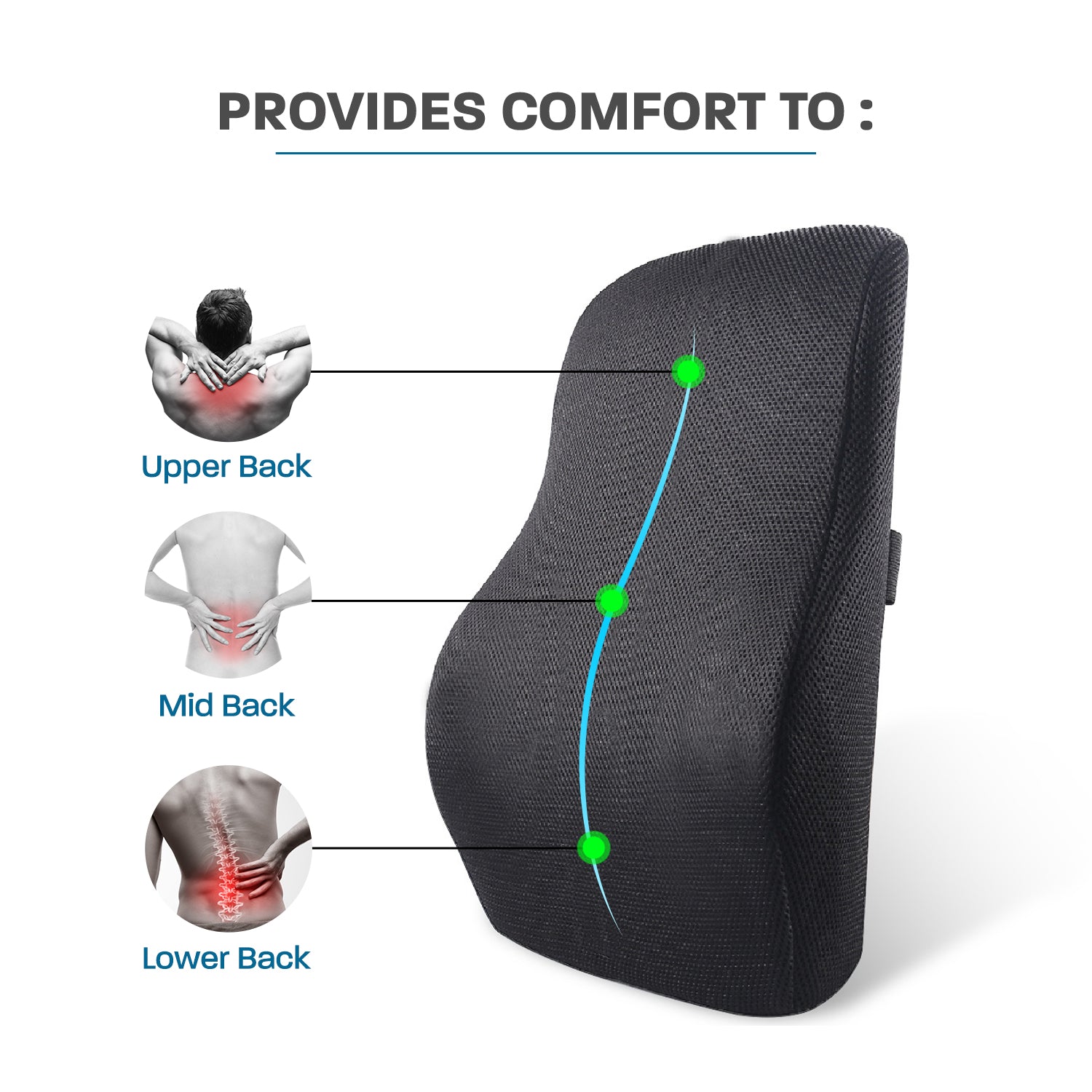
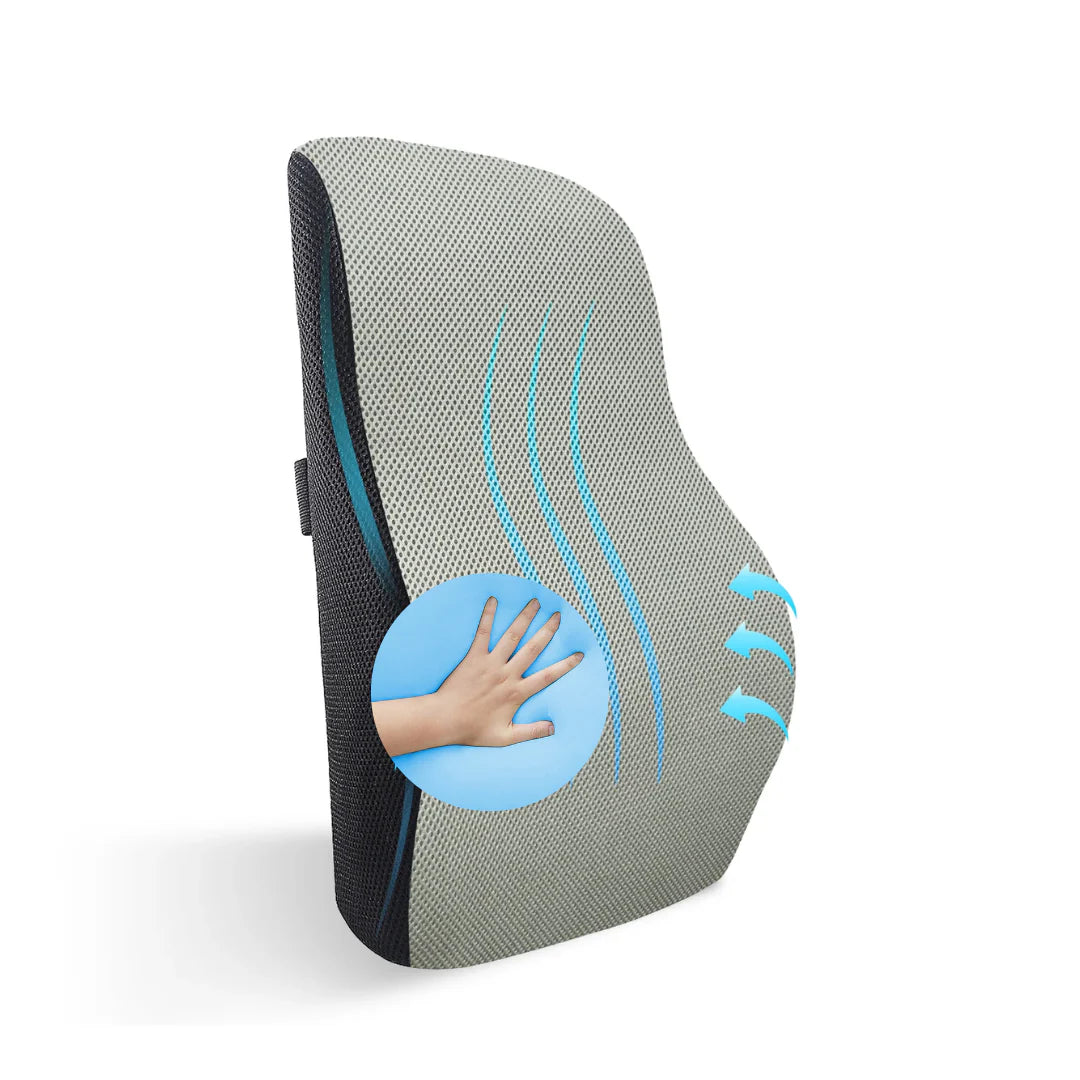
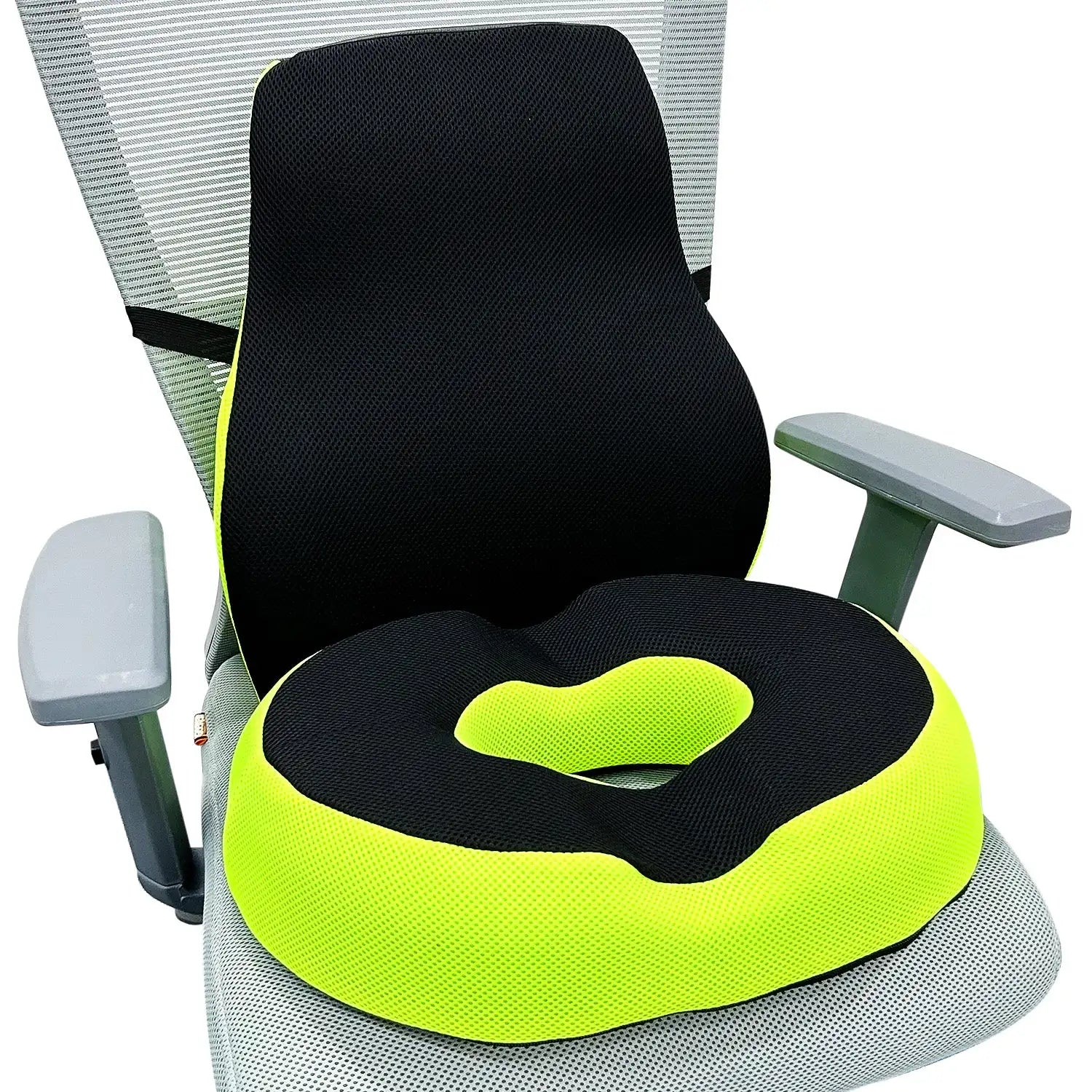
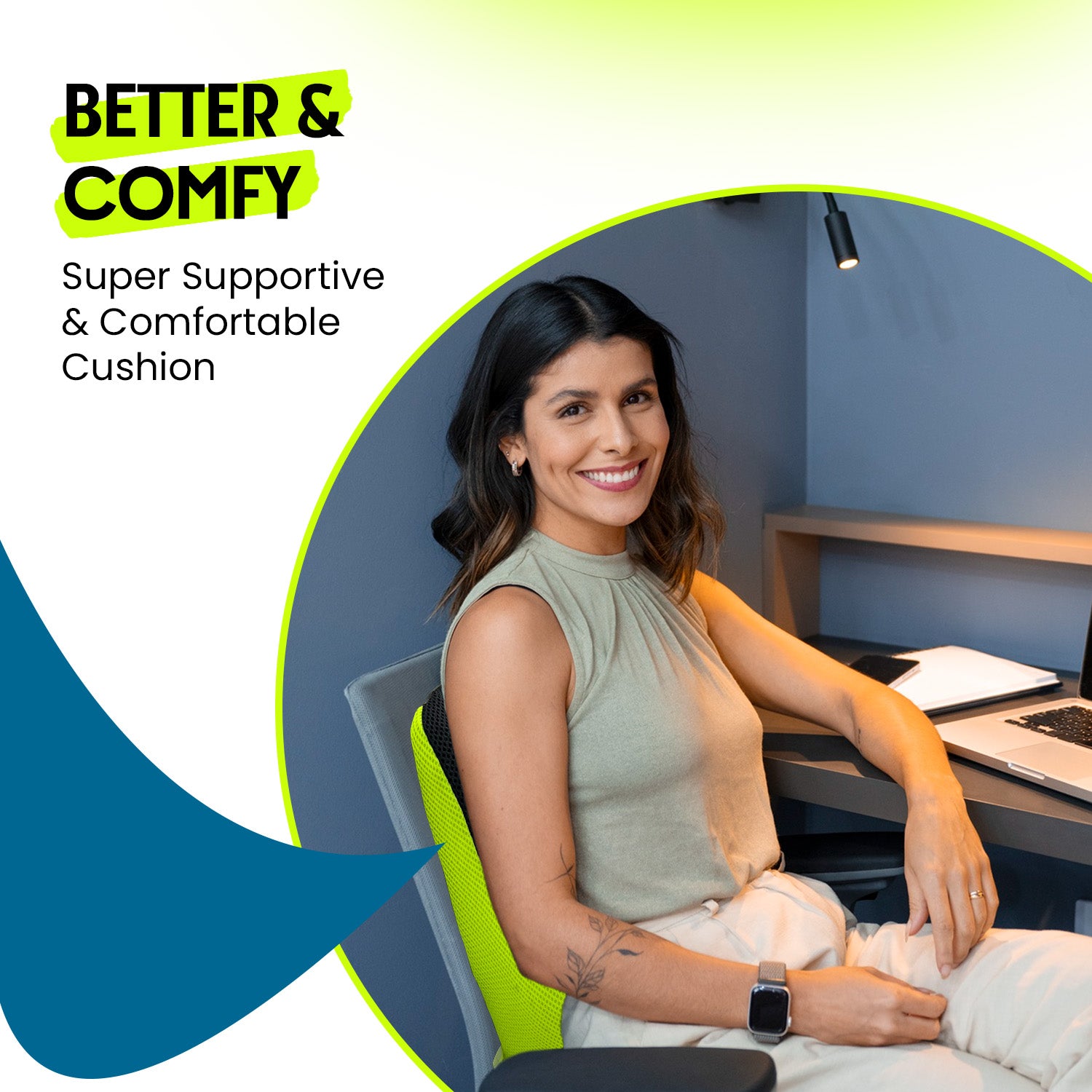
A lumbar support pillow supports the natural curve of your lower back and makes long sitting hours more comfortable.
- Supports the natural curve of your lower back
- Helps improve sitting posture and reduces slouching
- Reduces pressure and pain in the lower back
- Makes long sitting hours more comfortable
- Improves overall sitting support on any chair
- Reduces muscle strain and tiredness
- Helps you stay more focused while working
Ergonomic Desk Setup Tips For Better Posture
Here are some tips you can follow for a healthier and more comfortable workspace:
- Keep your monitor at eye level to reduce neck pain and improve posture
- Maintain a proper ergonomic office setup to avoid strain during long working hours
- Sit with full back support to prevent lower back pain and spinal pressure
- Use a comfortable office chair lumbar support for better spine alignment
- Keep feet flat on the floor or use a footrest for stable sitting posture
- Position keyboard and mouse close to reduce shoulder and wrist strain
- Keep elbows at a 90-degree angle for correct typing posture
- Adjust chair height to support a neutral sitting position and reduce fatigue
- Use a lumbar support pillow for lower back support during long desk work
- Avoid slouching by maintaining an upright ergonomic sitting posture
- Place screen at arm’s length to reduce eye strain and improve focus
Conclusion
Spending long hours at a desk is a normal part of modern work life, but it should not come at the cost of your health. Small habits like stretching regularly, maintaining good posture, and setting up your workstation correctly can make a big difference in how your body feels every day.
Desk exercises and ergonomic adjustments help reduce pain, improve comfort, and keep your energy levels steady throughout the day. The key is consistency, even a few minutes of movement every hour can protect your neck, back, and shoulders in the long run.
When you combine simple desk exercises with a proper ergonomic setup, you create a healthier and more productive work routine that supports your body instead of straining it.
FAQ
Q1: Are desk exercises really effective for back pain?Ans: Yes, regular desk exercises help reduce stiffness, improve posture, and ease mild back pain caused by long sitting hours.
Q2: How often should I do desk stretches during work?Ans: It is best to move or stretch every 30 to 60 minutes for a few minutes to keep your body active and relaxed.
Q3: Can ergonomic setup alone fix poor posture?Ans: An ergonomic setup helps a lot, but combining it with regular movement and exercises gives the best results.
Q4: Do I need equipment for office exercises?Ans: No, most desk exercises can be done without any equipment using just a chair and your workspace.
Q5: What is the best exercise for neck and shoulder pain at work?Ans: Simple movements like neck stretches and shoulder rolls are very effective for reducing tension and stiffness.
Tech Neck: Causes, Symptoms, Exercises, and Treatment
10 Breathing Exercises to Try When You’re Feeling Stressed
Recent Posts

Benefits of Eka Pada Raja Kapotasana (Pigeon Pose) & How to Practice

How Does an Aroma Diffuser Make Your Home Smell Better?

Queen Size Bedsheet Buying Guide: Size, Fabric & Fit Explained

Benefits of Marjariasana (Cat Stretch Pose) & How to Practice

How to Choose the Right Double Bedsheet Size for Your Mattress

Why Does a Cotton Bedsheet Feel Better in Summer? Benefits of Breathable Fabric

Helping Kids Sleep Through the Night: A Parent's Guide

