

Tension Type Headache
Have you had a tension type headache before? It's one of the most common types of headaches, with only around 10% of sufferers not having it. And yet head pain can be difficult to pinpoint and treatment options are few and far between. Here's what you need to know about this type of headache, including how pillows can help!
Recommended Products
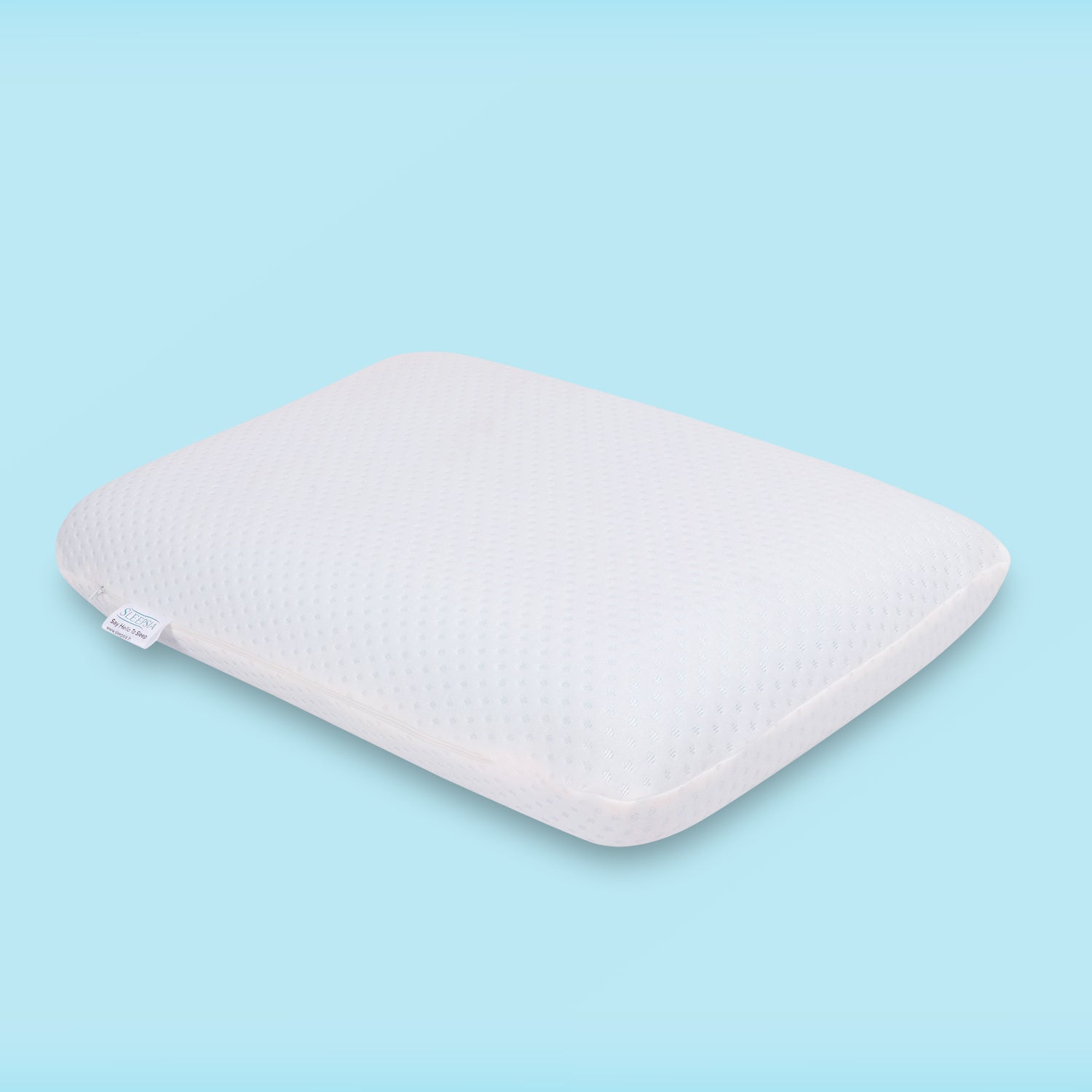
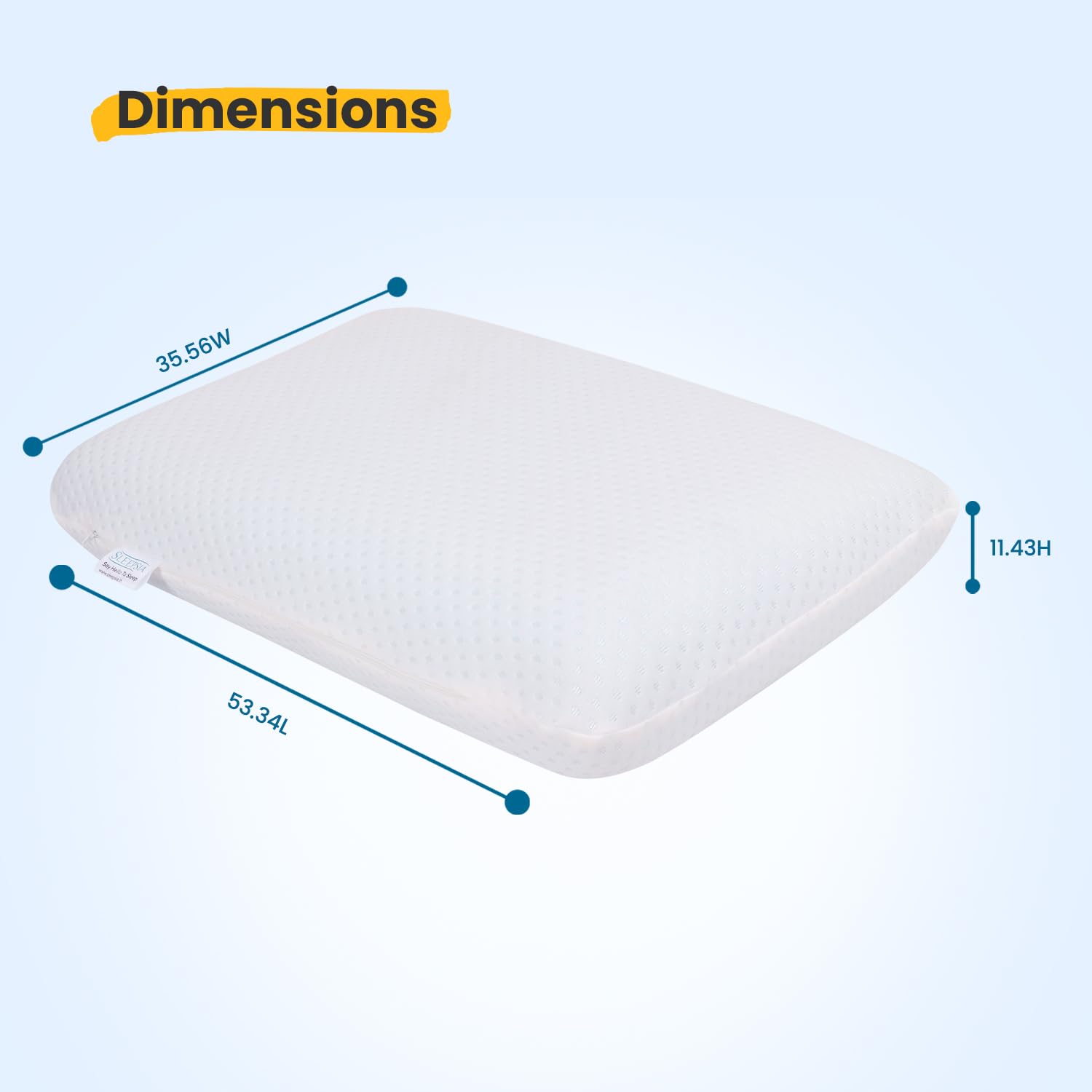
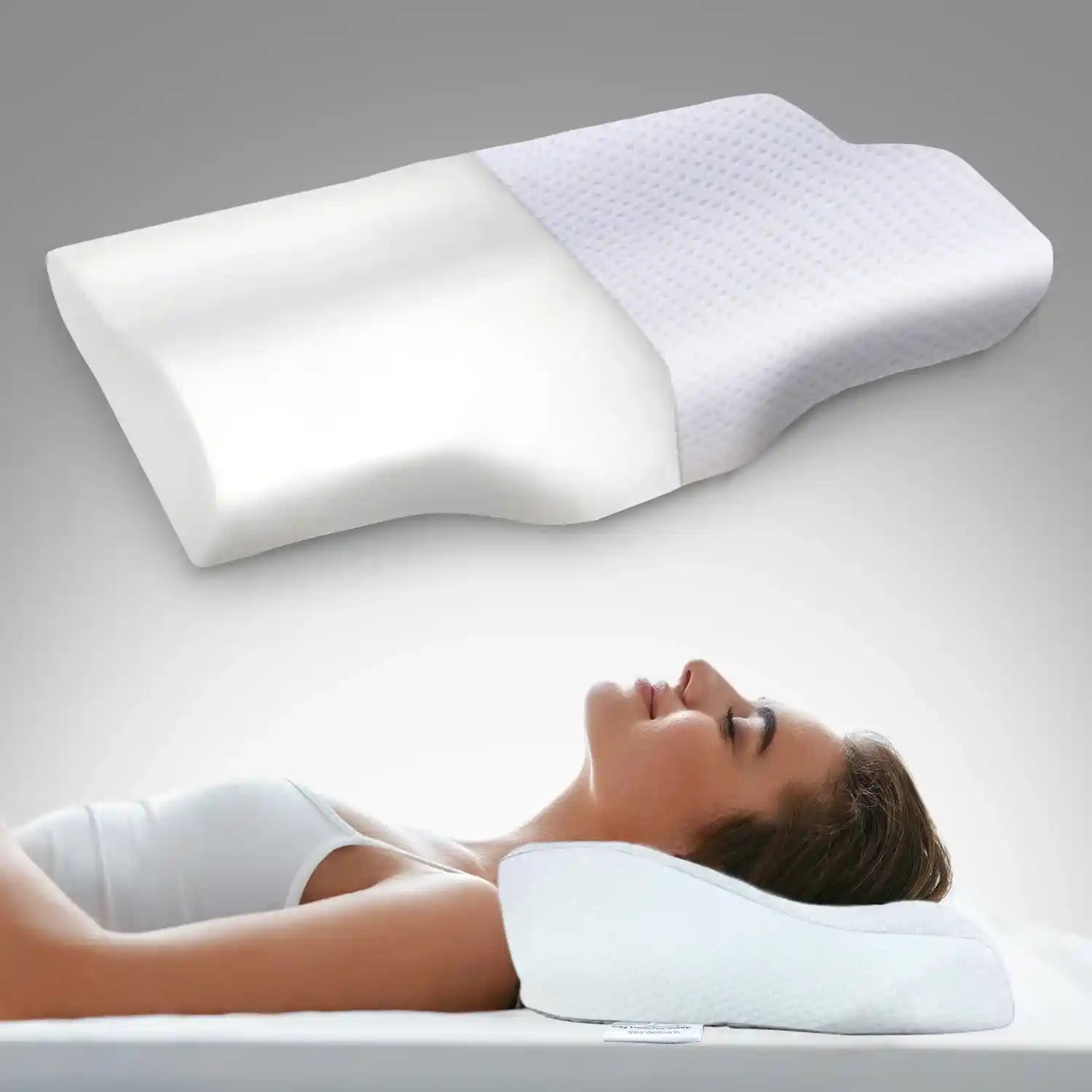
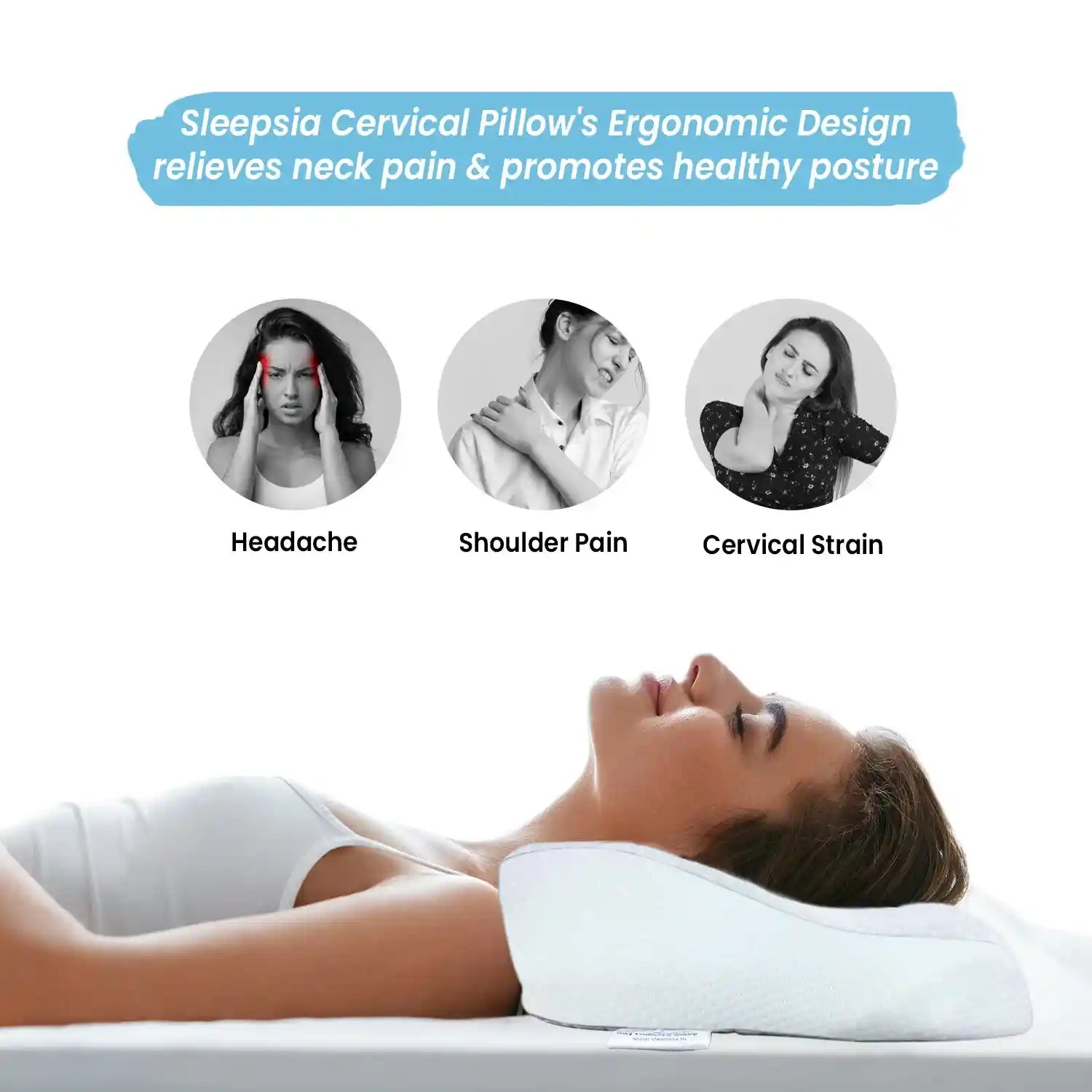


What is a Tension Type Headache?
A tension type headache is a type of headache that is caused by tension on the neck, scalp, or muscles. It is often described as a pressure or pain in one side of the head and is more common in women than men. Tension headaches are usually treated with over-the-counter painkillers such as ibuprofen, acetaminophen, or aspirin. However, there are some treatments that can be done at home, including using a pillow to help relieve the tension on the neck.
Types of Tension

There are many types of tension headaches. Here are some:
- Cluster headaches- These are usually described as a series of severe, throbbing pain on one side of the head. The pain may last for up to 24 hours and can be so bad that it makes it difficult to sleep or work. They often occur in people who have an autoimmune disease such as rheumatoid arthritis or lupus.
- Migraine headaches- Most people know migraine headaches as a debilitating headache that comes on with typical symptoms such as nausea, vomiting, and sensitivity to light and sound. However, there is more to migraine than just this one type of headache. In fact, there are several different types of migraine headaches including classic migraines, nocturnal migraines, aura migraines (before the headache actually occurs), transient unilateral mild myoclonus (TUM), and rarer forms such as hemiplegic migraine and cortical dysplasia complex migraines.
- Tension-type headache disorder- This is a condition in which people experience at least four out of the nine types of tension-type headache defined by the International Headache Society (IHS). Tension-type headache disorder can also include other types of headaches not listed by IHS like chronic daily pressure type headache or cervico-temporal headache.
What Are The Symptoms Of A Tension Headache?

The symptoms of a tension headache can vary, but typically they include pain on one side of the head, increased pressure in the head, and nausea. Other symptoms may include a spinning sensation, lightheadedness, or sensitivity to light. The pain usually lasts for at least four hours and can be very severe. Treatment typically involves medication and rest.
Tension headaches are often caused by stress or tension in the neck, shoulder, or jaw muscles. They can also be caused by a structural problem with the brain or skull. Treatment usually involves relieving the source of the tension and taking medications to relieve pain and inflammation. Rest may also be prescribed to relax tense muscles and promote healing.
What can cause a tension type headache?
Here are some of the most common causes:
Headache due to stress
Work, family, and social obligations can all cause stress, and this can lead to tension type headaches. Make sure you take time for yourself each day to relax and enjoy your hobbies or activities.
Headache due to neck pain
Injuries or problems with the neck can also lead to tension type headaches. If you have any neck pain, make sure you see a doctor for an evaluation. There may be something that needs to be fixed before your headache can disappear completely.
Migraine due to hormones
Women typically get more migraines during their menstrual cycle, and this is because hormonal changes in women's bodies increase the production of chemicals that can cause headaches. If you're experiencing an increased frequency of migraine headaches, talk with your doctor about whether there's a hormone-based solution that could work for you.
Headache due to sinus infections
Sinus infections are one of the most common causes of head pain, and this is because sinus pressure can cause inflammation in the brain and surrounding tissues. If you have recurring sinus infections or feel especially bad after getting one, make sure you see a doctor for an evaluation as there may be something wrong that requires treatment.
How to Prevent Tension Type Headaches?

Tension type headaches, or migraines, are characterized by intense pain on one side of the head. The pain usually worsens with activity and can be accompanied by a feeling of pressure, tightness, or a throbbing sensation. Some people also experience nausea and vomiting.
There is no one definitive cause of tension type headaches, but they may be caused by various factors, including stress, fatigue, caffeine consumption, alcohol abuse, and certain medications. Treatment typically involves relieving the underlying cause and using medication to manage the headache.
One effective way to prevent tension type headaches is to adopt a healthy lifestyle that includes regular exercise and balanced eating. Additionally, many people find relief from tension type headaches by using a pillow to support their head during sleep. A pillow that is firmer than usual may help to reduce tension in the neck and head muscles.
There are a few ways to prevent tension type headaches, but the best way to avoid them is to know what
How can a Sleepsia Pillow help with Tension other than Physical Comfort?
One way to reduce the intensity of a tension headache is to use a migraine pillow. This Sleepsia pillow can help you get more comfortable by providing support for your neck and head. It can also make it easier for you to move your head around, which can relieve the pain. You may also find that using a memory foam pillow helps you fall asleep faster and stay asleep longer.
Which Treatments Are Effective For A Tension Type Headache?
There are many treatments for tension type headaches, but some are more effective than others. Some of the most common treatments include over-the-counter pain relievers, prescription medications, and injections. Different treatments work better for different people, so it is important to try several before finding one that works best for you.
Also Read:- Dyspnea - causes, symptoms, diagnosis and treatment
Which Treatments Fail To Be Effective For A Tension Type Headache?
There are a variety of treatments that have been found to be ineffective for tension type headaches. Some of these treatments include over the counter painkillers, prescription medications, and natural remedies. Over the counter painkillers are not always effective and can often lead to side effects such as drowsiness or dizziness. Prescription medications can be effective in relieving some symptoms of a headache, but they can also lead to side effects such as nausea or vomiting. Natural remedies, such as ibuprofen or caffeine, can be helpful in relieving some symptoms of a headache, but they also have their own set of side effects.
How Does Tension Type Headache Affect Sleep?

There is evidence to suggest that tension type headaches may affect sleep quality. One study found that participants with tension type headache reported significantly poorer sleep quality than those without headaches. The study also found that participants with headaches tended to have more difficulty falling asleep, staying asleep, and awakening refreshed.
It is possible that a tension type headache affects sleep because of the stress it can cause. Headache sufferers may feel stressed out both before and after a headache episode. This increased stress could lead to disruptions in sleep patterns. In addition, tension type headaches are often accompanied by other symptoms such as pain, nausea, and lightheadedness, which can all disrupt normal sleeping habits.
Treatment options for Tension Type Headache and Sleep Problems:
There are many treatment options for tension type headache and sleep problems. Some treatments include medication, relaxation techniques, lifestyle changes, and surgery.
Medication is the most common treatment for tension type headache. Common medications used to treat tension headaches include ibuprofen (Advil or Motrin) and naproxen (Aleve). Over-the-counter pain relievers such as acetaminophen (Tylenol) can also be effective in treating tension headaches. If the pain is severe, prescription medications may be recommended, such as ergotamine (Clonixin) or sumatriptan (Imitrex).
Relaxation techniques can also help relieve the pain and improve sleep quality. Techniques that are commonly used to treat tension headaches include meditation and deep breathing exercises. Stress management counseling may also be helpful in reducing stress levels and improving sleep quality.
Lifestyle changes can also help improve sleep quality. These changes may include avoiding caffeine late in the day, getting adequate exercise, and moderating alcohol intake. Surgery is rarely required to treat tension type headache, but it may be recommended if other treatments fail or if the condition is severe. Treatment options for surgery typically include decompression therapy (CT) or microsurgery.
Conclusion
A tension type headache is one of the most common types of headaches, and for good reason. They are typically caused by a combination of factors including stress, fatigue, and a lack of sleep. Fortunately, there are many treatments available that can help alleviate the pain and discomfort associated with these headaches. If you're experiencing symptoms that persist despite taking medication or engaging in other treatment methods, consult your doctor to see if a tension type headache might be the cause.
Recent Posts

Benefits of Padmasana (Lotus Pose) & How to Practice It

Contour Pillow vs Cervical Pillow: What's the Difference?

Butterfly Pillow vs Standard Pillow: Which Is Better for Neck Pain?

Benefits of Poorvottanasana (Upward Plank Pose) & How to Practice It

Winter Sleep Essentials: Layering Bedsheets and Nightwear

Frozen Shoulder & Nighttime Pain: Pillow Positioning Tips

Benefits of Paschimottanasana (Seated Forward Bend Pose) & How to Practice It

