

10 Breathing Exercises to Try When You’re Feeling Stressed
Stress affects millions of people every day, impacting their sleep, focus, mood, and overall health.
Did you know?
Stress, according to the WHO, can impair mental and physical health if it is persistent.
The real question is: How do you handle stress in your day-to-day life? How do you handle stress while achieving your life goal?
Well, the answer is deep breathing exercises!
The breath exercises have become a very popular form of exercise that can be done, used, and recommended by respiratory doctors, psychologists, and even yoga instructors.
According to the research breathing exercises can increase your oxygen consumption, improve lung function, and reduce your breathlessness.
Breathing can make a big difference in your everyday life, whether you are looking for breathing exercises that relieve stress, relax you, or just exhale and stretch to unwind after a long day.
In this article, we’ll show you 10 safe breathing exercises for anxiety to try out.
Recommended Products



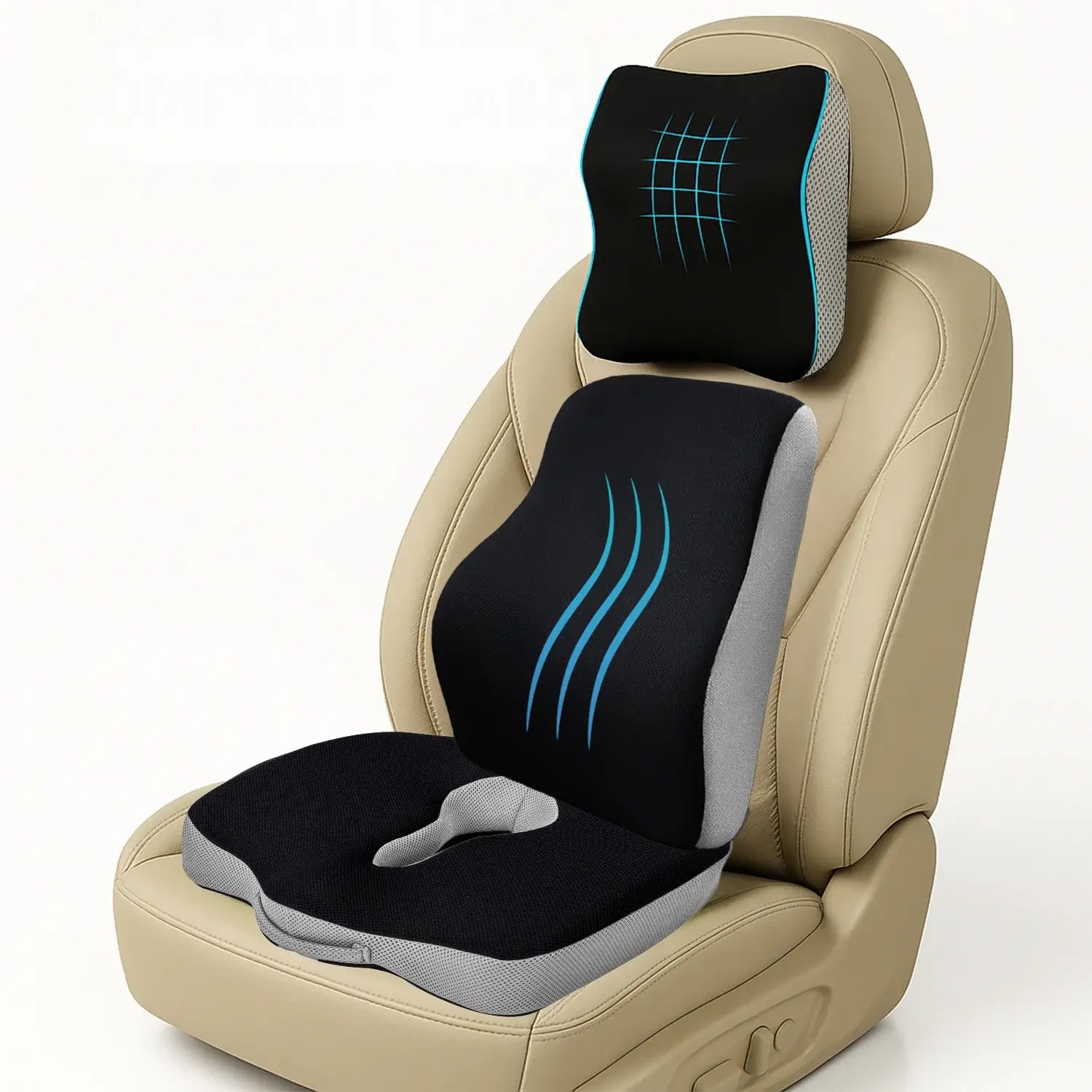


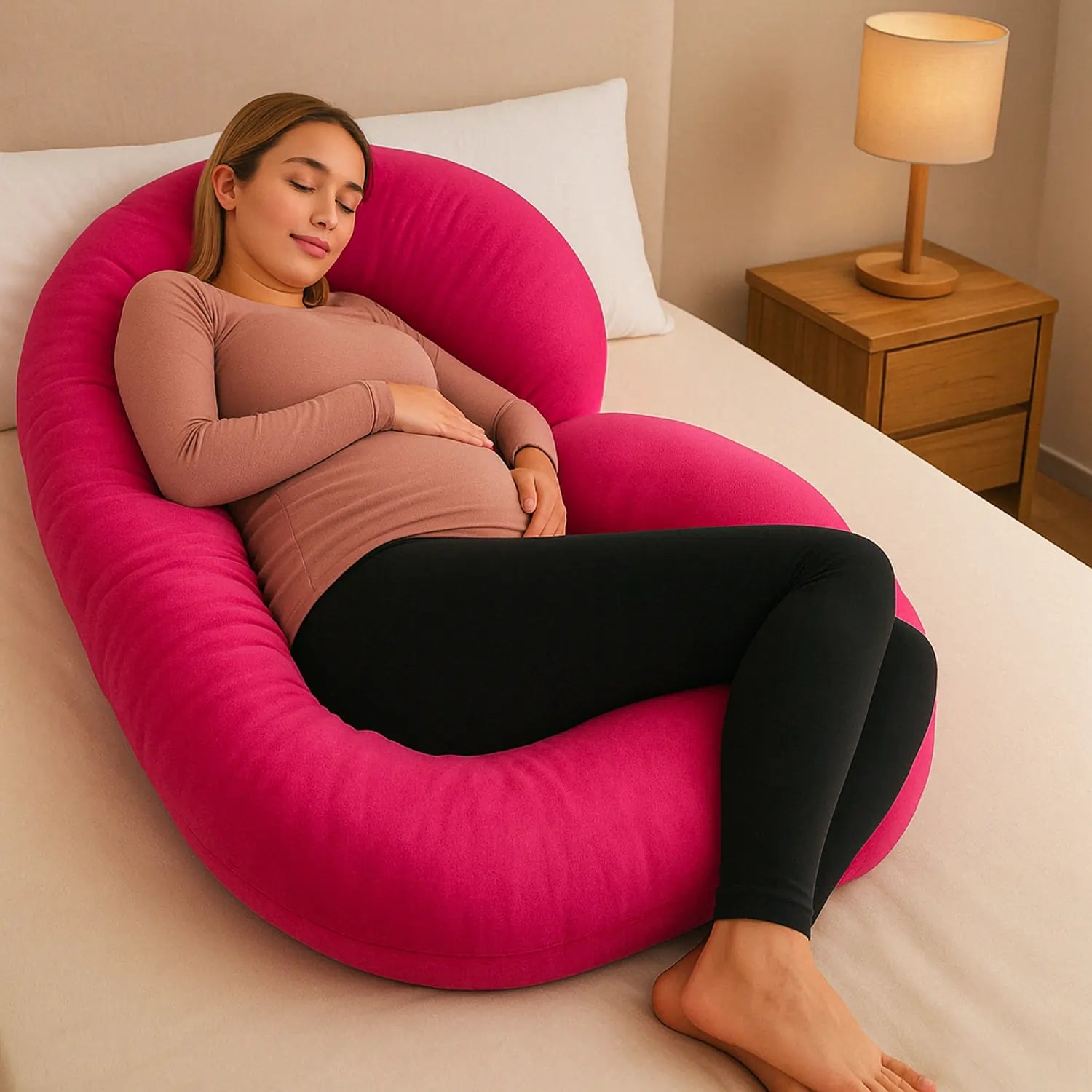
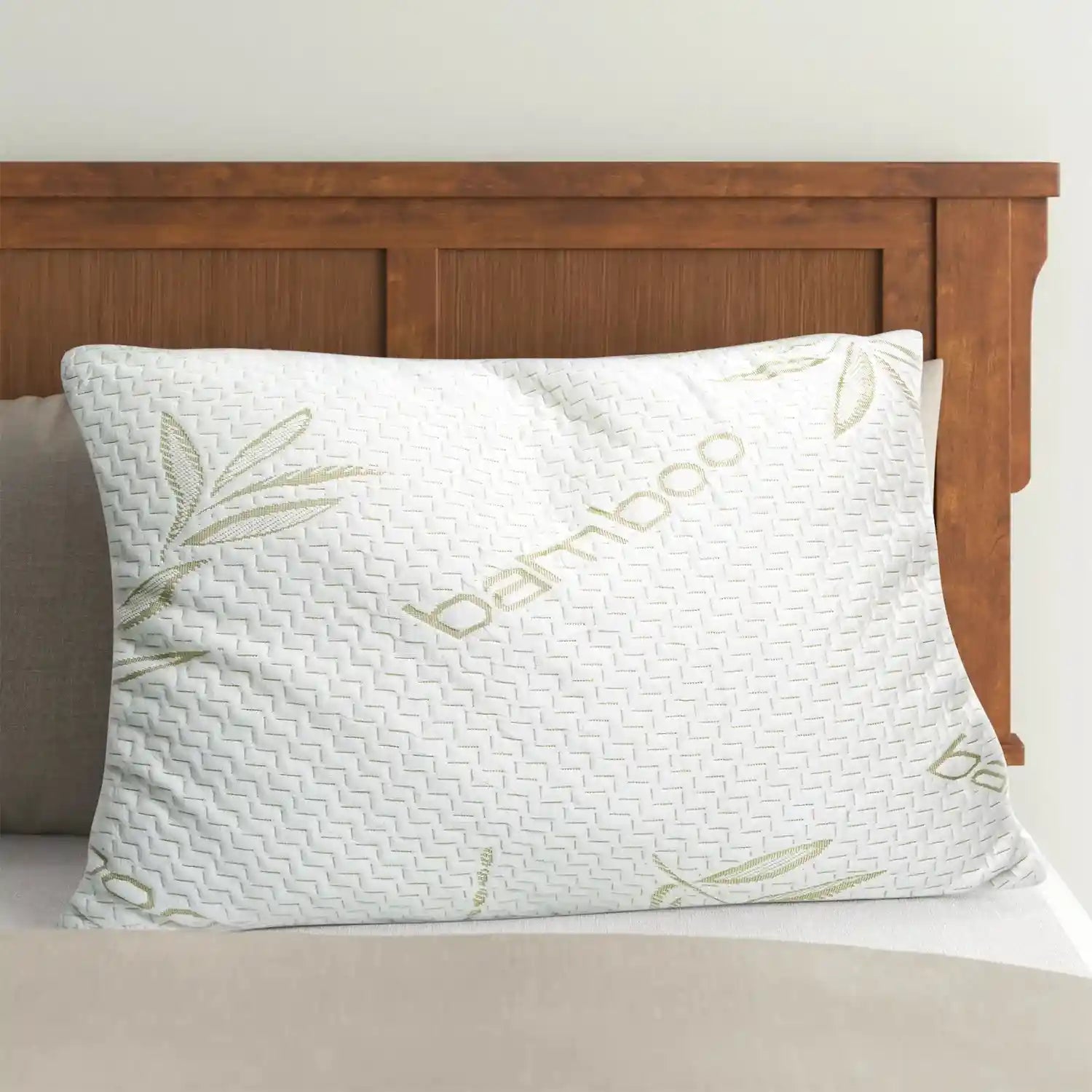






Why Breathing Exercises Help Reduce Stress?
During stress, the body’s breath quickens and shallows, causing “excessive rate of breathing”, which increases tension, heart rate, and anxiety.
Controlling your breathing may also turn on the parasympathetic nervous system, which controls how you feel, which means that you feel calm and relaxed. According to the American Lung Association (ALA), breath exercises can also strengthen your diaphragm and increase airflow.
Breathing and exercise routines may help:
- Reduce anxiety symptoms.
- Improve concentration and mental clarity.
- Support healthy sleep patterns.
- Improve lung efficiency.
- Lower stress levels naturally.
Top 10 Breathing Exercises for Anxiety to Add to Your Daily Routine
Here are 10 simple breathing exercises that may help reduce anxiety, lower stress, and promote relaxation:
1. Deep Breathing Exercise

These exercises are one of the quickest methods to tranquilize the mind.
How to Practice Deep Breathing Exercises
- Sit comfortably with your shoulders relaxed.
- Place one hand on your chest and one on your abdomen.
- Breathe in through your nose for 4 seconds.
- Breathe and let your belly rise.
- Purse your lips and slowly exhale through your mouth for a count of 6 seconds.
- Repeat for 5 minutes.
2. Box Breathing Technique

Box breathing is practiced by athletes, meditation practitioners, and professionals who work in high-pressure environments.
Steps for Box Breathing
- Inhale to the count of 4.
- Hold your breath for a count of 4.
- Breathe out for 4 counts.
- Pause for 4 counts.
- Repeat the routine.
3. Alternate Nostril Breathing (Nadi Shodhana)

Nadi Shodhana is a traditional pranayama practice commonly used in yoga and pranayama practice.
How to Do It
- Sit comfortably upright.
- Close the right nostril with your thumb.
- Inhale slowly through the left nostril.
- Close the left nostril with your ring finger.
- Exhale through the right nostril.
- Repeat on both sides.
4. 4-7-8 Breathing Exercise

The 4-7-8 breath technique is one of the most popular breathing techniques for anxiety and sleep.
Practice Method
- Inhale through your nose for 4 seconds
- Hold your breath for 7 seconds,
- Exhale slowly for 8 seconds.
- Repeat the four times.
5. Diaphragmatic Breathing

Diaphragmatic breathing is also known as belly breathing and strengthens the diaphragm and promotes deep breaths.
How to Practice
- Lie down or sit comfortably.
- Place your hands on your stomach.
- Inhale deeply through your nose.
- Feel your abdomen rise.
- Exhale slowly through pursed lips.
Research shows that diaphragmatic breathing can help the lungs function more efficiently.
6. Lion’s Breath

Lion’s Breath is a yoga and pranayama technique designed to release physical tension and emotional stress.
Steps
- Sit comfortably.
- Inhale deeply through the nose.
- Open your mouth wide.
- Stick out your tongue.
- Exhale forcefully while making a “ha” sound.
7. Pursed-Lip Breathing

Pursed-lip breathing is widely recommended for slowing the breathing rate and improving oxygen flow.
How to Practice
- Inhale slowly through your nose.
- Purse your lips as though blowing out a candle.
- Exhale slowly for twice as long as the inhale.
8. Resonant Breathing

Resonant breathing focuses on maintaining a steady breathing rhythm.
Instructions
- Inhale for 5 seconds.
- Exhale for 5 seconds.
- Continue for 5 to 10 minutes.
Research suggests slow-paced breathing may support emotional regulation and stress management.
9. Bhramari Pranayama (Humming Bee Breath)

Bhramari pranayama is known for its calming and meditative effects.
Steps
- Sit quietly with your eyes closed.
- Inhale deeply.
- Exhale while making a humming sound.
- Repeat several times.
10. Google Breathing Exercise

The Google breathing exercise has gained popularity because it offers a quick guided breathing animation directly in search results.
Why It Helps
- Beginner-friendly.
- Easy to follow.
- Useful during stressful moments.
- Encourages mindful breathing habits.
For people new to breathing techniques, it can serve as a simple starting point for stress relief.
Tips for Practicing Breathing Techniques Safely
Things you can do to increase the benefits of breathing exercises for anxiety:
1. Work in a Quiet Environment
If you can, practice in a quiet, unwinding space. This will allow you to relax easily and take a deep breath.
Tip: Turn your phone off, dim the lights, and get comfy before you begin your meditation.
2. Avoid Forcing Your Breath
Breathe slowly and naturally. If you take deep breaths too quickly, you may feel lightheaded or uncomfortable.
Tip: Breathe in slowly through your nose, exhale slowly through your mouth at a relaxed pace.
3. Maintain Good Posture
As you practice, tuck your arms around your shoulders. You are stretching out your lungs as you practice to bring more air to them.
Tip: Relax in a chair. Reach your feet to the floor. Bend your back.
4. Start With Short Sessions
Start with a few minutes of breathing and take it easy.
Tip: Start small with 3 - 5 minutes a day, then work up to 10 minutes a day when you feel ready.
5. Practice Consistently Each Day
Try practicing your breathing exercises every day for a healthy lifestyle. The more you practice, the better your body will get at relaxing in stressful situations.
Tip: Do the breathing exercises at the same time every day, such as in the morning or before bedtime.
Benefits of Breathing Exercises for Mental and Physical Health
Breathing exercises are a simple and natural way to relax your mind and body. Regular deep breathing exercises may help reduce stress, improve focus, and support better overall health. Many people use breathing exercises for anxiety to feel calmer during stressful situations.
Some common benefits of breathing techniques include:
- May help reduce stress and anxiety naturally
- Helps calm the mind and relax the body
- Can improve focus and mental clarity
- May support better sleep and relaxation
- Helps improve lung function and healthy breathing
- Supports better oxygen flow in the body
- Can slow down fast breathing during anxiety or stress
- Works well with yoga and pranayama practices
- Easy breathing exercises can be practiced anywhere
- Regular pranayama and deep breathing exercises may support emotional balance
Adding simple breathing exercises to your daily routine can help improve both mental and physical well-being.
Final Thoughts
Many simple breathing exercises can help you breathe easier and feel more relaxed. Breathing exercises, pranayama, guided breaths, or whatever breathing exercise you choose, will keep your mind clear, your emotions balanced, and your body healthy.
The combination of these breathing techniques with healthier habits like yoga and exercise will keep your mind and body happy for the rest of your life.
FAQs About Breathing Exercises
Q1: What are the best breathing exercises for anxiety?Ans: Some of the best breathing exercises for anxiety include deep breathing, box breathing, diaphragmatic breathing, and 4-7-8 breathing.
Q2: How long should I practice breathing exercises daily?Ans: The most common suggestion from the professionals is to practice for 5–15 minutes a day.
Q3: Is pranayama really effective at reducing stress?Ans: Pranayama is an exercise that involves the practice of breath control, which may help relax the nervous system.
Q4: Are breathing exercises better for the lungs?Ans: Yes, according to research and respiratory health organizations, regular breathing exercises improve breathing and diaphragm function.
Q5: Is the Google breathing exercise useful?Ans: Google breathing exercise is good for beginners as it gives you a rhythm of breathing that will allow you to relax and practice mindfulness.
Office Exercises at Desk for Back Pain Relief and Better Posture
Surya Namaskar: How to Do Sun Salutation with 12 Easy Steps
Recent Posts

7 Benefits of Shishuasana (Child Pose) and How to Practice It Correctly

Benefits of Eka Pada Raja Kapotasana (Pigeon Pose) & How to Practice

How Does an Aroma Diffuser Make Your Home Smell Better?

Queen Size Bedsheet Buying Guide: Size, Fabric & Fit Explained

Benefits of Marjariasana (Cat Stretch Pose) & How to Practice

How to Choose the Right Double Bedsheet Size for Your Mattress

Why Does a Cotton Bedsheet Feel Better in Summer? Benefits of Breathable Fabric

