

Memory Foam Pillow Benefits: Why Sleep Experts Recommend It
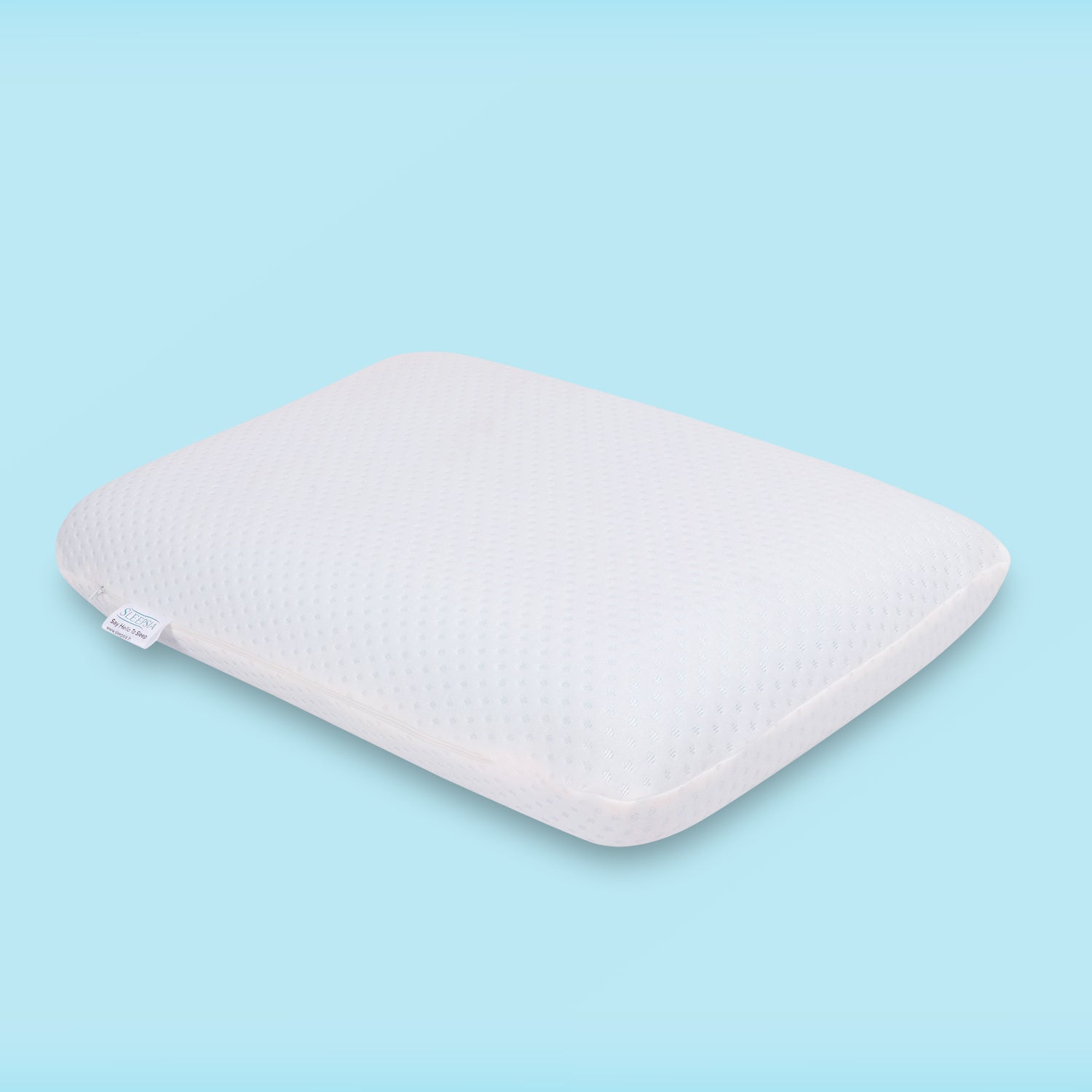
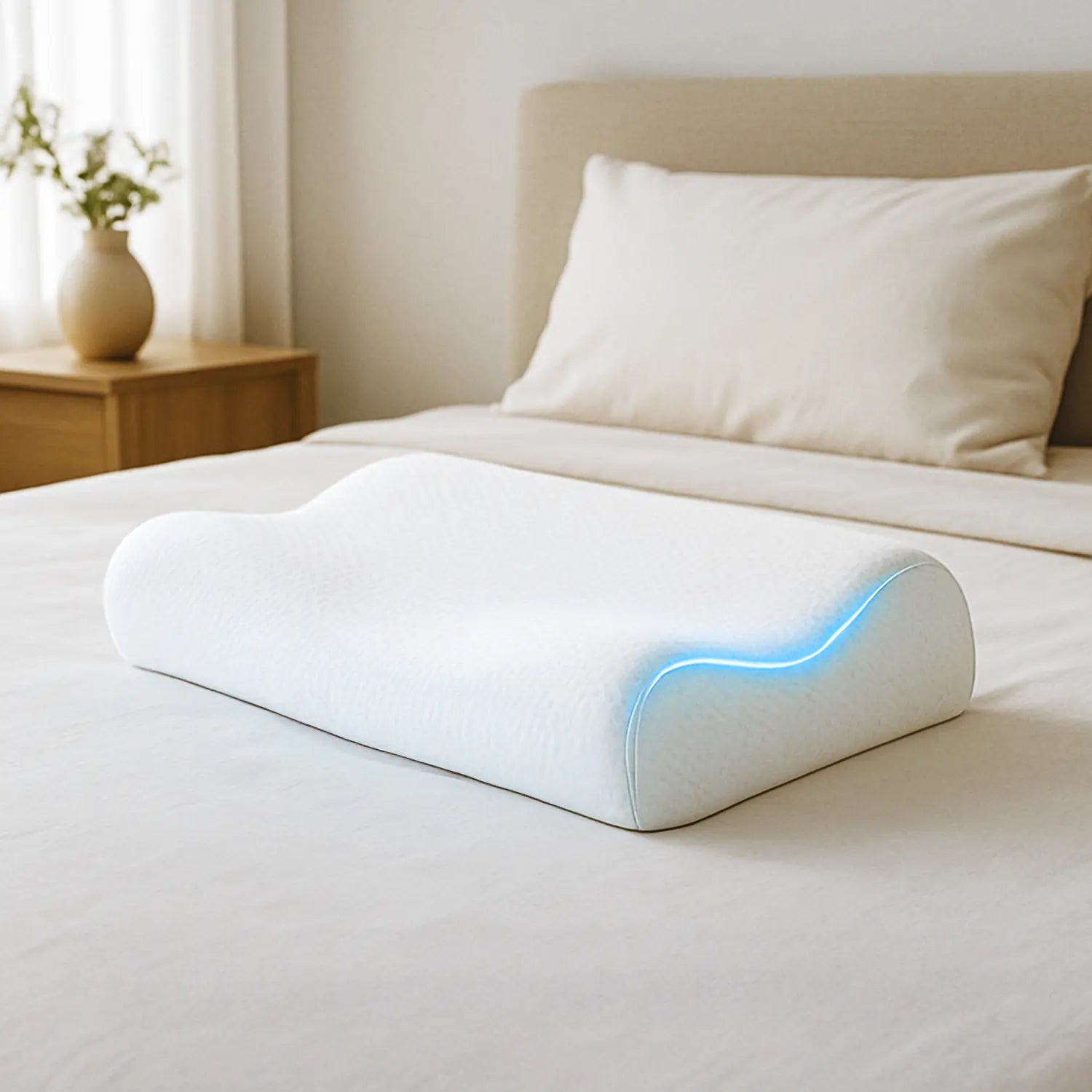
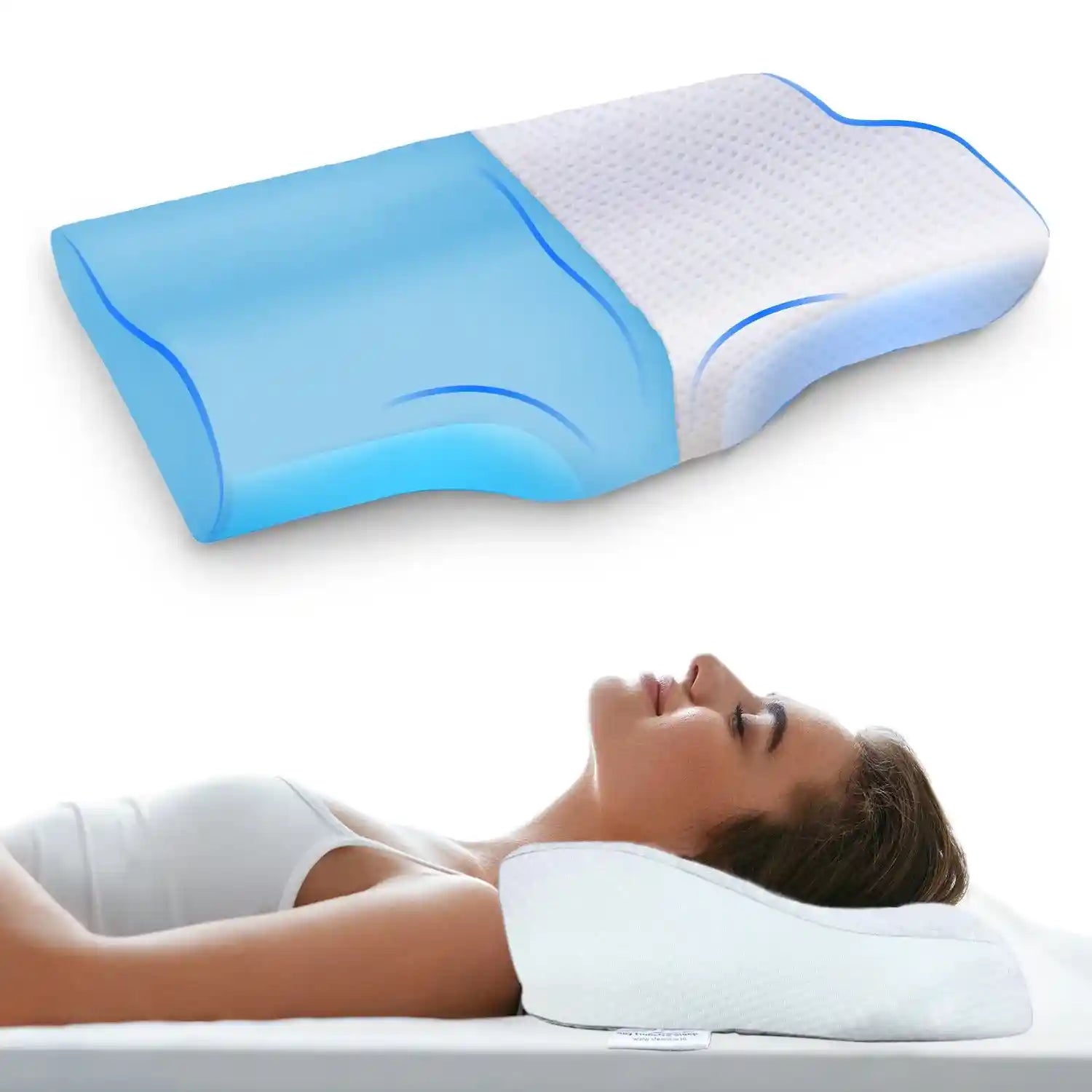
A memory foam pillow is designed to adjust to the natural shape of your head, neck, and shoulders, giving you more personalized support while you sleep. Unlike regular pillows that may become flat or uneven, a memory foam pillow responds to body pressure and helps maintain a better sleeping posture throughout the night. If you often wake up with neck stiffness, shoulder discomfort, headaches, or restless sleep, your pillow may not be supporting you properly. These problems are commonly caused by poor neck alignment, using the wrong pillow height, or sleeping on a pillow that does not match your sleep position. A memory foam pillow can help by reducing pressure points, supporting the natural curve of the neck, and keeping the spine more aligned during sleep.
In this article, we will explain what a memory foam pillow is, why sleep experts recommend it, its major benefits, who should use it, and how it may help improve sleep comfort and neck support.
Recommended Products


Why Sleep Experts Recommend Memory Foam Pillows
Sleep experts often recommend memory foam pillows because they can help:
- Support proper neck and spine alignment during sleep
- Adapt to the natural shape of the head, neck, and shoulders
- Reduce uneven pressure around the neck and shoulders
- Help prevent the neck from staying in an awkward position for long hours
- Improve overall sleep comfort and support
- Provide more consistent support than regular pillows
- Promote better sleep posture for back and side sleepers
7 Benefits of a Memory Foam Pillow
Below are the 7 benefits of a memory foam pillow and how it can support better sleep, comfort, and neck alignment.
1. Supports Better Neck Alignment
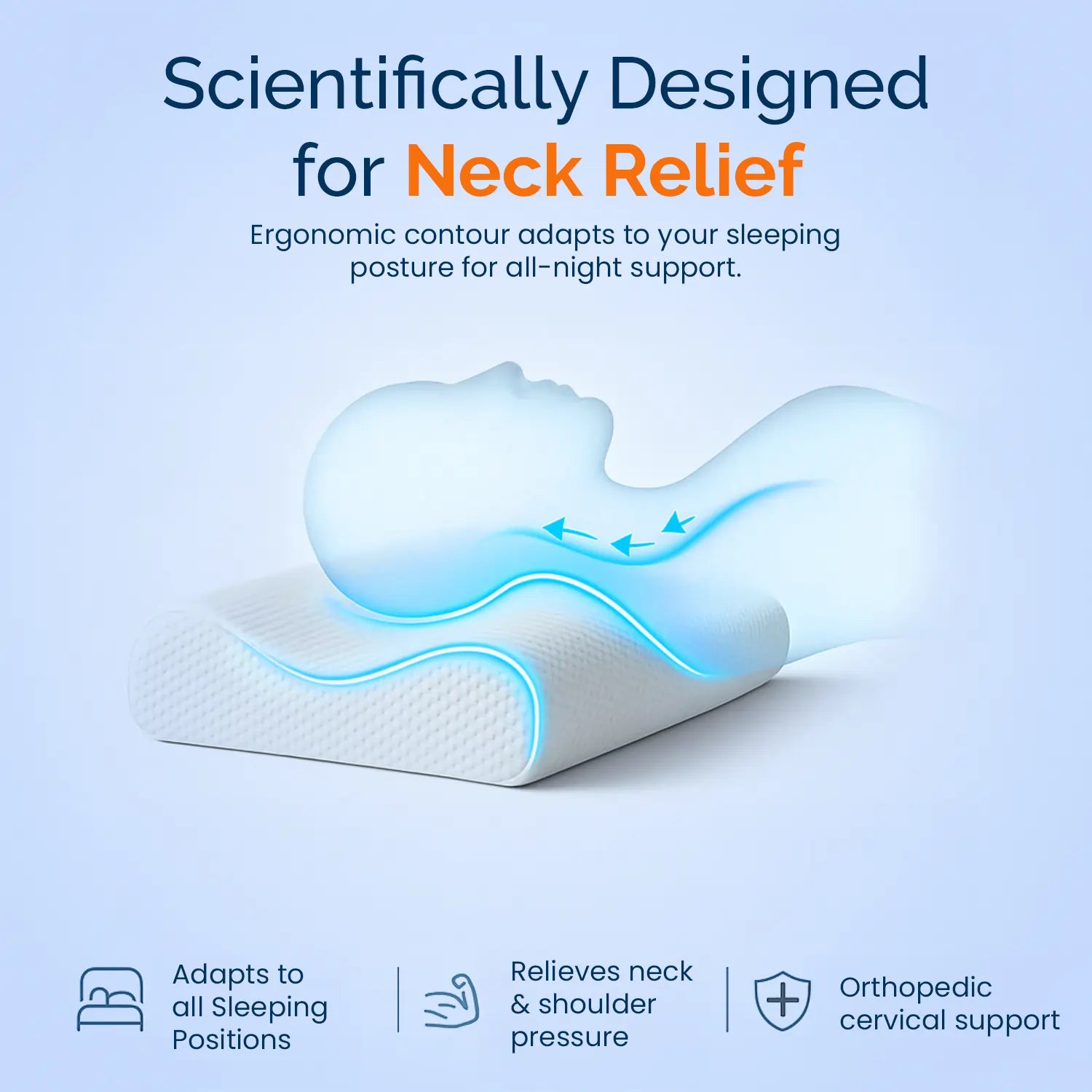
One of the biggest benefits of a memory foam pillow is neck support. The pillow adjusts to the natural curve of your neck and helps keep your head properly aligned with your spine.
Poor neck alignment can lead to stiffness, discomfort, and disturbed sleep. A memory foam pillow gives stable support, helping your neck stay in a healthier sleeping position.
2. Helps Reduce Pressure Points
Traditional pillows may create pressure around the head, neck, and shoulders. Memory foam distributes weight more evenly, reducing stress on sensitive areas.
This pressure-relieving quality is especially helpful for people who wake up with soreness or discomfort after sleeping on a regular pillow.
3. Improves Sleep Comfort
A memory foam pillow gives a soft yet supportive feel. It is not too hard and not too flat, making it comfortable for long hours of sleep.
Because the foam adapts to your sleeping posture, it creates a more personalized sleep surface. This helps you relax better and sleep with fewer interruptions.
4. Suitable for Different Sleeping Positions
A memory foam pillow can work well for back sleepers, side sleepers, and some stomach sleepers, depending on the pillow shape and height.
Back sleepers may benefit from gentle neck contouring. Side sleepers usually need a slightly higher pillow to fill the gap between the neck and shoulder. Stomach sleepers may prefer a softer, lower-profile memory foam pillow to avoid neck strain.
5. Maintains Shape for Longer
Regular pillows often become flat or lumpy with daily use. Memory foam pillows are designed to retain their shape for a longer time.
This means the pillow continues to provide consistent support instead of losing comfort quickly. A good memory foam pillow can be a better long-term sleep investment than standard pillows.
6. Reduces Tossing and Turning
When your pillow does not support you properly, you may keep changing positions during the night. This can affect deep sleep and make you feel tired in the morning.
A memory foam pillow helps create a stable and comfortable sleeping position. With better support, your body may feel more relaxed, reducing unnecessary movement during sleep.
7. Helps With Morning Stiffness
Many people wake up with neck or shoulder stiffness because their pillow does not support their posture correctly. A memory foam pillow can help by keeping the neck supported and reducing muscle strain.
While it may not treat medical conditions, it can support better sleep posture and help reduce everyday discomfort caused by poor pillow support.
Who Should Use a Memory Foam Pillow?
A memory foam pillow can be helpful for people who:
- Wake up with neck stiffness
- Experience shoulder discomfort after sleep
- Need better head and neck support
- Sleep on their back or side
- Want a pillow that holds its shape
- Prefer a soft but supportive sleeping surface
- Feel uncomfortable using regular cotton or fiber pillows
Choosing the right height and firmness is important. A pillow that is too high or too low can still create neck strain, even if it is made from memory foam.
Causes of Neck Discomfort While Sleeping
Below are some common causes of neck discomfort while sleeping and how they can affect your sleep posture and morning comfort.
- Using a pillow that is too high
- Sleeping on a pillow that is too flat
- Using an old or sagging pillow
- Sleeping in a twisted neck position
- Poor posture during the day
- Long screen time with the neck bent forward
- Sleeping on the stomach with the head turned sideways
- Lack of proper head and shoulder support
A pillow that does not match your sleep position can increase strain on the neck. For example, a pillow that is too high may push the chin toward the chest, while a pillow that is too low may let the head tilt backward. Both positions can disturb natural neck alignment.
Symptoms of Poor Pillow Support
Below are some common symptoms of poor pillow support that may affect your neck, shoulders, and overall sleep quality.
- Neck stiffness after waking up
- Shoulder tightness
- Upper back discomfort
- Morning headaches
- Pain while turning the neck
- Restless sleep
- Frequent tossing and turning
- Pressure around the neck and shoulders
- Feeling tired even after a full night’s sleep
These symptoms can happen when the neck muscles do not get proper rest during sleep. If the pillow fails to support the natural curve of the neck, the muscles may remain under tension throughout the night.
Preventive Tips for Better Neck Support While Sleeping
Preventing neck discomfort starts with better sleep posture and pillow selection.
- Choose a pillow height based on your sleep position
- Keep your head and neck in a neutral position
- Avoid pillows that push your head too high
- Avoid pillows that let your head sink too low
- Do not stack too many pillows under your head
- Replace old, flat, or lumpy pillows
- Avoid sleeping on your stomach if it twists your neck
- Keep your screen at eye level during the day
- Stretch your neck gently if the stiffness is mild
- Use a supportive pillow under the neck, not just under the head
A pillow should help keep the head neutral rather than bending the neck too far forward or backward. Excessive pillow height or stacked pillows can increase neck strain.
When to See a Doctor
A memory foam pillow can help support better sleeping posture and reduce mild neck discomfort caused by poor pillow support, but it cannot treat serious medical problems. You should see a doctor if your neck pain is severe, lasts for several days, keeps coming back, or does not improve even after correcting your sleep posture. Medical attention is also important if the pain spreads to your shoulders, arms, or hands, or if you notice numbness, tingling, weakness, dizziness, headache, fever, or pain after an injury. These signs may point to an underlying condition that needs proper diagnosis and treatment.
Conclusion
A memory foam pillow offers better neck support, pressure relief, spinal alignment, and long-lasting comfort for a more restful sleep experience. Its ability to adapt to the natural shape of your head and neck makes it a smart choice for anyone struggling with poor pillow support or morning stiffness.
Upgrade to a Sleepsia memory foam pillow and give your neck the support it needs for deeper comfort, better posture, and healthier sleep every night.
FAQs
Q1: Is a memory foam pillow good for daily use?Ans: Yes, a memory foam pillow is suitable for daily use if it matches your sleeping position and comfort needs. It provides steady support and helps maintain better neck alignment.
Q2: How long does a memory foam pillow last?Ans: A good memory foam pillow can last longer than many regular pillows because it retains its shape well. Its lifespan depends on foam quality, usage, and care.
Q3: Is a memory foam pillow good for side sleepers?Ans: Yes, side sleepers can benefit from a memory foam pillow because it fills the space between the neck and shoulder, helping maintain better alignment.
Q4: Can a memory foam pillow help with neck pain?Ans: A memory foam pillow may help reduce neck discomfort caused by poor pillow support or bad sleep posture. Severe or persistent neck pain should be checked by a doctor.
Q5: Is a memory foam pillow better than a regular pillow?Ans: Memory foam offers better contouring and shape retention than many normal pillows. It can provide more consistent support for the head and neck.
Memory Foam Pillow vs Fiber Pillow: Which One Should You Choose?
Top Signs You Need a Cervical Pillow for Neck Pain Relief
Recent Posts

7 Benefits of Shishuasana (Child Pose) and How to Practice It Correctly

Benefits of Eka Pada Raja Kapotasana (Pigeon Pose) & How to Practice

How Does an Aroma Diffuser Make Your Home Smell Better?

Queen Size Bedsheet Buying Guide: Size, Fabric & Fit Explained

Benefits of Marjariasana (Cat Stretch Pose) & How to Practice

How to Choose the Right Double Bedsheet Size for Your Mattress

Why Does a Cotton Bedsheet Feel Better in Summer? Benefits of Breathable Fabric

