

Top Signs You Need a Cervical Pillow for Neck Pain Relief
Neck pain is a common problem that affects the muscles, joints, and nerves around the cervical spine, which is the upper part of the spine that supports the head and neck. When your neck does not get proper support during sleep, it can stay in an awkward position for hours and lead to stiffness, soreness, shoulder tightness, headaches, and discomfort after waking up. In many cases, these symptoms are linked to poor sleeping posture, wrong pillow height, or using a pillow that does not support the natural curve of the neck.
A cervical pillow for neck pain is designed to support the neck properly and help keep the head, neck, and spine in better alignment while sleeping. It may help reduce pressure on the neck muscles, improve comfort, and prevent the neck from bending unnaturally during rest.
In this blog, we will discuss the top signs you need a cervical pillow for neck pain relief, how poor pillow support can affect your neck, and how the right cervical pillow can help you sleep more comfortably.
Recommended Products


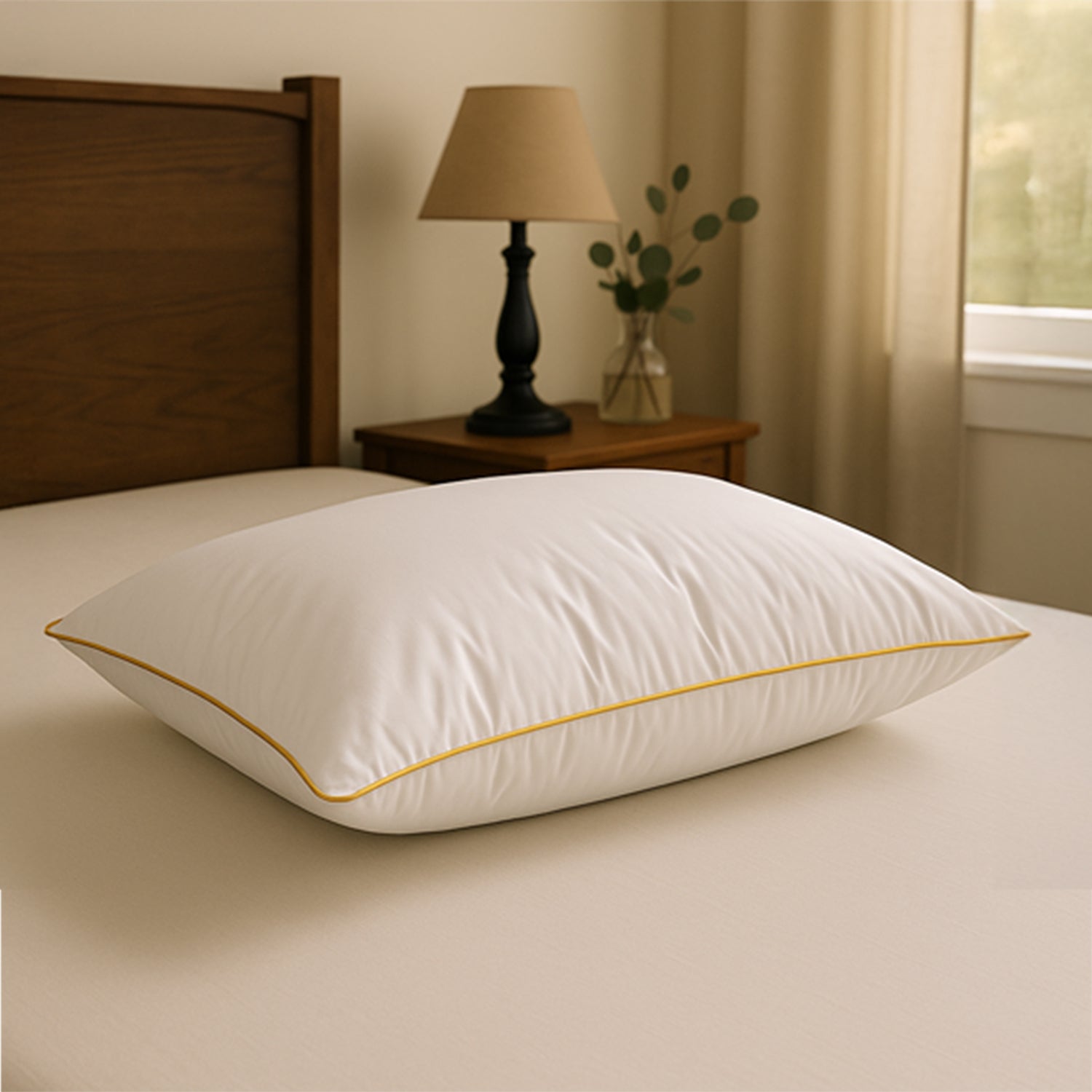
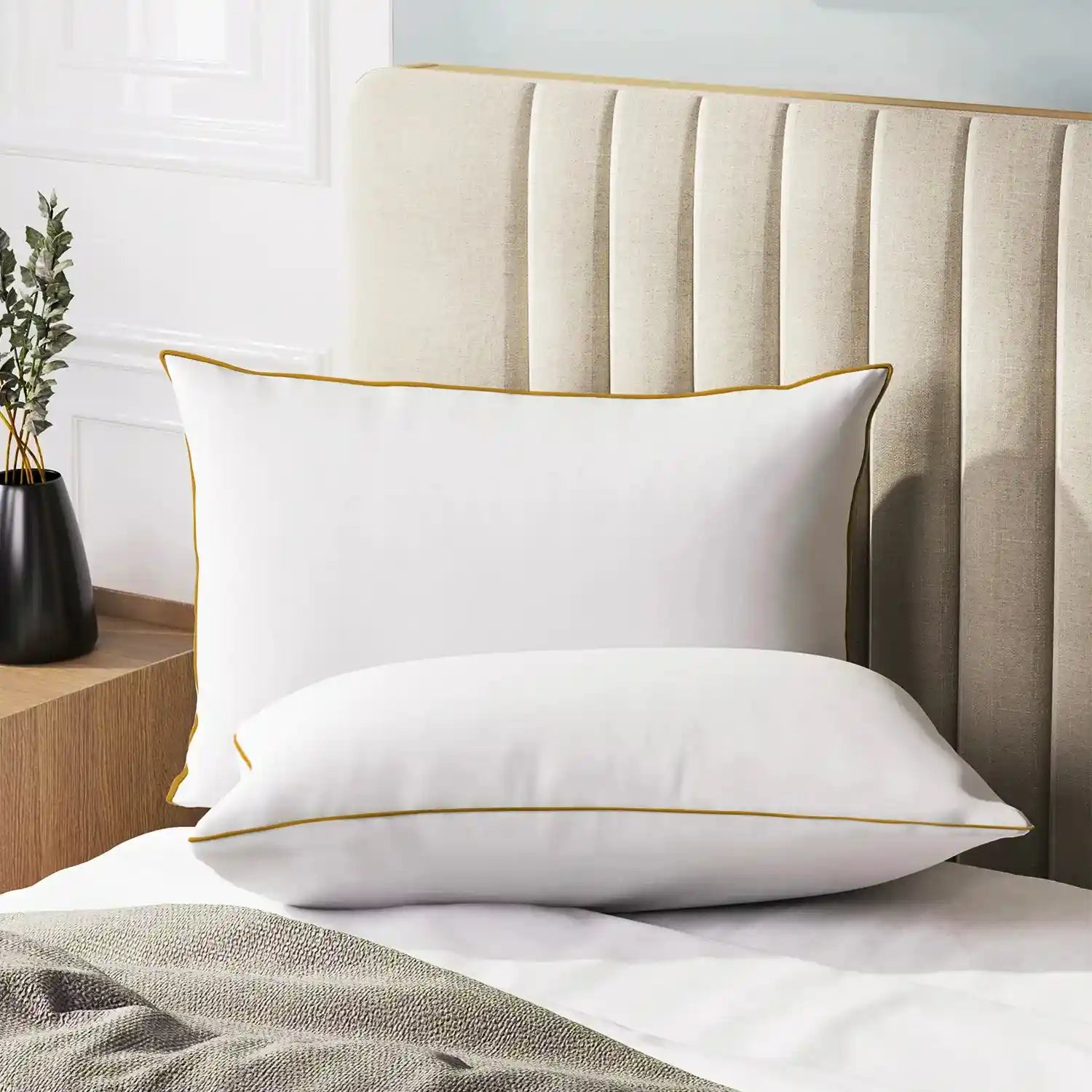
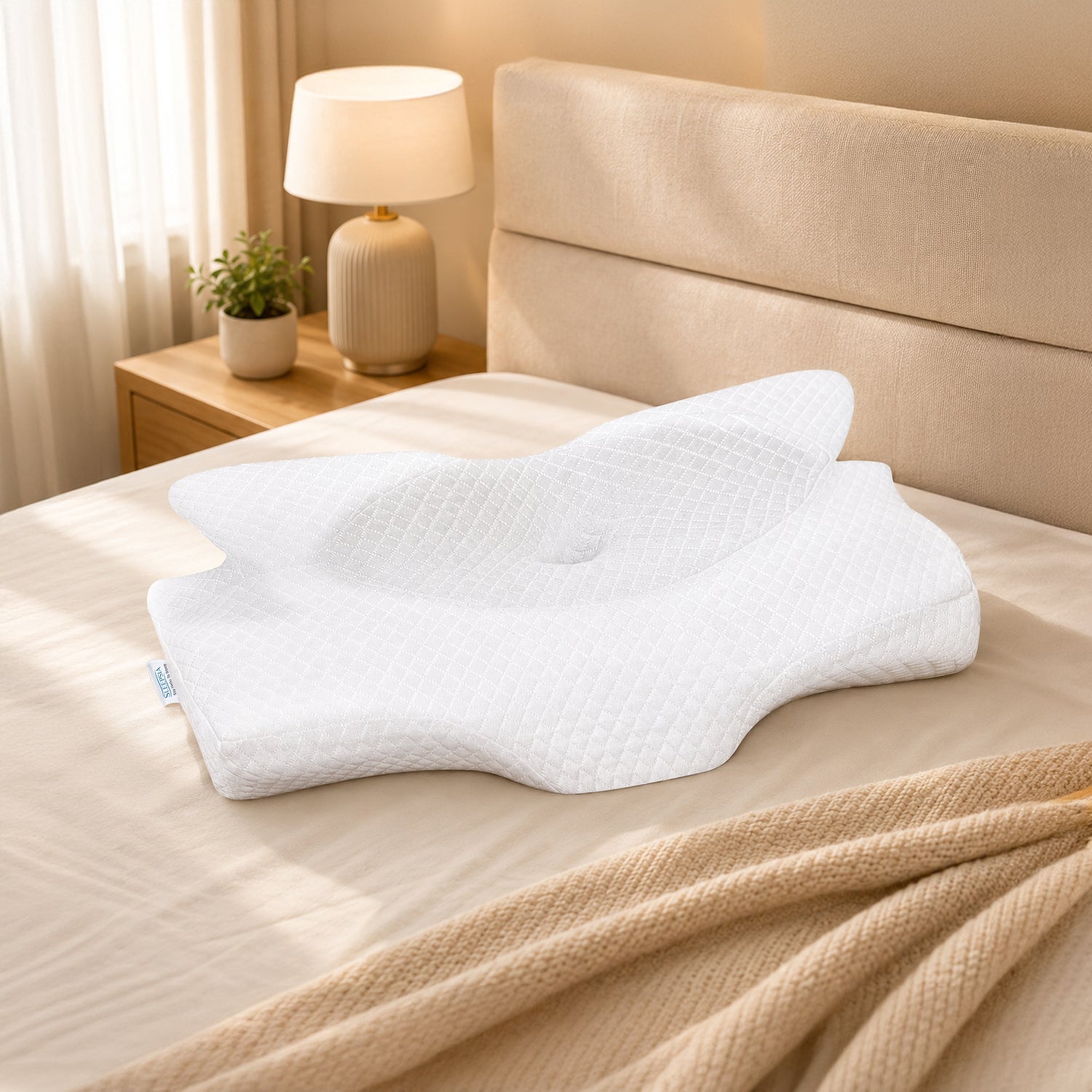
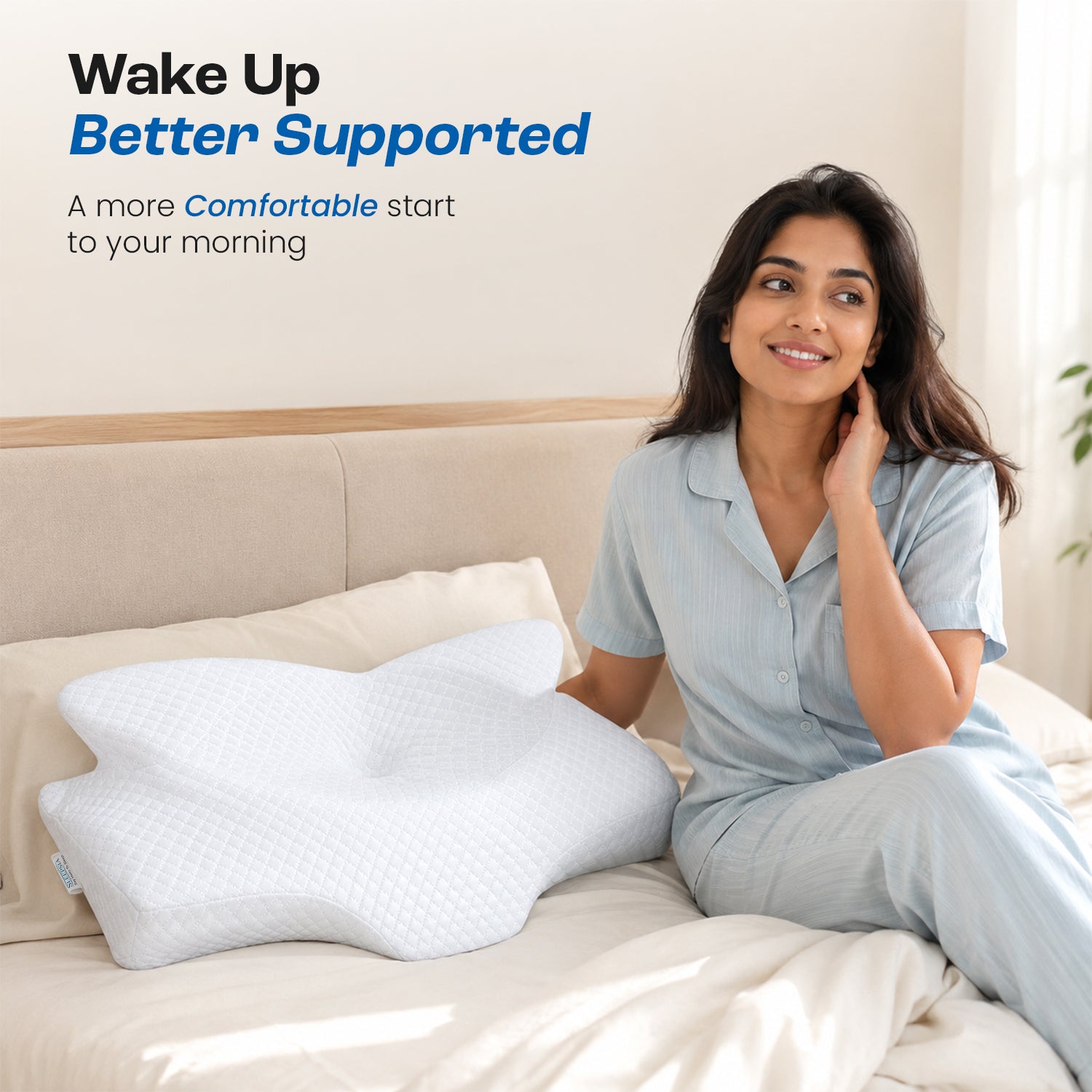






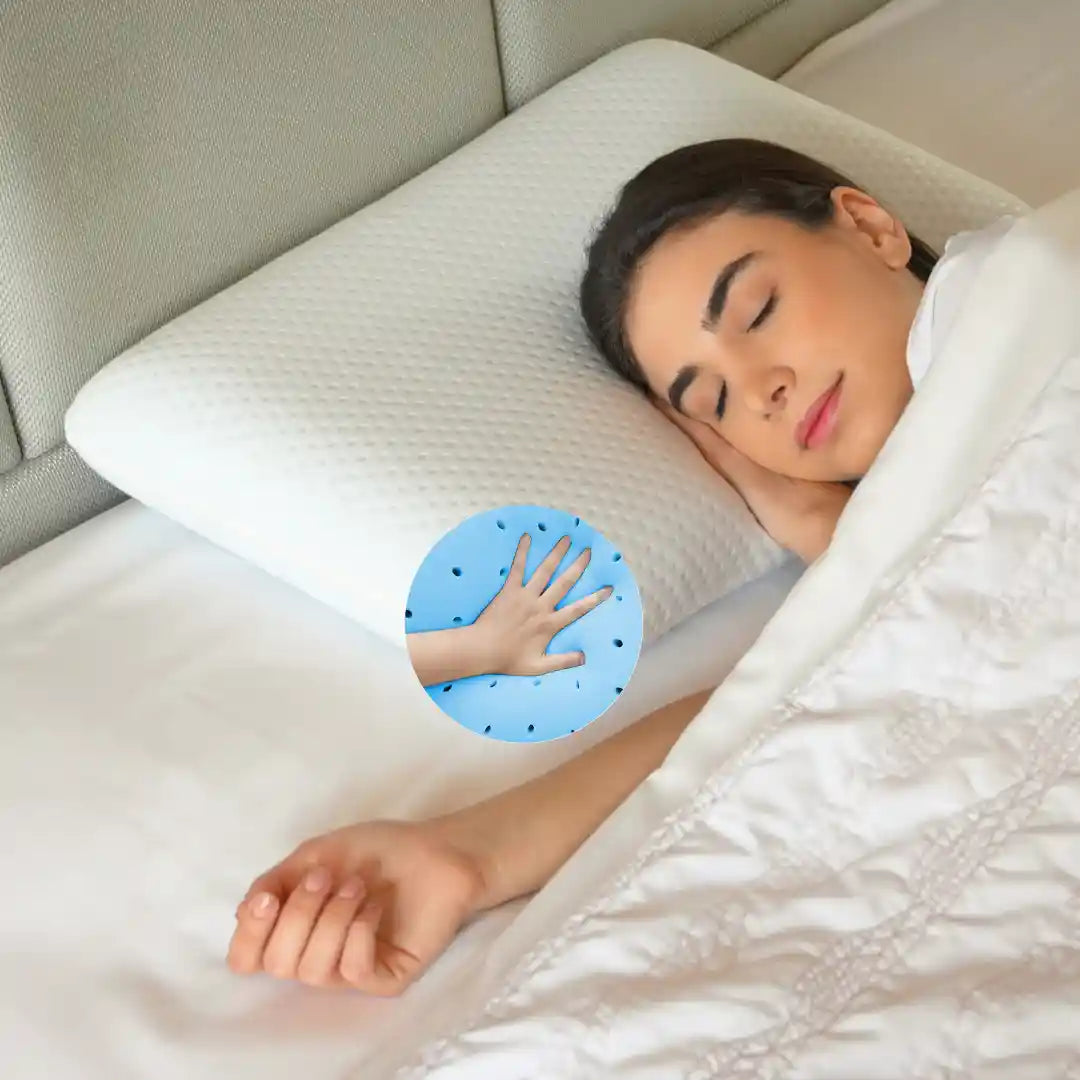
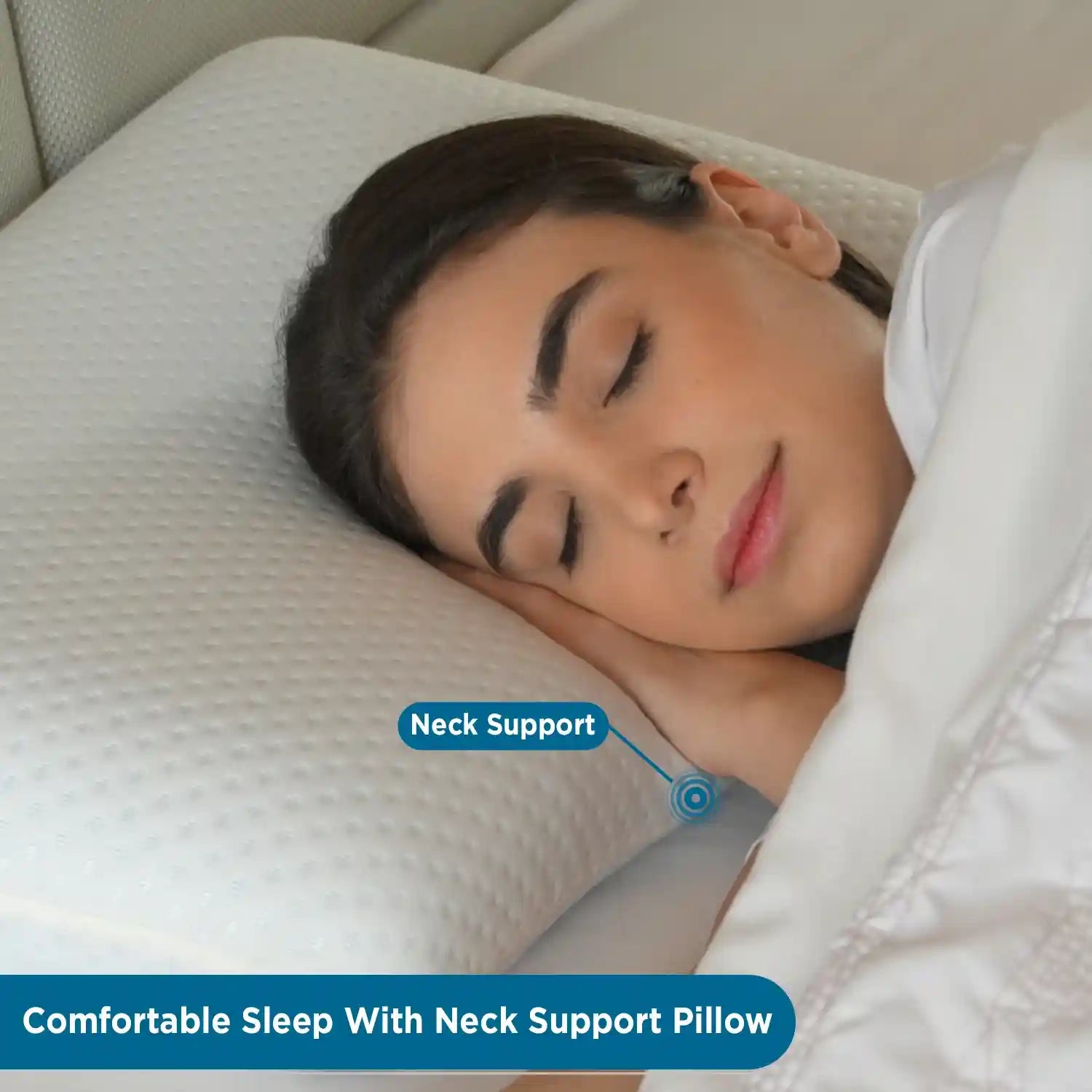








Top Signs You Need a Cervical Pillow
These signs can help you understand whether poor pillow support is causing or worsening your neck pain.
1. You Wake Up With Neck Pain Almost Every Morning
The clearest sign you may need a cervical pillow is waking up with neck pain. If your neck feels painful immediately after getting out of bed, your pillow may not be supporting your neck properly. A pillow that is too high can bend your neck forward. A pillow that is too low can let your head sink backward. Both positions can strain the neck muscles through the night. A cervical pillow for neck pain helps support the natural neck curve so your muscles do not stay tense for hours while you sleep.
2. Your Neck Feels Stiff After Sleeping
Morning stiffness is another common warning sign. If you need several minutes to move your neck comfortably after waking up, your sleeping posture may be causing strain. This neck stiffness often happens when your pillow does not keep your neck aligned with your spine. Your neck muscles remain under pressure for long hours, and by morning, they feel tight and restricted. A cervical pillow gives your neck steady support and helps reduce strain while you sleep.
3. You Keep Changing Pillows but Still Feel Neck Discomfort
If you have tried soft pillows, thick pillows, thin pillows, or multiple pillows and still wake up uncomfortable, the issue may not be softness. It may be lack of proper cervical support. Regular pillows often lose shape or fail to support the neck curve. They may feel comfortable at first but flatten during the night. A cervical pillow helps keep your neck in a stable position instead of letting it bend awkwardly during sleep.
4. Your Pillow Pushes Your Head Too High or Too Low
Your pillow height matters. If your head is tilted too far upward or downward while sleeping, your neck is not in a neutral position. A simple way to notice this is by checking how your neck feels when lying down. If your chin is pushed toward your chest, the pillow may be too high. If your head falls backward, the pillow may be too low. A cervical pillow for neck pain is shaped to support the neck without forcing the head into an unnatural angle.
5. You Feel Shoulder Tightness Along With Neck Pain
Neck pain and shoulder tension often happen together. When your neck is not supported properly, nearby muscles in the shoulders and upper back may also become tight. If you wake up with heaviness around the shoulders, upper back stiffness, or tension near the base of the neck, your pillow could be contributing to the problem. A cervical pillow supports the head and neck more evenly, which may help reduce pressure around the shoulders.
6. You Get Headaches After Waking Up
Morning headaches can sometimes be linked with poor neck positioning during sleep. When the neck muscles stay tight for long periods, tension may travel toward the head. This does not mean every headache is caused by your pillow. But if your headaches often come with neck stiffness or shoulder tightness after waking up, your sleeping support needs attention. A cervical pillow may help by keeping the neck more relaxed and better aligned through the night.
7. You Sleep on Your Back or Side
Back and side sleepers usually need more precise neck support than stomach sleepers. When sleeping on the back, the pillow should support the neck curve without lifting the head too much. When sleeping on the side, the pillow should fill the gap between the shoulder and head so the neck does not bend sideways. A cervical pillow for neck pain is often helpful for back and side sleepers because its contours support the neck more intentionally than a regular pillow.
8. You Wake Up Tired Because of Neck Discomfort
Pain can disturb sleep even when you do not fully wake up. If you keep shifting positions at night, adjusting your pillow, or waking up tired, your neck may not be resting properly. Poor neck support can make your body work harder during sleep. Instead of relaxing, the neck and shoulder muscles remain active to compensate for bad alignment. A cervical pillow can help create a more stable sleeping position, which may support deeper and more comfortable rest.
9. Your Current Pillow Has Lost Its Shape
A pillow that becomes flat, uneven, lumpy, or unsupportive can increase neck strain. If your pillow no longer returns to shape or feels different in different areas, it may not be reliable for neck support. For people dealing with neck pain, pillow structure is important. A cervical pillow is usually made with a more supportive shape, helping the neck stay in a better position throughout the night.
10. Your Neck Pain Gets Worse After Long Screen Time
Many people spend hours looking at laptops and phones. This can already place stress on the neck during the day. If your pillow does not support recovery at night, the discomfort may continue or worsen by morning. A cervical pillow cannot fix poor posture by itself, but it can support your neck while you sleep. This can be helpful for people who deal with neck strain from desk work, phone use, or long sitting hours.
11. You Feel Relief When You Place a Rolled Towel Under Your Neck
If placing a small towel under your neck feels better than using your regular pillow alone, your neck may be asking for cervical support. This is a strong sign that your neck needs contour-based support rather than just head cushioning. A cervical pillow gives similar support in a more stable and comfortable design.
12. Your Neck Pain Keeps Returning
Sometimes neck pain may happen due to stress, posture, or temporary strain. But if neck pain keeps coming back, especially after sleep, your pillow should be checked. Repeated discomfort means your neck may be spending too many hours in the wrong position. A cervical pillow for neck pain relief may help reduce repeated strain by supporting the neck’s natural curve every night.
How a Cervical Pillow Helps With Neck Pain Relief
A cervical pillow supports the neck by helping maintain better sleeping posture. It is designed to:
- Support the natural curve of the neck
- Reduce pressure on neck muscles
- Keep the head, neck, and spine better aligned
- Reduce morning stiffness caused by poor pillow height
- Improve comfort for back and side sleepers
- Help the neck relax during sleep
The main benefit is alignment. When your neck stays in a neutral position, your muscles do not have to work as hard through the night.
When Should You See a Doctor for Neck Pain?
A cervical pillow can help with sleep-related neck strain, stiffness, and poor pillow support. But it is not a medical treatment for every type of neck pain.
You should consult a healthcare professional if your neck pain is severe, lasts for many days, spreads to the arm, causes numbness or weakness, follows an injury, or keeps getting worse. A pillow can support better sleep posture, but persistent pain should not be ignored.
Conclusion
Waking up with neck pain, stiffness, shoulder tightness, or headaches can be a sign that your pillow is not giving your neck the support it needs. A regular pillow may cushion your head, but it may not support the natural curve of your neck. A cervical pillow for neck pain is designed to keep the head, neck, and spine in better alignment while sleeping. It can be especially helpful when your current pillow feels too high, too low, flat, or unsupportive.
Better neck support during sleep can make a noticeable difference in how your neck feels in the morning. When pain starts after sleep or keeps returning, switching to a cervical pillow may help improve comfort and support better alignment. Sleepsia cervical pillows are designed to support the natural curve of your neck and help you sleep more comfortably every night.
FAQs
Q1: Is a cervical pillow good for neck pain?Ans: Yes, a cervical pillow can help with neck pain caused by poor sleeping posture or lack of neck support. It supports the natural curve of the neck and helps keep the spine better aligned.
Q2: Can a cervical pillow cure neck pain?Ans: A cervical pillow cannot cure every type of neck pain. It can help reduce sleep-related strain, but chronic or severe neck pain should be checked by a healthcare professional.
Q3: Who should use a cervical pillow?Ans: A cervical pillow may be useful for people who wake up with neck pain, stiffness, shoulder tightness, or discomfort caused by poor pillow support.
Q4: Is a cervical pillow better than a regular pillow?Ans: For neck pain relief, a cervical pillow may be better than a regular pillow because it is designed to support the neck curve instead of only cushioning the head.
Q5: Which sleeping position is best with a cervical pillow?Ans: Cervical pillows are commonly helpful for back and side sleepers. The right pillow height depends on your body size, shoulder width, and sleeping posture.
Memory Foam Pillow Benefits: Why Sleep Experts Recommend It
Home Remedies for Back Pain in Men
Recent Posts

7 Benefits of Shishuasana (Child Pose) and How to Practice It Correctly

Benefits of Eka Pada Raja Kapotasana (Pigeon Pose) & How to Practice

How Does an Aroma Diffuser Make Your Home Smell Better?

Queen Size Bedsheet Buying Guide: Size, Fabric & Fit Explained

Benefits of Marjariasana (Cat Stretch Pose) & How to Practice

How to Choose the Right Double Bedsheet Size for Your Mattress

Why Does a Cotton Bedsheet Feel Better in Summer? Benefits of Breathable Fabric

