

Memory Foam Pillow vs Fiber Pillow: Which One Should You Choose?
Shopping for a new pillow can quickly become confusing, especially when you're trying to decide between a memory foam pillow and a fiber pillow. Both are popular choices, but they differ in terms of support, comfort, durability, maintenance, and overall sleep experience. The right choice depends on your sleeping position, comfort preferences, and whether you need extra neck and shoulder support. Choosing the wrong pillow isn't just about sacrificing comfort. It may contribute to issues such as neck pain, shoulder stiffness, morning headaches, frequent tossing and turning, and poor sleep quality. These issues often occur because the pillow doesn't support proper spinal alignment, has flattened over time, or isn't suitable for your sleeping style.
Understanding the differences between these two pillow types can help you avoid these problems and invest in a pillow that supports better sleep. While memory foam pillows are known for their contouring support and pressure relief, fiber pillows are valued for their soft feel, lightweight design, and affordability.
In this blog, we'll compare Memory Foam Pillow vs Fiber Pillow in detail, covering their features, benefits, limitations, ideal users, and key differences. By the end, you'll have a clear understanding of which pillow best matches your sleep needs and lifestyle.
Recommended Products

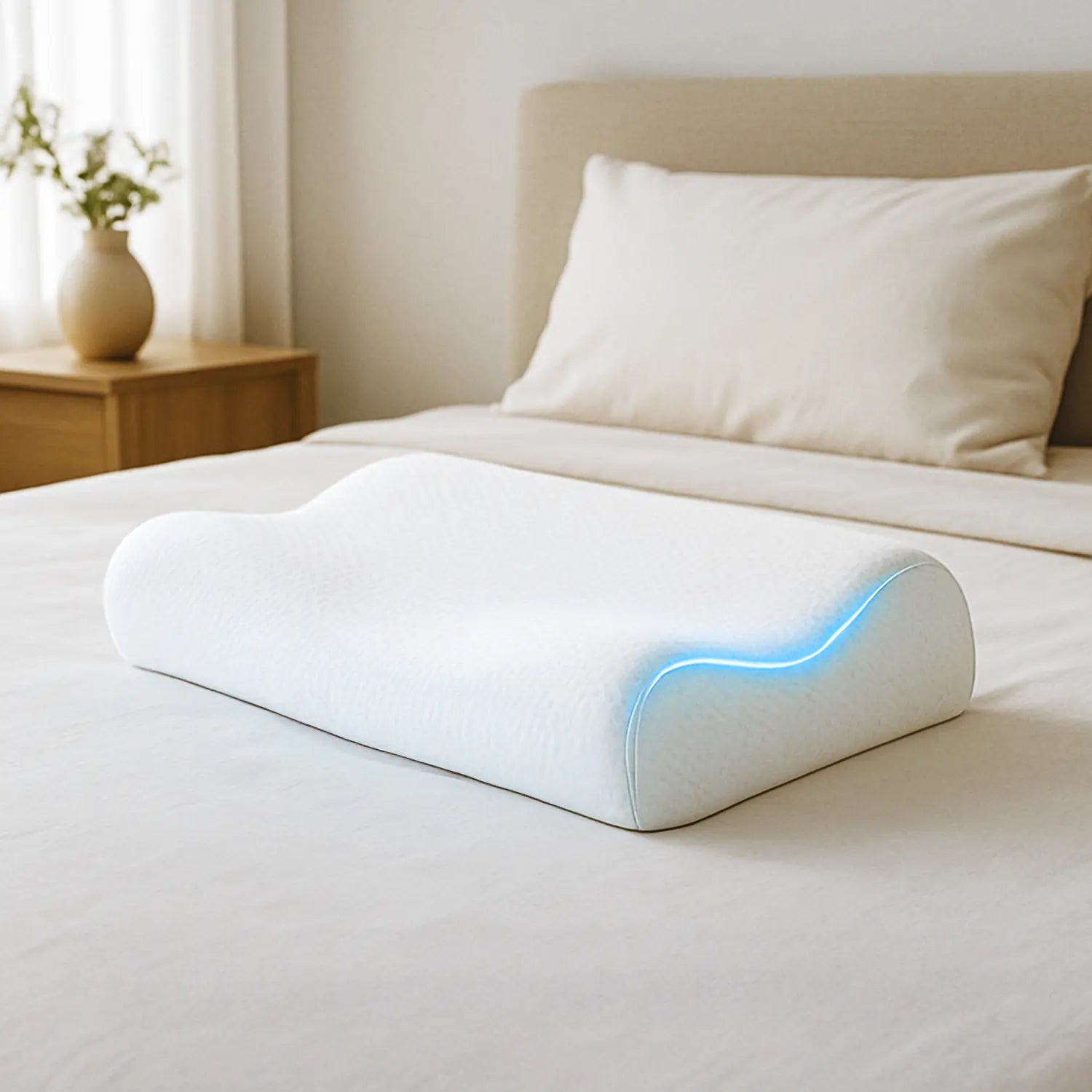
What Is a Memory Foam Pillow?
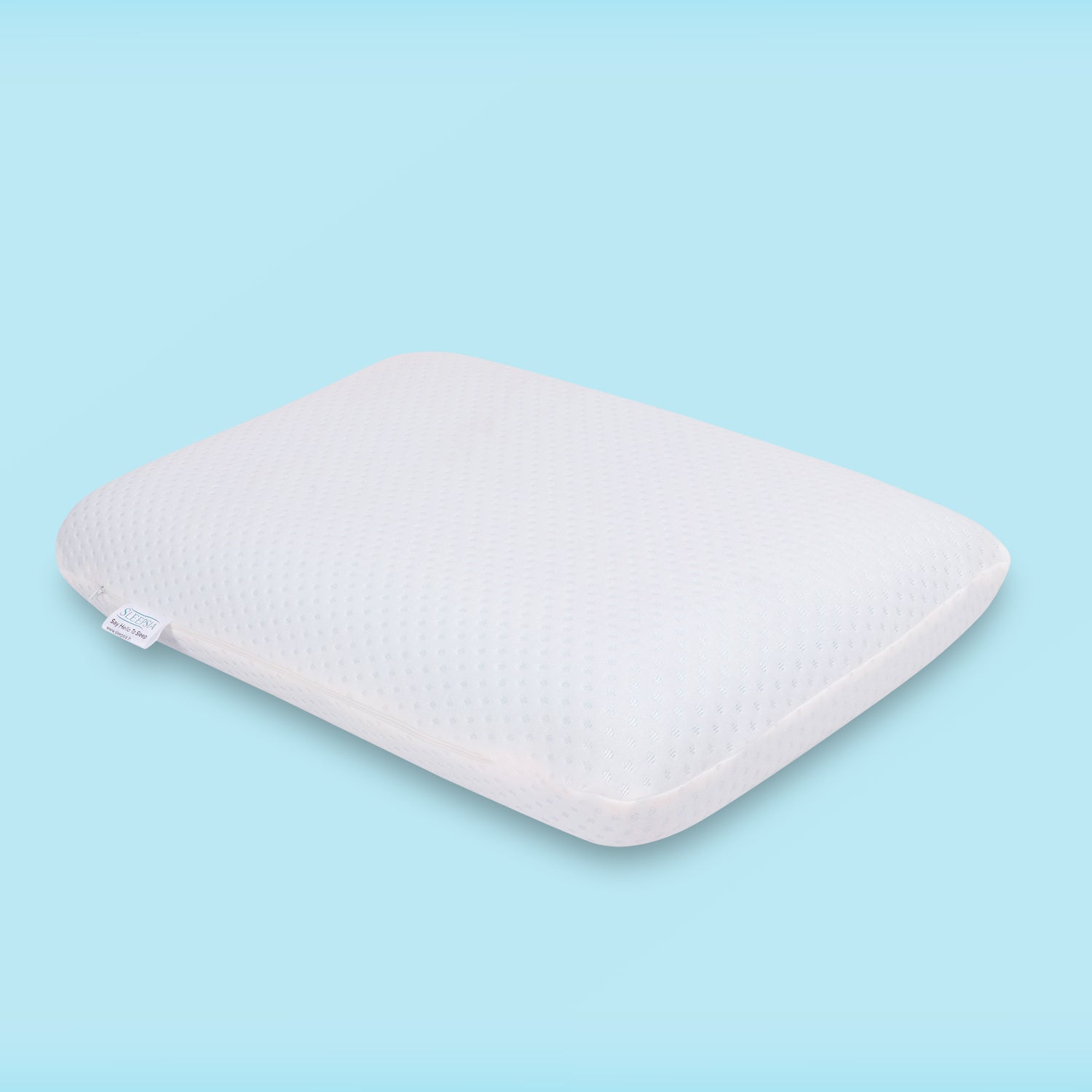
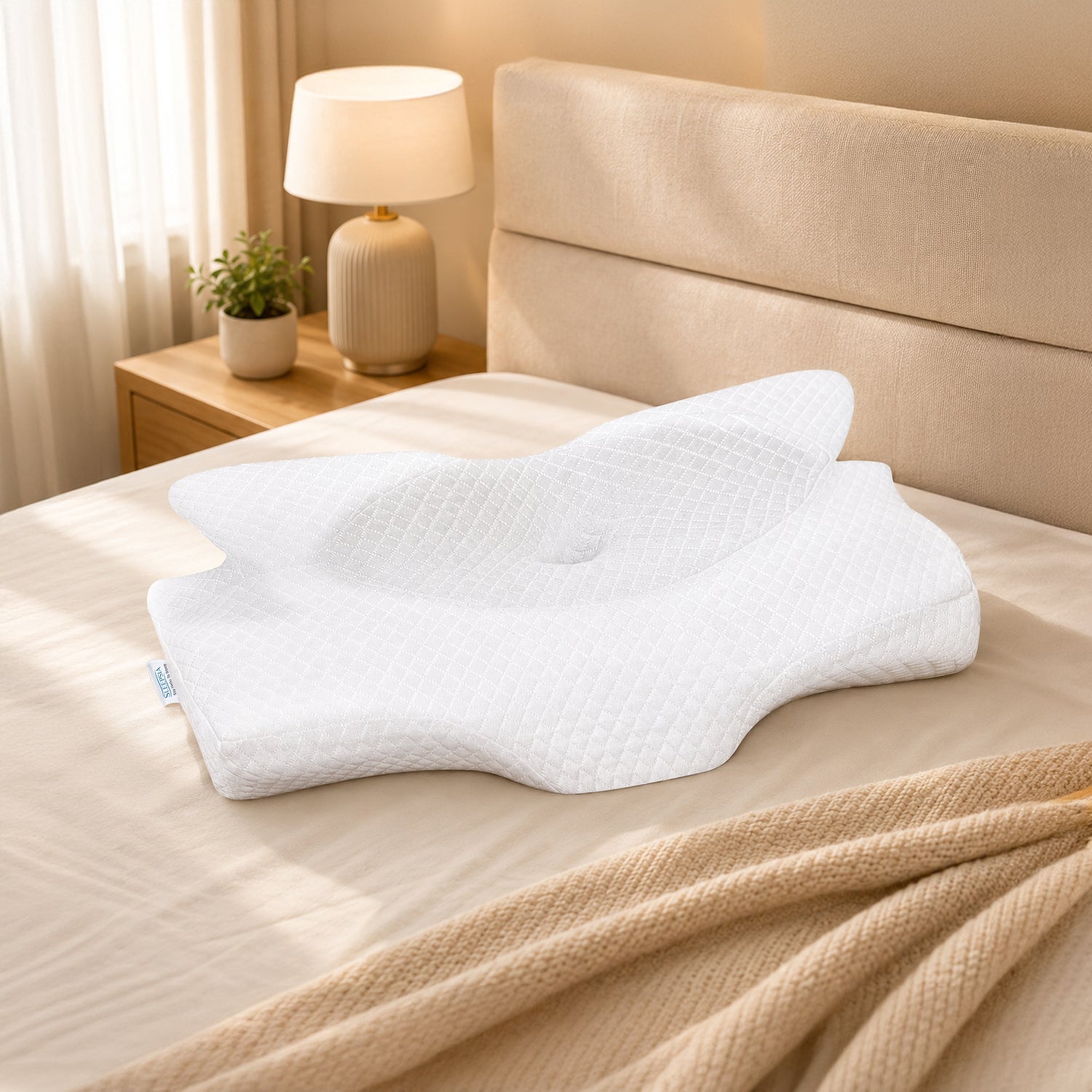
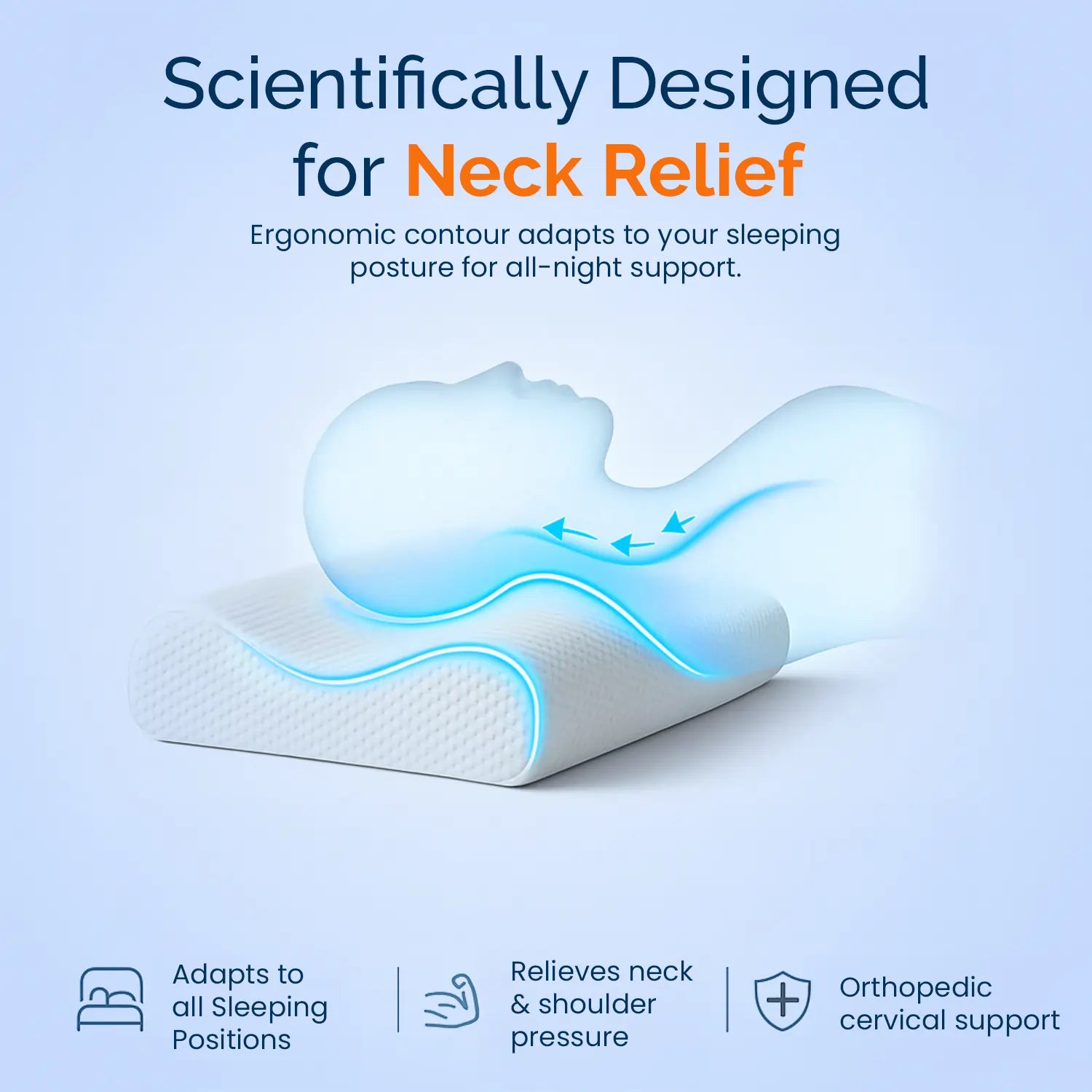
A memory foam pillow is made from special foam that reacts to body heat and pressure. When you place your head on it, the pillow slowly adjusts to the shape of your head, neck, and shoulders. This helps give better support and keeps your neck in a more comfortable position while sleeping.
Memory foam pillows are a good choice for people who prefer firm support or often wake up with neck pain, stiffness, or poor posture. Unlike regular pillows that may become flat over time, memory foam pillows are designed to hold their shape for longer and provide consistent support.
What Is a Fiber Pillow?
A fiber pillow is filled with soft synthetic fibers, usually polyester. It feels light, fluffy, and comfortable, making it a common choice for people who prefer a soft pillow instead of a firm one.
Fiber pillows are also popular because they are affordable, easy to use, and simple to maintain. They can give a soft and cozy sleeping feel, especially for people who like a plush pillow.
However, fiber pillows may lose their shape faster with regular use. Over time, they can become flat or lumpy and may not provide enough support for the neck and shoulders.
Key Differences Between Memory Foam Pillow and Fiber Pillow
Below are the main differences between memory foam pillows and fiber pillows to help you choose the right option for your sleep needs.
|
Feature |
Memory Foam Pillow |
Fiber Pillow |
|
Support |
Provides firm and structured support |
Provides soft and fluffy support |
|
Comfort Feel |
Contours to the shape of the head and neck and helps reduce pressure |
Feels plush, lightweight, and cushiony |
|
Shape Retention |
Holds its shape for a longer time |
May flatten or become lumpy faster |
|
Neck Alignment |
Better for supporting the neck and maintaining spinal alignment |
Offers less structured neck and spine support |
|
Durability |
Usually lasts longer with proper care |
May need replacement sooner |
|
Maintenance |
Usually requires spot cleaning and careful maintenance |
Often easier to clean and maintain |
|
Best For |
People with neck pain, posture issues, or those who prefer firm support |
People who prefer softness, light comfort, and a budget-friendly option |
|
Sleeping Position |
Best suited for side sleepers and back sleepers |
Better suited for stomach sleepers and people who prefer a softer pillow |
Benefits of Memory Foam Pillows
Below, we have mentioned the key benefits of memory foam pillows and how they can help improve comfort, support, and overall sleep quality.
1. Better Neck and Head Support
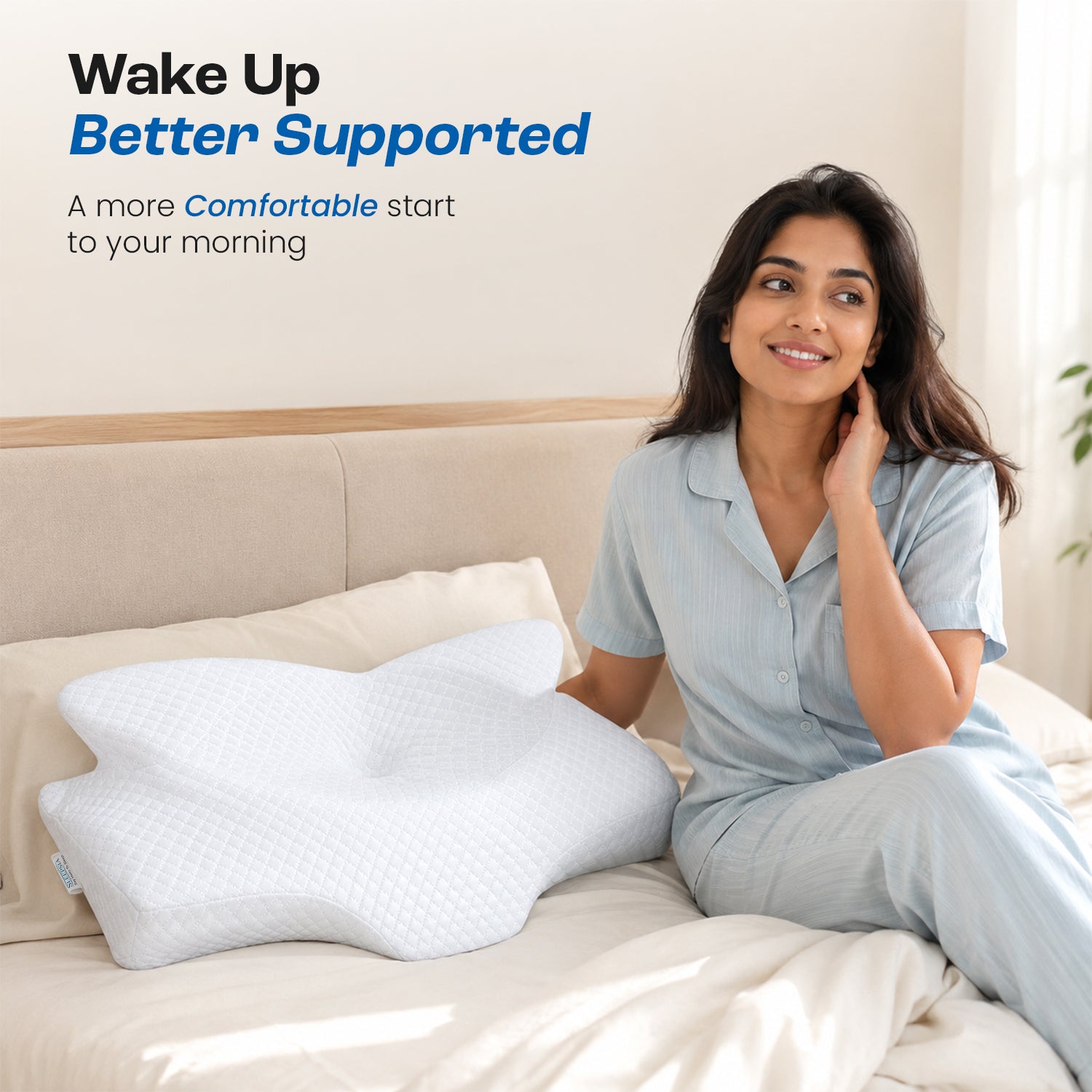
Memory foam pillows are designed to support the natural curve of your neck. They adjust according to your sleeping posture and help reduce pressure around the neck and shoulders. This can be useful for people who wake up with stiffness or discomfort.
2. Helps Maintain Spinal Alignment
Proper spinal alignment is important for comfortable sleep. A memory foam pillow helps keep your head, neck, and shoulders in a more stable position. This reduces the chances of your neck bending too high or sinking too low during sleep.
3. Good Pressure Relief
Memory foam responds to body pressure and spreads weight evenly. This helps reduce pressure points around the head, neck, and shoulders. People who sleep on their side or back may find this especially helpful.
4. Holds Shape for Longer
One of the biggest advantages of memory foam pillows is shape retention. Unlike fiber pillows that may become flat or lumpy with time, memory foam generally maintains its structure better.
5. Suitable for People with Neck Pain
A memory foam pillow may be a better choice for people who regularly experience neck pain, shoulder tightness, or poor sleeping posture. It does not cure medical problems, but it can provide better support compared to an overly soft or flattened pillow.
Benefits of Fiber Pillows
Below, we have mentioned the key benefits of fiber pillows and how they can provide soft comfort, easy maintenance, and basic everyday cushioning.
1. Soft and Fluffy Comfort
Fiber pillows are known for their soft and cushiony feel. They are ideal for people who prefer a lightweight, plush pillow, but they may require regular fluffing to maintain comfort.
2. Budget-Friendly Option
Fiber pillows are usually more affordable than memory foam pillows. This makes them a good choice for people looking for basic comfort at a lower price.
3. Easy to Maintain
Many fiber pillows are easier to clean and maintain compared to memory foam pillows. Some can be machine washed, depending on the care instructions.
4. Lightweight and Flexible
Fiber pillows are easy to move, fold, and adjust. People who like to change pillow shape while sleeping may prefer this flexibility.
5. Good for Stomach Sleepers
Stomach sleepers often need a softer, lower-height pillow to avoid neck strain. A fiber pillow may work better for them if it is not too thick.
Who Should Choose a Memory Foam Pillow?
You should choose a memory foam pillow if:
- You need better neck and shoulder support
- You wake up with stiffness or discomfort
- You sleep on your side or back
- You want a pillow that holds its shape longer
- You prefer firm and structured comfort
- You want better pressure relief while sleeping
Who Should Choose a Fiber Pillow?
You should choose a fiber pillow if:
- You prefer a soft and fluffy pillow
- You sleep mostly on your stomach
- You want a lightweight pillow
- You are looking for a budget-friendly option
- You like pillows that are easy to adjust and fluff
- You do not need firm neck support
Memory Foam Pillow vs Fiber Pillow: Which Lasts Longer?
Memory foam pillows usually last longer than fiber pillows because they are better at retaining shape. A good-quality memory foam pillow can maintain support for a longer period, while fiber pillows may flatten earlier and need replacement more frequently.
If durability and long-term support are important to you, memory foam is usually the better option.
Conclusion
The right pillow depends on your sleeping position, comfort preference, and support needs. A fiber pillow gives you a soft and fluffy feel, while a memory foam pillow provides better structure and support. For people who need improved neck alignment, pressure relief, and long-term comfort, memory foam is usually the smarter choice.
If you want a pillow that supports your head, neck, and shoulders while helping you sleep more comfortably, a Sleepsia Memory Foam Pillow can be a great option for better rest and everyday comfort.
FAQs
Q1: Is memory foam better than fiber pillow?Ans: Memory foam is better if you need firm support, neck alignment, and pressure relief. Fiber pillows are better if you prefer soft, fluffy, and lightweight comfort.
Q2: Which pillow is best for neck pain?Ans: A memory foam pillow is generally better for neck pain because it supports the natural curve of the neck and helps maintain proper sleeping posture.
Q3: Do fiber pillows lose shape?Ans: Yes, fiber pillows can lose shape over time. They may become flat or lumpy with regular use and may need frequent fluffing or replacement.
Q4: Is a memory foam pillow good for side sleepers?Ans: Yes, memory foam pillows are usually good for side sleepers because they provide firm support and help keep the head, neck, and shoulders aligned.
Q5: Which pillow lasts longer?Ans: Memory foam pillows usually last longer because they retain their shape better than fiber pillows.
Q6: Which pillow is best for everyday use?Ans: For everyday support and long-term comfort, a memory foam pillow is usually a better choice. For soft and basic comfort, a fiber pillow can also work well.
Feeding Pillow Benefits for New Mothers and Babies
Memory Foam Pillow Benefits: Why Sleep Experts Recommend It
Recent Posts

7 Benefits of Shishuasana (Child Pose) and How to Practice It Correctly

Benefits of Eka Pada Raja Kapotasana (Pigeon Pose) & How to Practice

How Does an Aroma Diffuser Make Your Home Smell Better?

Queen Size Bedsheet Buying Guide: Size, Fabric & Fit Explained

Benefits of Marjariasana (Cat Stretch Pose) & How to Practice

How to Choose the Right Double Bedsheet Size for Your Mattress

Why Does a Cotton Bedsheet Feel Better in Summer? Benefits of Breathable Fabric

