

Benefits of Satin Pillow Covers for Hair & Skin | Sleep Better
You've probably seen people talking about satin pillow covers all over social media. Some say they help reduce frizzy hair, while others claim they leave your skin looking smoother in the morning. But are these claims actually true?
Satin is a type of weave. It can be made from different materials like polyester, rayon, nylon, or even silk. What makes satin special isn't the material itself. It's the way the fabric is woven, giving it that smooth, soft, and slightly shiny finish. That's why a satin pillow cover feels very different from a regular cotton pillowcase.
This smooth surface is the main reason many people choose a satin pillowcase for hair and skin. It's a small change that can make your bedtime routine a little gentler.
In this guide, we'll explore the real satin pillow cover benefits, explain how they work, compare satin with cotton, and help you decide whether switching to a satin pillowcase for hair and skin is worth it.
Recommended Products


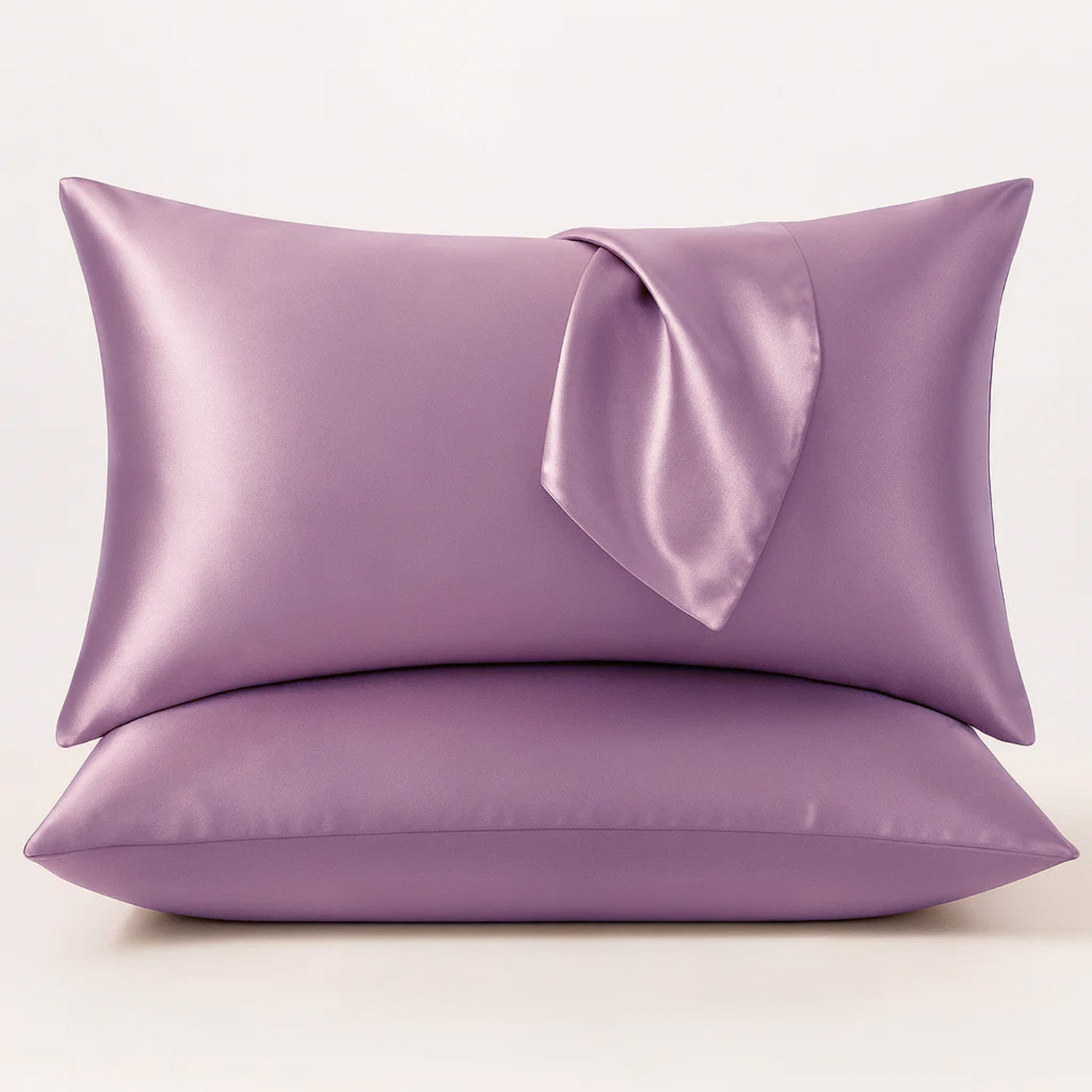
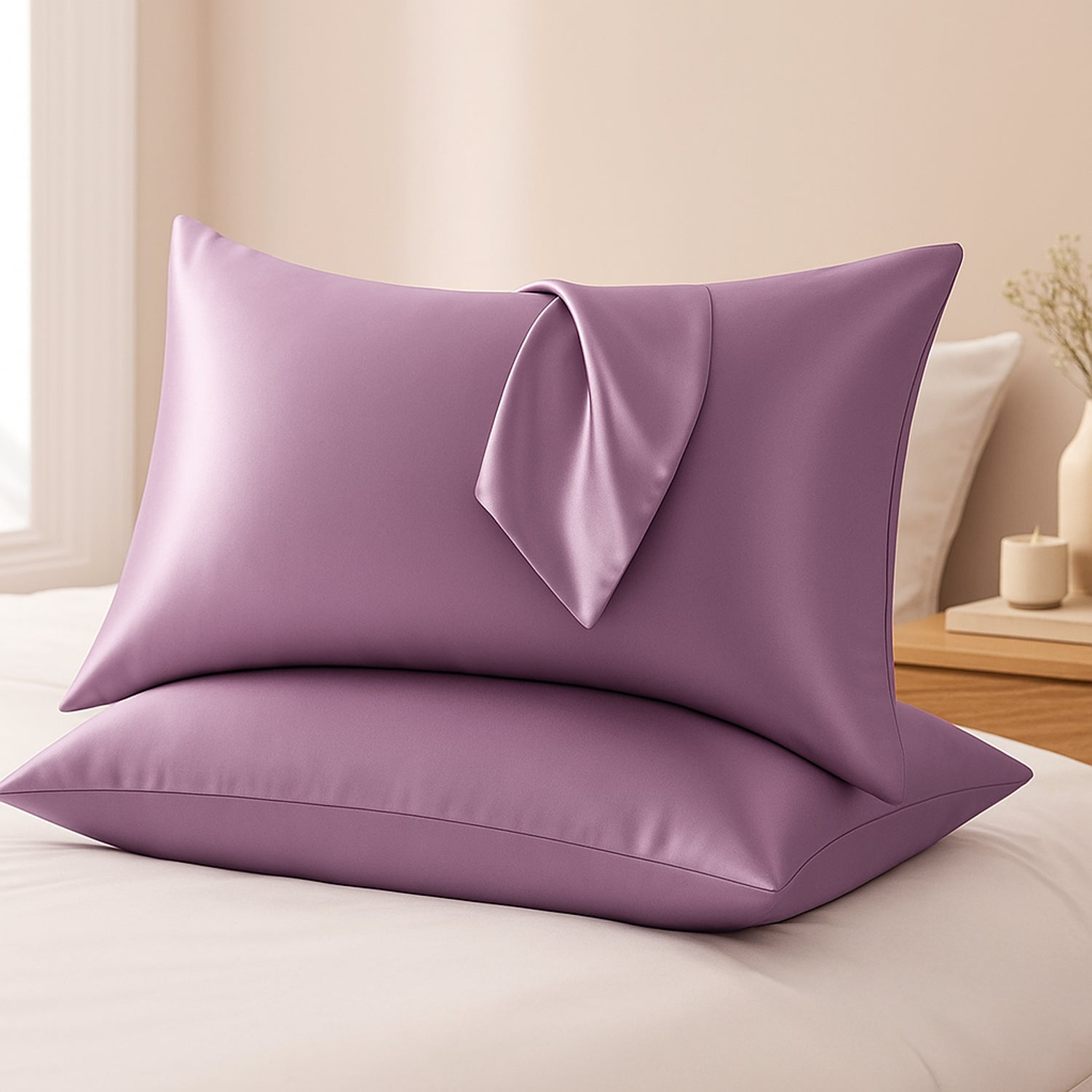
Top Benefits of Satin Pillow Covers for Hair
Hair is one of the first things people notice after switching to a satin pillow cover. While it won't transform your hair overnight, sleeping on a smoother surface may help reduce some of the everyday damage caused by friction.
Here are some of the biggest benefits of a satin pillowcase for hair:
1. Helps Reduce Hair Breakage
If you often wake up with strands of hair on your pillow, friction could be one of the reasons.
As you move during sleep, your hair rubs against your pillowcase. Over time, that repeated rubbing can weaken hair strands, especially if your hair is dry, curly, or chemically treated.
A satin pillowcase for hair creates less friction than cotton, allowing your hair to slide more easily instead of getting pulled. While it won't stop hair breakage completely, it may help reduce unnecessary stress on your hair night after night.
2. Helps Reduce Frizz
Does your hair look neat before bed but turn into a frizzy mess by morning? One reason this happens is because rough fabrics can lift the outer layer of your hair while you sleep.
Since satin has a smoother surface, it causes less rubbing, which may help your hair stay smoother when you wake up. That's why many people choose a satin pillowcase for frizzy hair, especially if they have curly, wavy, or naturally dry hair.
3. Helps Prevent Tangles
Long hair has a habit of tying itself into knots overnight. A satin pillow cover silver allows hair to move more freely, which means fewer tangles and less pulling when you brush your hair in the morning.
If you've ever spent ten minutes trying to detangle your hair after waking up, this simple switch can make your mornings much easier.
4. Helps Your Hairstyle Last Longer
Whether you've curled your hair, straightened it, or just had a fresh blowout, nobody wants to wake up and start all over again.
Because satin creates less friction, many people find that their hairstyle stays neater overnight.
It won't completely preserve your style, but it may help reduce flattening, frizz, and flyaways compared to sleeping on a regular cotton pillowcase.
5. May Help Reduce Split Ends
Split ends are usually caused by heat styling, chemicals, and everyday damage. While satin can't repair split ends, reducing friction during sleep may help prevent further wear on your hair.
6. Suitable for Curly, Wavy, and Dry Hair
Curly, wavy, and dry hair is often more prone to frizz and breakage. A satin pillowcase for curly hair provides a gentler surface that helps curls keep their shape and reduces unnecessary friction.
7. Gentle on Hair Extensions and Color-Treated Hair
Hair extensions and color-treated hair need extra care to stay looking their best. A satin pillow cover beige is gentler than cotton, helping reduce pulling and keeping treated or styled hair looking smoother for longer.
Top Benefits of Satin Pillow Covers for Skin
Your nighttime skincare routine doesn't end after you apply your favorite moisturizer or serum. The pillow cover you sleep on also plays a role in how your skin feels when you wake up.
Since your face stays in contact with your pillow for several hours every night, choosing a smoother fabric can make your sleep a little gentler on your skin.
Here are some of the biggest benefits of a satin pillowcase for skin:
1. Helps Reduce Sleep Creases
Ever looked in the mirror after waking up and noticed lines on your cheeks or forehead?
These are called sleep creases. They happen when your face presses against the pillow for hours while you sleep.
A satin pillow cover rose taupe has a smoother surface, so your skin can glide more easily instead of being pulled against the fabric. While it won't prevent wrinkles, it may help reduce temporary sleep lines that usually fade after you wake up.
2. Helps Skin Stay Better Hydrated
Cotton pillowcases are known for absorbing moisture, including some of the natural oils and skincare products on your face.
A satin pillow cover absorbs less moisture than cotton. This means more of your nighttime moisturizer or serum stays on your skin instead of transferring to your pillowcase. If you have dry skin, this can help your face feel softer and more comfortable in the morning.
3. Gentle on Sensitive Skin
If your skin gets irritated easily, even small amounts of friction can sometimes make it feel uncomfortable.
The smooth texture of satin reduces rubbing between your skin and the pillow, making it a gentler option for many people with sensitive skin.
While it isn't a treatment for skin conditions, it can provide a softer sleeping surface that feels more comfortable throughout the night.
4. Help Reduce Irritation Caused by Friction
Every time you change positions during sleep, your face moves across your pillow. On rough fabrics, this repeated rubbing can create unnecessary friction.
A satin pillowcase for skin allows your face to glide more smoothly, helping reduce pulling and rubbing while you sleep. This is one of the reasons many people include satin pillow covers as part of their overall skincare routine.
5. Best for Acne-Prone Skin
A satin pillow cover won't cure acne, but it can support good skincare habits. Because it creates less friction, it may feel gentler on skin that is already sensitive or experiencing breakouts. It can also help reduce the transfer of your skincare products onto the pillowcase compared to more absorbent fabrics.
For the best results, remember to wash your satin pillow cover brown regularly to keep it clean.
How Satin Pillow Covers Works for Your Hair and Skin
Most people spend time choosing the right shampoo, conditioner, face wash, or moisturizer. But there's one thing that often gets overlooked: the pillow cover you sleep on every night.
Think about it. You spend around 7 to 8 hours with your face and hair resting on your pillow. During that time, your pillow cover is constantly in contact with your skin and hair. If the fabric is rough, it can create friction every time you move in your sleep.
Unlike regular cotton pillowcases, satin has a smooth surface that allows your hair and skin to glide more easily. This simple difference can help reduce unnecessary rubbing, making satin a popular choice for people looking to improve their bedtime routine.
Here's how satin pillow covers help protect your hair and skin:
They Reduce Friction
Every time you change your sleeping position, your hair and skin rub against your pillow.
With cotton pillowcases, this repeated rubbing can cause hair to tangle, become frizzy, or even break more easily. It can also leave temporary sleep lines on your face.
A satin pillow cover creates much less friction. Instead of pulling against your hair and skin, the smooth surface lets them glide naturally. This is one of the biggest satin pillow cover benefits for both hair and skin.
They Absorb Less Moisture
Cotton is highly absorbent, which is great for towels but not always ideal for pillowcases.
As you sleep, cotton may absorb some of your skin's natural oils and even a portion of your nighttime skincare products. It can also draw moisture away from your hair.
A satin pillow cover absorbs less moisture than cotton. This helps your skin stay better hydrated and allows more of your moisturizer or serum to remain where it belongs, on your skin. Your hair may also feel softer because it retains more of its natural moisture.
They Feel Softer and More Comfortable
One of the first things people notice after switching to satin is how comfortable it feels.
The smooth, silky surface feels gentle against your face and hair, making bedtime a little more relaxing. Many people also find that satin feels cooler than regular cotton, especially during warmer nights.
While comfort alone won't improve your hair or skin, getting a better and more comfortable night's sleep is always a welcome bonus.
These simple qualities are what make satin pillow covers a favorite among people who want a small but meaningful upgrade to their sleep and self-care routine.
How to Choose the Best Satin Pillow Cover
Not all satin pillow covers are the same. If you're planning to buy one, here are a few things to keep in mind to make sure you choose the right option.
Fabric Quality
Look for a satin pillow cover made from high-quality materials. A well-made pillow cover feels soft, smooth, and durable, making it comfortable for everyday use.
Smooth Weave
The smoother the surface, the less friction it creates. A tightly woven satin pillow cover black allows your hair and skin to glide more easily while you sleep.
Zipper vs. Envelope Closure
Satin pillow covers usually come with either a zipper closure or an envelope closure. A zipper keeps the pillow securely in place, while an envelope closure offers a clean look without any exposed zippers. Both work well, so the choice comes down to personal preference.
Choose the Right Size
Make sure the pillow cover matches your pillow size. Satin pillow covers are commonly available in Standard, Queen, and King sizes for a snug and comfortable fit.
Color Options
Choose a color that matches your bedding or bedroom decor. Since satin pillow covers come in a wide range of shades, it's easy to find one that suits your style.
Easy Maintenance
Before buying, check the care instructions. A machine-washable satin pillow cover is usually the most convenient choice for everyday use.
How to Wash and Care for Satin Pillow Covers
Taking proper care of your satin pillow cover helps it stay soft, smooth, and long-lasting.
- Wash your satin pillow cover in cold or lukewarm water using a mild detergent. If you're using a washing machine, select a gentle cycle to protect the fabric.
- Air drying is the best option because it helps preserve the smooth texture of satin. If you use a dryer, choose a low-heat setting to avoid damaging the fabric.
- If your satin pillow cover develops wrinkles, use the lowest heat setting on your iron. You can also place a thin cloth over the pillow cover while ironing for extra protection.
- For good hygiene, wash your satin pillow cover every 7 to 10 days. If you have oily skin or use hair products before bed, washing it more often can help keep it clean.
Common Myths About Satin Pillow Covers
Satin pillow covers have become increasingly popular, but there are still a few common misconceptions about them. Let's separate the myths from the facts.
Myth 1: Satin and Silk Are the Same
Fact: Satin and silk are different. Silk is a natural fiber, while satin is a type of weave that can be made from materials like polyester, rayon, nylon, or silk. Both feel smooth, but satin is usually more affordable.
Myth 2: Satin Causes Sweating
Fact: Satin itself doesn't cause sweating. Your sleeping environment, room temperature, bedding, and the material used to make the satin pillow cover all play a role in how warm you feel at night.
Myth 3: Satin Is Difficult to Maintain
Fact: Most modern satin pillow covers are easy to care for. Many are machine washable and only require gentle washing and low-heat drying to keep them looking their best.
Myth 4: Satin Pillow Covers Only Benefit Women
Fact: Healthy hair and skin aren't limited to women. Anyone can enjoy the benefits of a satin pillowcase, whether they have curly hair, a beard, sensitive skin, or simply want a softer and more comfortable sleeping surface.
Conclusion
A satin pillow cover is a simple upgrade that can benefit both your hair and your skin. Its smooth surface helps reduce friction, minimize frizz and tangles, and may help your skin stay softer overnight. If you're looking for a comfortable and stylish option, the Sleepsia Satin Pillow Cover is a great choice. It offers a soft, smooth feel to help you enjoy a more comfortable night's sleep while supporting your hair and skincare routine.
FAQs
Q1: Are satin pillow covers good for hair?Ans: Yes. Satin pillow covers create less friction than cotton, which can help reduce hair breakage, frizz, and tangles. They're especially beneficial for curly, dry, or chemically treated hair.
Q2: Do satin pillow covers help reduce frizzy hair?Ans: Yes. The smooth surface of satin allows your hair to glide more easily while you sleep, helping reduce friction that can cause frizz and flyaways.
Q3: Can satin pillow covers prevent wrinkles?Ans: No. Satin pillow covers cannot prevent wrinkles, but they may help reduce temporary sleep creases by creating less friction between your skin and the pillow.
Q4: Are satin pillow covers good for acne-prone skin?Ans: A satin pillow cover isn't a treatment for acne, but its smooth surface is gentler on the skin and absorbs less moisture than cotton. Washing it regularly is important to keep it clean.
Q5: How often should you wash a satin pillow cover?Ans: It's best to wash your satin pillow cover every 7 to 10 days. If you have oily skin, use hair products before bed, or sweat heavily at night, wash it more frequently.
Q6: Which is better for hair: satin or cotton?Ans:For hair care, satin is generally a better choice because it creates less friction. This can help reduce frizz, tangles, and breakage compared to a cotton pillowcase.
Q7: Is satin better than silk?Ans: Both satin and silk have smooth surfaces that are gentle on hair and skin. Silk is a natural fiber, while satin is a weave that is often more affordable and easier to maintain. The better choice depends on your budget and personal preference.
Q8: Can men use satin pillow covers?Ans: Absolutely. Satin pillow covers are suitable for everyone. Whether you have short hair, long hair, a beard, or sensitive skin, you can enjoy the same hair, skin, and comfort benefits.
Pregnancy Pillow Benefits: How It Supports Better Sleep During Pregnancy
Cervical Pillow vs Regular Pillow: Which Is Better for Neck Support?
Recent Posts

How Does an Aroma Diffuser Make Your Home Smell Better?

Queen Size Bedsheet Buying Guide: Size, Fabric & Fit Explained

Benefits of Marjariasana (Cat Stretch Pose) & How to Practice

How to Choose the Right Double Bedsheet Size for Your Mattress

Why Does a Cotton Bedsheet Feel Better in Summer? Benefits of Breathable Fabric

Helping Kids Sleep Through the Night: A Parent's Guide

Sleep Solutions for Seniors: Managing Arthritis & Joint Pain at Night

