

Waking Up With Lower Back Pain: Causes & Relief
Waking up with lower back pain is something many people experience from time to time. It is normal to feel a little stiffness after sleeping in the same position for several hours. In many cases, this stiffness goes away once you get up and start moving. However, if the pain continues every morning or becomes more severe, it may be a sign that something needs attention. There are many reasons why your lower back may hurt after sleeping. Your sleeping position, mattress, pillow, muscle stiffness, poor posture, or even certain health conditions can all play a role. Finding the cause can help you reduce the pain and sleep better. Many cases of morning back pain can improve with simple lifestyle changes and better sleep habits.
In this blog, you'll learn the common causes of morning back pain, symptoms to watch for, effective ways to relieve back pain after sleep, and practical tips to help prevent it from returning.
Recommended Products


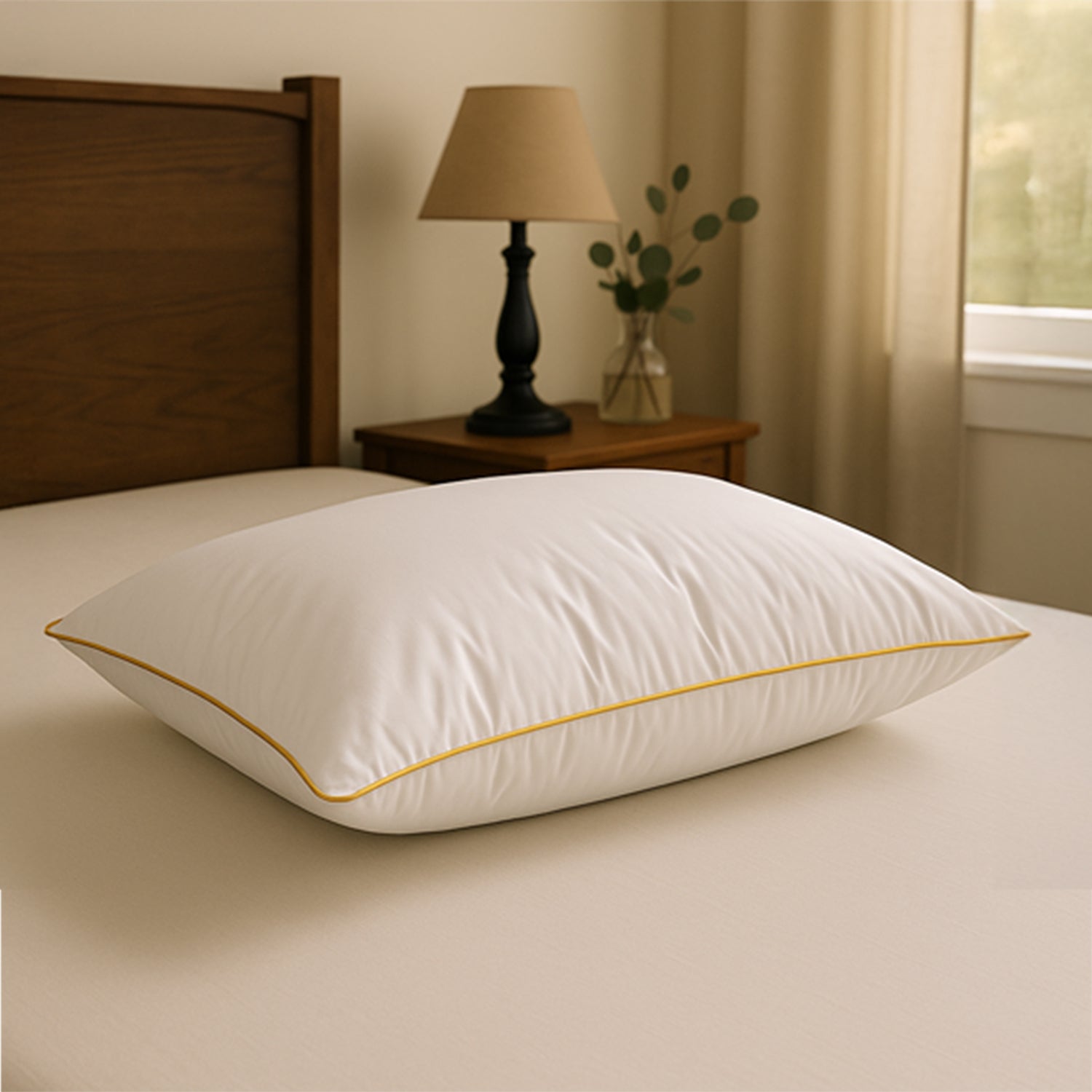

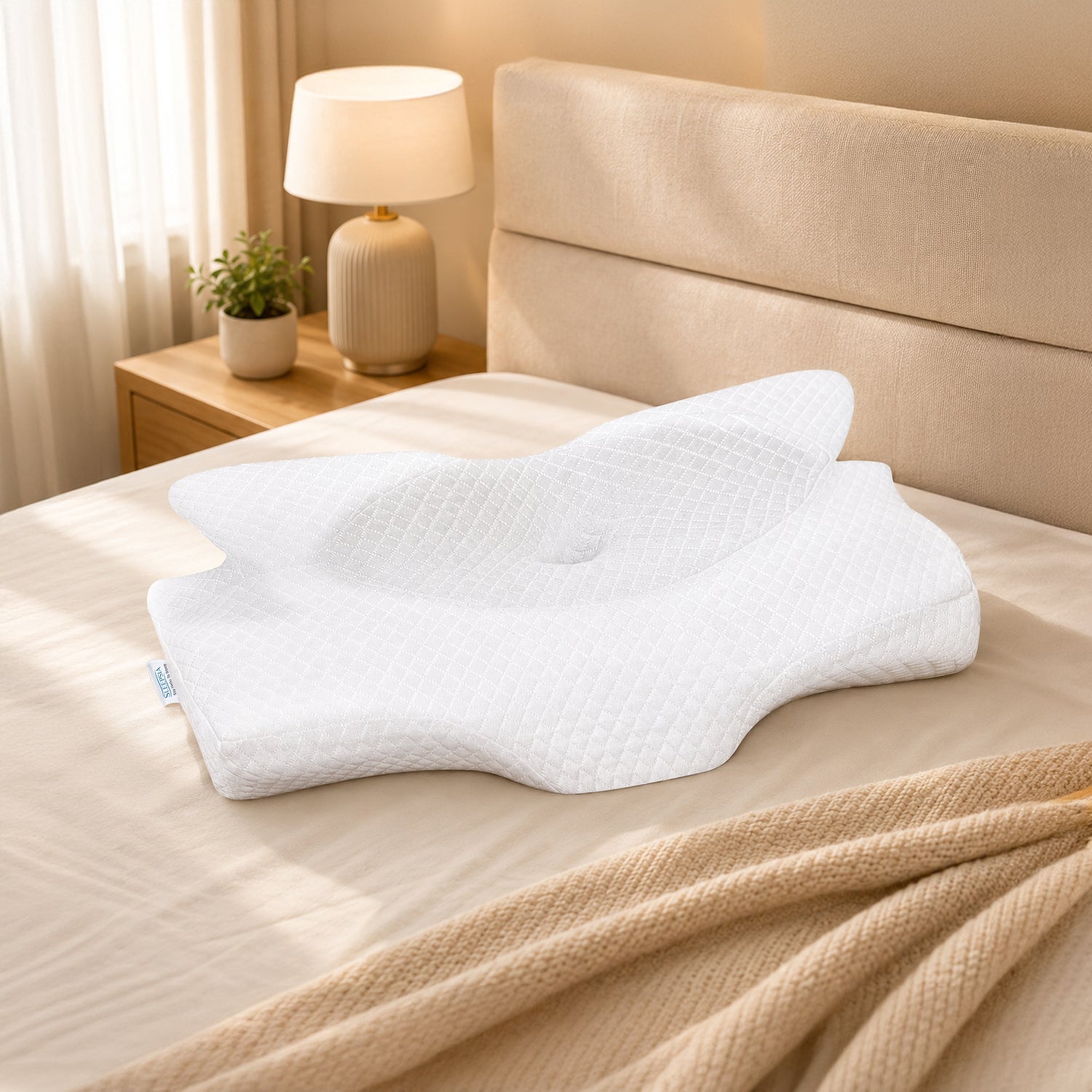











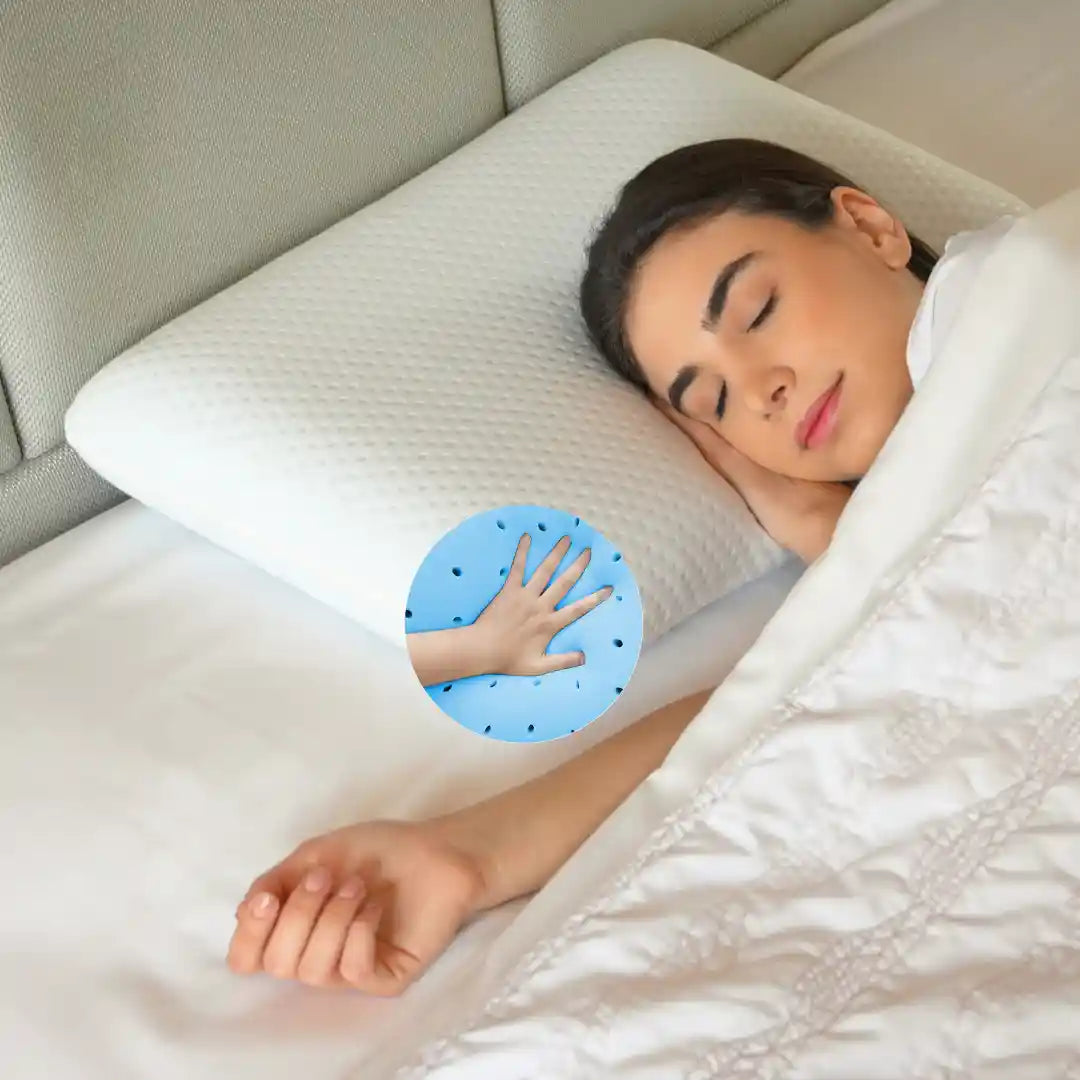











What Causes Lower Back Pain After Sleeping?
During sleep, your body stays still for a long time. Muscles and joints move less than they do during the day, which may cause temporary stiffness. If the spine is poorly supported, the hips rotate, or the lower back remains excessively arched, the surrounding tissues may become irritated.
Pain that improves after several minutes of gentle movement often follows a mechanical or stiffness-related pattern. Pain that repeatedly wakes you, lasts a long time after getting up, or improves with activity but worsens with rest may sometimes be related to an inflammatory condition and should be evaluated by a healthcare professional.
Causes of Morning Back Pain
Below are some of the common causes of morning back pain:
1. Unsupportive Sleeping Position
Your sleeping position can cause back pain if it does not keep your spine, hips, and pelvis properly aligned.
Side sleeping without support between the knees may rotate the pelvis and lower spine. Back sleeping with the legs fully straight may increase the arch in the lower back. Stomach sleeping can also exaggerate the lumbar curve.
Side sleepers may benefit from a pillow between the knees, while back sleepers can place one beneath the knees. People who cannot avoid stomach sleeping may reduce strain by placing a thin pillow under the hips and lower abdomen.
2. A Mattress That Does Not Suit Your Body
A very soft mattress may let the hips sink too deeply, while a very firm mattress may create uncomfortable pressure and fail to support the body’s curves.
No single mattress works best for everyone with back pain. However, a randomized trial involving people with chronic nonspecific low back pain found better outcomes with medium-firm mattresses than with firm mattresses. Comfort, body weight, sleep position, and mattress condition still matter.
Your mattress may be the cause if your pain is worse while lying in bed or right after you wake up, but gets better after you get out of bed.
3. Muscle Strain or Overuse
Back pain after sleep may begin after lifting, twisting, exercising, sitting for a long period, or performing unfamiliar work the previous day. Sudden lower back pain is often caused by strained muscles or ligaments in the back.
4. Prolonged Sitting and Reduced Strength
The cause may begin during the day rather than at night. Sitting for long hours, moving less, poor posture, and weak back and hip muscles can put extra strain on your lower back.
A chair that does not support the lumbar curve or a habit of remaining in one position can increase stress on the back. Regular movement breaks and appropriate lower-back support may help.
5. Age-Related Joint or Disc Changes
The joints and discs of the spine change with age. While mild stiffness after sleep is common, persistent stiffness after rest may also be related to osteoarthritis, especially in older adults.
6. Sciatica or Nerve Irritation
Sciatica may cause pain, numbness, tingling, or weakness that travels from the lower back or buttock into one leg.
If you have ongoing weakness, increasing numbness, or problems with bladder or bowel control, seek medical care right away.
7. Inflammatory Back Pain
Conditions such as axial spondyloarthritis or ankylosing spondylitis can cause lower back or hip pain and stiffness that worsens during rest, occurs at night, and improves with movement.
Possible clues include prolonged morning stiffness, repeated night waking, symptoms that begin at a younger age, and pain that improves with exercise rather than rest.
8. Other Health Conditions
Less commonly, morning back pain may be related to osteoporosis and spinal fracture, kidney problems, infection, pregnancy-related changes, fibromyalgia, or pain referred from another part of the body.
Back pain accompanied by fever, urinary symptoms, unexplained weight loss, widespread pain, recent trauma, or significant illness should not be treated as a bedding problem alone.
How to Relieve Lower Back Pain After Sleeping
Below are some simple ways to relieve lower back pain after sleeping.
Use Heat or Cold
A warm shower or wrapped heating pad may relax tight muscles and reduce stiffness. A cold pack may feel better after a recent strain or when the area feels acutely irritated. Wrap the heating pad or ice pack in a cloth, and do not sleep while using it.
Stay Active
Short periods of rest may help after an acute injury, but prolonged bed rest is generally not recommended for uncomplicated lower back pain. Gentle walking and light daily activities can help reduce stiffness. Guidelines emphasize self-management and exercise-based care for many cases of low back pain.
Adjust Your Sleep Position
Here are sleeping position to you can adjust:
Side Sleepers
Keep the knees slightly bent and place a supportive pillow between them. It should prevent the upper knee from dropping toward the mattress. A body pillow may help reduce twisting.
Back Sleepers
Place a pillow under the knees to reduce tension through the lower back. A small rolled towel under the waist may help some people, provided it does not force the back into an exaggerated arch.
Stomach Sleepers
Try moving toward side sleeping. If stomach sleeping is unavoidable, place a thin pillow under the pelvis and lower abdomen to reduce strain.
Reassess Your Mattress and Pillows
Check if your mattress is sagging or no longer supports your body properly. Test smaller changes, such as a topper or support pillow, before replacing it. A mattress labeled "orthopedic" or "extra firm" may not always relieve back pain.
Improve Daytime Habits
Morning symptoms often improve when you reduce strain on your back during the day. Break up long sitting periods, keep frequently used objects within reach, and avoid lifting while bending and twisting at the waist.
Regular movement, posture changes, and gradual exercise can help improve mobility and strengthen the muscles supporting the back.
When Should You See a Doctor?
You should see a doctor if your morning back pain lasts for several weeks, keeps coming back, or gradually becomes worse. Medical advice is also important if the pain affects your sleep, walking, work, or daily activities. If the pain travels below your knee, causes ongoing tingling or numbness, or is accompanied by severe morning stiffness or frequent night pain, it should be evaluated by a healthcare professional. You should also seek medical attention if the pain starts after a major fall or accident, or if you have a history of osteoporosis, cancer, a weakened immune system, or long-term steroid use.
Seek emergency medical care if you experience new loss of bladder or bowel control, difficulty urinating, numbness around the groin or inner thighs, severe or worsening leg weakness, fever with intense back pain, or pain after major trauma. These symptoms may be signs of a serious problem and need immediate medical attention. In most cases of uncomplicated back pain, X-rays or MRI scans are not needed unless there are warning signs, the symptoms continue to worsen, or imaging is necessary to guide treatment.
How to Prevent Back Pain After Sleep
You can reduce the chances of back pain after sleep by following these simple habits:
- Sleep in the right position to keep your spine properly aligned.
- Use a supportive mattress and pillow that suit your sleeping style.
- Stretch daily to improve flexibility and reduce muscle stiffness.
- Exercise regularly to strengthen your back and core muscles.
- Maintain good posture while sitting, standing, and walking.
- Avoid sitting for long periods and take short breaks to move around.
- Lift heavy objects correctly by bending your knees instead of your back.
- Maintain a healthy weight to reduce pressure on your spine.
- Manage stress, as muscle tension can contribute to morning back pain.
- Replace old mattresses and pillows if they no longer provide proper support.
Conclusion
Waking up with lower back pain can make it difficult to start your day, but in many cases, simple changes can help. Small changes to your daily routine and sleep setup can often reduce morning back pain and help you wake up more comfortably. If the pain continues for several weeks, becomes severe, or is accompanied by numbness or weakness, consult a healthcare professional for a proper diagnosis.
If you're looking for back support pillows designed to help maintain proper spinal alignment and improve sleeping comfort, Sleepsia offers a range of ergonomic options. The right pillows and sleep products can help reduce pressure on your lower back and make sleeping more comfortable. You can check Sleepsia’s page for ergonomic sleep products to wake up feeling refreshed and pain-free.
FAQs
Q1: Why Does My Lower Back Hurt When I Wake Up but Improve After Moving?Ans: Several hours of limited movement can make muscles and joints stiff. If your pain gets better after walking or moving around, it may be caused by muscle stiffness or poor posture. Repeated stiffness that lasts a long time and worsens with rest should be assessed.
Q2: Can a Mattress Cause Morning Back Pain?Ans: A mattress may contribute if it allows excessive sinking, creates pressure points, or does not support the body evenly. A medium-firm mattress may help, but the best choice depends on your comfort and body type.
Q3: Can the Wrong Pillow Cause Lower Back Pain?Ans: Yes. While a pillow mainly supports your head and neck, it also affects your overall spinal alignment. A pillow that is too high or too flat may contribute to poor sleeping posture, which can increase pressure on your back over time.
Q4: What Type of Pillow Is Best for Lower Back Pain?Ans: A lumbar pillow that supports proper spinal alignment is often the best choice. This may include a supportive head pillow along with a pillow between the knees for side sleepers or under the knees for back sleepers. These can help reduce strain on the lower back during sleep.
Q5: Can an Orthopedic Pillow Help Reduce Morning Back Pain?Ans: An orthopedic pillow can help improve spinal alignment by supporting your head and neck in a comfortable position. While it may not treat the underlying cause of back pain, it can reduce strain during sleep and improve overall comfort.
Q6: Does the Right Pillow Help Improve Sleep Quality?Ans: Yes. A supportive pillow helps keep your head, neck, and spine aligned, making it easier to sleep comfortably through the night. Better support may also reduce stiffness and discomfort when you wake up.
Heart Palpitations at Night
Sleep Schedule: How to Build a Healthy Sleep Routine
Recent Posts

7 Benefits of Shishuasana (Child Pose) and How to Practice It Correctly

Benefits of Eka Pada Raja Kapotasana (Pigeon Pose) & How to Practice

How Does an Aroma Diffuser Make Your Home Smell Better?

Queen Size Bedsheet Buying Guide: Size, Fabric & Fit Explained

Benefits of Marjariasana (Cat Stretch Pose) & How to Practice

How to Choose the Right Double Bedsheet Size for Your Mattress

Why Does a Cotton Bedsheet Feel Better in Summer? Benefits of Breathable Fabric

