

Pillow Set for a New Home: How Many Pillows Do You Need for Each Bedroom?
new house requires the right number of pillows in each of its bedrooms. A small number of pillows makes sleeping difficult, yet too many can take up extra space. The number of pillows you need will depend on your bed size and who will be using them. This blog will explain how many pillows to buy for each bedroom, and what to look for when buying a pillow set for a new home.
Recommended Products


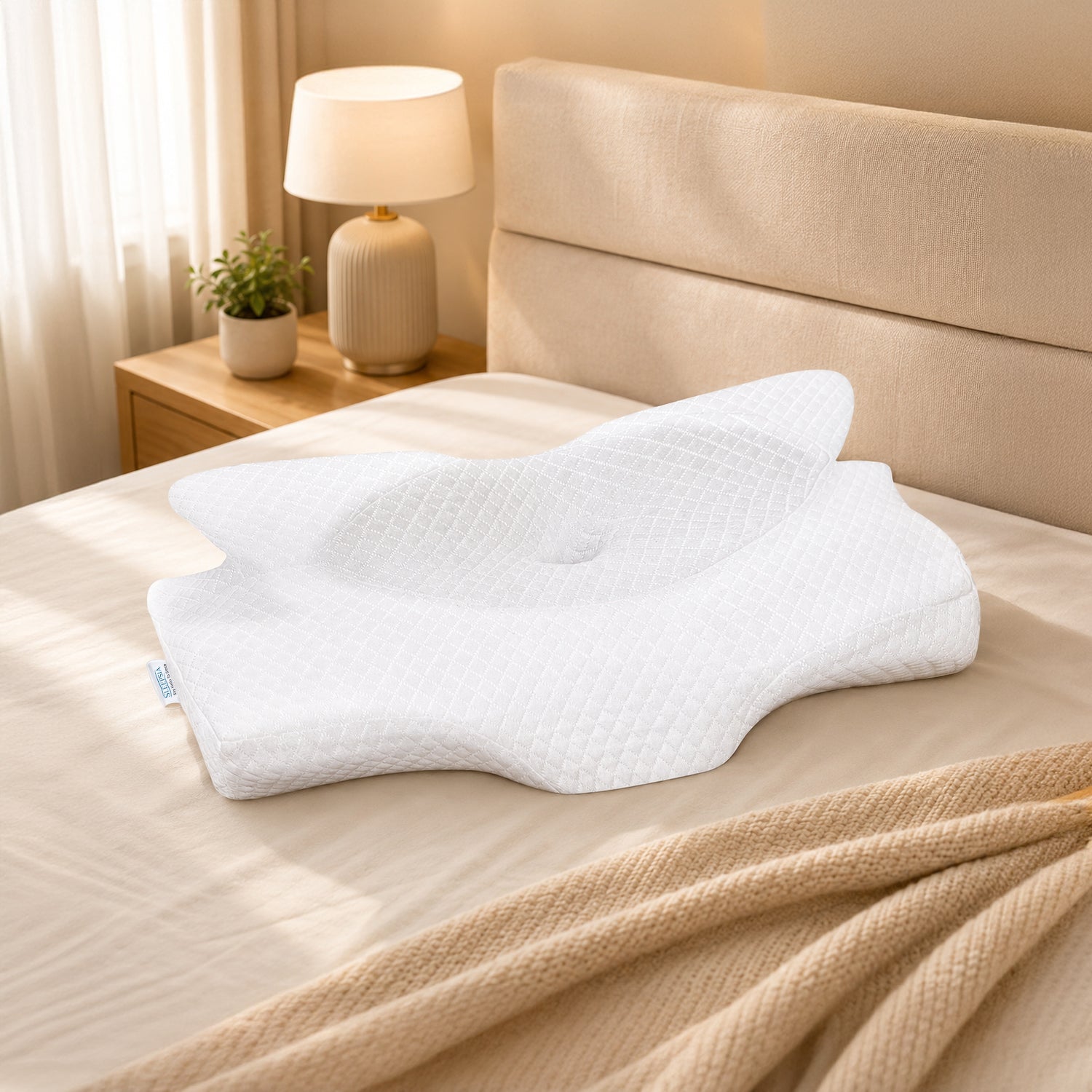
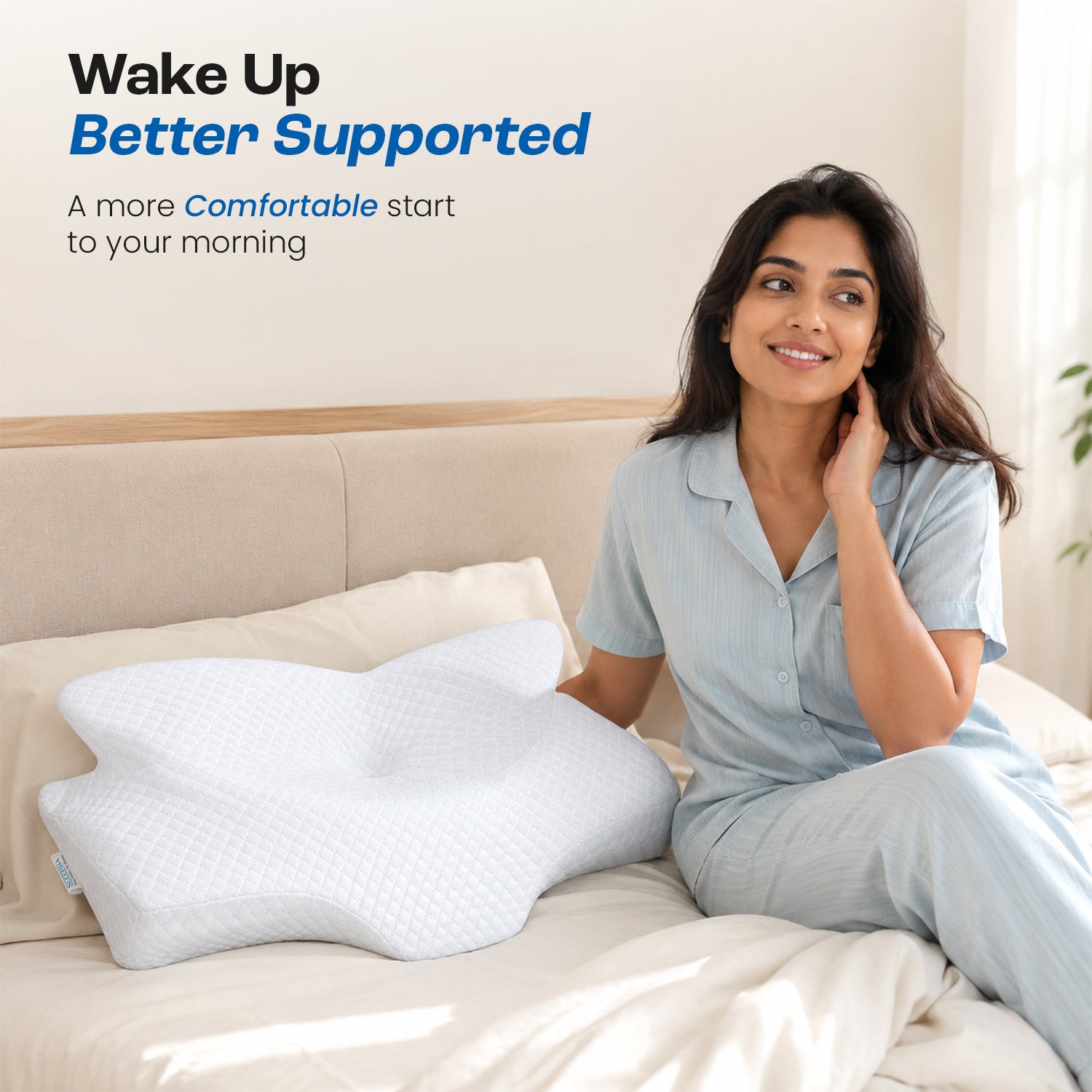


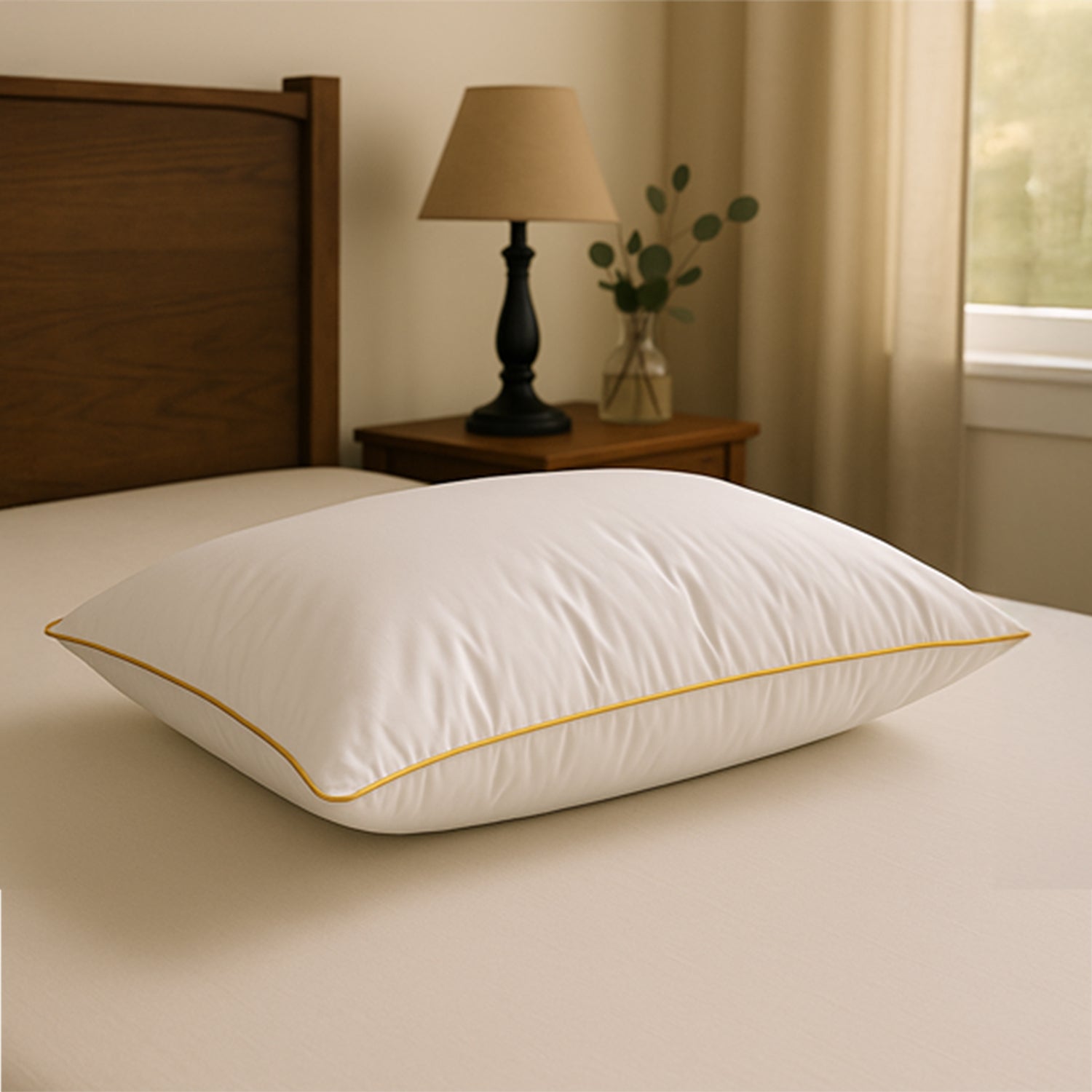
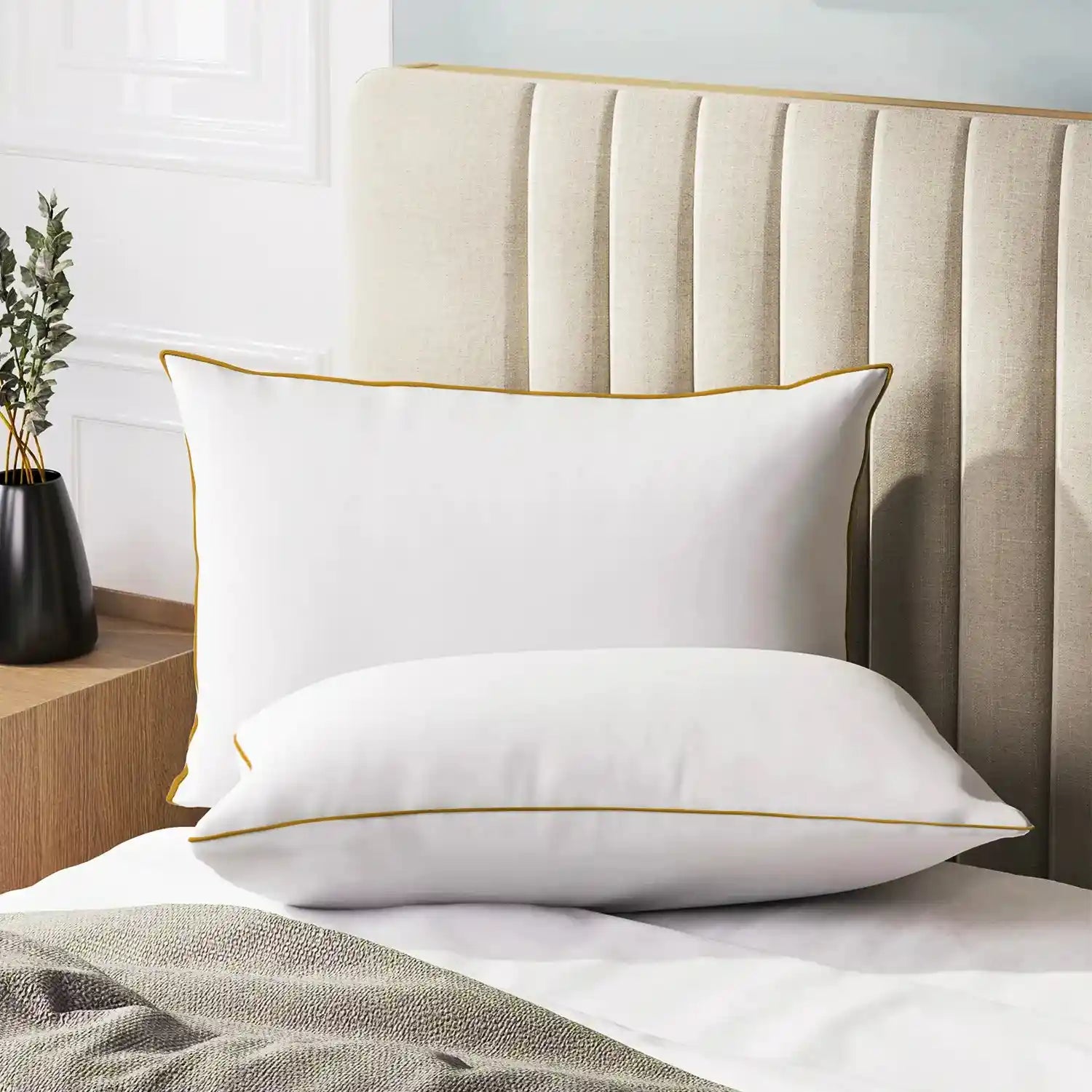

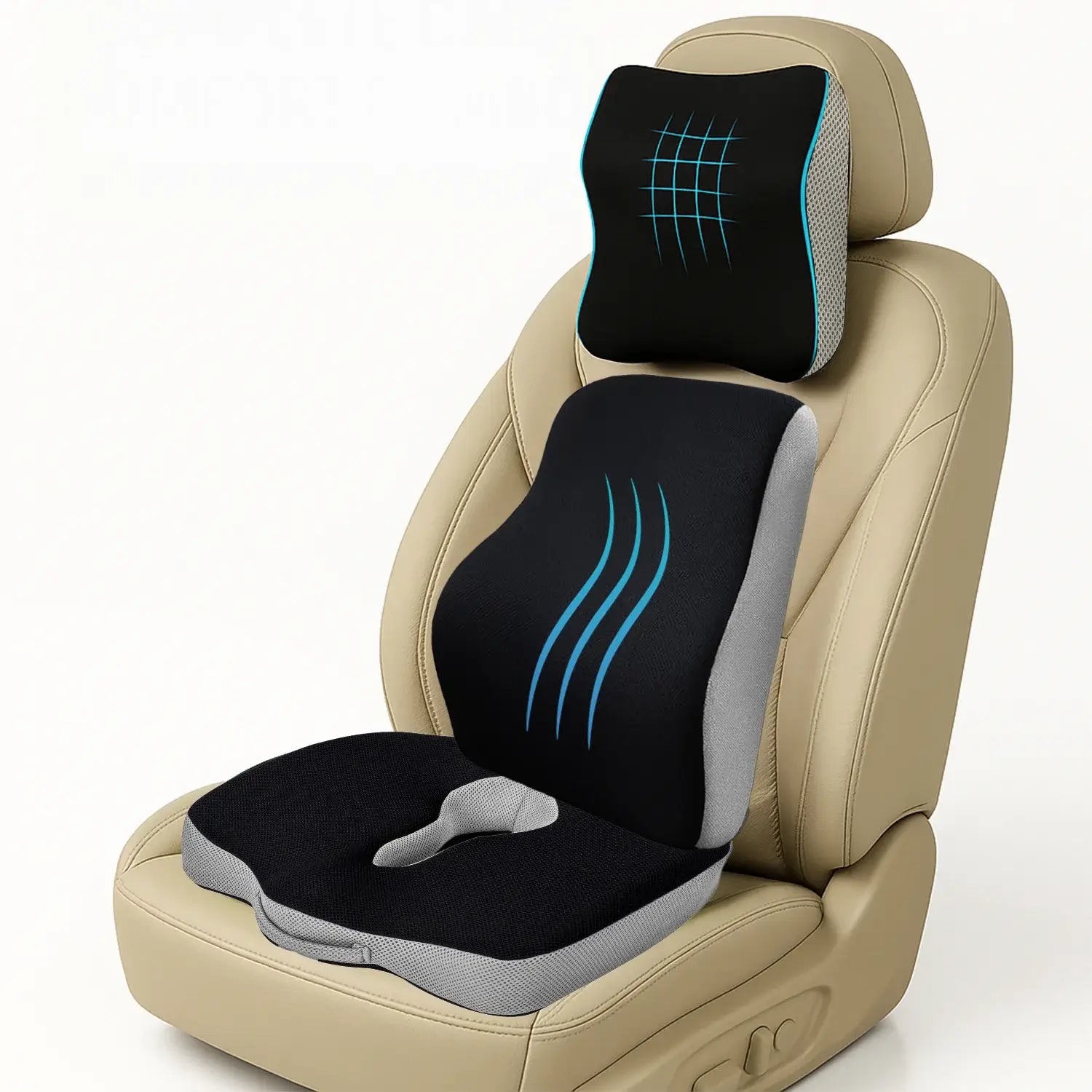


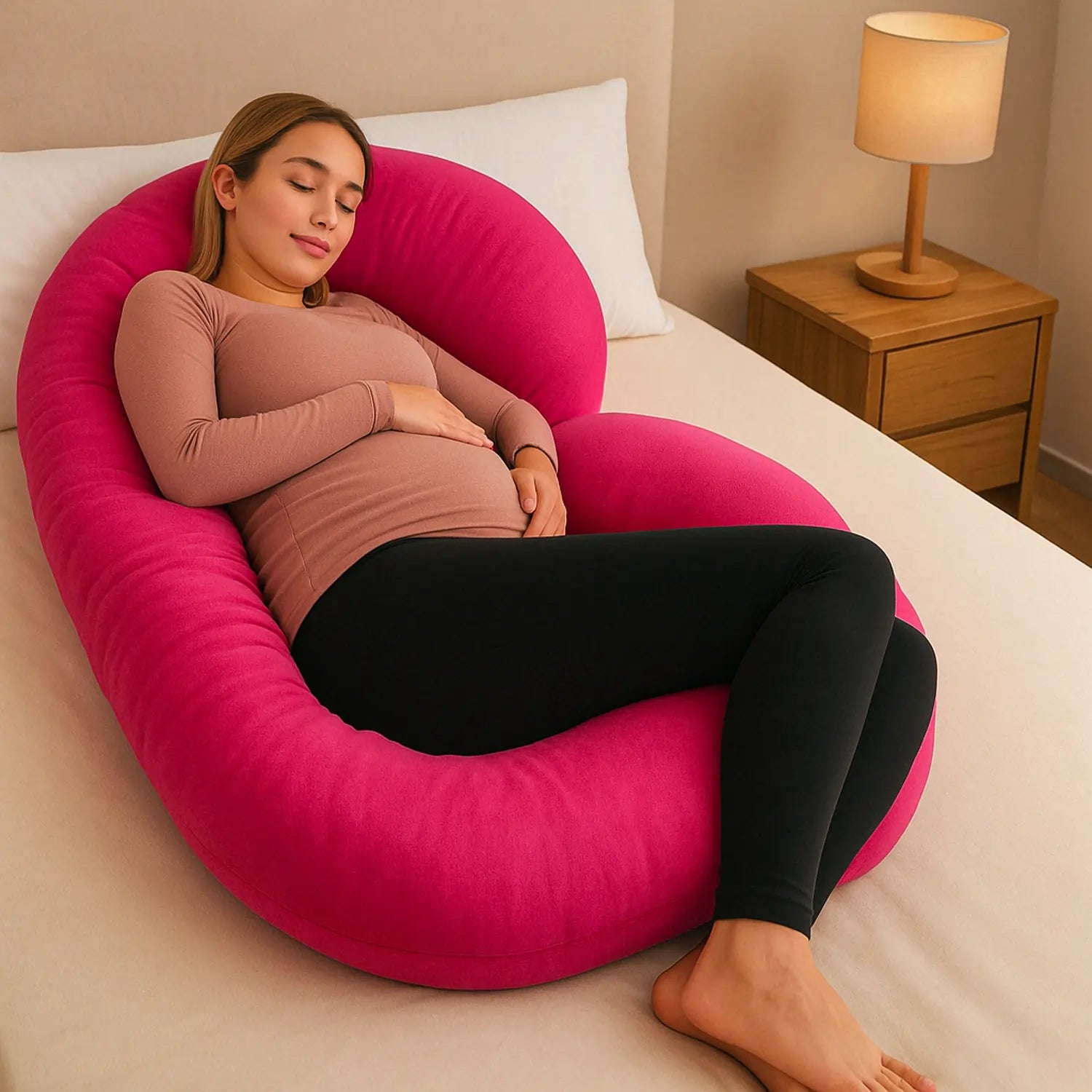
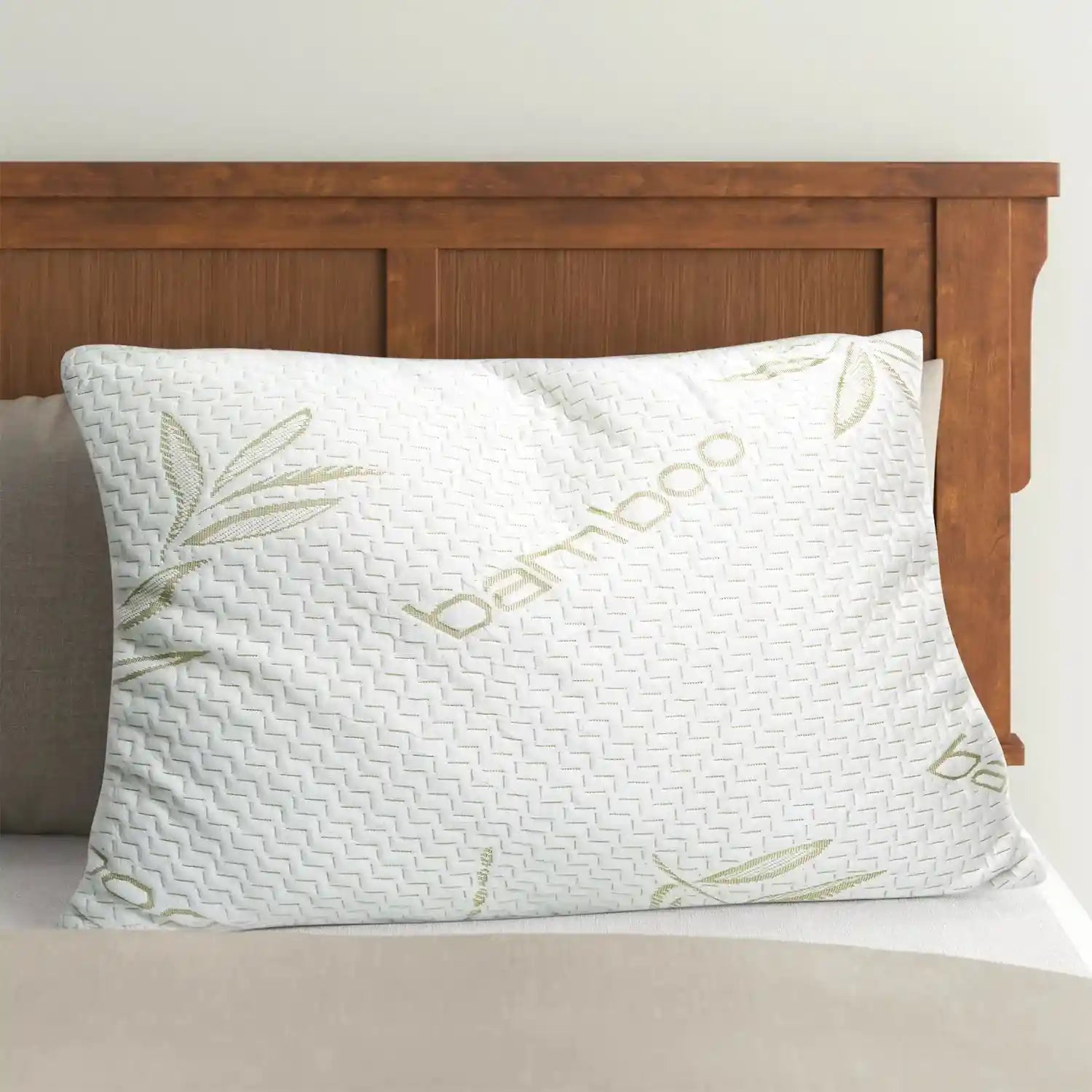





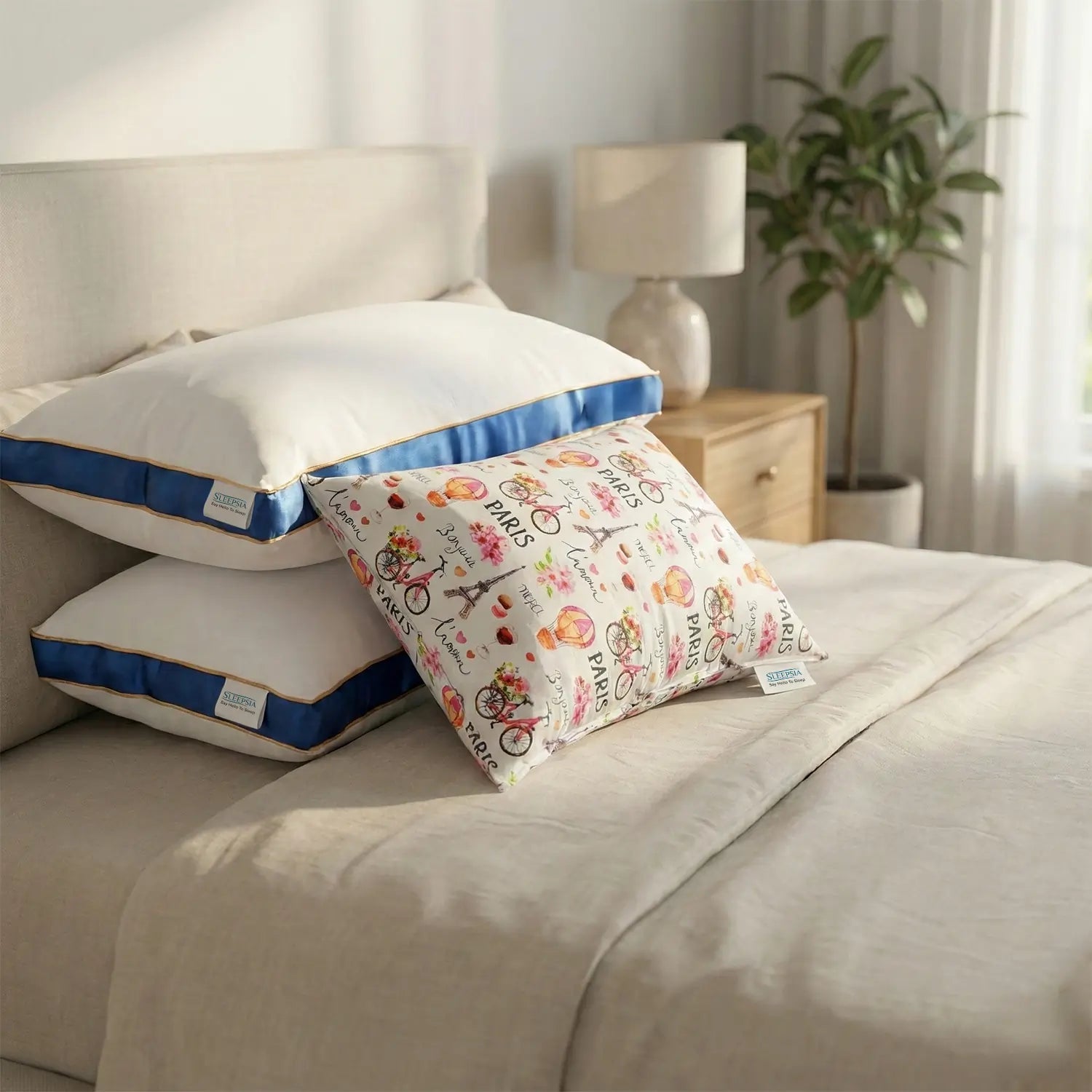
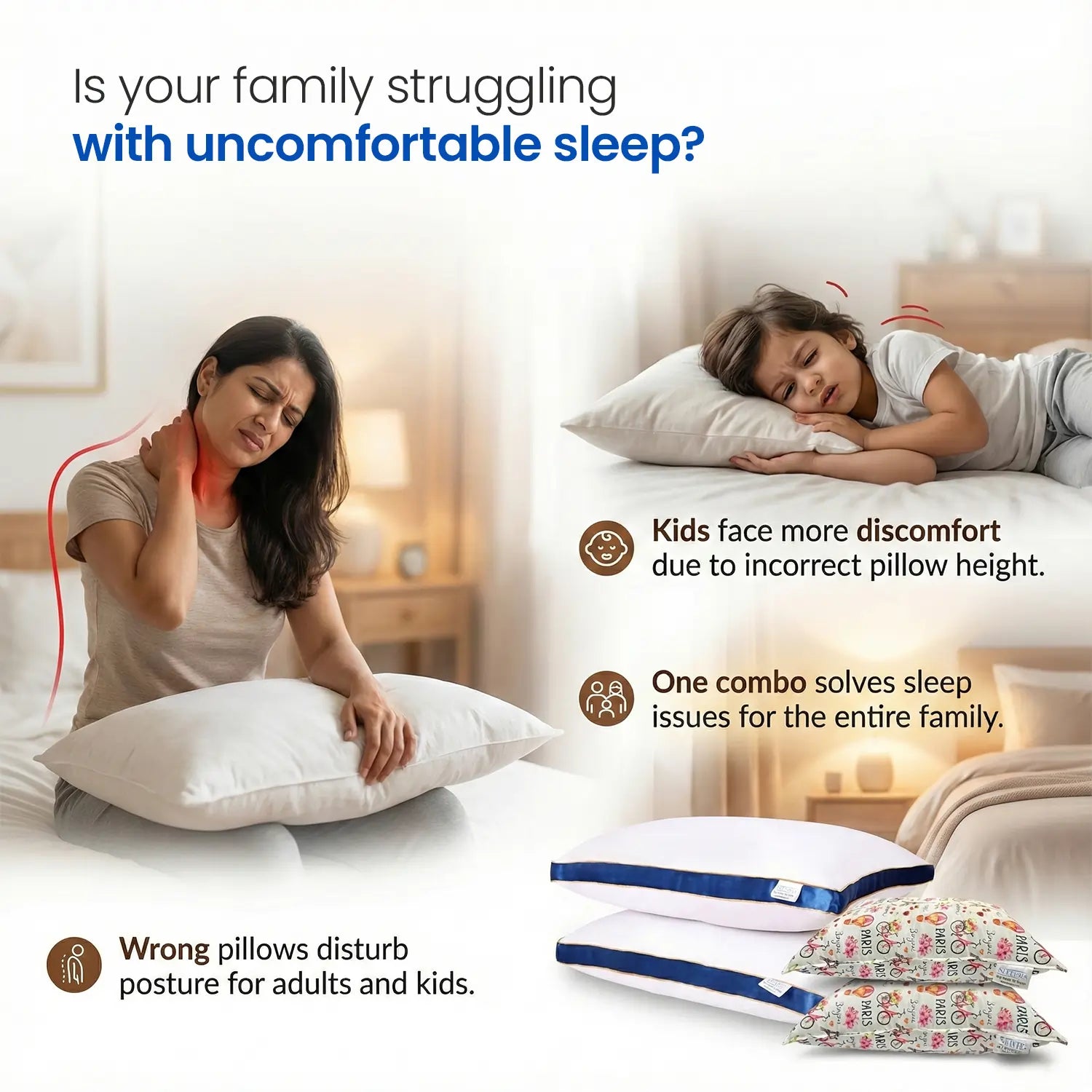


How Many Pillows Do You Need for Each Bed Size?
The number of pillows for each bedroom you need will depend on the size of the bed and how many people are sleeping in it. You’ll usually want 1-2 pillows for a single-sized bed. On the other hand, you’ll want 2-4 pillows for a king-size bed.
Here is a quick guide to help you decide on pillows for a new home:
|
Bed Size |
Number of Pillows |
|
Single Bed |
1-2 pillows |
|
Double Bed |
2 pillows |
|
Queen-Size Bed |
2-4 pillows |
|
King-Size Bed |
2-4 pillows |
Bedroom-by-Bedroom Pillow Guide
You need 4 to 6 pillows for a master bedroom, 2 to 4 for a guest bedroom and 1 to 3 for a child’s bedroom. This number might change depending on the size of the bed and the requirements of the individual using it.
Here is how many pillow set for a new home you would need:
1. Master Bedroom (4-6 pillows)
Master bedrooms usually have a queen or king-sized bed. Within the master bedroom, you should have two pillows to sleep on. This can be increased to 4 pillows by having two extra pillows to relax while reading, watching TV or just to rest. You can also have 1 or 2 extra pillows for a new home to help keep the bed looking tidy.
2. Guest Bedroom (2-4 pillows)
Within the guest bedroom, you should have at least 2 pillows so they can sleep comfortably. To help those who need extra support whilst sleeping or sitting, you can have 2 extra pillows. Choose soft and comfortable cushions for your bedroom pillow set.
3. Kids’ Bedroom (1-3 pillows)
You will only need 1 pillow in a child’s bedroom. If your child needs an extra pillow to relax or sit on, then you can have one extra. However, do not have too many, as they will take up space. Choose a pillow of a suitable height for children of that age.
4. Spare Room (2-3 pillows)
In case you use the spare room for guests, keep 2 pillows in it for sleeping. You can have an extra pillow to help whilst reading or relaxing. This will ensure the room is always ready for when someone comes to stay.
What Should You Consider Before Buying Pillow Sets?
When shopping for microfiber pillow sets for your new home, it is important to consider the size, material and support of your pillows. Everyone sleeps differently, so you will not necessarily need the same pillow.
Bed Size
Consider the size of your bed. You may need different-sized pillows for your standard/queen/king bed.
Position
Consider what position you sleep in. In case you sleep on your side, you may need a higher pillow. However, if you sleep on your back, you may want a medium-height pillow. On the other hand, if you sleep on your stomach, you will usually want a lower pillow.
Material
Think about the materials inside your pillows. Memory foam pillows will conform to your head and neck. For a softer pillow, you can also consider microfibre pillows.
Support
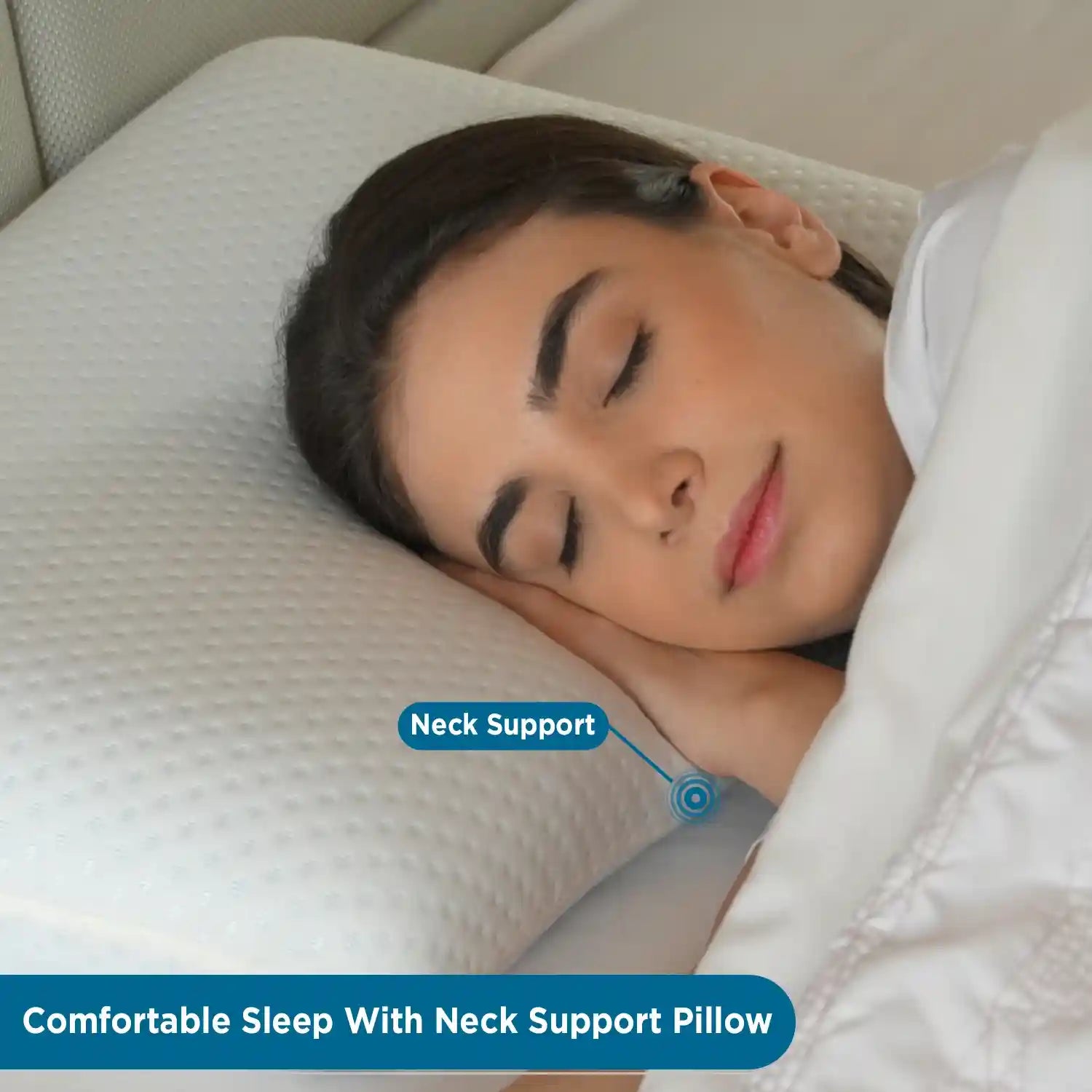
Consider what pillows will give your head and neck a comfortable position. Contour and cervical pillows give additional support to the neck whilst sleeping.
Cooling
Some pillows have cooling gels and breathable covers. This can be a good option if your head gets hot whilst sleeping.
Pillow Covers
Choose pillows with easy-to-remove covers so they can be easily washed.
Quantity
Decide how many pillows you need for each bedroom. This will ensure you aren’t wasting money on extra pillows.
What are the Best Pillow Materials to Consider?
Bedroom family pillow sets come in a variety of materials, which will provide different levels of softness, comfort and support.
Here are some good material options to consider when buying a pillow set for a new home:
Memory foam
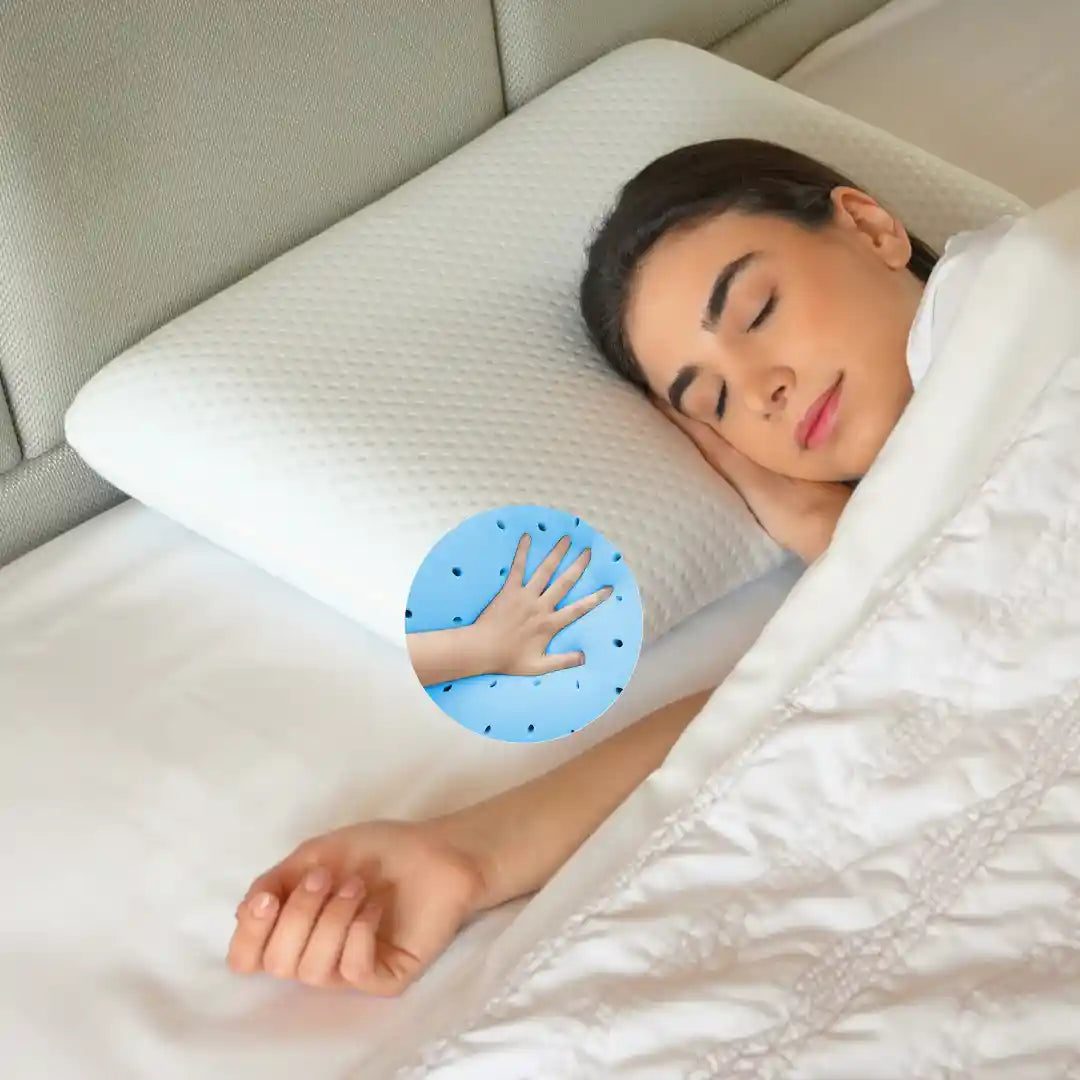
These pillows conform to the shape of your head and neck while sleeping and offer good support.
Bamboo Memory Foam
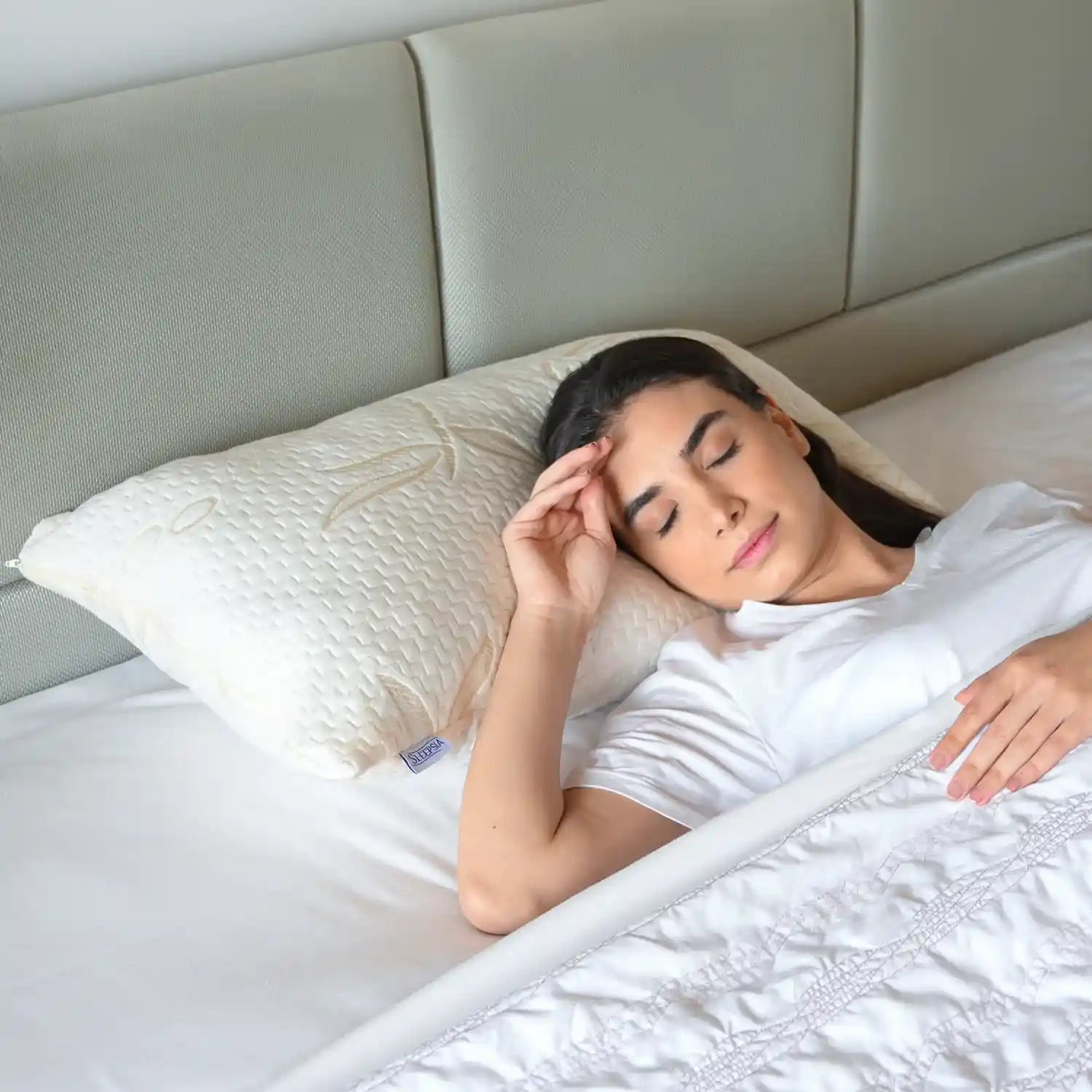
Soft bamboo fabric and a supportive memory foam filling make these pillows ideal.
Microfibre
These pillows are soft, light and fluffy, good for those who like soft pillows.
Cooling Gel Memory Foam
These pillows combine memory foam with cooling gel so that you feel cool while sleeping.
Orthopaedic memory foam
This type of pillow is meant to support your neck and head, and to keep you in a comfortable position while you sleep.
Conclusion
A smart approach to purchasing pillows for a new house is to plan it room by room, not to bulk-buy pillows for all your beds. For a double or larger bed, begin with two sleeping pillows; for a single bed, one should be sufficient. Then add extra pillows where needed. Choose appropriate size, fill, and support for the intended user of each pillow. You can easily prepare all the bedrooms without wasting money on unnecessary pillows.
FAQs
Q1: What does the pillow arrangement 2-2-1 mean?Ans: The 2-2-1 pillow arrangement involves two pillows for sleeping, two support pillows and one decorative pillow on the bed. They also help to give some neatness and symmetry to the bed.
Q2: Is one pillow better than two?Ans: Most people need only one pillow, as long as it supports the head and neck comfortably. In case two pillows give you the right height and support without too much bending of the neck, that’s what you should use.
Q3: How many pillows does one person need to have in bed?Ans: One quality pillow is generally enough for one person. Choose the right height and firmness to suit your sleeping position and comfort.
Q4: Why do pillows get yellow?Ans: Pillows turn yellow due to sweat, body oil, saliva and moisture. To avoid yellow stains, wash pillow covers regularly and clean pillows as per care instructions.
Q5: How often should I replace my pillows?Ans: When they flatten out, no longer support your head, or become stained and smell bad, even when washed, it’s time to replace your pillows. Follow the care instructions for how to care for them.
Back Support Pillow for Car Seats vs. Office Chairs: Key Differences Explained
Nightwear Set for Ladies for Work-from-Home Days: Comfort, Fit, and Style Tips
Recent Posts

Nightwear Set for Ladies for Work-from-Home Days: Comfort, Fit, and Style Tips

Back Support Pillow for Car Seats vs. Office Chairs: Key Differences Explained

Neck Pillow Travel Checklist: What to Pack for a Comfortable International Flight

Benefits of Viparita Shalabhasana (Superman Pose) and How to Do It

Benefits of Sarvangasana (Shoulder Stand) and How to Do It

Neck Support Pillow Materials Explained: Memory Foam, Microfiber, and Other Options

