

Where Should Lumbar Support be on Your Back?
Almost everyone has experienced low back pain at some point or another. It can be a debilitating condition, and it’s one that deserves our attention. In this blog post, we will discuss the best ways to locate lumbar support for your back and how to adjust it to ensure maximum comfort. We will also discuss the different types of lumbar support available on the market today and which might be the best fit for you. So whether you’re looking for general lumbar support or something more specific, read on to learn everything you need to know about this important topic.
Recommended Products
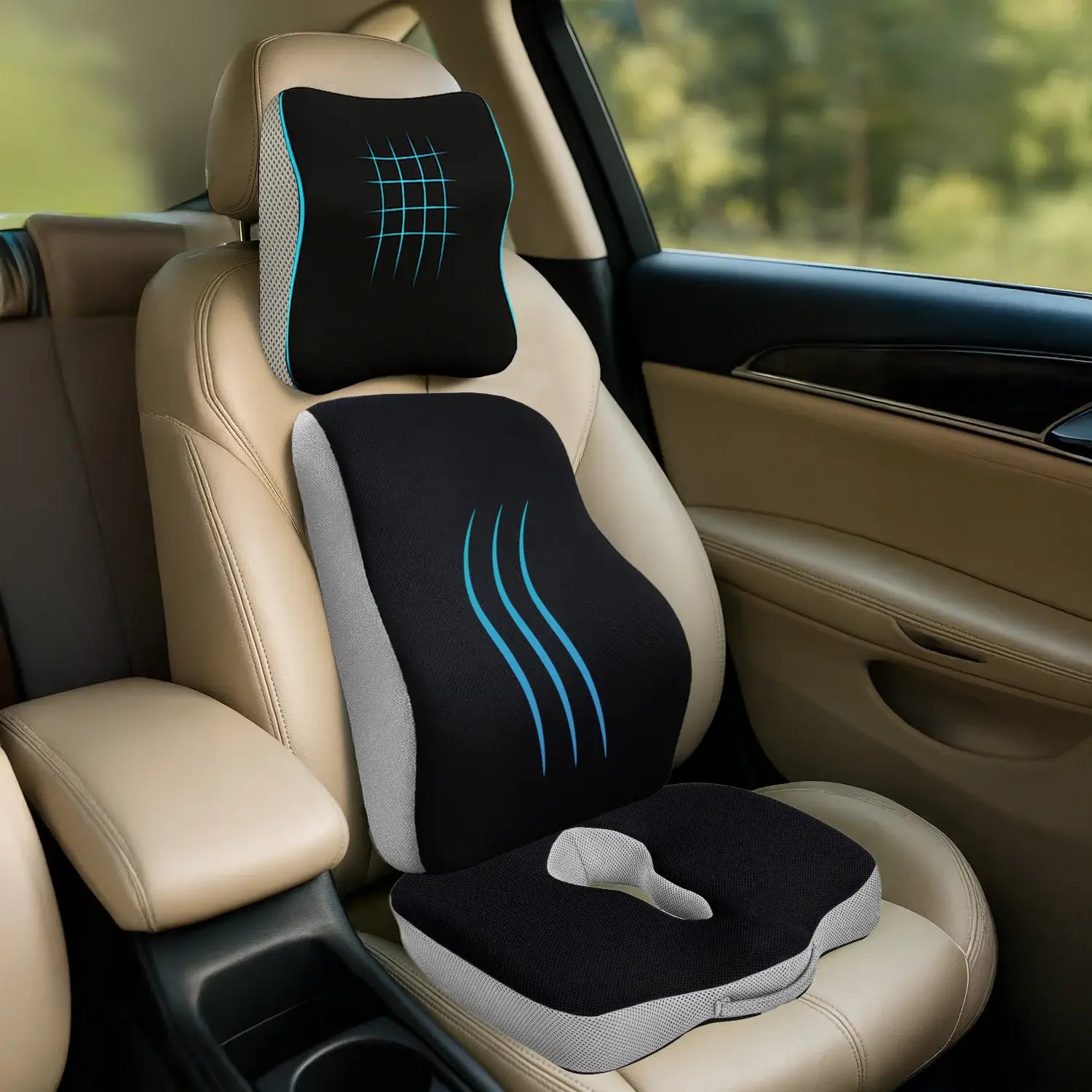
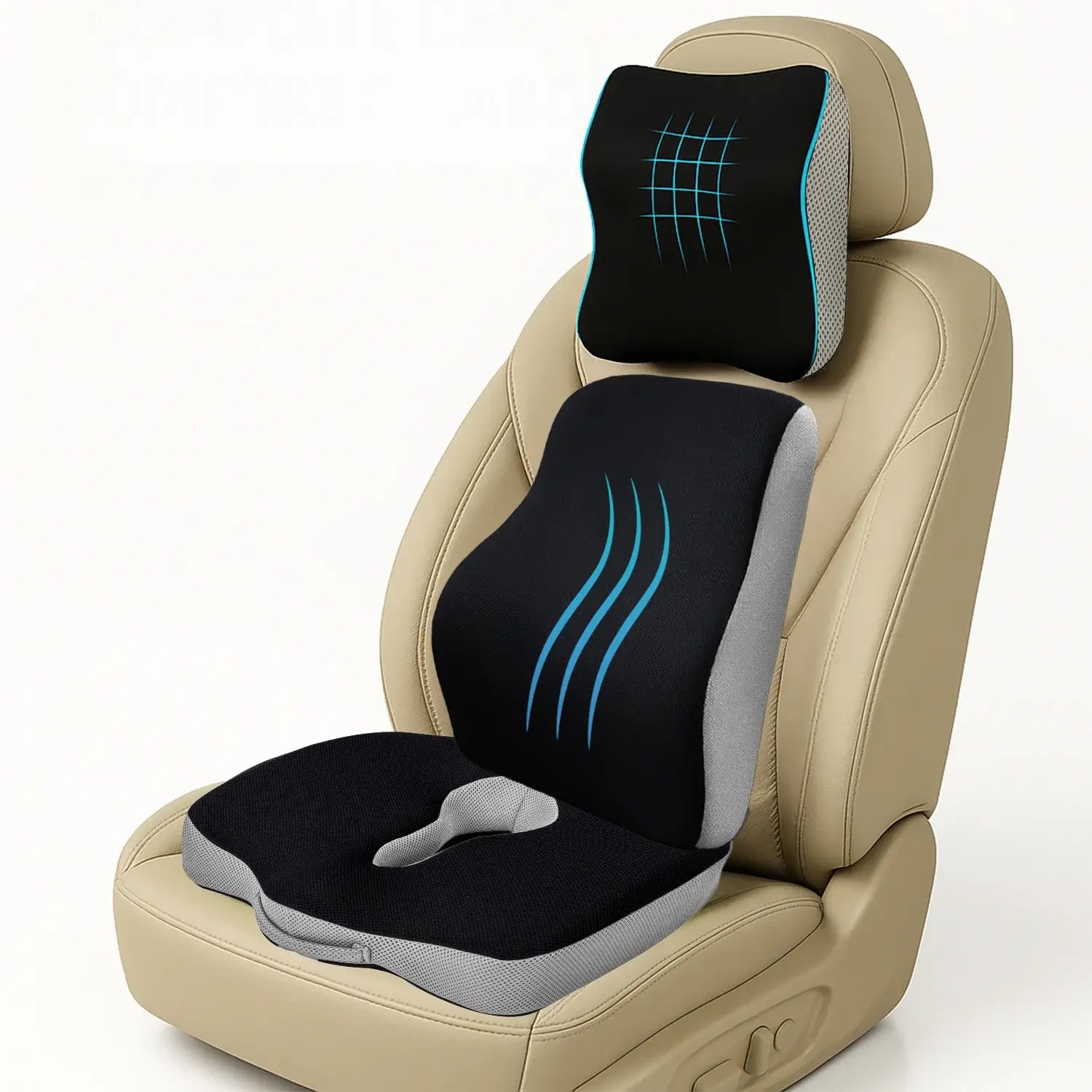


What is Lumbar Support?
Lumbar support is a type of back support that helps to distribute the weight of your body evenly across your lower back. It is most commonly found in chairs and recliners, but can also be found in beds and couches.
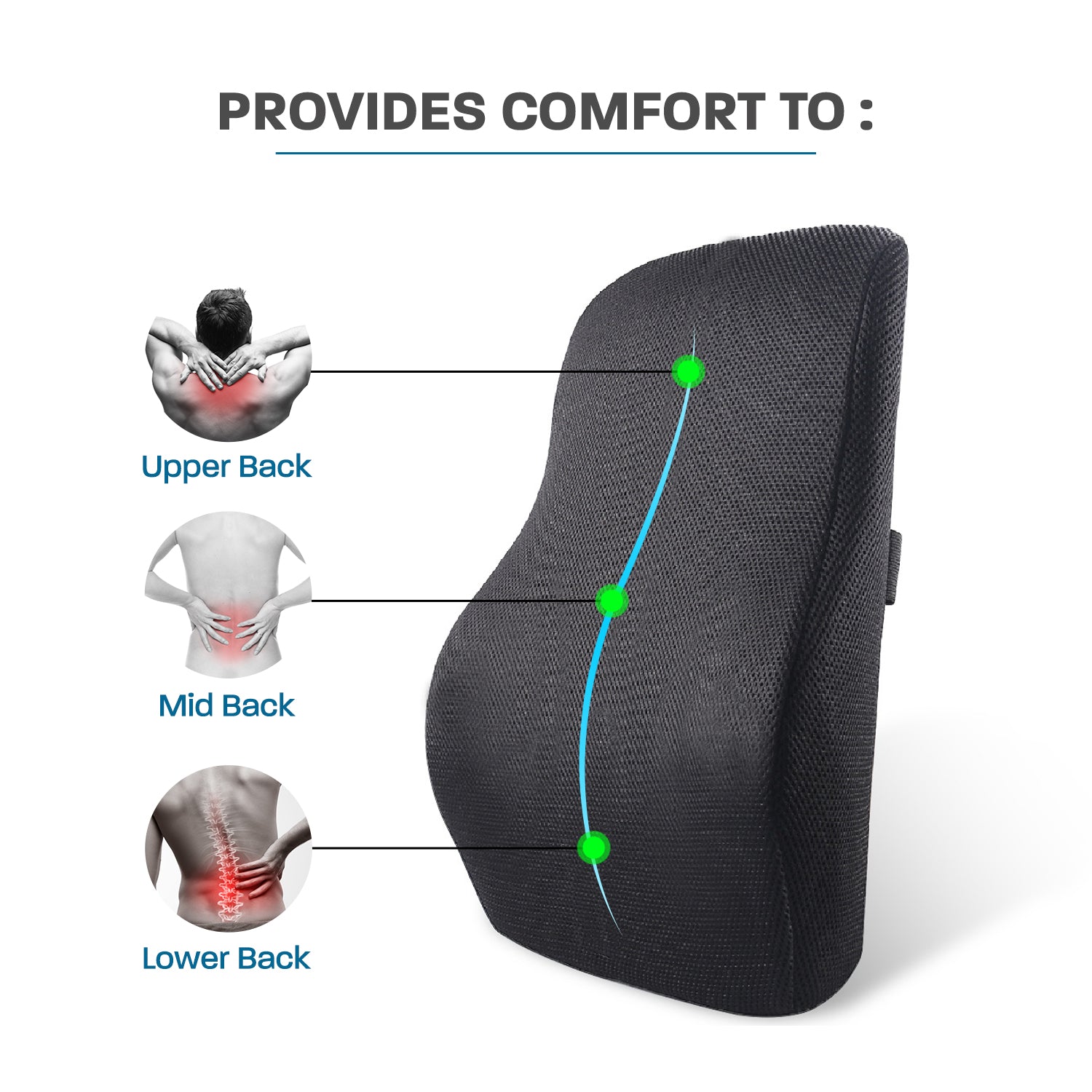
Lumbar support can be placed in different areas on your back depending on the individual's needs. The most common locations are between the shoulder blades, near the middle of your back, or directly behind your lower spine. The reason why lumbar support is so important is because it helps to decrease pain and inflammation in the lower back.
There are a few things to keep in mind when choosing lumbar support: first, make sure it is comfortable for you to sit or recline in. Second, make sure it is positioned correctly so that it supports your lower back evenly. Third, consider whether you need additional supports such as side rails or pillows to help increase the comfort level.
Types of Lumbar Support
There are a few different types of lumbar support that can be used to provide extra cushioning and support for your back. Some common types of lumbar support include:
- L-shaped pillows: These pillows have an "L" shape, with the long arm extending up from the center of the pillow. They're often recommended for people who suffer from lower back pain, as they provide more support than other types of pillows.
- C-shaped pillows: C-shaped pillows are similar to L-shaped pillows, but they have a shorter arm that curves around towards the back. They're often recommended for people who suffer from neck pain or tension headaches, as they help to distribute pressure more evenly across the neck and head.
- Reverse V-shaped cushions: Reverse V-shaped cushions are shaped like a "V," with one end wider than the other. They're often recommended for people who suffer from Sciatica, a condition that causes pain down the spine and legs. Reverse V-shaped cushions help to distribute pressure more evenly across your back, providing relief from pain.
Sleepsia Lumbar Support Pillow
If you're looking for a good back support pillow, Sleepsia is the best brand to buy from. It's designed with quality standards in mind and engineered to provide ultimate comfort and relaxation. It's perfect to use when you have back pain - no lower back pain, too! It gives relief from back pain while being comfortable, helping to support your spine and relieving pressure points. It helps to reduce pressure on the lumbar area of the spine and stabilizes body posture in addition to providing a firm surface to sleep.
The Sleepsia memory foam backrest cushion is designed for long-term comfort and relief. It's ergonomically curved, providing back support where it is needed most. With an optional lumbar support system, you'll get therapeutic relief in minutes as well as the much-needed relief that comes from prolonged use over time. With this specific design, it empowers you to relax your muscles and joints by soothing off everyday wear and tear!
Where To Place Lumbar Support On Your Back?
There are a few different places you can place lumbar support on your back:
- Between your shoulder blades
- Underneath your shoulder blades
- Above your waistline near your navel
- Along the sides of your torso
- Near the top of your thighs If possible, try all five locations before settling on one that works best for you. Each provides its own unique benefits. Here's a closer look at each option:
- Between your shoulder blades: This placement offers direct pressure relief from underlying back pain. It also allows you to move more freely thanks to increased range of motion in the shoulders and neck
How To Choose the Right Type of Lumbar Support for You?
When it comes to choosing the right type of lumbar support for your needs, there are a few things to keep in mind. The first is the magnitude of your lumbar curve. If you have a very steep lumbar curve, you'll likely need a more intense type of support than someone with a more moderate curve.
Another factor to consider is your level of activity. If you're primarily sedentary, you may not need as much support as someone who does a lot of vigorous activity. And finally, make sure to take into account what type of fabrics and materials are available on the market. Some types of supports are made from firmer materials that can provide greater stability, while others are made from softer materials that may be more comfortable.
What is Good Lumbar Support?
A good lumbar support should be comfortable and provide adequate support to the lower back. It should also be adjustable to fit a variety of body types. To find the best lumbar support, consider where your pain is located, how it feels and what type of support you are looking for.
To find the best lumbar support, start by sitting in a chair with both feet flat on the floor and your back against the back of the chair. Keeping your head and neck relaxed, slowly rise up until you are sitting straight up with your arms at your side. Now use your hands to adjust the height of the seat, if needed.
If you suffer from lower back pain, look for a lumbar support means that is adjustable in height and width. Many also have a wedge shape that helps to distribute pressure evenly across your back instead of just pressing down on one spot. If you have trouble finding good lumbar support in stores, try contacting manufacturers directly or visiting websites that sell medical equipment.
How to Install a Lumbar Support?
If you are experiencing back pain, one of the first things you should do is sit down and take a look at your posture. Are you slouching? Do you have poor seated posture? If so, getting lower back support can help correct those issues.
There are a few different types of lumbar supports on the market, but the type that you choose will largely depend on your anatomy and personal preferences. If you are pregnant, however, it is important to work with a healthcare professional before making any purchases or adjustments to your posture.
To install a lumbar support, start by locating the seam in your back where your shoulder blades meet your spine. Measure from there to find the center of the support. Make sure that both ends of the support are evenly placed in order to provide even compression across your back. To adjust the fit, use either Velcro straps or screws to secure each end in place.
What are the Benefits of Using Lumbar Support?
If you're experiencing lower back pain, using lumbar support can help improve your day-to-day function. Additionally, lumbar support can provide relief from chronic pain and help prevent future injury.
Here are some of the benefits of using lumbar support:
Increased Mobility and Flexibility
Lumbar support can help increase your mobility and flexibility by improving the range of motion in your back. If you're having difficulty bending or stretching, a lumbar support may be able to help you regain movement levels that were lost due to pain.
Reduced Back Pain Symptoms
Using lumbar support can reduce the symptoms of back pain significantly. In fact, studies have shown that up to 80% of people who use lumbar support experience significant reductions in their symptoms within six weeks. This means that you'll be able to resume activities you enjoyed before your back pain began, without feeling as if you're struggling to cope with the pain.
Improved Quality of Life
Lumbar support can also improve your quality of life overall. By reducing back pain symptoms, you'll be able to enjoy better sleep, reduced stress levels, and improved moods. All of these improvements will make everyday tasks easier and more enjoyable.
Conclusion
If you're struggling with low back pain, it's important to find the right support for your back. Lumbar Cushion can be found in a number of different places on your body, but the best place for you may vary depending on your individual circumstances and specific symptoms. If you are experiencing low back pain that is continuing or getting worse, speak to your doctor about whether lumbar support might be a good fit for you.
Recent Posts

Winter Sleep Essentials: Layering Bedsheets and Nightwear

Frozen Shoulder & Nighttime Pain: Pillow Positioning Tips

Benefits of Paschimottanasana (Seated Forward Bend Pose) & How to Practice It

Long Pillow for Bed: Benefits & Who Should Use One

Double Bed Sheet with Pillow Cover: How to Choose the Right Bedding Set

Benefits of Janu Shirasana (One-Legged Forward Bend Pose) & How to Practice It

Back Support Pillow for Office: Why It Matters for Long Sitting

