

Neck Pillows: Are They Good for Pain Relief and Better Sleep?
Have you ever wondered if the pillow you use every night is actually good for your body? Many people wake up with neck stiffness, headaches, or shoulder pain without realizing that their pillow might be the real reason.
A cervical pillow, also known as a neck support pillow, is designed to support the natural curve of your neck and keep your spine aligned while you sleep. Proper neck support can help reduce neck pain, improve sleep quality, and even prevent stiffness in the morning.
In this blog, we will explain what a cervical pillow is, the different types available, how sleep position affects neck pain, and why the Sleepsia cervical pillow can be a great choice for better sleep and comfort.
Recommended Products
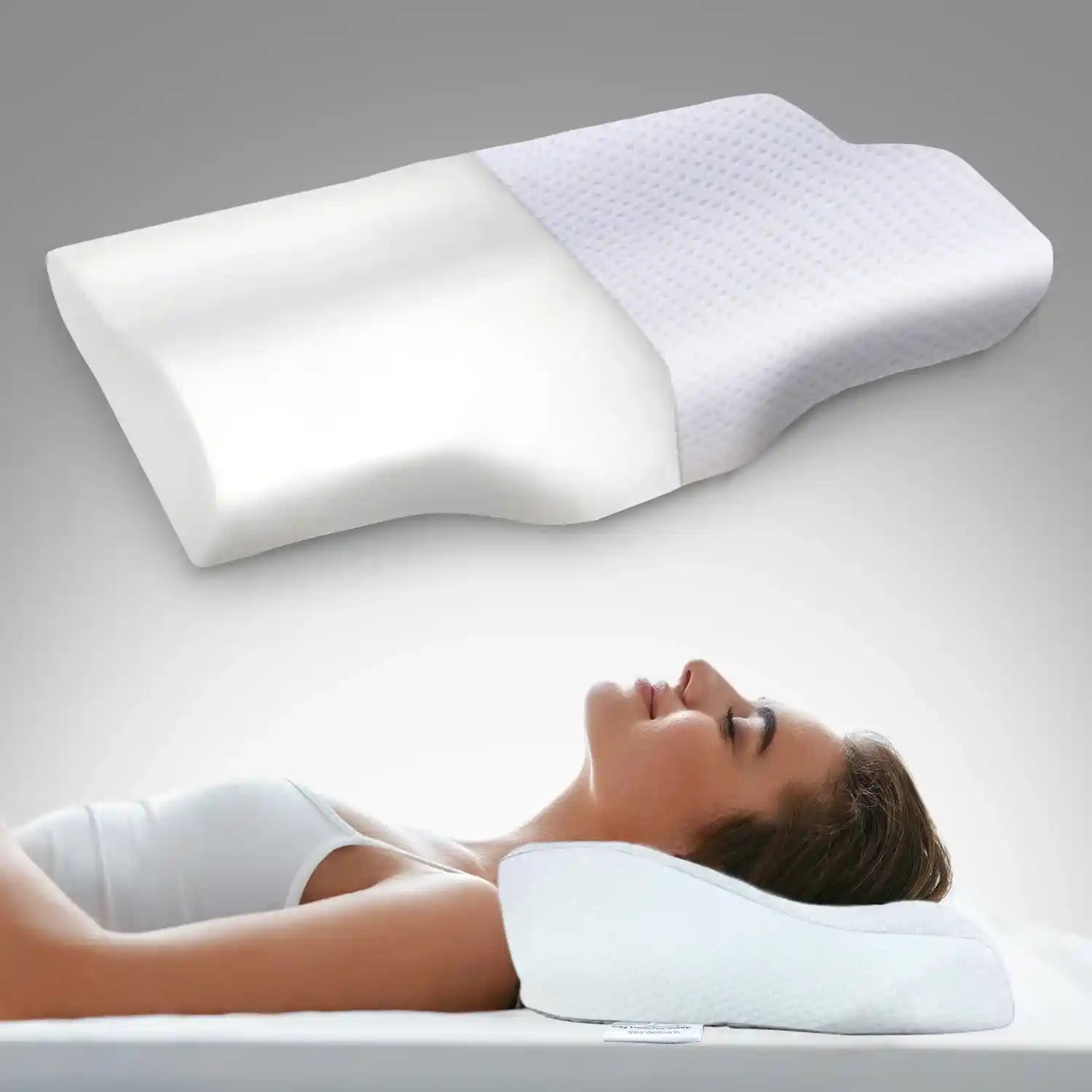
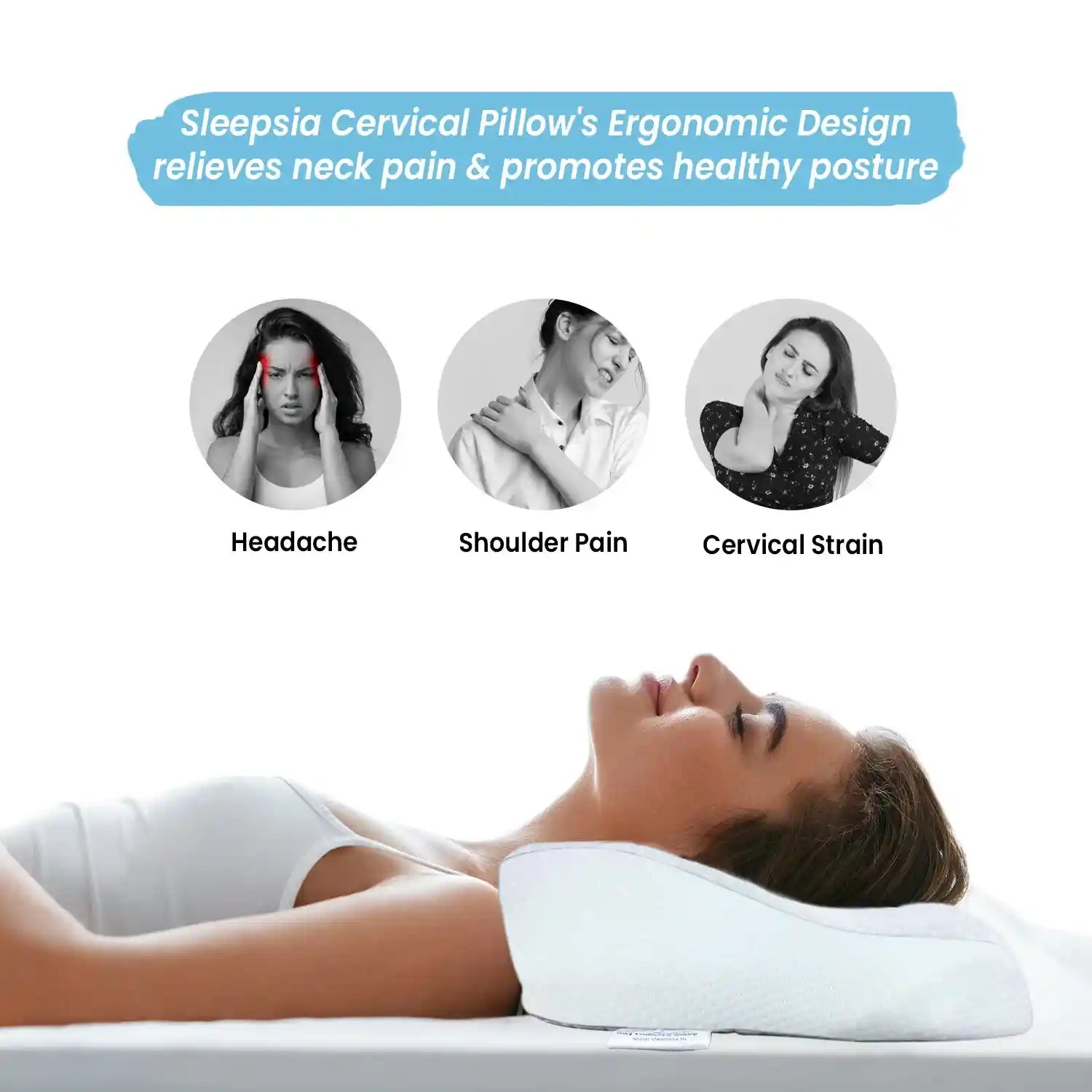
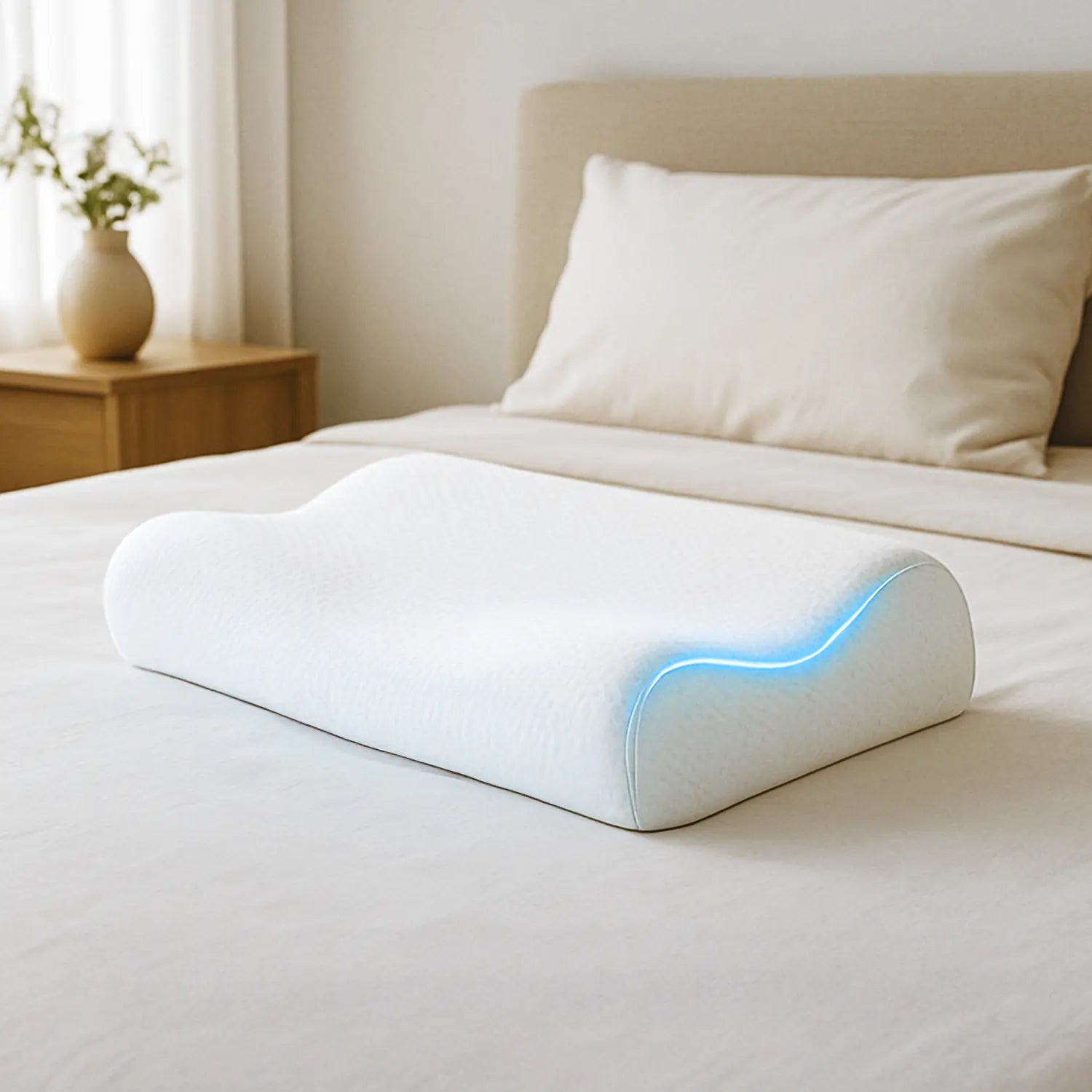
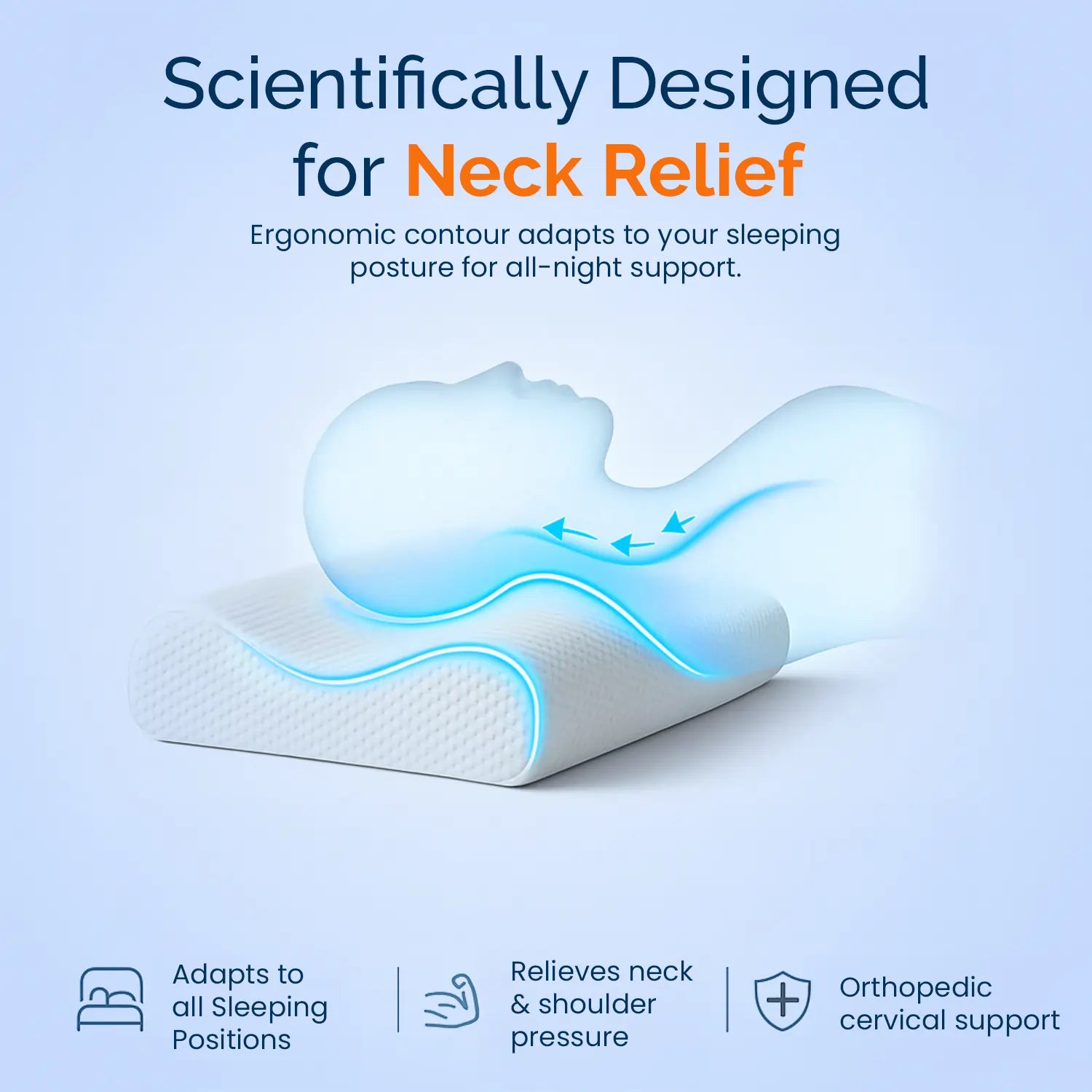
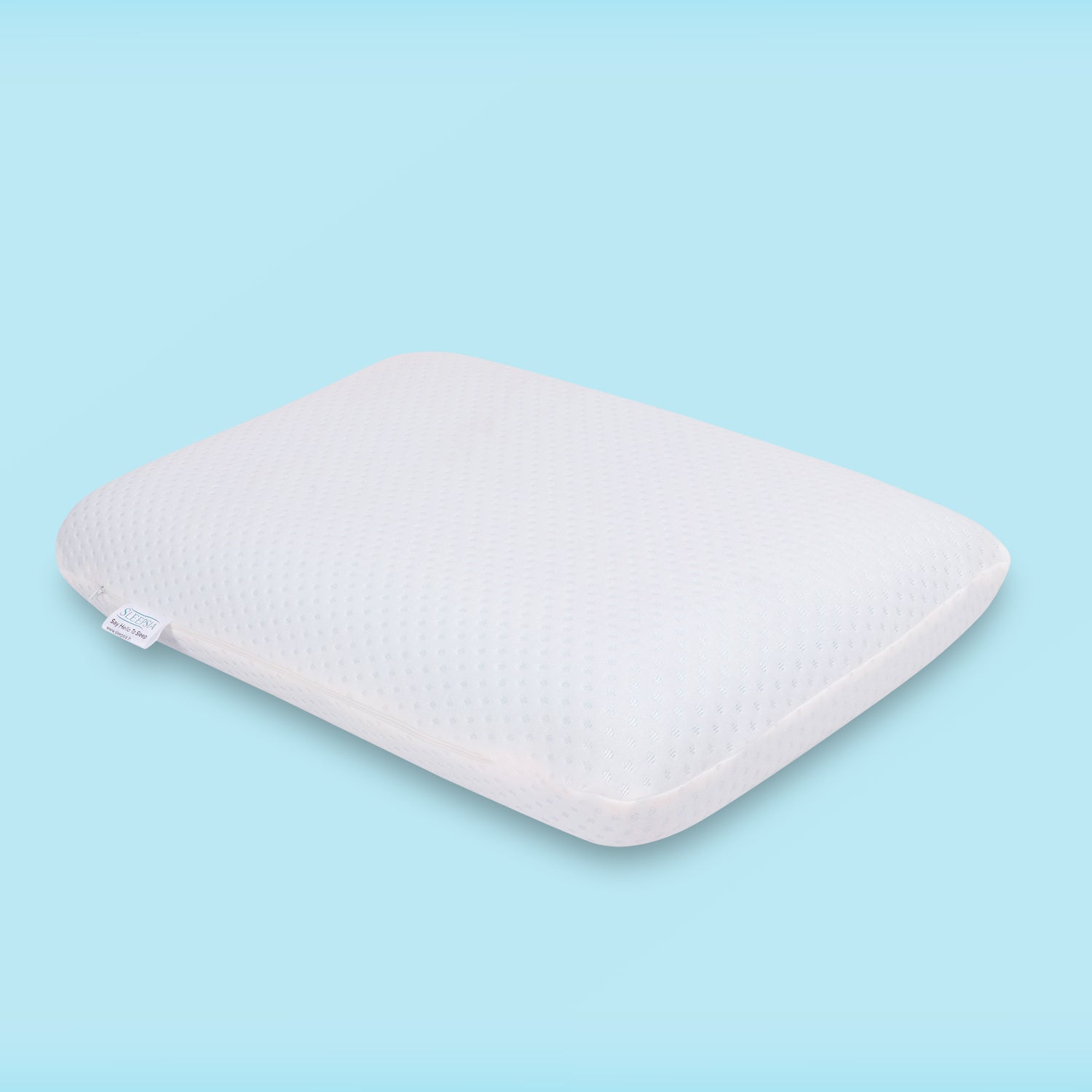
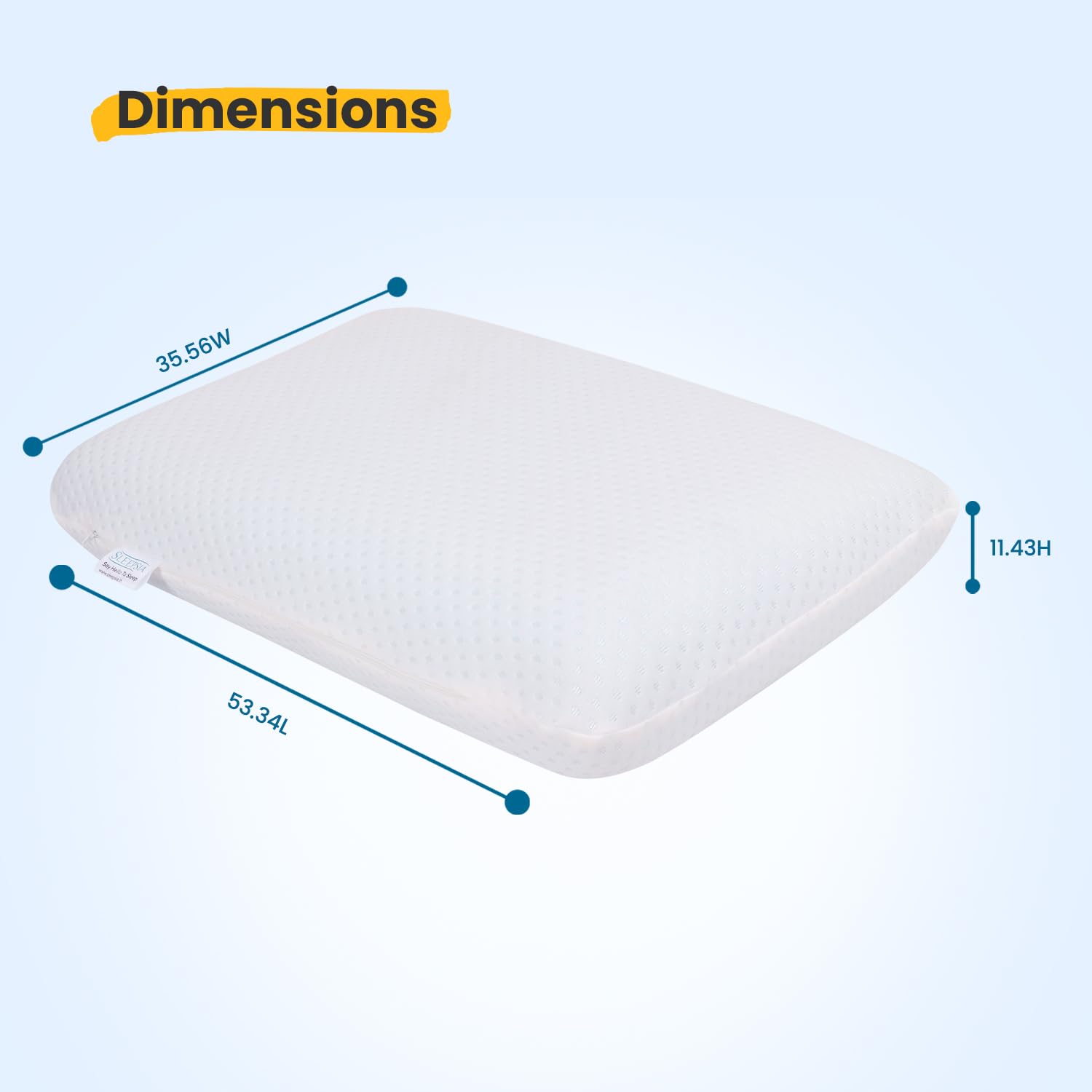


What Is a Cervical Neck Pillow?
A cervical pillow is designed to support the neck and maintain the natural alignment of the spine while you sleep. These pillows help reduce strain on the neck muscles and prevent stiffness.
Cervical pillows are also commonly called:
- Neck support pillows
- Contour pillows
- Orthopedic pillows
- Chiropractic pillows
All of these pillows are designed with one main goal: to provide proper support to the neck and improve sleeping posture.
What Makes a Cervical Pillow Design Effective?
The design of a cervical pillow plays an important role in supporting the neck and spine. Unlike traditional pillows, cervical pillows are shaped to maintain the natural curve of the neck.
They may appear in different shapes such as rectangular, contour-shaped, or specially designed ergonomic forms.
Regardless of the shape, the key function is to:
- Support the neck properly
- Keep the spine aligned
- Reduce pressure on neck muscles
When your neck is supported correctly, your muscles can relax and your body can recover better during sleep.
Different Types of Cervical and Neck Support Pillows
Neck support pillows come in different shapes and designs to suit various sleeping styles and comfort preferences.
Neck Rolls
Neck roll pillows are cylindrical in shape and are designed to support the natural curve of the neck. They are often used for additional support while sleeping or resting.
D-Core Pillows
These pillows have a D-shaped indentation in the middle where the head rests comfortably while the edges provide support to the neck.
Contour Pillows
Contour pillows have raised edges and a lower center area. This shape supports both the head and neck and helps maintain proper spinal alignment.
Neck Pillows for Travel
The neck pillows are commonly used for travel. The horseshoe shape supports the neck and prevents it from bending sideways while sitting.
Materials Used in Neck Pillows
Cervical pillows can be made from different materials. The material affects comfort, durability, and temperature control.
Common materials include:
- Memory foam
- Down
- Cotton
- Synthetic fiber materials
Memory foam is one of the most popular choices because it adapts to the shape of your head and neck while providing consistent support.
How Your Sleeping Position Affects Neck Pain
Your sleeping position plays a major role in how well your neck and spine are supported during the night. Choosing the right pillow for your sleeping position can help prevent neck pain and improve sleep quality.
Back Sleepers
Back sleepers benefit from contour pillows that support the natural curve of the neck. A cervical pillow helps keep the spine aligned while supporting both the neck and head.
Side Sleepers
Side sleepers need a pillow that raises the head enough to keep the spine straight. A contour cervical pillow helps maintain proper alignment between the neck and shoulders.
Stomach Sleepers
Sleeping on the stomach can put extra strain on the neck. If you prefer this position, using a thin pillow can help reduce the pressure on the neck.
Sleeping While Traveling
During flights or long trips, a horseshoe-shaped travel pillow supports the neck and prevents it from bending forward or sideways.
Benefits of Using a Cervical Pillow
Using the right cervical cooling gel pillow can provide several benefits for your neck and overall sleep quality.
- Supports the natural curve of the neck
- Reduces neck pain and stiffness
- Improves sleeping posture
- Relieves pressure on the shoulders
- Promotes deeper and more comfortable sleep
A well designed neck support pillow helps your muscles relax so your body can recover overnight.
Why Choose a Cervical Pillow for Neck Pain Relief
The cervical pillows are designed using advanced memory foam technology to provide proper neck alignment, pressure relief, and improved comfort.
Some key benefits of cervical pillows include:
- Provides strong support to help relieve neck pain and sore muscles
- Made with ventilated gel-infused memory foam for cooling comfort
- Helps maintain proper sleeping posture throughout the night
- Naturally resistant to allergens and bacteria
- Helps regulate body heat while sleeping
- Removable and machine washable pillow cover for easy cleaning
- Designed with the right firmness for long lasting comfort
The contour design of cervical pillows also helps keep your head cool and prevents heat buildup during sleep.
Can a Cervical Pillow Help with Cervical Spondylitis?
People suffering from cervical spondylitis often experience neck stiffness, headaches, shoulder pain, and discomfort in the upper spine.
Poor quality pillows can make these symptoms worse by putting pressure on the neck and restricting blood circulation. This can lead to numbness in the arms or stiffness in the shoulders.
A properly designed cervical pillow helps by:
- Supporting the natural curve of the neck
- Reducing pressure on cervical joints
- Improving spinal alignment
- Allowing muscles to relax during sleep
Using the right pillow can significantly improve comfort and reduce morning stiffness.
How a Cervical Pillow Improves Your Sleep
A cervical pillow by Sleepsia supports your neck while keeping your spine aligned throughout the night.
When sleeping on your back, the pillow helps maintain the natural curve of your neck and prevents strain.
When sleeping on your side, it keeps the neck and spine aligned, reducing pressure on the shoulders and preventing twisting of the spine.
By maintaining proper posture during sleep, cervical pillows help reduce tension in the neck and shoulder muscles and promote deeper sleep.
Conclusion
A good cervical pillow can make a big difference in your sleep quality and neck health. By supporting the natural curve of the neck and keeping the spine aligned, a neck support pillow helps reduce stiffness, improve posture, and promote better sleep.
If you frequently wake up with neck pain or discomfort, switching to a high quality memory foam cervical pillow like the Sleepsia Cervical Pillow can help you sleep more comfortably and wake up feeling refreshed every morning.
Frequently Asked Questions
Q1. I have trouble sleeping because of cervical spondylitis. What should I do?Ans. Choose a pillow that is soft yet supportive. Avoid pillows that are too high or too stiff because they can bend the neck unnaturally and cause pain. A contour cervical pillow can help maintain proper alignment.
Q2. What should be avoided in cervical spondylitis?Ans. If you suffer from cervical spondylitis, avoid these habits:
- Bending your neck forward for long periods
- Carrying heavy loads on the head or shoulders
- Sleeping with a pillow that is too high
- Keeping the neck exposed to cold temperatures
Maintaining proper neck support during sleep can help reduce discomfort.
Q3. Is a cervical pillow effective in reducing neck pain?Ans. Yes. A cervical pillow provides proper neck support and helps maintain spinal alignment. This can reduce pressure on muscles and joints, improving sleep quality and relieving neck pain.
Q4. How do you choose the right cervical pillow?Ans. When selecting a cervical pillow, consider the following factors:
- Choose memory foam for better durability and support
- Look for a removable and washable pillow cover
- A contour design provides better neck alignment
- Give yourself a few days to adjust to a new pillow
- Choose the right height based on your sleeping position
Why You Should Bring Home Kids Pillows?
Looking for Great Comfort? Switch to Couple Pillow
Recent Posts

Surya Namaskar: How to Do Sun Salutation with 12 Easy Steps

10 Breathing Exercises to Try When You’re Feeling Stressed

Office Exercises at Desk for Back Pain Relief and Better Posture

Tech Neck: Causes, Symptoms, Exercises, and Treatment

20 Best Leg Exercises and How to Build the Perfect Leg Workout

12 Simple Sleep Hygiene Tips for Better Sleep

Night Sweats: Causes, Symptoms, Treatment, and Menopause

