

Top Signs Your Newborn is Ready for Sleep Training
If you are sleep-deprived because your baby wakes up often, you're not alone. Babies sleep a lot. Along with regular naps, babies require 9 to 12 hours of sleep every day during their first year of life. Their main problem is that they sleep in phases, switching between sleeping at night and napping throughout the day.
If you are reading this blog, you are most likely looking for methods to get your baby to sleep through the night or take longer, more age-appropriate naps. That is, you are probably thinking about sleep training and wondering when the best time is to start. In this blog, we'll try to answer practically all of the questions about sleep training. We'll try to answer each topic, including when to start sleep training, what to remember when sleep training your infant, different types of sleep training, and how long sleep training takes.
Recommended Products

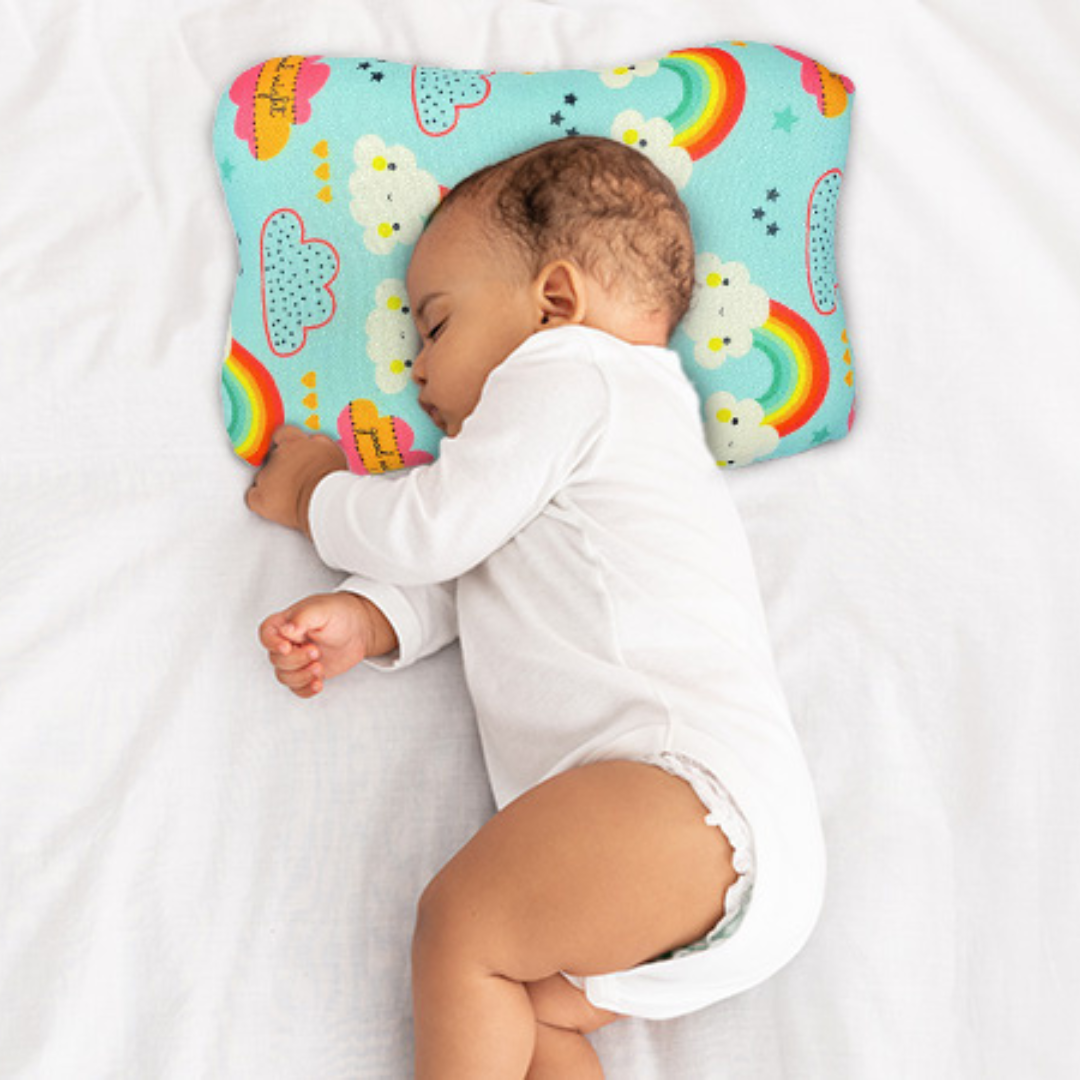




What is Sleep Training?
Sleep training helps your baby fall asleep on their own. That means the baby goes to bed tired but aware, and she sleeps without being rocked, swayed, snuggled, nursed, or shushed.
Sleep training also teaches the baby how to fall back asleep when she wakes up at night. Babies can sleep for 9–12 hours per night when they have been sleep-trained. With more peaceful sleep, they will feel better during the day, as will their parents, perhaps improving the family's overall quality of life.
When to Start Sleep Training
Experts recommend that babies start sleep training when they are 4 to 6 months old. This allows your baby to pass through the important stages of development that occur around months 3–4. During the four-month sleep regression, your baby's sleep cycles shift to more adult-like sleep stages.
As a result, many families who begin sleep training before 5 months discover that it takes longer and involves more crying. After five months, melatonin (the body's natural sleep hormone) begins to regulate and the sleep cycle is adjusted, making sleep training far more effective.
It can be difficult to figure out when your baby is ready for sleep training. However, if your baby begins to go to sleep on their own at night (even if they wake up during the night), they are most likely prepared. There is no set age at which to begin sleep training, and you are not required to do so. Babies will eventually learn how to sleep on their own.
If your gut is telling you that sleep training is the right next step for your family, listen to it. Remember, you are the authority in your family. And wherever you find your family is ready to sleep train, make sure you have a clear plan you understand and can be consistent with.
Signs Your Newborn is Ready for Sleep Training
- If your baby reacts well to a bedtime routine and shows signs indicating getting ready for sleep at the same time every night, it could be a good sign that they are ready for sleep training.
- If your baby begins to sleep for a longer period of time at night without needing to be fed or comforted, they may be ready to learn to self-soothe and fall back to sleep by themselves.
- As your baby grows, their nutritional needs change, and they may need fewer overnight feedings. If your baby goes for longer stretches without eating during the night, it might mean that they are ready to sleep train.
- As babies grow older, they become more aware of their environment and may start to find comfort in familiar sleep associations, such as a favorite blanket or stuffed animal. This increased awareness can signal readiness for sleep training.
- If your baby is waking frequently during the night but isn't showing signs of hunger or discomfort, it may be a sign that they're relying on external soothing techniques and are ready to learn self-soothing skills.
Also Read:- Is a Humidifier Good for a Baby?
Different Methods of Sleep Training
There’s no one way to sleep train, but many parents find that one or a mix of the following sleep training methods works for their families:
1. Cry it out (CIO)
This is one of the most well-known strategies, and it is frequently linked with sleep training. CIO entails putting your baby to bed while they are weary but still awake, so that they can learn to put themselves to sleep independently. Your infant may cry while learning this new ability, but that is not required!
That is, as long as you put your baby to bed with a full tummy and in a safe sleep environment, you will not return to her room until it is time for her to wake up the next morning or until she needs to eat again. While it may appear cruel, CIO is tougher on you than on your child. With consistency, your baby should be able to go to sleep on her own in three to four nights, give or take.
2. Ferber method
This method involves timed interval check-ins. When your baby is tired but still awake, put them in their crib, say goodnight, and leave the room. You will then re-enter the room at regular intervals to check on your baby, but you should not pick him up.
For example, after putting your baby down, check in after three, five, and ten minutes. You can speak a few words to your infant, such as telling them you love them, that they are doing an excellent job, or that you are here for them, but do not linger for too long.
Over a number of nights, you'll gradually extend these intervals, diminishing your presence in the baby's room and allowing your baby to handle more of the settling-down task. Your kid will eventually be able to self-soothe, so these comfort check-ins will be unnecessary.
3. Chair method
The chair approach may be better suited to older babies and more comfy for you (and your kid) than crying it out or Ferber. Sit in a recliner next to your baby's crib and let her fall asleep without taking her up. Each night, move the chair further away until you're near the door, then exit the room.
At this point, your infant should be able to fall asleep without your presence. This strategy will not work for babies who can't stop thinking about you until you're out of sight.
And, while this strategy may be appropriate for certain families, be aware that it may result in more tears for some newborns.
4. Bedtime fading method
If your child cries for a long period of time before going to sleep, her body may not be ready to sleep at your preferred bedtime. The bedtime fading strategy can change her circadian rhythm and get her bedtime to where you want it. Here is how:
- Pay attention to your baby's sleep signs (eye rubbing, yawning, turning away from lights or sounds, and fussiness).
- When your baby appears exhausted, put her to bed.
- Hopefully, she'll go to sleep quickly, but if she cries a lot, remove her from the crib for a certain length of time (say, half an hour) and try again.
After a few nights of putting her down at that time, move bedtime 15 minutes earlier and repeat the procedure.
5. Pick-up, put-down method
This sleep training method involves following your baby's usual bedtime routine and then putting her to bed tired but alert. Wait a few minutes after she starts crying to see if she calms down. If not, go inside to take her up and comfort her. When she is peaceful again, place her back in the crib or bassinet. Repeat this method until your baby falls asleep. Be advised that this sleep training method can take a long time and demands a lot of patience.
Conclusion
Recognizing the signs that your newborn is ready for sleep training is the first step toward helping both you and your baby get the rest you need. By being patient, consistent, and understanding your baby's individual needs, you can establish healthy sleep habits that will benefit your family for years to come.
And remember, a baby pillow can provide additional comfort and support during sleep, but always ensure it is safe and appropriate for your baby's age and development. The Sleepsia Microfiber Baby Pillow could be the perfect choice for your baby, as it actively triggers proper blood circulation in the back, aligns the head, and promotes general neck health.
Recent Posts

What is Sleep Insomnia?

Circadian Rhythm Disorders: Types, Symptoms, Diagnosis & Treatment

Health Risks of Oversleeping

What Is Dementia? Symptoms, Types & Its Effects on Sleep

Obstructive Sleep Apnea: What It Is, Causes, Symptoms & Treatment

How to Clean Humidifier at Home

Back Strain vs Sprain: Symptoms, Recovery Time, Exercises & Prevention

