

Common Myths About Sleep Debunked
In a country like India, there are so many myths about so many topics. We've heard so many things about sleep from our parents and grandparents that we still believe them, even if we know there are scientific reasons for it.
Sleep-related myths or misinformation may seriously harm your health and wellbeing. In this blog, we'll look at some popular sleep misconceptions and explain why they're wrong so they can be debunked once and for all.
Recommended Products




Myths About Sleep Debunked
Myth: Your Body Get Used to Less Sleep
Our parents and grandparents have a habit of sleeping late and getting up early because they believe sleep is a waste of time. It might seem absurd to you that people are unaware of the impact of sleep on our health and overall well-being.
After a few nights of little sleep, you are more prone to feel sleepy during the day. This increase in daytime sleepiness can go away after weeks or months of little sleep, but this does not imply that your body functions well or that it is efficiently responding to sleep deprivation.
Even if it appears that you are getting used to sleeping too little, in reality, more serious health problems may be building due to your body's inability to get the rest.
Myth: Stay in Bed, Even if You have Trouble Falling Asleep
You must have noticed that our parents remain in bed despite not getting any sleep. They tossed and turned but were unable to leave the bed. This can lead to sleep deprivation and make it more difficult to fall asleep again.
Instead of tossing and turning in bed, it could be better to get up, do something calming in a quiet and dim atmosphere, such as reading a book - without using your smartphone or other electronic devices - and then try to return to bed once you start to feel tired.
Myth: Alcohol Help You Sleep Better
It can help you fall asleep faster at first, but it can disrupt your sleep later. You may experience a decline in sleep quality and wake up later in the evening. Consuming alcohol before going to bed could disturb your sleep cycles, increase the likelihood of sleep disturbances, and worsen snoring and sleep apnea.
Myth: Not Using Pillow is a Healthy Habit
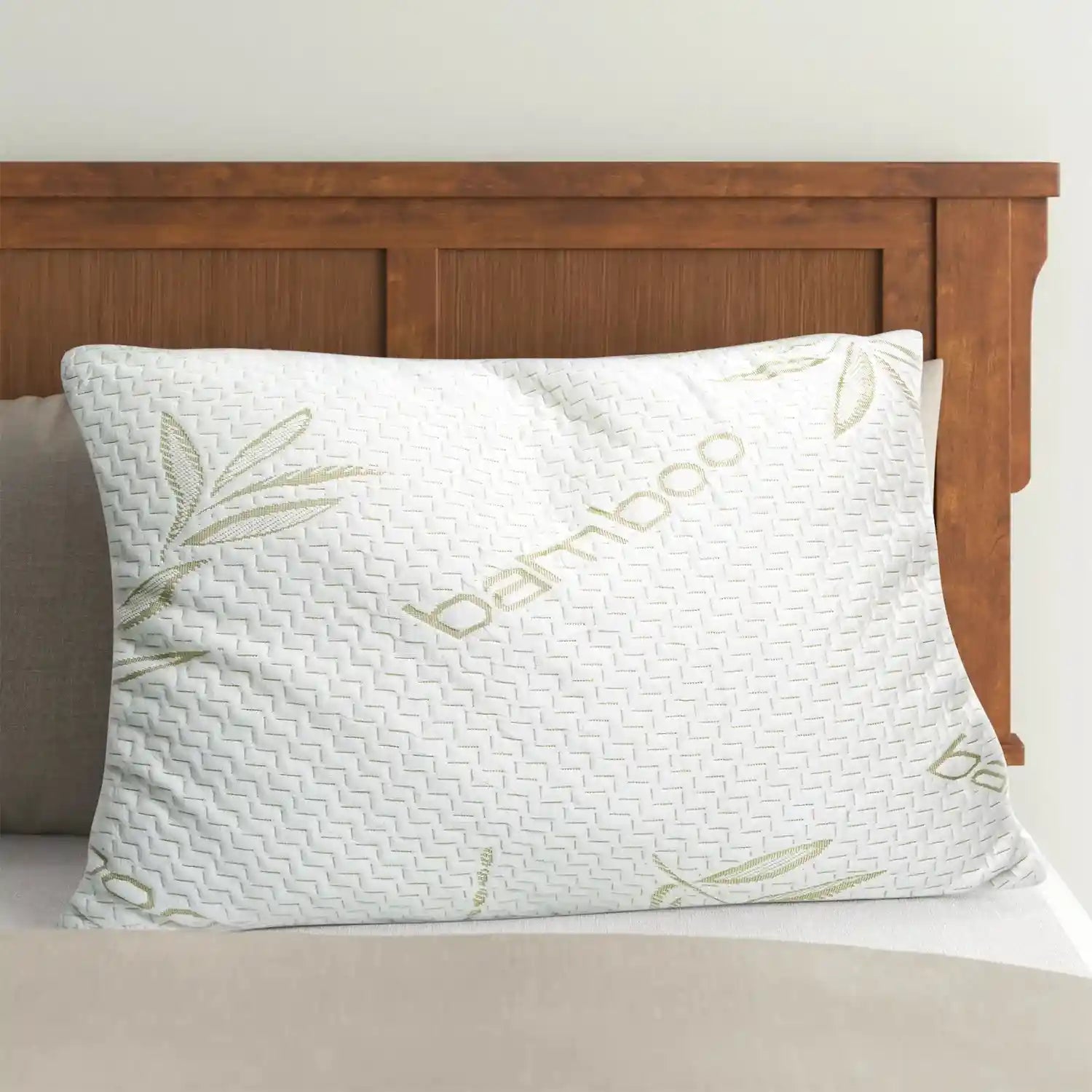
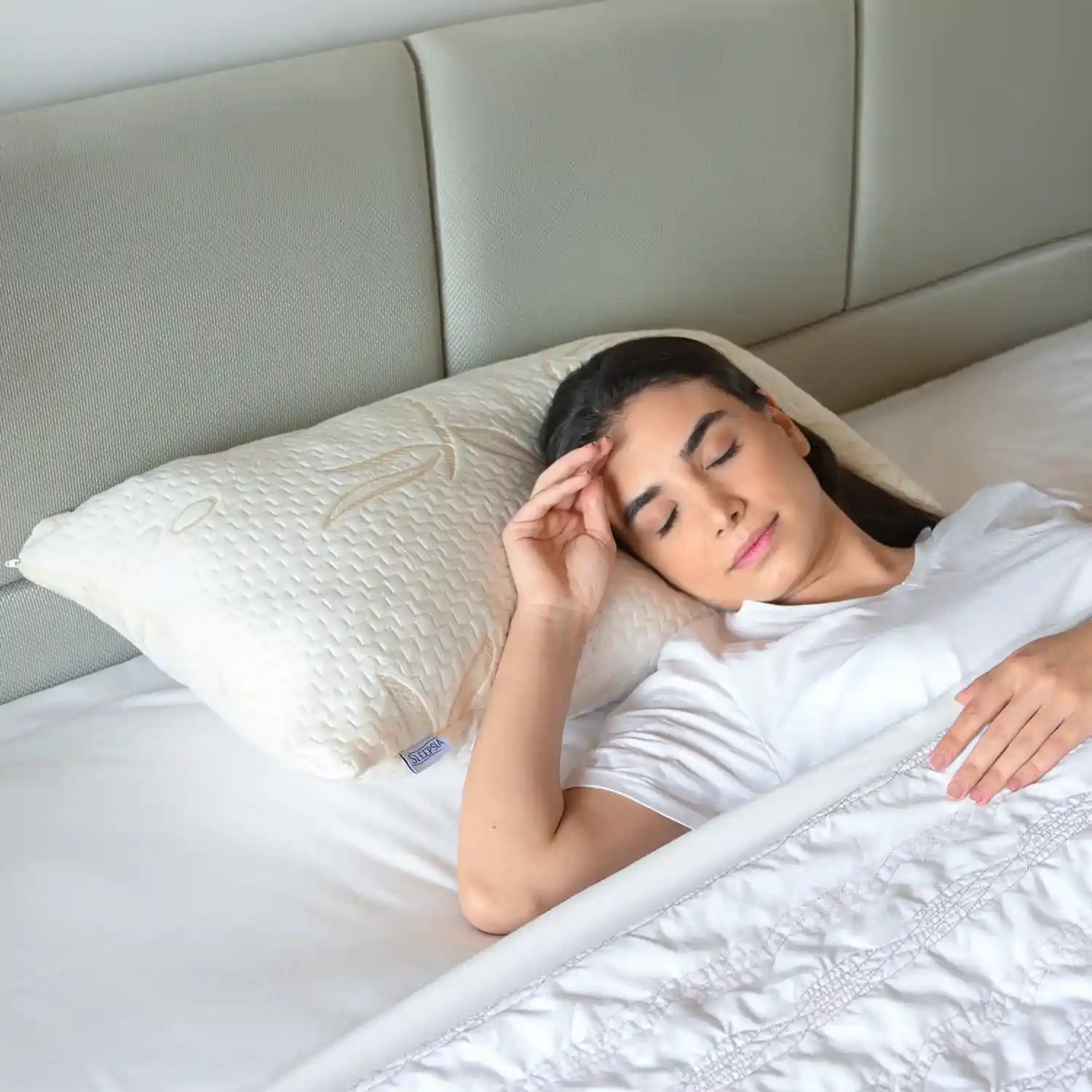
Despite the fact that most of us sleep with pillows, people who choose not to use them feel that they are taking better care of themselves and it is healthy not to use a pillow. If you choose a pillow based on your needs and tastes, you will benefit in a variety of ways.
If you sleep on your side or back, using a pillow is usually advised. The most important thing, though, is that you sleep pain-free and comfortably. It could be risky to sleep without a pillow if you have back or neck pain, or if you have a spinal ailment like scoliosis.
Myth: Snoring is Harmless
Almost all of us think snoring is harmless, but it is not. Occasional light snoring may be harmless, but chronic loud snoring is a sign of obstructive sleep apnea (ONS), a dangerous breathing problem that disrupts sleep and prevents a person from getting the oxygen their body needs. Snoring can also disturb the sleep of a bed companion or roommate.
Anti-snoring mouthpieces and mouth exercises can assist many people lessen or eliminate their snoring, and decreasing weight can also help.
Myth: Long Naps Are More Refreshing
If you're feeling sleepy in the afternoon, a good sleep will help you wake up. However, it is important not to sleep for too long. A short nap can help you feel more alert and less worried afterward, but the key is to keep it short. The nap should be used to replenish energy and concentrate for the remainder of the day.
Myth: Listening to White Noise Helps You Sleep
This is a highly personal choice. Sleep is a deeply psychological phenomenon, therefore one size does not fit all. Some people demand perfect silence to sleep soundly. Others find a certain degree of background noise relaxing and comfortable. If you're having trouble sleeping, consider experimenting with background noise or using ear plugs to block it out.
Finally, if you find a strategy that works for you and allows you to sleep well throughout the night, stick with it.
Conclusion
Even a few years ago, our knowledge of sleep was far less than it is today. However, despite all of this new knowledge and what we continue to discover, there are still misunderstandings. But misconceptions about how sleep works can do more than simply cause "oops" moments; they can prevent you from getting the most restorative, rejuvenating, and optimal sleep possible. Worse, they may actually do harm.
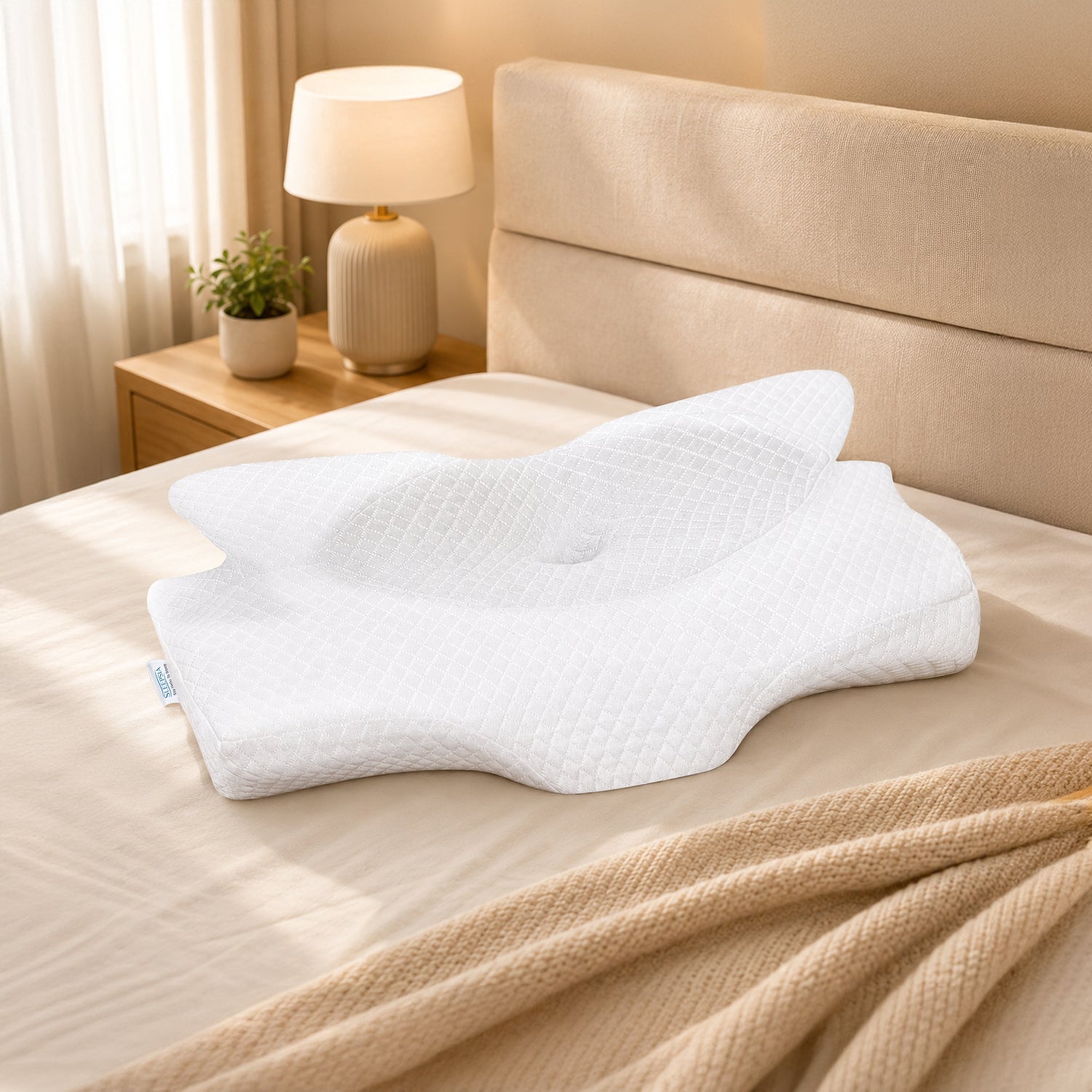
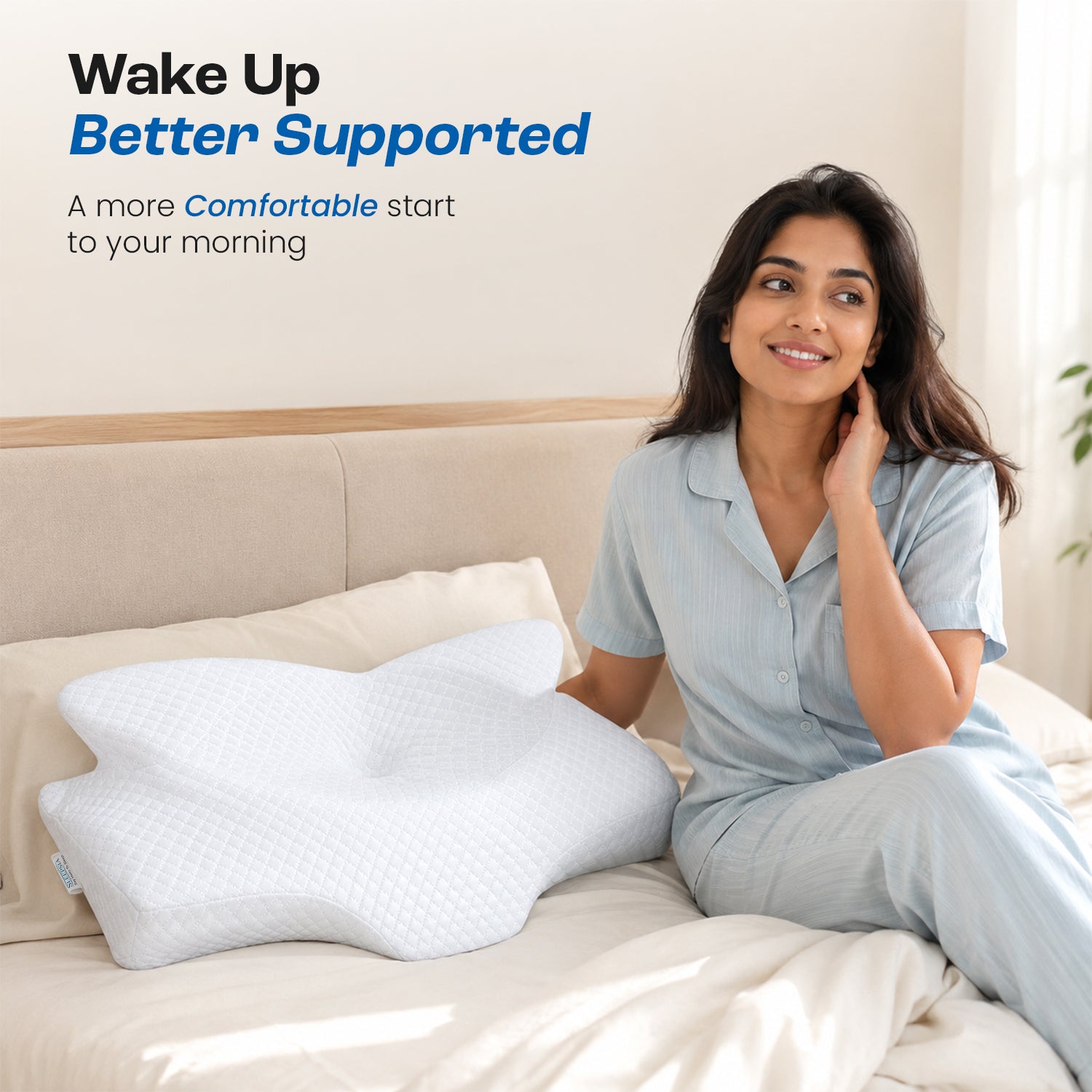
If you are looking for a pillow that can help you sleep faster and get quality sleep at night, you can consider investing in a memory foam pillow. Memory foam pillows retain your body shape to offer a better night's sleep. They also relieve upper shoulder pain, provide relief from pressure points, and provide a neutral spine alignment.
Feng Shui Bedroom Tips for Harmonious Sleep
सिर दर्द का घरेलू इलाज: सरल तरीके जो दे सकते हैं राहत
Recent Posts

Double Bed Sheet with Pillow Cover: How to Choose the Right Bedding Set

Benefits of Janu Shirasana (One-Legged Forward Bend Pose) & How to Practice It

Back Support Pillow for Office: Why It Matters for Long Sitting

What Is the Best Pillow for Neck Pain? Complete Guide

Benefits of Utkatasana (Chair Pose) & How to Practice It

Benefits of Garudasana (Eagle Pose) & How to Practice It

Rakhi Gift Ideas for Your Sister: Give Her the Gift of Better Sleep

