

Headache After a Nap? Reasons and Remedies Explained
Most of us love taking naps to recharge ourselves during the day but for many people it often comes with an unwelcome side effect: a headache. If you’ve ever woken up from a nap feeling groggy or dealing with a throbbing head, you’re not alone. so , why does this happen? And more importantly, how can you prevent it?
In this blog, we’ll explore some common reasons why you might experience a headache after a nap and offer some practical remedies to help you sleep better.
Recommended Products



Possible Reasons Behind Headache After a Nap
There are a few reasons why you might get a headache after a nap. Even though they might seem different, each one has to do with how your body reacts to sleep.
Here are some of the main causes of headache after afternoon nap:
Sleep Inertia: Waking Up Too Quickly
Have you ever woken up from a nap and felt disoriented or sluggish? This is called sleep inertia, a natural grogginess that can last for a few minutes to half an hour. It happens when you wake up during the deeper stages of sleep (like deep sleep or REM sleep), which can cause a headache.
To avoid sleep inertia, try to keep naps short around 20-30 minutes. This gives your body time to enter lighter sleep stages, reducing the chance of waking up during deep sleep.
Over-Sleeping
Sometimes, taking a nap for too long or at the wrong time can throw off your body’s natural sleep-wake cycle (circadian rhythm). Napping for long periods, especially in the late afternoon, can interfere with your regular sleep cycle and lead to headaches.
Set an alarm to limit your nap to 20-30 minutes. If you’re looking for a longer nap, aim for 90 minutes, as this allows you to complete a full sleep cycle, preventing you from waking up during a deep sleep stage.
Dehydration
It's easy to forget to drink water when you're tired, but one of the most common causes of headache after waking up from nap is dehydration. If you nap without being hydrated, you may wake up with a headache that could have been avoided.
Drink a glass of water before and after your nap to stay hydrated. Keep a water bottle nearby and sip regularly throughout the day to prevent dehydration.
Poor Posture
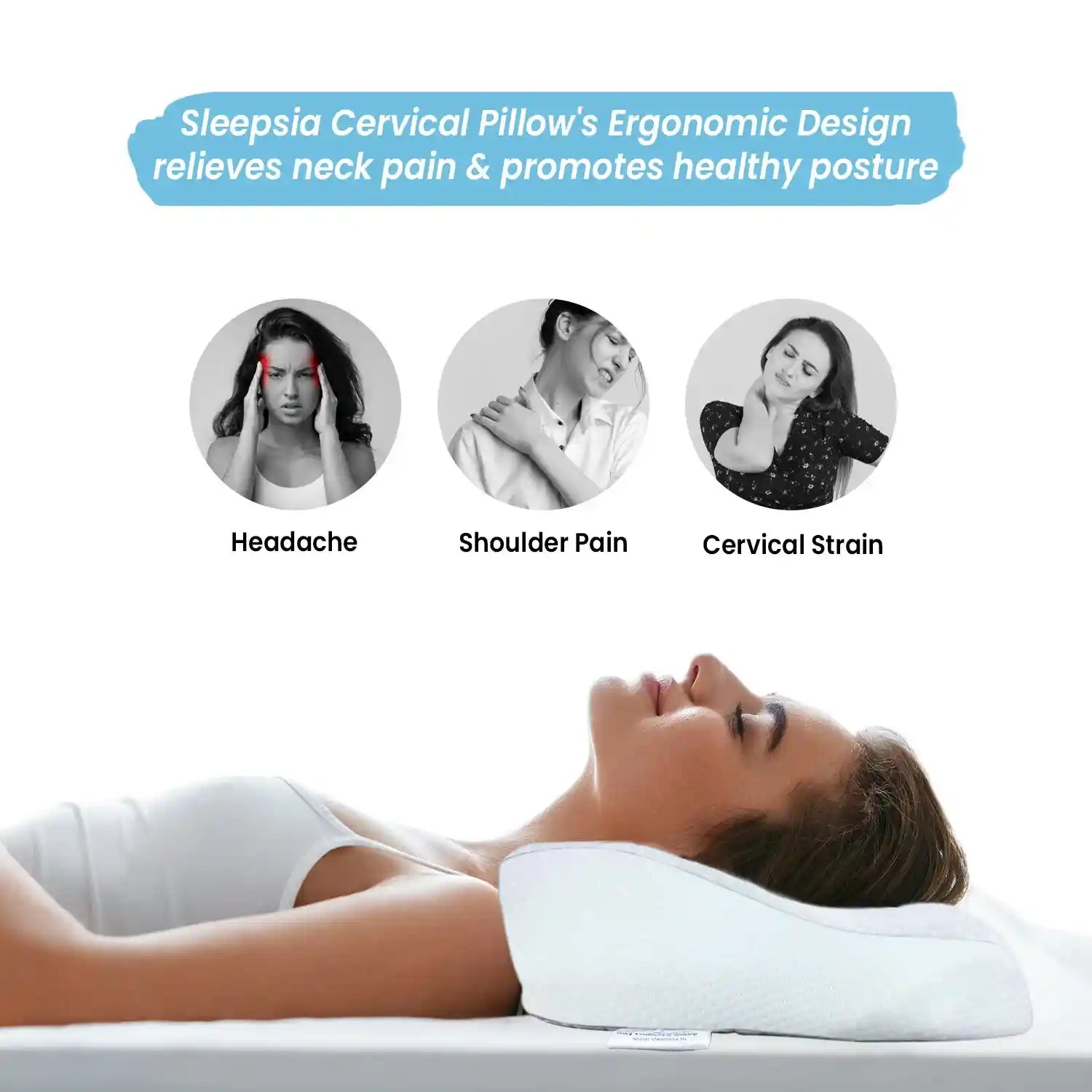
Your posture during a nap can also play a role in causing a headache. If you lie in an awkward position, you might strain your neck or shoulders, leading to tension headaches. This is especially true if you nap in a chair or slouched position instead of lying flat.
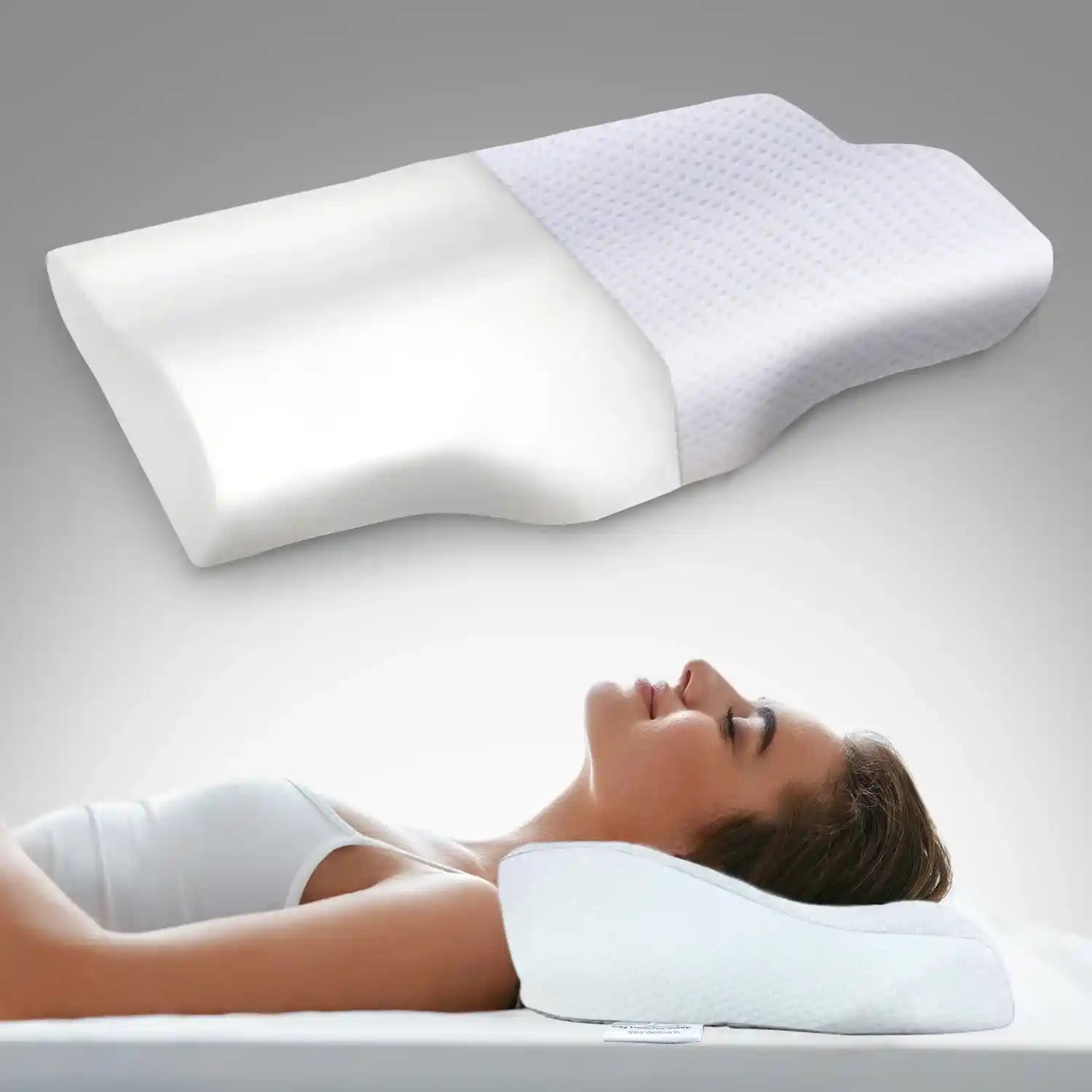
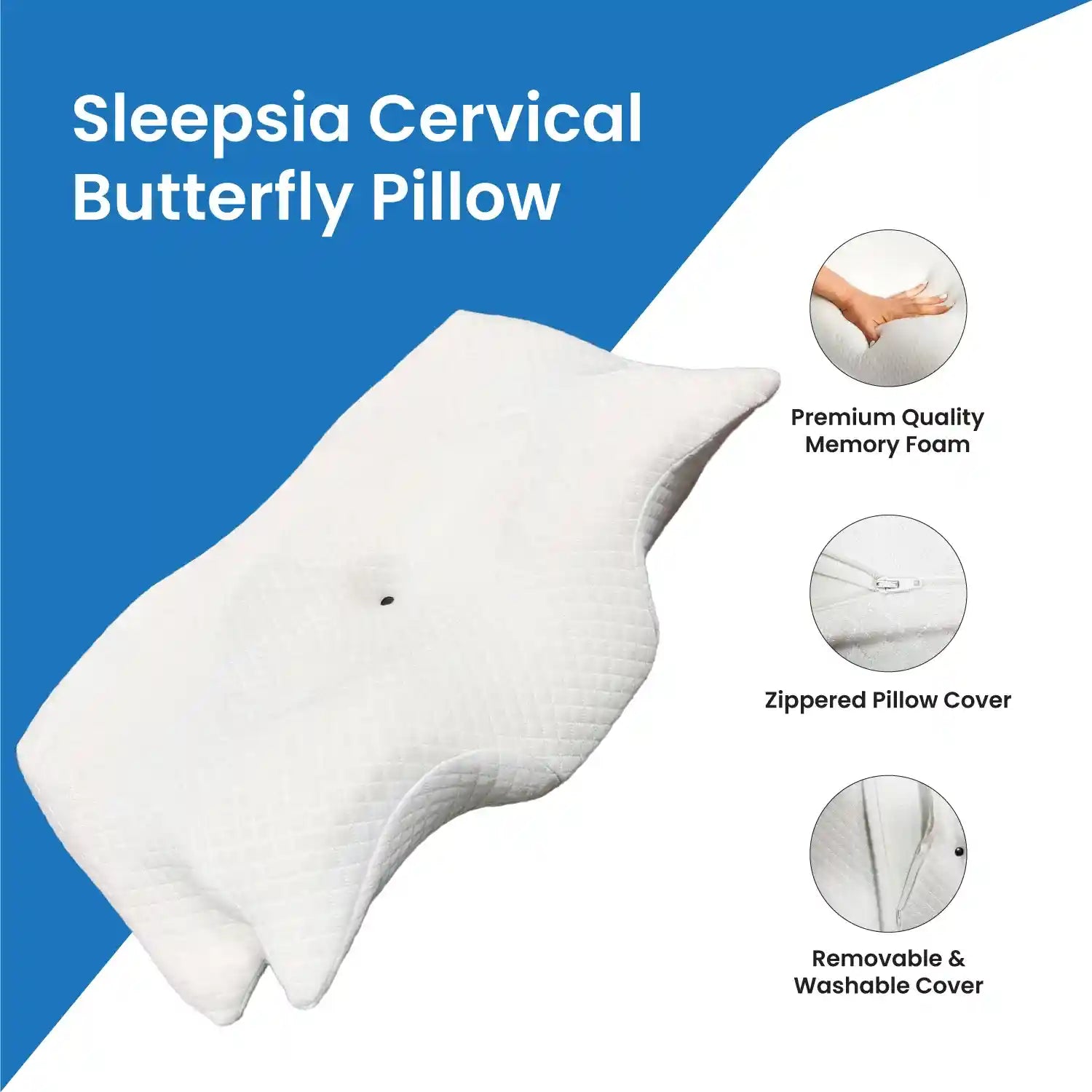
Make sure you’re napping in a supportive position. Use a pillow that keeps your neck aligned with your spine, and avoid sleeping in positions that could strain your muscles.
Caffeine Withdrawal
If you're used to consuming caffeine throughout the day, a nap can sometimes lead to a headache if you haven't had your usual caffeine fix. This happens because your body goes into a mild withdrawal state when you sleep, and the lack of caffeine can trigger a headache when you wake up.
If you’re sensitive to caffeine withdrawal, try limiting your caffeine intake, or avoid taking naps right after having coffee or tea. If you do nap, ensure you’ve had enough caffeine earlier in the day to keep headaches at bay.
Also Read:- The Science of the Power Nap: Duration and Benefits
Simple Remedies for Post-Nap Headaches
You can follow these simple remedies to ease the pain and avoid it in the future:
Drink Water
When you wake up from a nap, grab a glass of water. It can help with dehydration headaches. Keep a water bottle nearby to remind yourself to drink throughout the day.
Stretch It Out
Try some easy neck and shoulder stretches to get rid of any tension from napping awkwardly. Gently move your neck side to side, and stretch your shoulders to avoid those annoying headaches.
Make Your Napping Spot Cozy
Your nap will be way better if you’re in a comfy, quiet spot. Keep the lighting dim, the room cool, and lay on something soft. Avoid napping in noisy or stressful places.
Cold or Warm Compress
If you’ve got a headache, try a cold compress on your forehead for tension headaches or a warm one for sinus issues. It’s an easy fix that can help you feel better quickly.
Don’t Nap Too Long
Waking up with headaches after sleep might mean you’re napping too long. Stick to 20-30 minute naps, and don’t nap too late in the day, or it might mess with your sleep at night.
Watch What You Eat
Eating a healthy snack before your nap can help avoid headaches from low blood sugar or caffeine withdrawal. Just try to stay away from greasy foods, since they might make you feel sluggish after your nap.
When to See a Doctor
Headaches after naps are usually not a big problem, but if they happen often or are very painful, it might mean there's something else going on. If you have headaches that don't go away or other strange symptoms, it's a good idea to see a doctor. Conditions like sleep apnea, migraines, or other health issues might need treatment.
Conclusion
Headaches after napping can be annoying, but knowing what causes them can help you avoid them. By changing a few things, like how long you nap, staying hydrated, and improving your sleep habits, you can enjoy a nap without a headache. Remember, naps are supposed to make you feel better, not worse.
Maladaptive Daydreaming: Symptoms, Diagnosis, and Tips to Manage
Is a Humidifier Good for a Baby?
Recent Posts

Hatha Yoga for Beginners: Benefits, Poses, and How to Start

Hypnic Jerk: Why You Twitch When You Sleep

What Are the Benefits of Doing Surya Namaskar (Sun Salutation)?

Surya Namaskar: How to Do Sun Salutation with 12 Easy Steps

10 Breathing Exercises to Try When You’re Feeling Stressed

Office Exercises at Desk for Back Pain Relief and Better Posture

Tech Neck: Causes, Symptoms, Exercises, and Treatment

