

Hypnic Jerk: Why You Twitch When You Sleep
A hypnic jerk is a sudden body twitch that happens when a person is about to fall asleep. It may feel like your body jumps, your leg kicks suddenly, or you are falling for a second. This is a very common sleep experience and usually happens during the early stage of sleep.
Hypnic jerks are mostly harmless, but they can feel strange or disturbing, especially when they happen often. Stress, anxiety, too much caffeine, lack of sleep, and poor sleep habits are some common reasons behind these sudden sleep twitches.
In this blog, you will learn the hypnic jerk meaning, why it happens, common hypnic jerk causes, symptoms, triggers, prevention tips, treatment options, and whether hypnic jerks are dangerous. The blog also explains the connection between sleep twitches, the startle reflex, stress, and anxiety.
Recommended Products









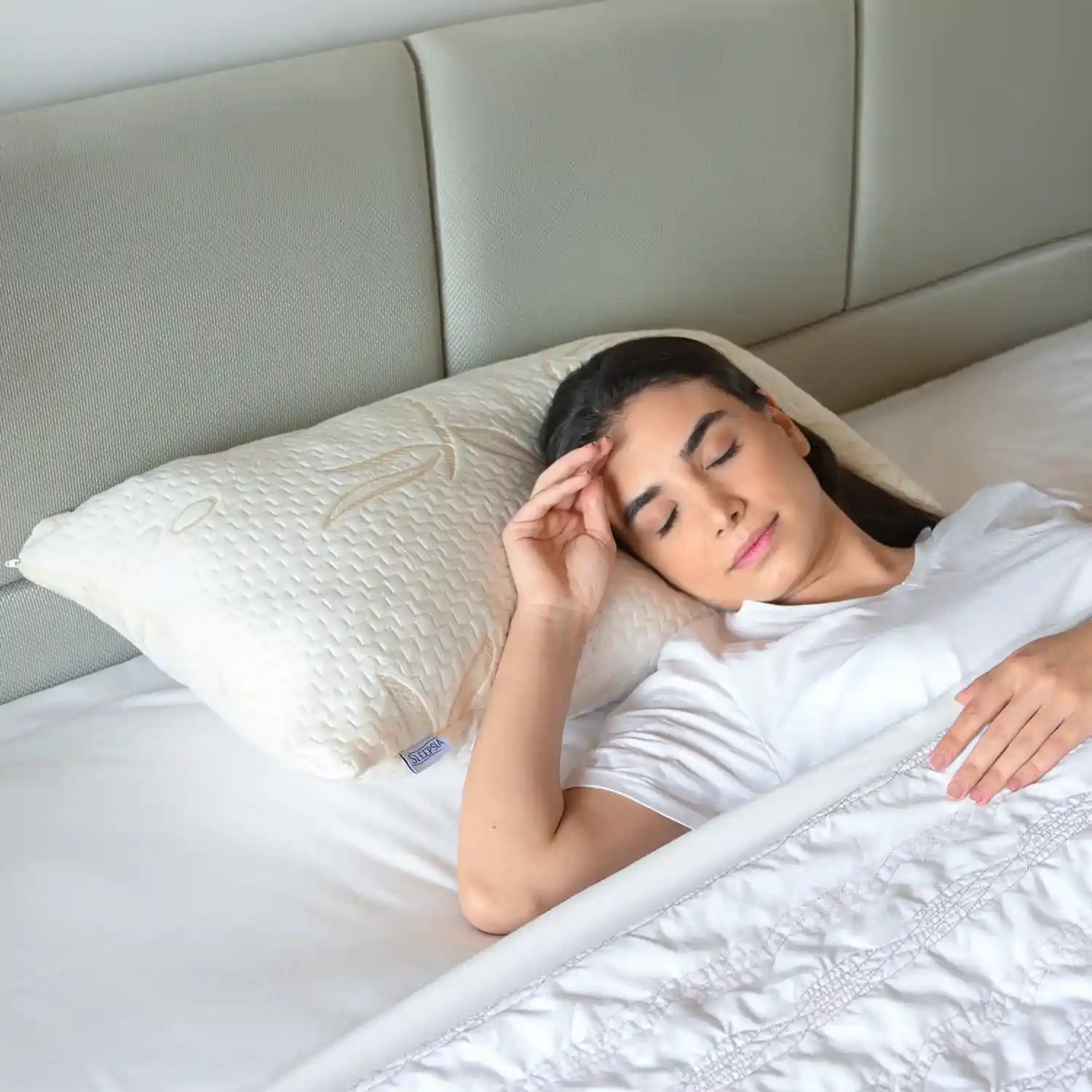


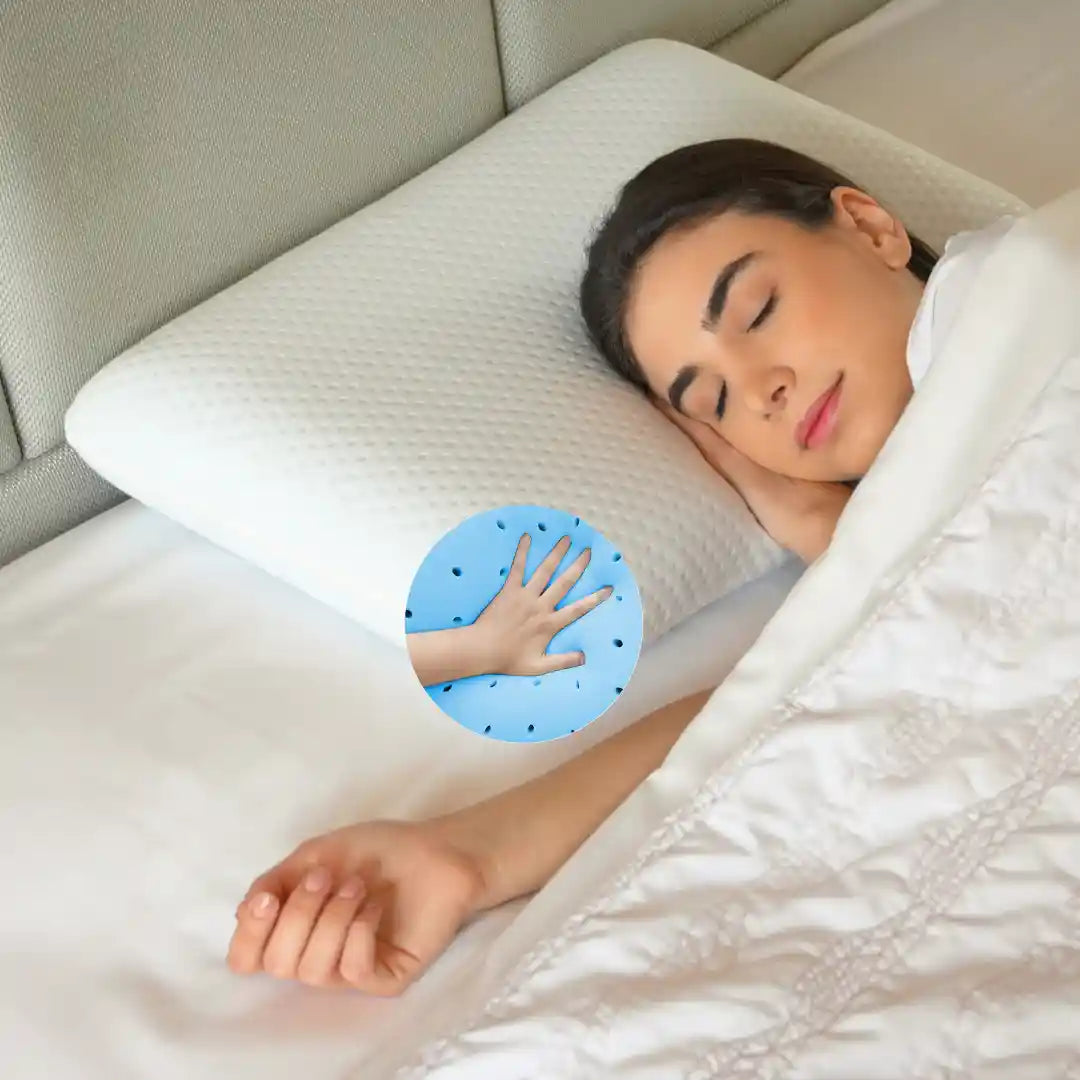
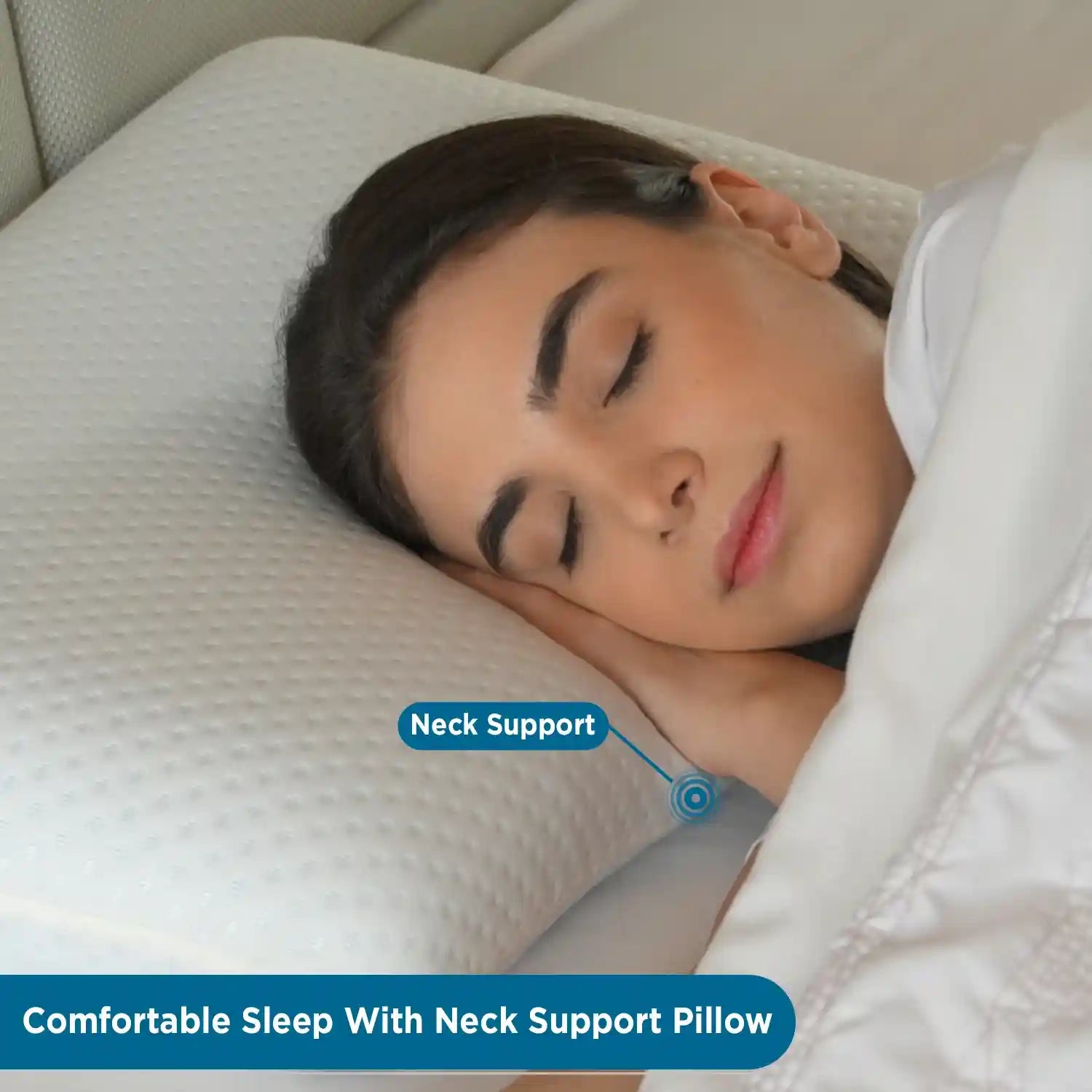









What Is a Hypnic Jerk?
A hypnic jerk is a sudden body twitch that happens when a person is about to fall asleep. It may feel like your leg jumps, your arm moves suddenly, or your whole body shakes for a second. Some people also feel like they are falling from somewhere high. This is called a hypnic jerk or sleep twitch.
Hypnic jerks are very common and are considered a normal part of sleep. Research suggests that around 60% to 70% of people experience hypnic jerks at some point in their lives. They can happen occasionally or more frequently during stressful periods.
Many people get scared when this happens for the first time, but hypnic jerks are very common and mostly harmless. Studies show that many adults and children experience hypnic jerks sometimes during sleep.
Experts believe hypnic jerk causes are linked to the brain and body relaxing at different speeds. When your muscles start relaxing, the brain may think the body is falling. Because of this, the brain quickly sends signals to the muscles, and the body suddenly jerks. This is also connected to the startle reflex, which is the body’s natural reaction to sudden movement or fear.
Why Does Your Body Suddenly Jerk While Sleeping?
People suddenly jerk in their sleep because the brain and body are slowly changing from being awake to being asleep. During this time, the muscles start relaxing, breathing becomes slower, and the heart rate also calms down. Sometimes, the brain gets confused during this process and suddenly sends signals to the muscles, causing a quick body movement or hypnic jerk.
This sudden movement is also linked to the startle reflex. The brain may think the body is falling or losing balance, so it quickly reacts by making the muscles jerk for a second.
Sleep twitches are very common and can happen to anyone. They usually happen during the first stage of sleep when the body is not fully asleep yet.
Some common hypnic jerk causes include:
- Stress and anxiety
- Drinking too much caffeine
- Lack of sleep
- Feeling overtired
- Heavy exercise before bed
- Poor sleep habits
In some cases, people may also feel a falling sensation, quick heartbeat, or flickering meaning small dream-like flashes before the twitch happens.
Most hypnic jerks are harmless and do not need medical treatment. However, getting enough sleep, reducing stress, and following a healthy sleep routine may help reduce sleep twitches.
What Is the Startle Reflex?
The startle reflex is the body’s automatic reaction to sudden movements, sounds, or fear. During sleep onset, the brain may accidentally trigger this reflex, causing the body to jerk awake. This is why hypnic jerks are often linked to the startle reflex.
Common Hypnic Jerk Causes
Hypnic jerks can happen to anyone, but certain habits and lifestyle factors can make these sleep twitches happen more often. These sudden body movements usually happen when the brain and body are having trouble relaxing properly before sleep.
Here are some common hypnic jerk causes:
Stress and Anxiety
Stress and anxiety are one of the biggest reasons behind hypnic jerks. When the mind is full of worries or overthinking, the nervous system stays active even at bedtime. This can increase sudden muscle twitches while sleeping.
Too Much Caffeine or Nicotine
Caffeine and nicotine stimulate the brain and keep the body alert. Coffee, tea, energy drinks, and smoking close to bedtime can disturb sleep and increase sleep twitches.
Lack of Sleep
Not getting enough sleep can make the brain overtired. An exhausted brain may struggle to relax properly, which can lead to more sleep twitches and sudden body jerks.
Heavy Exercise at Night
Exercise is good for health, but very intense workouts before bedtime may overstimulate the muscles and nervous system. This can sometimes cause muscle twitching during sleep.
Other Causes of Twitching While Sleeping
A hypnic jerk is one of the most common reasons for twitching during sleep, but it is not the only cause. Sometimes, body movements during sleep may happen because of other sleep or health conditions.
Here are some other causes of twitching while sleeping:
Restless Leg Syndrome (RLS)
Restless Leg Syndrome causes an uncomfortable feeling in the legs and creates a strong urge to move them, especially at night. People with RLS may experience frequent leg movements while trying to sleep.
Periodic Limb Movement Disorder (PLMD)
This condition causes repeated movements of the arms or legs during sleep. Unlike a hypnic jerk, these movements can happen many times throughout the night and may disturb sleep quality.
Certain Medicines
Some medications, especially those related to mental health, stimulants, or sleep disorders, may increase muscle twitching during sleep.
Sleep Apnea
Sleep apnea is a condition where breathing repeatedly stops and starts during sleep. Some people with sleep apnea may experience sudden body movements or jerks during the night.
Neurological Conditions
In rare cases, frequent muscle twitching during sleep may be linked to nerve or brain-related conditions. If twitching becomes severe or happens regularly, medical advice may be needed.
Symptoms of a Hypnic Jerk
The symptoms of a hypnic jerk usually happen when a person is just about to fall asleep. These sudden sleep twitches may last only a few seconds but can sometimes wake a person up suddenly.
Common symptoms of a hypnic jerk include:
- Sudden body twitch or muscle jerk
- Feeling like you are falling
- Quick movement in the arms or legs
- Sudden wake-up while falling asleep
- Fast heartbeat after the jerk
- Mild sweating or feeling shocked
- A brief dream-like sensation
- Flickering meaning small flashes or strange images before sleep
Some people experience hypnic jerks only once in a while, while others may notice them more during stress, anxiety, lack of sleep, or after too much caffeine. In most cases, hypnic jerks are harmless and do not cause serious health problems.
Are Hypnic Jerks Dangerous?
Hypnic jerks are usually not dangerous. They are a common part of falling asleep and happen to many people occasionally. Even though a sudden body twitch or falling sensation may feel scary for a moment, hypnic jerks are generally harmless.
Most hypnic jerks last only a few seconds and do not cause any serious health problems. They usually happen because the brain and body are adjusting to sleep. Stress, anxiety, lack of sleep, and too much caffeine can make them happen more often.
However, if body jerks happen repeatedly throughout the night, become painful, or disturb sleep regularly, it is important to speak with a doctor. In some cases, frequent twitching may be linked to another sleep or neurological condition.
Can You Die From Hypnic Jerk?
No, you cannot die from a hypnic jerk. Although the sudden jerk may wake you up and make your heart beat faster for a few seconds, hypnic jerks are not life-threatening.
Many people search online, “can you die from hypnic jerk?” because the falling sensation and sudden wake-up can feel intense. But sleep experts consider hypnic jerks normal sleep movements that do not stop the heart or cause death.
In most cases, hypnic jerks are harmless and can be managed with better sleep habits, less stress, and reduced caffeine intake.
Difference Between Hypnic Jerks and Sleep Disorders
Many people confuse hypnic jerks with other sleep disorders because they all involve body movements during sleep. However, hypnic jerks are usually normal and harmless, while some sleep disorders may need medical attention.
Hypnic Jerk vs Sleep Apnea
A hypnic jerk is a sudden body twitch that usually happens only once while falling asleep. It may wake a person up for a moment, but breathing stays normal.
Sleep apnea is a sleep disorder in which breathing repeatedly stops and starts during sleep. People with sleep apnea may snore loudly, wake up gasping for air, feel tired during the day, and have poor sleep quality.
The main difference is that hypnic jerks involve sudden muscle movements, while sleep apnea mainly affects breathing during sleep.
Hypnic Jerk vs Restless Leg Syndrome (RLS)
Hypnic jerks happen suddenly when a person is about to fall asleep. They usually last only a few seconds.
Restless Leg Syndrome causes an uncomfortable feeling in the legs and creates a strong urge to move them, especially at night. Unlike hypnic jerks, RLS symptoms may continue for a long time and disturb sleep regularly.
Hypnic Jerk vs Seizures
Hypnic jerks are normal sleep twitches and are usually harmless. A person stays aware and quickly returns to normal after the jerk happens.
Seizures are caused by unusual electrical activity in the brain and can involve repeated body shaking, confusion, loss of awareness, or muscle stiffness. Seizures are a medical condition and need proper medical care.
If body movements happen very often, become severe, or affect sleep regularly, it is best to consult a doctor.
How to Stop Hypnic Jerks Naturally
Hypnic jerks are usually harmless, but they can disturb sleep and make a person feel uncomfortable. The good news is that simple lifestyle changes may help reduce these sudden sleep twitches naturally.
Reduce Stress Before Bed
Stress and anxiety are common hypnic jerk causes. Try relaxing your mind before sleep by listening to calm music, reading a book, deep breathing, or meditation. A relaxed mind helps the body fall asleep more smoothly.
Avoid Caffeine at Night
Coffee, tea, chocolate, energy drinks, and nicotine can keep the brain active for longer. Avoid consuming caffeine a few hours before bedtime to reduce sleep twitches.
Improve Sleep Schedule
Sleeping and waking up at the same time every day helps the body follow a healthy sleep cycle. A regular sleep schedule may lower the chances of hypnic jerks.
Reduce Screen Time
Using phones, laptops, or watching TV before bed can overstimulate the brain. Reducing screen time at night may help the brain relax faster before sleep.
Create a Relaxing Bedtime Routine
Simple bedtime habits like taking a warm shower, dimming the lights, or sleeping in a quiet room can improve sleep quality and help prevent hypnic jerks.
Treatment for Hypnic Jerks
Most hypnic jerks do not need medical treatment. Lifestyle improvements are usually enough.
However, if symptoms become severe or frequent, doctors may suggest:
- Stress management techniques
- Better sleep habits
- Reducing stimulant intake
- Treatment for anxiety or sleep disorders
- Sleep studies in rare cases
When to See a Doctor
Medical attention may be necessary if:
- Jerks happen repeatedly through the night
- Sleep quality becomes very poor
- Twitching continues during the daytime
- There are signs of seizures or neurological problems
Conclusion
A hypnic jerk can feel surprising or uncomfortable, especially if it wakes you suddenly while falling asleep. However, these sleep twitches are usually a normal part of the body’s transition into sleep.
Stress, anxiety, caffeine, poor sleep habits, and exhaustion are some of the most common triggers. Fortunately, improving your sleep routine and reducing stress can often help reduce their frequency.
If hypnic jerks become severe, frequent, or interfere with your sleep regularly, consulting a healthcare professional may help identify any underlying issues.
FAQ
Q1: Is it normal to twitch and jerk when falling asleep?Ans: Yes, it is completely normal. These sudden sleep twitches are called hypnic jerks and happen to many people while falling asleep.
Q2: How can I stop my hypnic jerks?Ans: You can reduce hypnic jerks by sleeping properly, reducing stress, avoiding caffeine at night, and following a healthy sleep routine.
Q3: Do sleep twitches have a purpose?Ans: Experts believe sleep twitches happen because the brain and body are adjusting during the transition from wakefulness to sleep.
Q4: What deficiency causes hypnic jerk?Ans: There is no confirmed deficiency, but low magnesium, calcium, or iron levels may sometimes increase muscle twitching.
Q5: Can stress cause hypnic jerks?Ans: Yes, stress and anxiety can overstimulate the nervous system and increase sleep twitches.
Q6: Is a hypnic jerk the same as a seizure?Ans: No, hypnic jerks are normal sleep twitches and are different from seizures.
What Are the Benefits of Doing Surya Namaskar (Sun Salutation)?
Hatha Yoga for Beginners: Benefits, Poses, and How to Start
Recent Posts

Double Bed Sheet with Pillow Cover: How to Choose the Right Bedding Set

Benefits of Janu Shirasana (One-Legged Forward Bend Pose) & How to Practice It

Back Support Pillow for Office: Why It Matters for Long Sitting

What Is the Best Pillow for Neck Pain? Complete Guide

Benefits of Utkatasana (Chair Pose) & How to Practice It

Benefits of Garudasana (Eagle Pose) & How to Practice It

Rakhi Gift Ideas for Your Sister: Give Her the Gift of Better Sleep

