

Why Do Doctors Recommend a Cervical Pillow for Neck Pain?
Waking up with neck stiffness, shoulder pain, or frequent headaches may be a sign that your neck isn't getting the support it needs while you sleep. Neck pain is a common condition that can result from poor sleeping posture, an unsupportive pillow, muscle strain, or age-related changes in the cervical spine. To help relieve these issues, many healthcare professionals and sleep specialists recommend using a cervical pillow for neck pain. Unlike traditional pillows, a cervical pillow is ergonomically designed to support the natural curve of your neck, maintain proper spinal alignment, and provide better comfort while you sleep. While a cervical pillow is not a cure for underlying neck conditions, it can help relieve everyday neck discomfort caused by poor sleeping posture and inadequate neck support.
This blog explains why doctors recommend cervical pillows, how they support spinal alignment, their benefits, tips for choosing the right cervical pillow, and who can benefit most from using one.
Recommended Products

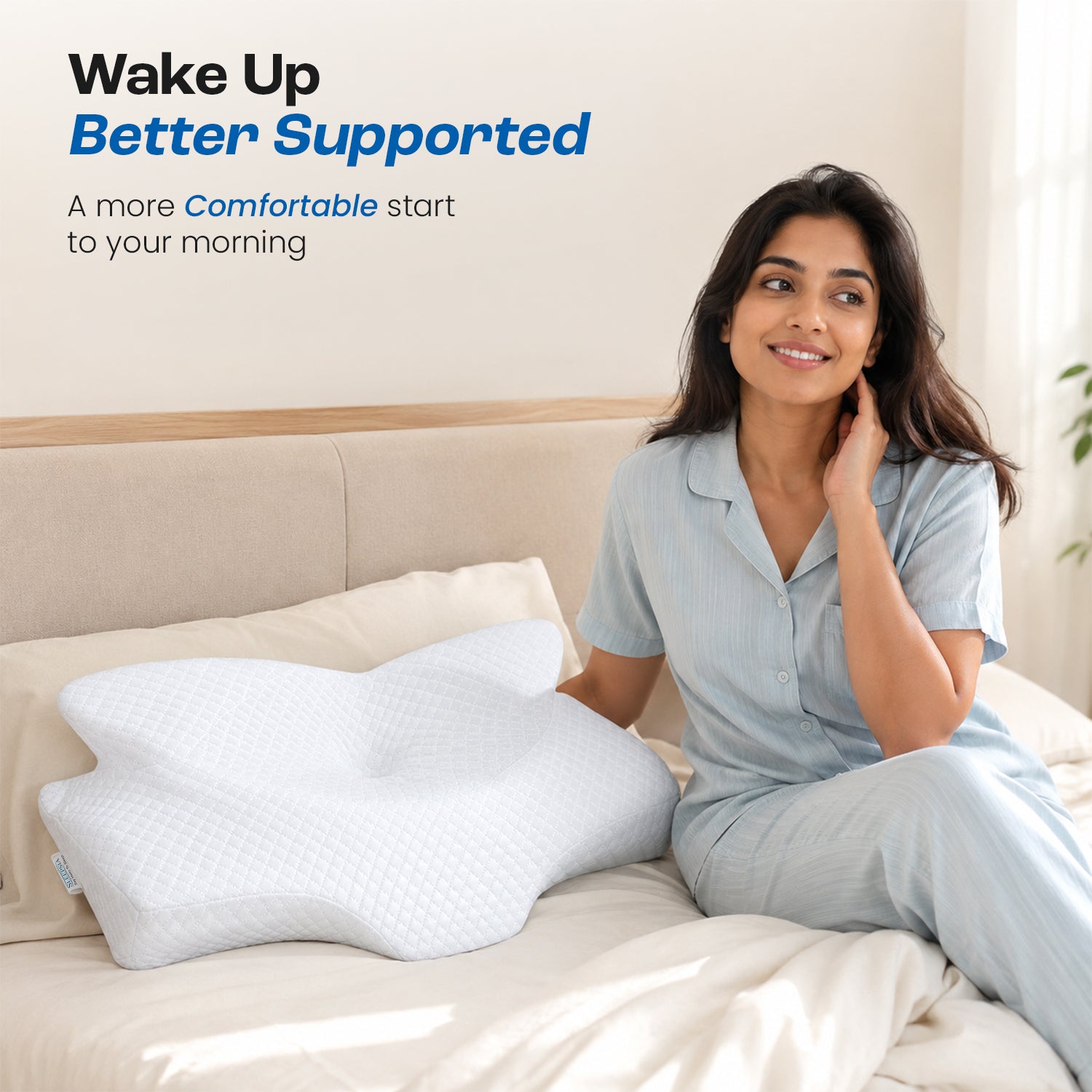


What Is a Cervical Pillow?
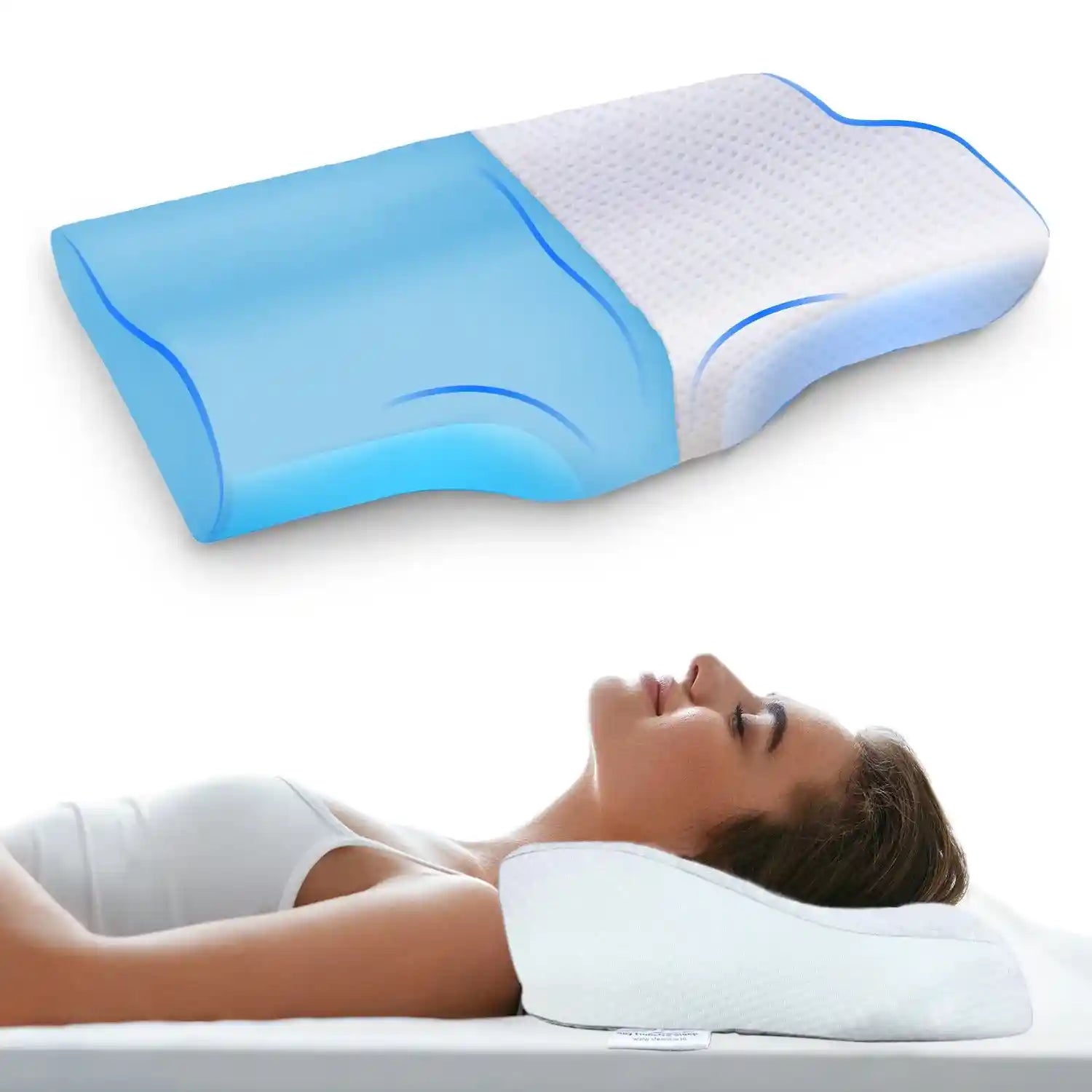
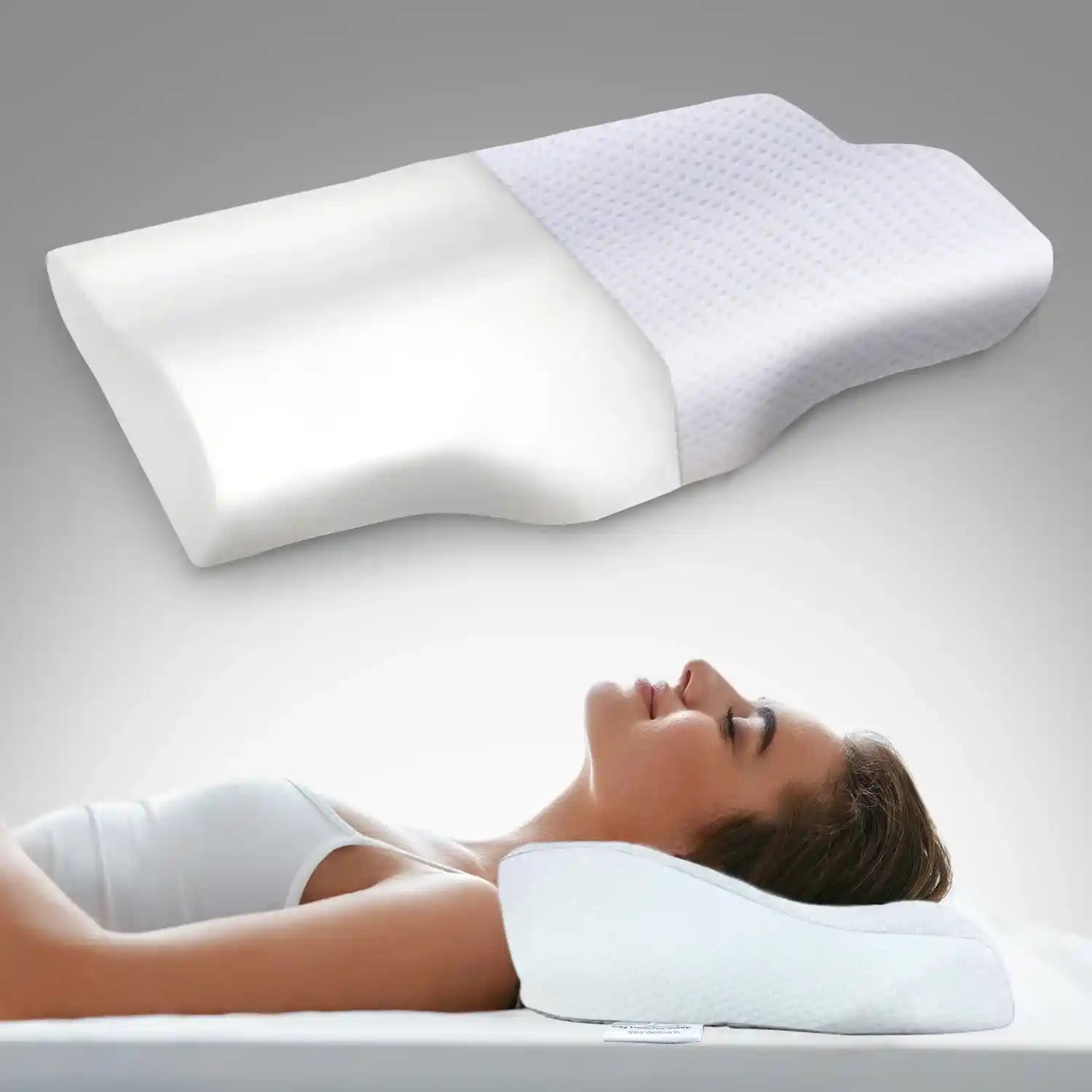
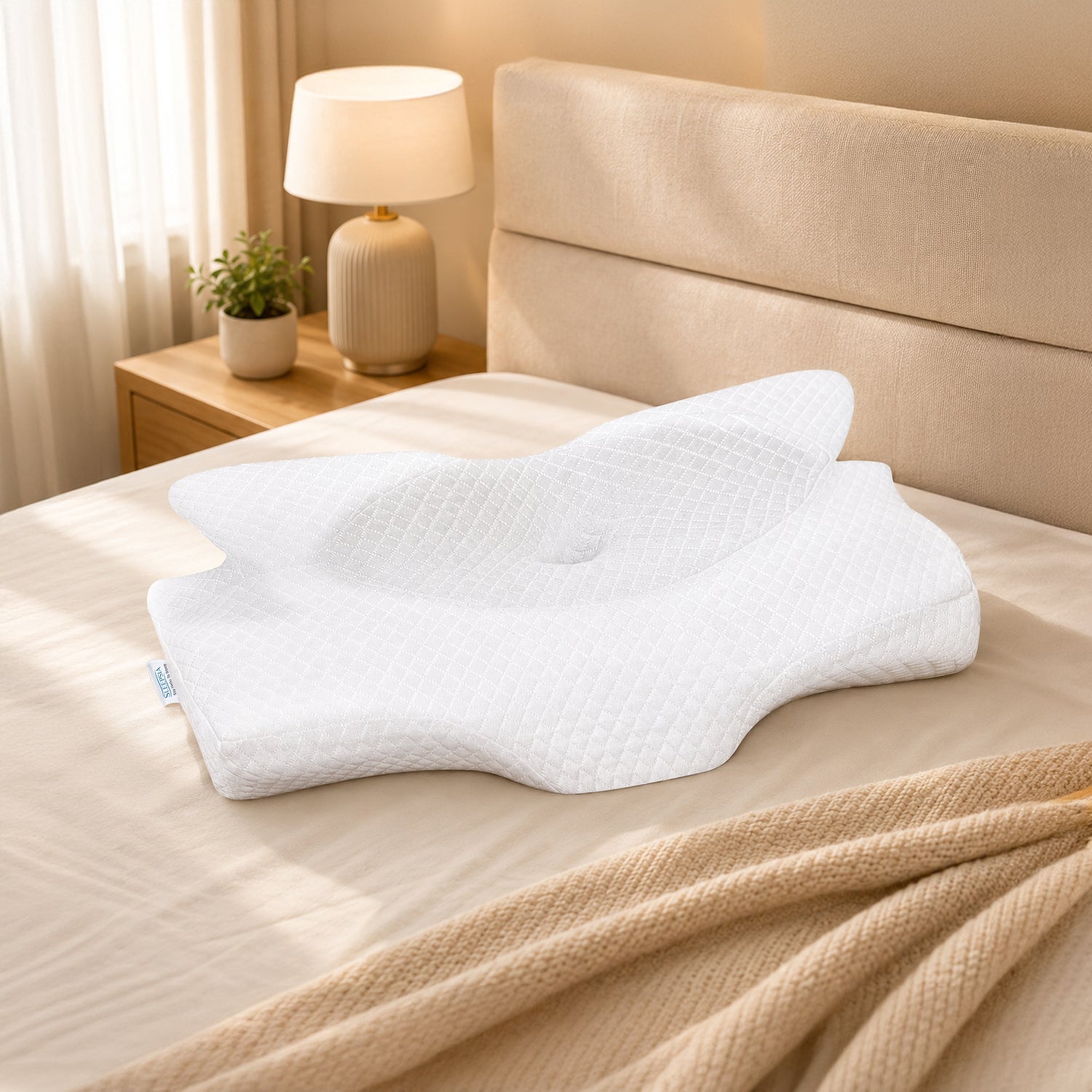
A cervical pillow is an orthopedic pillow specially designed to support the natural curve of the cervical spine, helping maintain proper neck alignment and reduce strain during sleep. It usually features an ergonomic contour with raised edges and a central cavity that cradles your head while providing proper neck support.
Many cervical pillows are made from memory foam, which contours to your head and neck for personalized support.
Why Are Cervical Pillows Recommended for Neck Pain?
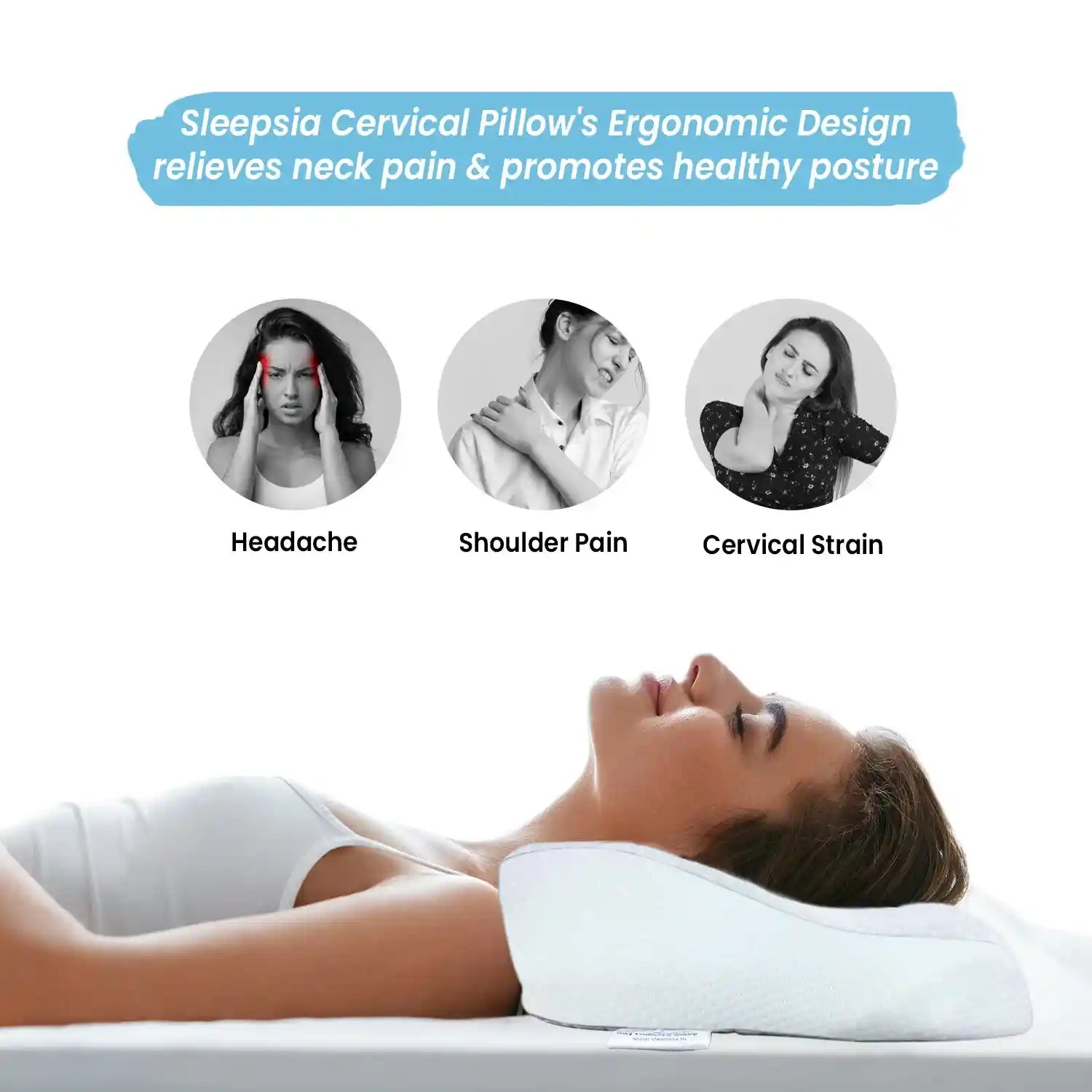
Doctors often recommend cervical pillows because they help maintain a neutral sleeping position. When your neck remains properly aligned with your spine, the muscles can relax instead of working throughout the night to support your head.
Doctors commonly recommend cervical pillows because they:
- Supports the natural curve of the cervical spine
- Reduces pressure on neck muscles
- Improves spinal alignment
- Minimizes muscle strain
- Reduces morning stiffness
- Encourages healthy sleeping posture
- Improves sleep quality
A supportive pillow cannot cure medical conditions, but it may help relieve neck pain caused by poor sleeping posture.
What Is Neck Pain?
Neck pain is a common condition that affects the muscles, ligaments, joints, nerves, or bones of the cervical spine. It can range from mild discomfort to severe pain that limits your ability to move your head. Neck pain may develop suddenly after an injury or gradually due to poor posture, repetitive movements, or age-related changes in the spine.
Healthcare professionals generally classify neck pain into two types:
- Acute neck pain: Lasts for a few days to a few weeks and is often caused by muscle strain or poor sleeping posture.
- Chronic neck pain: Persists for more than three months and may be linked to underlying conditions such as cervical spondylosis, arthritis, or nerve compression.
Poor sleeping posture and inadequate neck support are common contributors to neck pain.
Common Symptoms of Neck Pain
The symptoms of neck pain can vary depending on the underlying cause. While some people experience occasional stiffness, others may have persistent discomfort that interferes with daily activities and sleep.
Common symptoms include:
- Pain or stiffness in the neck
- Difficulty turning or tilting the head
- Pain that spreads to the shoulders or upper back
- Muscle tightness or spasms
- Headaches that start at the base of the skull
- Pain after sleeping or sitting for long periods
- Reduced range of motion
- Tingling, numbness, or weakness in the arms or hands
If your symptoms continue to worsen or are accompanied by weakness, numbness, or severe pain, it is important to consult a healthcare professional for a proper evaluation.
Common Causes of Neck Pain
Neck pain can develop for many different reasons. Understanding the underlying cause of neck pain can help you choose the right treatment and support.
Poor Sleeping Posture
Sleeping with your neck bent too high or too low puts extra pressure on the muscles and joints, increasing the risk of stiffness and discomfort. A cervical butterfly pillow helps keep your neck in a neutral position, reducing strain on the muscles and joints.
Using the Wrong Pillow
A pillow that is too soft, too firm, or too high may force your neck into an unnatural position for several hours. Replacing it with a supportive cervical pillow may improve comfort and help maintain proper neck alignment.
Long Hours at a Desk
Working on computers or using smartphones for extended periods can strain the neck muscles.
Muscle Tension
Stress often causes neck muscles to tighten, leading to pain and stiffness. Using a supportive pillow allows the neck muscles to relax during sleep, helping reduce stiffness and discomfort.
Age-Related Changes
Conditions like cervical spondylosis become more common with age. While a pillow cannot treat arthritis, proper neck support may help reduce strain during sleep.
How Cervical Pillows Support Proper Spinal Alignment
One of the main reasons doctors recommend cervical pillows is their ability to maintain proper spinal alignment throughout the night.
Maintains the Natural Curve of the Neck
The ergonomic contour supports the cervical spine without forcing it into an uncomfortable position. This helps maintain the natural curve of your neck throughout the night.
Distributes Pressure Evenly
Instead of placing pressure on a single point, a cervical pillow spreads the weight of your head evenly across the surface. This helps reduce pressure points and muscle tension.
Supports Side and Back Sleepers
Most cervical pillows are designed for both back and side sleepers, helping keep the head, neck, and spine properly aligned regardless of sleeping position.
Reduces Muscle Fatigue
Proper support allows the neck muscles to relax instead of constantly working to hold the head in place. This can reduce soreness and stiffness after waking up.
Benefits of Using a Cervical Pillow for Neck Pain
Here are some benefits of using a cervical pillow for neck pain:
Relieves Neck Pain
A cervical pillow supports the neck's natural position, helping reduce muscle tension and discomfort during sleep.
Improves Sleep Quality
With less pain and fewer pressure points, you are less likely to wake up during the night, resulting in deeper and more restful sleep.
Prevents Morning Stiffness
Proper spinal alignment reduces stress on the neck and shoulder muscles, helping you wake up feeling refreshed.
Supports Better Posture
Sleeping with the correct neck alignment complements healthy posture during the day.
Reduces Shoulder Pain
Many people with neck pain also experience shoulder discomfort. Proper neck support can reduce strain on both areas.
May Help Reduce Tension Headaches
Some tension headaches are caused by tight neck muscles. A cervical pillow may help reduce muscle tension that contributes to these headaches.
Provides Long-Lasting Support
A high-quality cervical pillow retains its shape over time, providing reliable support for your head and neck night after night.
Treatment for Neck Pain
The right treatment for neck pain depends on its cause and severity. Mild neck pain caused by poor posture or inadequate neck support often improves with simple lifestyle changes, while chronic or severe cases may require medical care.
Common treatment options include:
Use Proper Neck Support
Using a high-quality cervical pillow helps keep your head, neck, and spine properly aligned throughout the night. This reduces unnecessary pressure on the neck muscles and supports better sleep posture.
Apply Heat or Cold Therapy
A cold pack may help reduce inflammation after an injury, while a warm compress can relax tight muscles and improve blood circulation.
Perform Gentle Neck Exercises
Simple stretching and strengthening exercises recommended by a physiotherapist can improve flexibility, reduce stiffness, and support long-term neck health.
Maintain Proper Posture
Keeping your head aligned with your shoulders while working, reading, or using electronic devices helps reduce strain on the cervical spine.
Physical Therapy
For persistent neck pain, a physical therapist may recommend targeted exercises, posture correction techniques, and manual therapy to improve mobility and reduce discomfort.
Medications
Over-the-counter pain relievers or anti-inflammatory medications may provide temporary relief. However, they should only be used as directed or under the guidance of a healthcare professional.
Preventive Tips to Reduce Neck Pain
Preventing neck pain is often easier than treating it. Small daily habits can significantly reduce stress on your neck and improve your spinal health over time.
- Sleep on your back or side instead of your stomach.
- Use a supportive cervical pillow that maintains the natural curve of your neck.
- Replace old or flattened pillows regularly.
- Maintain good posture while sitting, standing, and walking.
- Position your computer monitor at eye level.
- Avoid looking down at your phone for extended periods.
- Take regular breaks if you work at a desk for long hours.
- Perform gentle neck and shoulder stretches throughout the day.
- Stay physically active and perform regular neck and shoulder exercises to strengthen your muscles and improve flexibility.
Who Should Use a Cervical Pillow?
A cervical pillow may be beneficial for:
- People who wake up with neck pain or stiffness
- People who spend long hours sitting or working at a desk.
- Side and back sleepers
- People with poor sleeping posture
- Frequent travelers experiencing neck discomfort
- Seniors looking for additional neck support
If you have severe neck injuries, recent surgery, or persistent pain, consult your healthcare provider before changing your pillow.
Tips for Choosing the Best Cervical Pillow
- Choose the right height: The pillow should keep your head and neck in a neutral position.
- Opt for memory foam: It provides consistent support and contours to your neck.
- Consider your sleeping position: Select a pillow designed for side or back sleeping based on your preference.
- Look for breathable materials: A cooling, breathable cover helps prevent heat buildup.
- Pick a washable cover: A removable cover makes cleaning and maintenance easier.
- Choose a durable pillow: Invest in a pillow that retains its shape and support over time.
Precautions and Common Mistakes to Avoid
- Avoid the wrong pillow height: A pillow that is too high or too low can strain your neck.
- Don't expect instant relief: It may take one to two weeks for your body to adjust.
- Avoid poor sleeping positions: Sleeping on your stomach or with your neck twisted can reduce the pillow's effectiveness.
- Seek medical advice for persistent pain: Consult a healthcare professional if your neck pain continues or worsens despite using a contour cervical pillow.
When to See a Doctor?
Most cases of mild neck pain improve with proper rest, gentle stretching, and good sleeping support. However, if your pain lasts for more than two weeks, becomes severe, or keeps returning, it is important to consult a healthcare professional. You should also seek medical attention if your neck pain is accompanied by numbness, tingling, weakness in the arms or hands, difficulty moving your neck, or pain following an injury. Additionally, symptoms such as fever, unexplained weight loss, or persistent headaches along with neck pain may indicate an underlying medical condition that requires prompt evaluation. While a cervical pillow can help relieve discomfort caused by poor sleeping posture, it should not replace professional medical care for persistent or severe neck pain.
Conclusion
Doctors often recommend cervical pillows because they help maintain proper spinal alignment, reduce pressure on the neck muscles, and support a healthy sleeping posture. While a cervical pillow is not a cure for underlying medical conditions, it can be an effective solution for relieving everyday neck discomfort caused by poor sleeping posture or inadequate support. Choosing the right pillow and using it consistently can improve sleep quality, reduce morning stiffness, and help you wake up feeling refreshed.
Looking for better neck support? Try the Sleepsia Cervical Pillow with Cooling Gel, designed with premium memory foam and an ergonomic contour to provide lasting comfort, proper neck support, and a restful night's sleep.
FAQs
Q1: Why do doctors recommend cervical pillows for neck pain?Ans: Doctors recommend cervical pillows because they help maintain proper neck and spinal alignment, reducing muscle strain and improving sleep posture.
Q2: Can a cervical pillow cure neck pain?Ans: No. A cervical pillow cannot cure neck pain, but it may help relieve discomfort caused by poor sleeping posture and inadequate neck support.
Q3: How long does it take to get used to a cervical pillow?Ans: Most people adjust within one to two weeks. Mild discomfort during the adjustment period is normal.
Q4: Are cervical pillows suitable for side sleepers?Ans: Yes. Most cervical pillows are designed to support both side and back sleepers while maintaining proper spinal alignment.
Q5: Is a memory foam cervical pillow good for neck pain?Ans: Yes. A memory foam cervical pillow can help relieve neck pain by contouring to the shape of your head and neck, providing consistent support, and promoting proper spinal alignment during sleep.
Q6: Who should avoid using a cervical pillow?Ans: People recovering from recent neck surgery or those with severe neck conditions should consult their healthcare provider before using a cervical pillow.
Q7: How often should I replace my cervical pillow?Ans: A high-quality memory foam cervical pillow typically lasts between two and three years, depending on its quality and usage.
Gomukhasana (Cow Face Pose): Benefits, Steps, and Stretching Guide
Benefits of Konasana (Sideways Bending Pose) & How to Do It
Recent Posts

Winter Sleep Essentials: Layering Bedsheets and Nightwear

Frozen Shoulder & Nighttime Pain: Pillow Positioning Tips

Benefits of Paschimottanasana (Seated Forward Bend Pose) & How to Practice It

Long Pillow for Bed: Benefits & Who Should Use One

Double Bed Sheet with Pillow Cover: How to Choose the Right Bedding Set

Benefits of Janu Shirasana (One-Legged Forward Bend Pose) & How to Practice It

Back Support Pillow for Office: Why It Matters for Long Sitting

