

Is Lumbar Support Necessary for an Office Chair? Benefits & Guide
Many people spend six to eight hours or more sitting at a desk every day. Whether you work from home or in an office, sitting for long periods can put extra pressure on your lower back. Over time, this can lead to poor posture, muscle fatigue, stiffness, and back discomfort. This is why lumbar support has become an important feature in modern office chairs. It is designed to support the natural curve of your lower back, helping you maintain better posture and stay comfortable for longer. It can also reduce the strain that builds up from sitting for hours.
But is lumbar support really necessary for an office chair? For most people, the answer is yes. While it won't treat every type of back pain, it can help support your lower back, improve your sitting posture, and make long hours at your desk more comfortable.
In this article, we'll explain what lumbar support is, why it's important, how it works, its benefits, and how to choose the right office chair for better lower back support.
Recommended Products



What Is Lumbar Support?
Lumbar support is the part of a chair that supports your lower back, also known as the lumbar spine. Your lower back has a natural inward curve that helps keep your spine properly aligned and supports your body while sitting and standing. When you sit for long hours without enough lower back support, you may start to slouch. This can reduce the natural curve of your spine and put extra pressure on your muscles, ligaments, and spinal discs. Over time, it may lead to poor posture, stiffness, and lower back discomfort.
Lumbar support fills the gap between your lower back and the chair’s backrest. It helps maintain the natural curve of your spine, reduces pressure on your lower back, and makes sitting for long periods more comfortable.
Benefits of Using Lumbar Support in an Office Chair
Many people believe that lumbar support is only for those who already have back pain. However, anyone who sits for long hours can benefit from proper lower back support. It helps maintain good posture, reduces pressure on the lower back, and makes sitting more comfortable throughout the day.
Here are some of the key reasons why lumbar support is an important feature in an office chair.
Helps Maintain the Natural Curve of Your Spine
Your lower back has a natural inward curve that helps keep your spine properly aligned. Sitting for long hours without support can flatten this curve, especially if you start to slouch. Lumbar support fills the gap between your lower back and the chair, helping maintain your spine's natural shape and promoting a healthier sitting position.
Encourages Better Sitting Posture
Poor posture usually develops slowly. You may start the day sitting upright but gradually lean forward or slide down in your chair without realizing it. A properly positioned lumbar support encourages you to sit upright and avoid slouching during long hours of sitting. Better posture can also reduce unnecessary tension in the neck, shoulders, and upper back.
Reduces Pressure on the Lower Back
When your lower back is unsupported, your muscles must constantly work to stabilize your spine. After several hours of sitting, this continuous effort may lead to muscle fatigue and discomfort. Lumbar support helps reduce the workload on your lower back muscles by providing proper support, reducing stress on the muscles and soft tissues.
Improves Comfort During Long Hours of Sitting
Comfort is one of the biggest reasons people choose office chairs with lumbar support. With proper lumbar support, you can sit more comfortably for longer periods without constantly changing your position while working, studying, or attending meetings. Although taking regular breaks is still important, proper support makes sitting much more comfortable.
Supports an Ergonomic Workspace
Ergonomics focuses on designing workspaces that fit the human body. Lumbar support is one of the key components of an ergonomic office chair because it supports healthy spinal alignment while sitting. When combined with the correct chair height, desk height, and monitor position, lumbar support contributes to a more comfortable workstation.
Helps Reduce Muscle Fatigue
When your lower back is properly supported, your muscles may not have to work as hard to help you maintain an upright sitting position. This may reduce muscle fatigue and help you stay comfortable throughout the day.
Improves Productivity and Focus
It's difficult to stay focused when you're constantly shifting in your chair because of discomfort. Proper lumbar support creates a more comfortable sitting position, allowing you to concentrate better on your work.
Supports Long-Term Back Health
Using lumbar support regularly can help you maintain better sitting posture and reduce unnecessary strain on your lower back. While it isn't a treatment for back pain, it can support long-term spinal health when combined with good posture and regular movement.
How Does Lumbar Support Work?
Lumbar support works by filling the gap between your lower back and the chair’s backrest. Without this support, your lower back may lose contact with the chair, leaving the muscles responsible for maintaining posture to do all the work.
When lumbar support is positioned correctly:
- The lower back stays supported.
- The spine remains closer to its natural alignment.
- Muscle fatigue is reduced.
- Sitting feels more stable.
- Pressure is distributed more evenly across the back.
Some office chairs have fixed lumbar support, while others allow you to adjust its height or depth so it better fits your body. Adjustable lumbar support usually provides a more personalized sitting experience because every person's spinal curve is slightly different.
What Happens When You Sit Without Lumbar Support?
The effects of sitting without proper lumbar support may not be noticeable immediately However, sitting in the wrong position for long hours can gradually put extra strain on your lower back. Over time, this may lead to discomfort and poor sitting habits.
Here are some common problems you may experience:
Slouching
Without proper lower back support, it's easier to slouch or lean forward while sitting. This can affect your posture and place extra stress on your spine.
Muscle Fatigue
When your lower back isn't supported, the muscles around your spine have to work harder to keep you sitting upright. This can make your back feel tired after long hours of sitting.
Lower Back Stiffness
Sitting in the same unsupported position for a long time can make your lower back feel stiff and uncomfortable. You may notice this when you stand up after working for several hours.
Increased Pressure on the Spine
Poor sitting posture can increase pressure on your lower spine, spinal discs, and surrounding muscles. Over time, this extra strain may lead to ongoing lower back discomfort.
Frequent Position Changes
If your chair doesn't provide enough lumbar support, you may find yourself constantly changing your sitting position to stay comfortable. While changing positions occasionally is normal, doing it repeatedly because of discomfort may be a sign that your chair isn't supporting your lower back properly.
Who Benefits the Most from Lumbar Support?
Although lumbar support is useful for almost everyone, it is especially beneficial for people who spend a large portion of their day sitting.
These include:
- Office employees
- Remote workers
- Students
- Gamers
- Designers and programmers
- Accountants
- Customer support professionals
- Drivers who spend long hours behind the wheel
Anyone who remains seated for several hours each day can benefit from improved lower back support.
Does Everyone Need Lumbar Support?
Lumbar support can benefit almost everyone, but it is especially important for people who spend long hours sitting each day. If you work at a desk, study, drive for extended periods, or spend a lot of time in front of a computer, the right gel back support cushion can make sitting more comfortable and help you maintain better posture.
If you only sit for short periods, you may not notice a significant difference. However, people who spend several hours sitting without regular breaks are more likely to benefit from lumbar support.
You will need lumbar support if you:
- Spend 6 or more hours sitting each day
- Often experience lower back stiffness or discomfort after sitting
- Notice that you frequently slouch while working
- Constantly adjust your sitting position to stay comfortable
- Want to improve your sitting posture and reduce strain on your lower back
Even without back pain, proper lumbar support can help you maintain better sitting habits.
Common Mistakes When Using Lumbar Support
Using lumbar support correctly is just as important as choosing the right lumbar support Even the best office chair or lumbar support cushion may not provide the desired comfort if it's not positioned properly.
Here are some common mistakes to avoid:
- Place the lumbar support at the natural curve of your lower back to provide proper support.
- Sit all the way back in your chair so your lower back stays in contact with the backrest.
- Avoid sitting in the same position for long periods; take a short break every 30 to 60 minutes.
- Adjust your chair's height, backrest, and armrests to fit your body.
- Avoid slouching or leaning forward while working.
- Use lumbar support along with good posture and an ergonomic workspace for better results.
Additional Tips for Healthy Sitting
Lumbar support works best when combined with good sitting habits.
Here are some simple tips:
- Keep both feet flat on the floor.
- Sit with your hips fully against the backrest.
- Keep your shoulders relaxed.
- Avoid leaning forward toward your screen.
- Position your monitor at eye level.
- Keep your keyboard and mouse within easy reach.
- Change your sitting position occasionally.
- Take regular standing and stretching breaks.
- Stay physically active outside working hours.
Remember that no chair can replace regular movement. Taking short breaks throughout the day is one of the best ways to reduce the effects of prolonged sitting.
Conclusion
If you spend long hours at a desk, lumbar support can help you sit more comfortably and maintain better posture. It supports the natural curve of your lower back, which may help reduce strain and discomfort. For better results, use proper lumbar support along with an ergonomic workspace and regular movement.
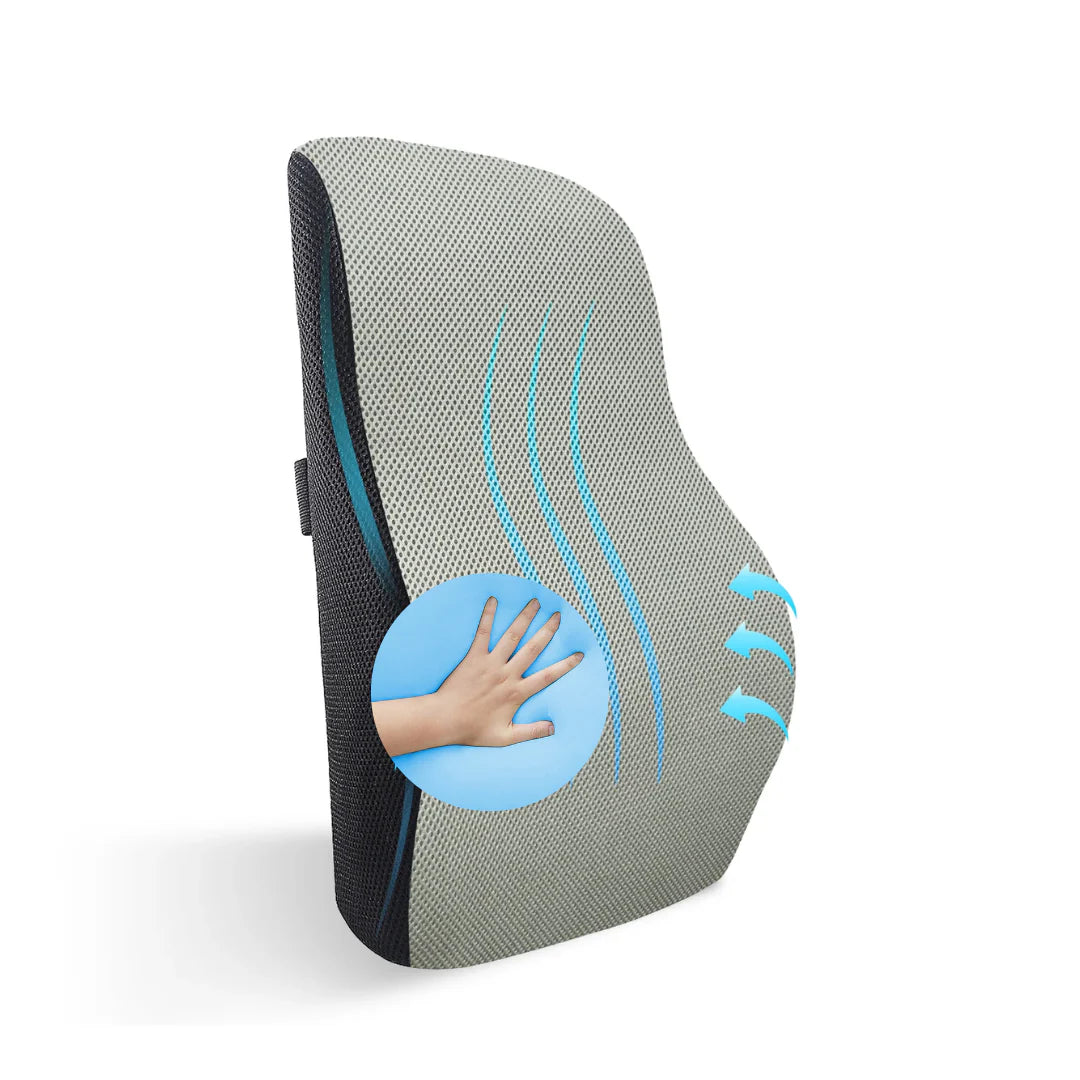
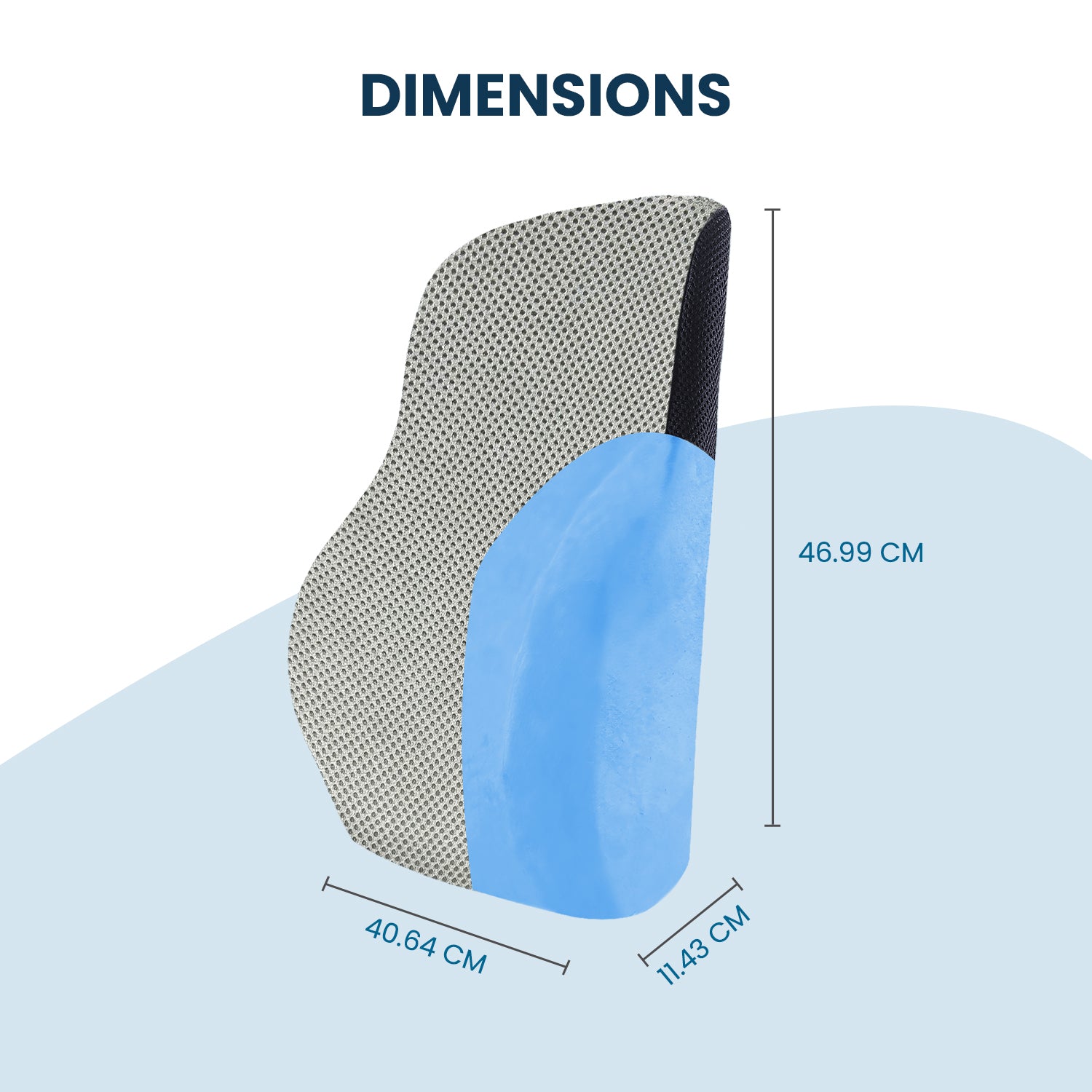
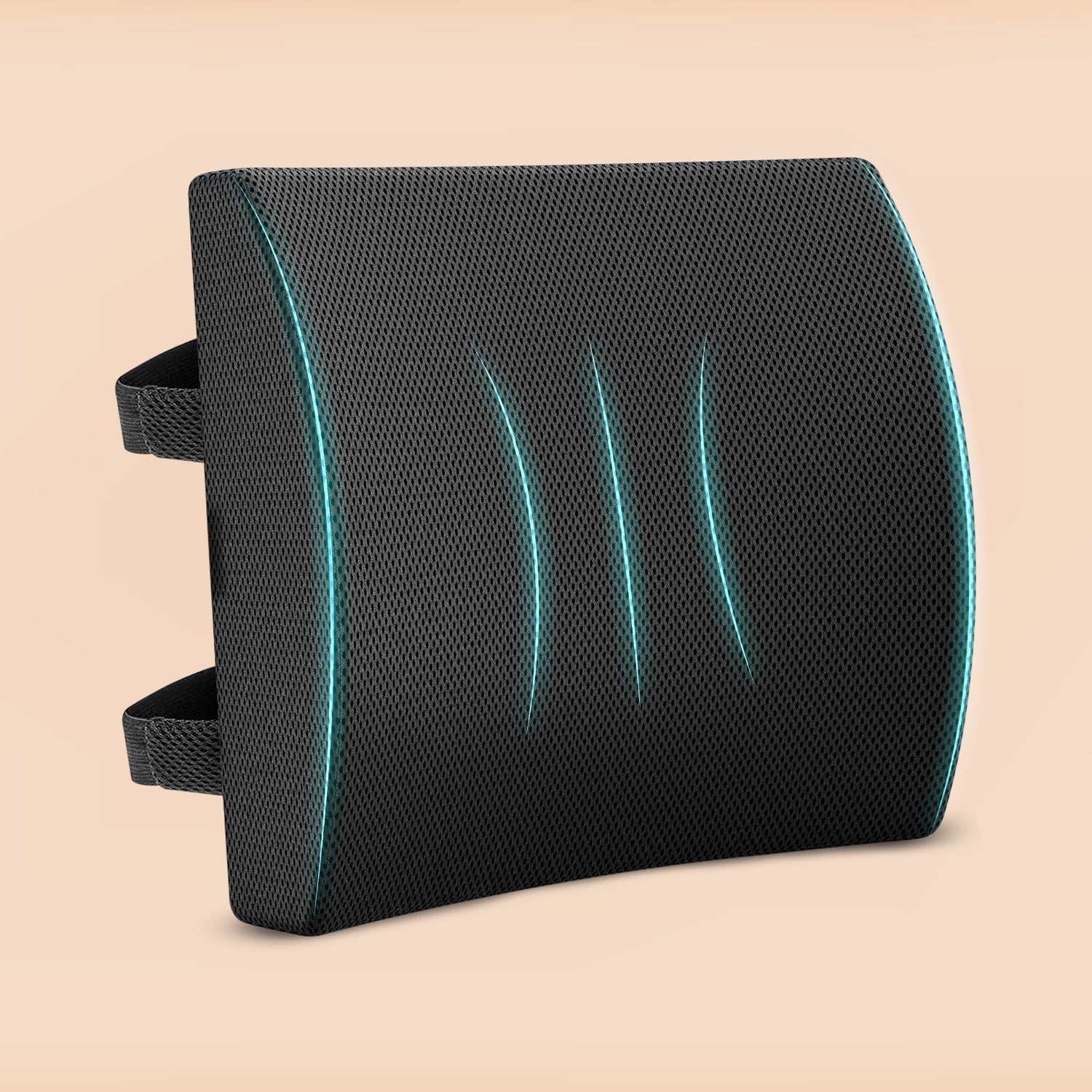
If your office chair lacks proper lumbar support, adding a quality lumbar support cushion can improve comfort and help maintain better sitting posture. Sleepsia's Lumbar Support Pillow is designed with ergonomic memory foam to support the natural curve of your spine, helping you sit more comfortably whether you're working at your desk, driving, or studying. Explore Sleepsia's collection of ergonomic support products and create a healthier, more comfortable seating experience every day.
FAQs
Q1: How should lumbar support be positioned on an office chair?Ans: Lumbar support should fit comfortably into the natural curve of your lower back, just above your waistline. It should provide gentle support without pushing your back too far forward.
Q2: Can lumbar support improve work productivity?Ans: Yes. Sitting comfortably with proper lower back support can reduce discomfort and the need to constantly adjust your posture, making it easier to stay focused during long work sessions.
Q3: Is lumbar support suitable for people of different heights?Ans: Yes, but adjustable lumbar support is the best option because it can be positioned to match different body sizes and spinal curves. If your chair doesn't have adjustable support, a lumbar support cushion can offer a customized fit.
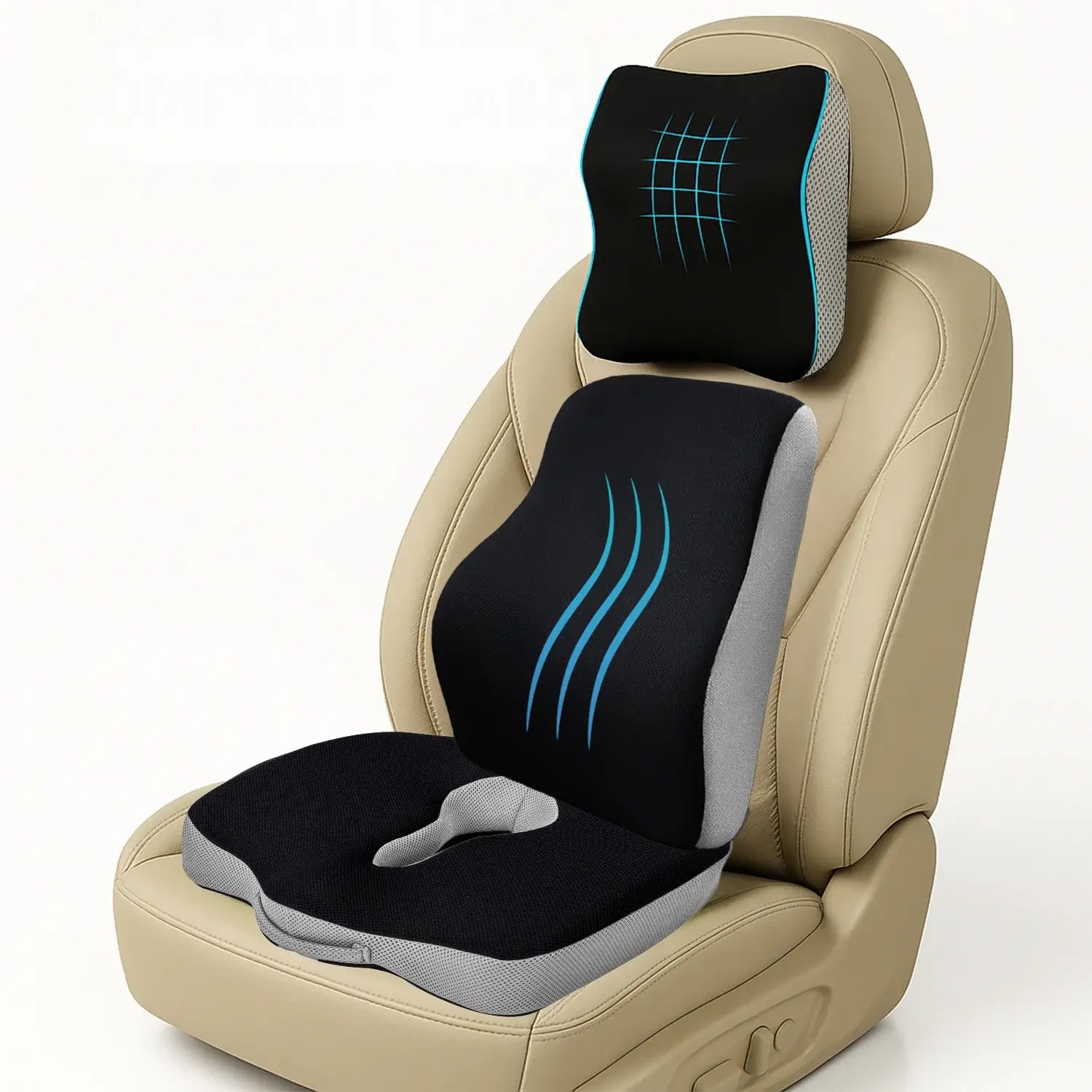
Q4: Can I use a lumbar support pillow on chairs other than office chairs?Ans: Absolutely. Lumbar support pillows can be used on car seats, dining chairs, wheelchairs, and even while traveling. They provide additional lower back support wherever you spend long periods sitting.
Q5: How do I know if my office chair needs additional lumbar support?Ans: If you often experience lower back stiffness, find yourself slouching, or feel uncomfortable after sitting for a while, your chair may not be providing enough lower back support. Adding a lumbar support cushion can improve comfort and posture.
Q6: Can lumbar support be used with a standing desk?Ans: Yes. If you switch between sitting and standing at a height-adjustable desk, lumbar support can help you maintain better posture while sitting and create a more ergonomic workspace.
Benefits of Hastapadasana (Standing Forward Bend Pose) & How to Do It
Benefits of Ardha Chakrasana (Standing Backward Bend Pose) & How to Do It
Recent Posts

How Does an Aroma Diffuser Make Your Home Smell Better?

Queen Size Bedsheet Buying Guide: Size, Fabric & Fit Explained

Benefits of Marjariasana (Cat Stretch Pose) & How to Practice

How to Choose the Right Double Bedsheet Size for Your Mattress

Why Does a Cotton Bedsheet Feel Better in Summer? Benefits of Breathable Fabric

Helping Kids Sleep Through the Night: A Parent's Guide

Sleep Solutions for Seniors: Managing Arthritis & Joint Pain at Night

