

How Lumbar Support Maintains Natural Spinal Alignment
If you've ever stood up after sitting for hours with a stiff or aching lower back, you're not alone. Whether you're working at a desk, driving long distances, or spending hours studying, prolonged sitting can gradually affect your posture and put extra strain on your spine. Over time, this may lead to symptoms such as lower back pain, muscle fatigue, stiffness, and difficulty maintaining an upright sitting position. One of the main reasons this happens is that sitting without proper lumbar support causes the natural inward curve of the lower back to flatten. Poor posture, an unsupportive chair, and long periods of sitting further increase the stress on your spinal discs and surrounding muscles.
Lumbar support helps maintain the natural curve of the lower back, promotes proper spinal alignment, and improves comfort during prolonged sitting.
In this article, we'll explain how lumbar support maintains natural spinal alignment, what causes poor spinal alignment while sitting, the signs that indicate you may need lumbar support, and practical tips to choose and use it correctly for better posture and everyday comfort.
Recommended Products

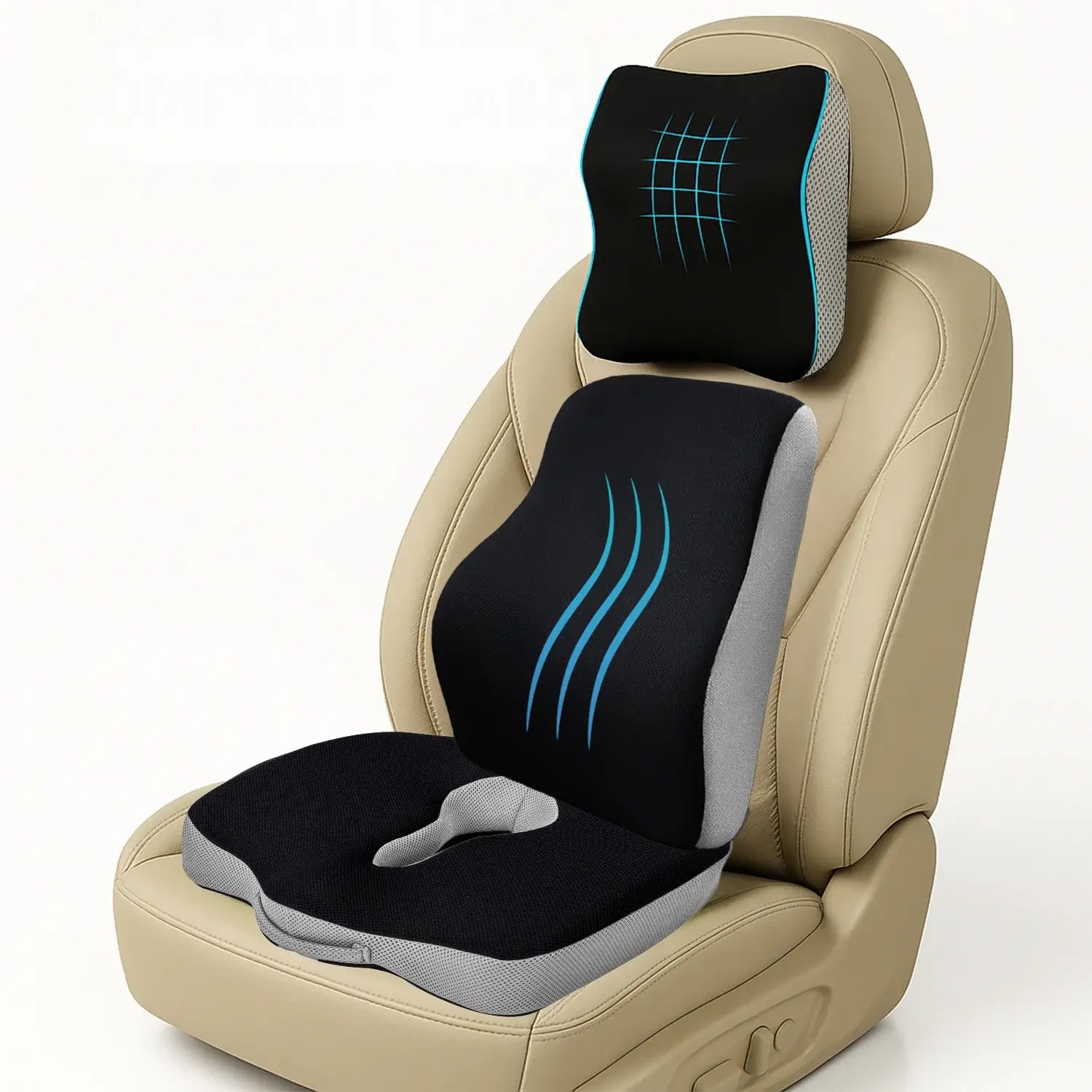


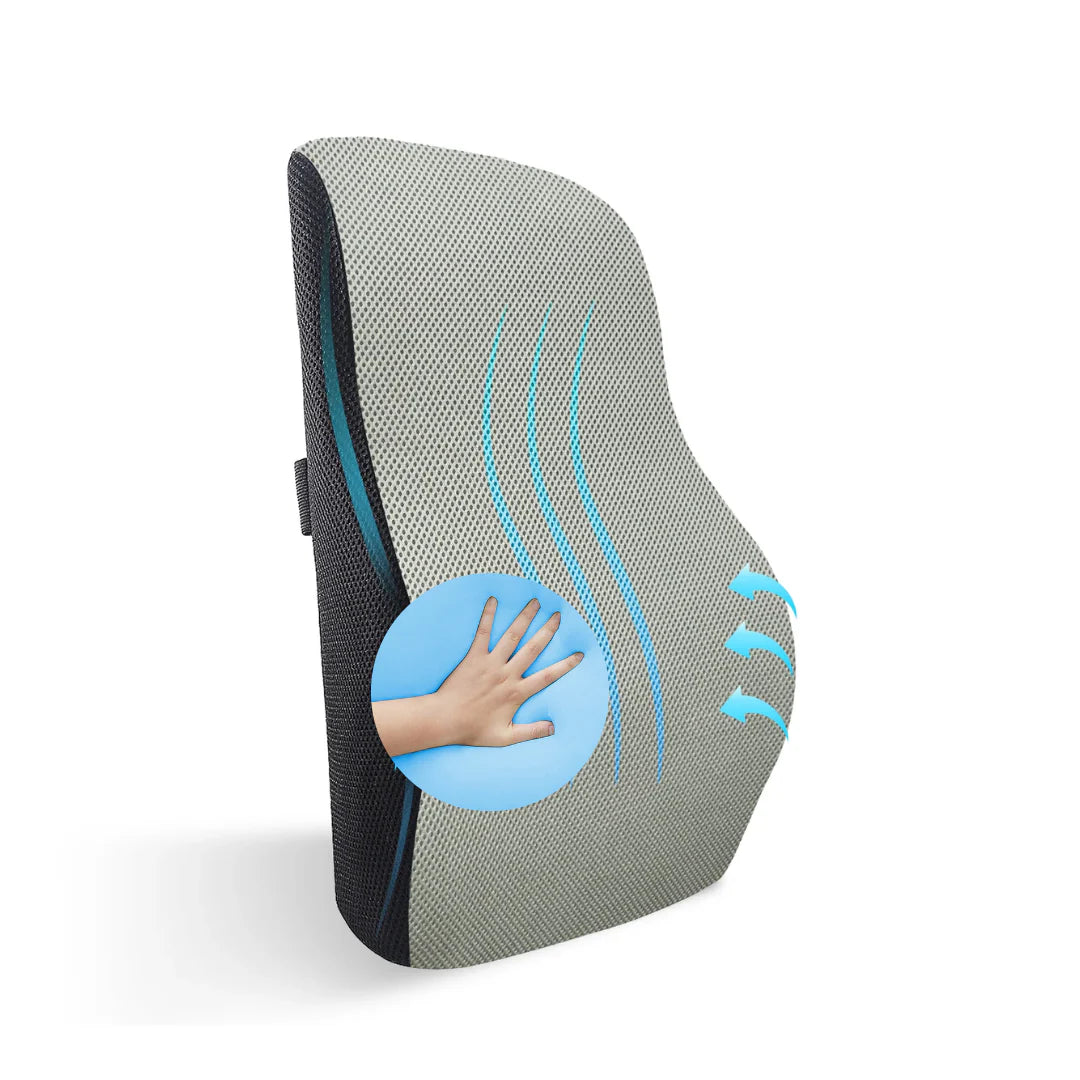
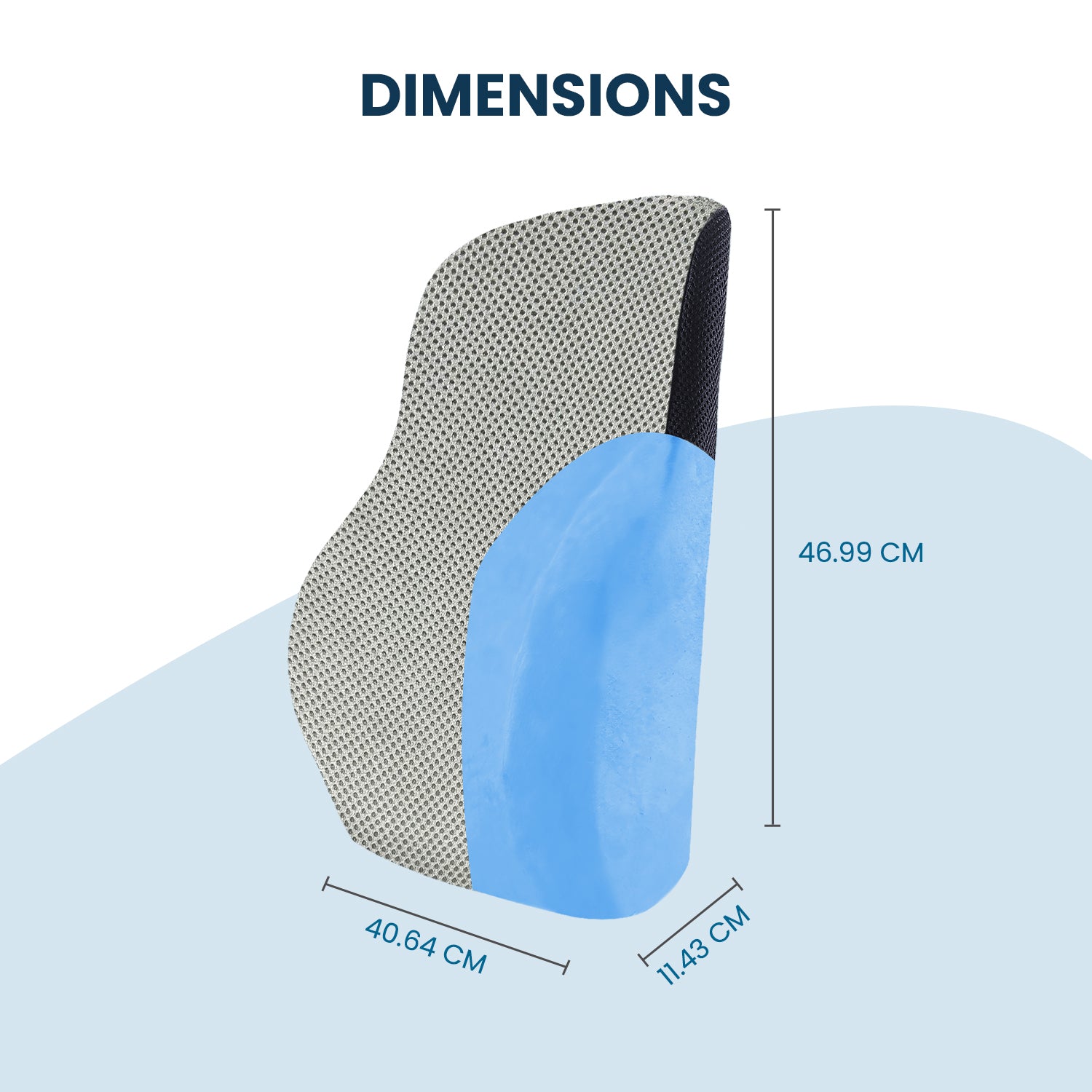
6 Ways Lumbar Support Helps Maintain Natural Spinal Alignment
Lumbar support works by filling the gap between your lower back and the chair. Without this support, many people naturally slide forward or slouch, causing the pelvis to tilt backward. As a result, the lumbar curve flattens, and the spine moves out of its neutral position. Lumbar support helps prevent this by encouraging a healthier sitting posture. Below are 6 ways lumbar support helps maintain natural spinal alignment.
1. Supports the Natural Curve of the Lower Back
The lumbar spine naturally has a gentle inward curve, known as lumbar lordosis, which helps distribute body weight evenly and absorb shock during movement. However, sitting for long periods without proper support can flatten this curve, placing extra stress on the lower back.
A properly designed lumbar support cushion fills the gap between your lower back and the chair, helping preserve the spine's natural curve. By maintaining this alignment, it reduces unnecessary strain on the vertebrae, muscles, and ligaments while supporting a healthier sitting posture.
2. Promotes Better Sitting Posture
Poor posture often begins with the position of the pelvis. When you slouch, the pelvis tilts backward, causing the lumbar curve to flatten. This misalignment can lead to rounded shoulders, a forward head position, and increased strain on the neck and upper back.
Lumbar support helps keep the pelvis in a neutral position, allowing the spine to maintain its natural S-shaped alignment. As a result, your shoulders remain relaxed, your chest stays open, and your head aligns properly over your spine, making it easier to sit with good posture.
3. Reduces Pressure on Spinal Discs
The spinal discs act as shock absorbers between the vertebrae, cushioning the spine during everyday activities. When you sit with poor posture or slouch, uneven pressure is placed on these discs, especially in the lumbar region, which can contribute to discomfort over time.
By maintaining proper spinal alignment, lumbar support helps distribute pressure more evenly across the spinal discs. This reduces excessive loading on the lower back and supports healthier spinal mechanics during prolonged sitting.
4. Decreases Muscle Fatigue
Without adequate lower back support, the muscles surrounding your spine must work continuously to keep you upright. Over time, this constant effort can lead to muscle fatigue, stiffness, and discomfort, especially after long hours of sitting.
Gel back support cushion reduces the workload on these muscles by helping maintain the spine's natural alignment. With less effort required to stabilize your posture, your muscles can stay more relaxed, allowing you to sit comfortably for longer periods.
5. Encourages Healthy Weight Distribution
When your spine is properly aligned, your body weight is distributed more evenly across the hips, pelvis, and lower back. Poor posture, on the other hand, creates pressure points that can lead to discomfort and muscle strain.
Lumbar support promotes balanced weight distribution by supporting the lower back and helping maintain a neutral sitting position. This reduces localized pressure, improves overall comfort, and decreases stress on the spine during extended sitting.
6. Supports Longer Periods of Comfortable Sitting
Whether you're working at a desk, driving, studying, or traveling, sitting for long periods can place continuous stress on the lower back. Without proper support, maintaining good posture becomes increasingly difficult as muscles become tired.
Lumbar support minimizes strain by helping you maintain proper posture during prolonged sitting. As a result, many people experience greater comfort and less fatigue while sitting for extended periods. However, it's still important to stand, stretch, and move every 30 to 60 minutes to promote healthy circulation and spinal health.
Benefits of Using Lumbar Support
Regular use of lumbar support offers several benefits, especially for people who sit for long hours. By supporting the natural curve of your lower back, it helps reduce strain on the spine, promotes better body alignment, and makes everyday activities like working, driving, or studying more comfortable.
- Improved Posture: Supports the lower back and encourages proper spinal alignment while sitting.
- Reduced Lower Back Discomfort: Helps minimize pressure on the spine and may reduce posture-related back discomfort.
- Less Muscle Tension: Reduces the workload on your lower back muscles, helping prevent fatigue and stiffness.
- Better Workplace Comfort: Makes prolonged desk work more comfortable and can help improve focus and productivity.
- Improved Driving Comfort: Supports the lower back during long drives, helping maintain proper posture and reduce fatigue.
- Increased Sitting Endurance: Enhances sitting comfort for extended periods while reducing strain on the back.
Signs You May Need Lumbar Support
You may benefit from lumbar support if you experience:
- Lower back pain after sitting
- Frequent slouching
- Poor sitting posture
- Muscle stiffness after work
- Discomfort during long drives
- Back fatigue while working on a computer
- A noticeable gap between your lower back and your chair
- Difficulty maintaining an upright posture
What Causes Poor Spinal Alignment While Sitting?
Poor spinal alignment while sitting is usually caused by prolonged sitting habits and inadequate back support. When you sit without proper lumbar support, the natural inward curve of your lower back gradually flattens, causing the pelvis to tilt backward and the spine to move out of its neutral position. Over time, this can increase stress on the spinal discs, muscles, and ligaments, leading to discomfort and poor posture. Understanding these causes can help you take the right steps to protect your spine.
Some of the most common causes of poor spinal alignment while sitting include:
- Slouching or Hunching Forward: Sitting with rounded shoulders and a curved back places extra strain on the spine and weakens your posture over time.
- Lack of Lumbar Support: Chairs without proper lower back support fail to maintain the natural curve of the lumbar spine, increasing stress on the lower back.
- Sitting for Long Periods: Remaining seated for extended hours without changing positions can cause muscle fatigue and spinal compression.
- Poor Ergonomic Setup: A chair, desk, or computer that is not adjusted to your body can force you into awkward sitting positions.
- Weak Core and Back Muscles: Insufficient muscle strength makes it harder to maintain proper posture, increasing the likelihood of slouching.
- Incorrect Chair Height: A chair that is too high or too low can alter pelvic position and affect spinal alignment.
- Crossing Your Legs Frequently: Sitting with crossed legs for prolonged periods may contribute to uneven weight distribution and poor posture.
- Lack of Regular Movement: Staying in one position for too long without standing, stretching, or walking can increase stiffness and reduce spinal flexibility.
Why Is Maintaining Natural Spinal Alignment Important?
Proper spinal alignment affects much more than your posture. It influences how your entire musculoskeletal system functions.
A well-aligned spine helps:
- Distribute body weight evenly
- Reduce pressure on spinal discs
- Improve balance and stability
- Minimize muscle fatigue
- Support healthy movement
- Lower the risk of posture-related discomfort
When spinal alignment is compromised, muscles work harder to keep the body upright. Over time, this extra effort can lead to lower back pain, neck stiffness, shoulder tension, and poor posture habits.
How to Use Lumbar Support Correctly
Using lumbar support correctly is essential to maintain the natural curve of your spine and get the maximum benefits. Proper placement, good sitting posture, and regular movement help reduce strain on your lower back and improve overall comfort during prolonged sitting.
- Position It Correctly: Place the lumbar support in the natural curve of your lower back, not your upper back.
- Sit All the Way Back: Keep your hips against the backrest to ensure the support stays in contact with your lower back.
- Keep Both Feet Flat: Rest your feet flat on the floor or a footrest, with your knees at about a 90-degree angle.
- Adjust Chair Height: Keep your elbows at desk height and your shoulders relaxed while sitting.
- Maintain Good Posture: Sit upright and avoid slouching or leaning forward for long periods.
- Take Regular Breaks: Stand, stretch, or walk for a few minutes every 30–60 minutes to reduce muscle stiffness.
Choosing the Right Lumbar Support
Choosing the right lumbar support is essential for maintaining proper spinal alignment and ensuring lasting comfort. Since not all lumbar support cushions offer the same level of support, look for features that provide the right balance of comfort, stability, and ergonomic design.
- Ergonomic Shape: Choose a cushion that follows the natural inward curve of your lower back for optimal support.
- High-Quality Memory Foam: Memory foam contours to your body while providing consistent support without losing its shape.
- Breathable Cover: A breathable, removable cover helps improve airflow and keeps the cushion comfortable during extended use.
- Adjustable Strap: An adjustable strap keeps the lumbar support securely in place on office chairs, car seats, or other seating surfaces.
- Suitable Size: Select a lumbar support that fits your body and chair properly, as the right size helps maintain natural spinal alignment and prevents discomfort.
Common Mistakes to Avoid
To get the most benefit from lumbar support, avoid these common mistakes:
- Placing the cushion too high on the backrest
- Leaning forward for long periods
- Slouching despite using lumbar support
- Sitting without taking movement breaks
- Using an overly soft cushion that lacks proper support
- Ignoring overall workstation ergonomics
Preventive Tips for Maintaining a Healthy Spine
Maintaining a healthy spine requires more than just using lumbar support. Simple lifestyle habits and proper ergonomics can help reduce strain on your back, improve posture, and support long-term spinal health.
- Use Proper Lumbar Support to maintain the natural curve of your lower back.
- Maintain Good Posture by sitting upright with your feet flat on the floor.
- Take Movement Breaks every 30–60 minutes to stretch and walk.
- Strengthen Your Core with regular exercises to support your spine.
- Create an Ergonomic Workspace with a properly adjusted chair, desk, and monitor.
- Maintain a Healthy Weight to reduce stress on your lower back.
- Sleep on a Supportive Mattress that promotes proper spinal alignment.
- Lift Objects Safely by bending your knees instead of your back.
When Should You See a Doctor?
You should see a doctor if your back pain is persistent, severe, worsens over time, or does not improve despite using lumbar support and maintaining good posture. Seek immediate medical attention if you experience numbness, weakness, pain that radiates down your legs, or loss of bladder or bowel control, as these may indicate a more serious spinal condition. Early diagnosis can help identify the underlying cause and ensure timely treatment.
Conclusion
Maintaining proper spinal alignment is essential for good posture and long-term back health. Combined with healthy posture habits, regular movement, and an ergonomic workspace, lumbar support can help improve sitting comfort and reduce posture-related discomfort.
If you're looking for reliable lower back support, explore Sleepsia's range of ergonomic back support pillows. Designed with high-density memory foam, breathable fabric, and an ergonomic shape, Sleepsia lumbar pillows help maintain the natural curve of your spine, whether you're working at your desk, driving, or relaxing at home. Find the right lumbar support for your needs and enjoy better posture and all-day comfort.
FAQs
Q1: Can lumbar support improve posture over time?Ans: Yes, lumbar support can encourage better sitting posture by maintaining the natural curve of the lower back. When used consistently with proper ergonomic habits and regular exercise, it can help reduce slouching and promote healthier posture over time.
Q2: Is lumbar support suitable for all types of chairs?Ans: Most lumbar support cushions are designed to fit office chairs, dining chairs, wheelchairs, and car seats. Choosing a cushion with an adjustable strap helps keep it securely in place on different seating surfaces.
Q3: Can I use a lumbar support pillow while working from home?Ans: Yes. A lumbar support pillow is ideal for home office setups, especially if your chair lacks built-in lower back support. It helps improve sitting comfort and reduces strain during long work hours.
Q4: Should lumbar support touch my back at all times?Ans: Yes. For maximum effectiveness, the lumbar support should remain in contact with the natural curve of your lower back while you're sitting. This helps maintain proper spinal alignment throughout the day.
Q5: Is lumbar support only for people with back pain?Ans: No. Lumbar support is beneficial for anyone who sits for extended periods, even if they don't have back pain. It helps maintain proper posture, reduces strain on the spine, and may help prevent posture-related discomfort.
Q6: How long does it take to get used to a lumbar support cushion?Ans: Some people feel comfortable immediately, while others may need a few days to adjust. If the cushion feels uncomfortable at first, ensure it is positioned correctly and give your body time to adapt.
Q7: Can lumbar support be used while traveling?Ans: Yes. Portable lumbar support cushions are a great option for long car rides, flights, or train journeys. They help maintain proper spinal alignment and improve comfort during extended periods of sitting.
Benefits of Katichakrasana (Standing Spinal Twist Pose) & How to Do It
Benefits of Hastapadasana (Standing Forward Bend Pose) & How to Do It
Recent Posts

How Does an Aroma Diffuser Make Your Home Smell Better?

Queen Size Bedsheet Buying Guide: Size, Fabric & Fit Explained

Benefits of Marjariasana (Cat Stretch Pose) & How to Practice

How to Choose the Right Double Bedsheet Size for Your Mattress

Why Does a Cotton Bedsheet Feel Better in Summer? Benefits of Breathable Fabric

Helping Kids Sleep Through the Night: A Parent's Guide

Sleep Solutions for Seniors: Managing Arthritis & Joint Pain at Night

