

What is Biphasic Sleep And How It Works?
Do you remember taking afternoon naps with your mother as a child? We didn't realize it at the time, but those early naps were part of a sleep pattern known as biphasic sleep, which provided us with many benefits. Many people in today's world sleep in one long sleep cycle, usually during the night, known as monophasic sleep. However, biphasic sleep was once common.
Recommended Products


What is Biphasic Sleep?
Biphasic sleep is a sleep pattern that involves breaking up your nightly sleep into two distinct periods. Biphasic sleepers have two different sleep cycles every 24 hours. Biphasic sleep is approached primarily in two ways:
Two nighttime sleep periods: This kind of biphasic sleep divides sleep during the night into two halves, referred to as "first" and "second," with a period of waking in between.
Sleep at night and take an afternoon nap: this approach includes a single night's sleep with an afternoon power nap.
Here’s the lowdown: instead of sleeping for one solid 7-9 hour stretch at night, biphasic sleepers split their sleep into two chunks. For example, they might sleep for 4-5 hours at night, then have a period of wakefulness for 1-2 hours, followed by another 1-2 hour nap later in the day.
Why Would Anyone Do This?
You might be wondering why anyone would voluntarily mess with their sleep schedule like this. Well, there are a few reasons why some people swear by biphasic sleep:
- Increased Productivity: Many schools across the world let their students take a power nap to recharge their batteries and stay sharp and more focused throughout the day. Biphasic sleep can increase the productivity of an individual at work or school.
- Improved Sleep Quality: Many people spend hours tossing and turning the bed, such people find that breaking up their sleep into two periods actually leads to better overall sleep quality. They sleep more soundly during each sleep period.
- Historical Precedent: In ancient times, biphasic sleep used to be very normal for many people. The reason behind this is that before the invention of electric lights and the 9-5 workday, people often slept in two distinct chunks, with a period of wakefulness in between.
- Flexibility: If you have a busy schedule or a schedule that doesn’t fit with 9-5 lifestyle, you can opt for biphasic sleep, as it will be more flexible than traditional monophasic sleep. Splitting your sleep into two periods if you have irregular working hours might be more practical for you.
How Can You Try Biphasic Sleep?
If you want to try biphasic sleep, follow the steps below to maximize your chances of success:
- Pick a biphasic sleep schedule that you want to try initially. Next, decide when you want to wake up in the morning so that you can organize your naps and bedtimes to get at least seven hours of sleep. Try your new biphasic sleep routine for at least a week to see the best results. A new sleep routine requires some getting used to, let alone a new bedtime.
- Consistency is key when it comes to biphasic sleep. Be careful to stick to regular bed and wake times while you adjust to a biphasic sleep schedule. Maintaining a regular sleep schedule will not only help you adjust more easily, but irregular sleep patterns, including a higher risk of obesity, diabetes, hypertension, and cardiovascular disease, are linked to poor long-term health results.
- Make sure your sleep environment is conducive to sleep. Reduce the amount of artificial light you are exposed to. Light from phones, televisions, laptops, and tablets is considered artificial light. If you have a first- or second-sleep routine, try not to use strong lights when you're awake. Put on your phone's night mode, utilize dim lightbulbs with reddish or yellowish tones, and put on blue light-blocking spectacles.
- It can feel hard when you change your sleep schedule, and not everyone benefits from biphasic sleep. As you proceed, be mindful of your feelings. You can determine whether biphasic sleep is right for you by observing whether you feel more focused and awake or more sleepy after changing your routine.
Conclusion
Biphasic sleep might sound a little strange at first, but for some people, it can be a game-changer when it comes to improving sleep quality and overall well-being. If you’re struggling with your sleep schedule or just looking for a way to boost your productivity, it might be worth giving biphasic sleep a try. Who knows, you might just become a convert!
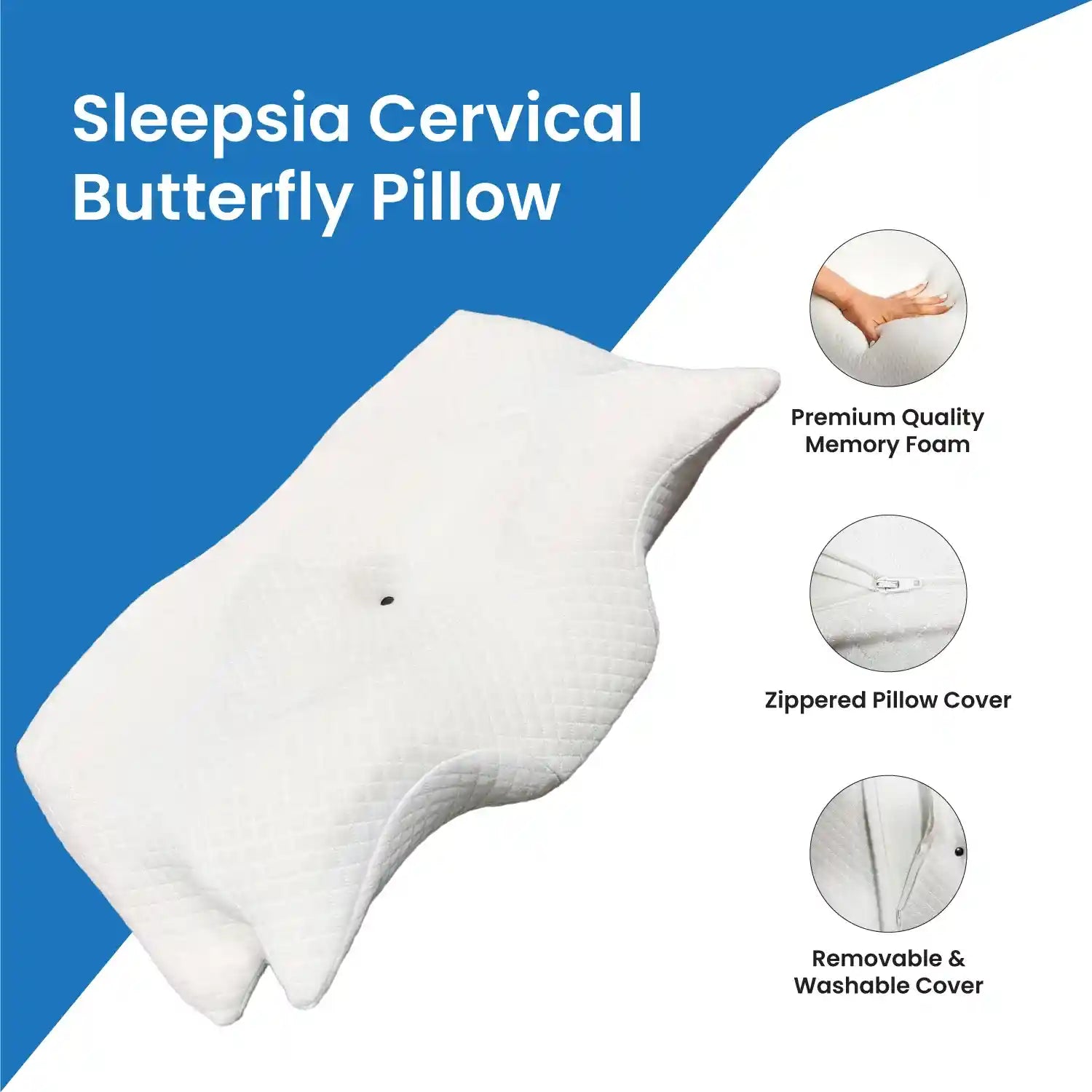
If you are looking to make your biphasic sleep even better? Try a microfiber pillow! These pillows are super comfy and provide great support, making them perfect for helping you get the most out of your two sleep phases. Plus, they're hypoallergenic and feel really soft, so you can enjoy a peaceful night's sleep and a cozy nap in the afternoon. Upgrade your sleep game with a Sleepsia microfiber pillow today!
Recent Posts

Pran Mudra Benefits: How to Do It, Health Benefits & Best Time to Practice

Bhramari Pranayama: Benefits, Steps, and Breathing Technique

Top 10 Benefits of Vajrasana (Thunderbolt Pose) for Health

Hatha Yoga for Beginners: Benefits, Poses, and How to Start

Hypnic Jerk: Why You Twitch When You Sleep

What Are the Benefits of Doing Surya Namaskar (Sun Salutation)?

Surya Namaskar: How to Do Sun Salutation with 12 Easy Steps

