

What Are Precognitive (Premonition) Dreams?
Most humans dream for at least two hours each night. Vivid or unsettling dreams are as common as dirt. Studies show that 17.8% to 38% of people have experienced at least one precognitive or premonition dream. These dreams seem to get you a glimpse of the future.
Some people experience them frequently, while others recall only a few. Some dreams are extremely detailed, while others are symbolic. Scientists study this phenomenon to understand whether it results from coincidence, subconscious processing, or an unknown mechanism.
This guide talks about the nature of precognitive dreams, their possible explanations, and how to interpret them.
Recommended Products







What Are Precognitive (Premonition) Dreams?
Precognitive dreams seem to foresee future events. People report dreaming about situations that later happen. These dreams make room for specific details, emotions, or symbols. For example, a 2009 study found that as many as 60% of people have experienced precognitive dreams.
Here is a scientific perspective of Precognitive Dreams:
According to research, dreams result from brain activity during slumber. The brain processes emotions, memories, and subconscious thoughts.
Some theories propose, precognitive dreams stem from pattern recognition and intuition rather than true foresight. Individuals who record dreams frequently have higher recall of potential precognitive experiences.
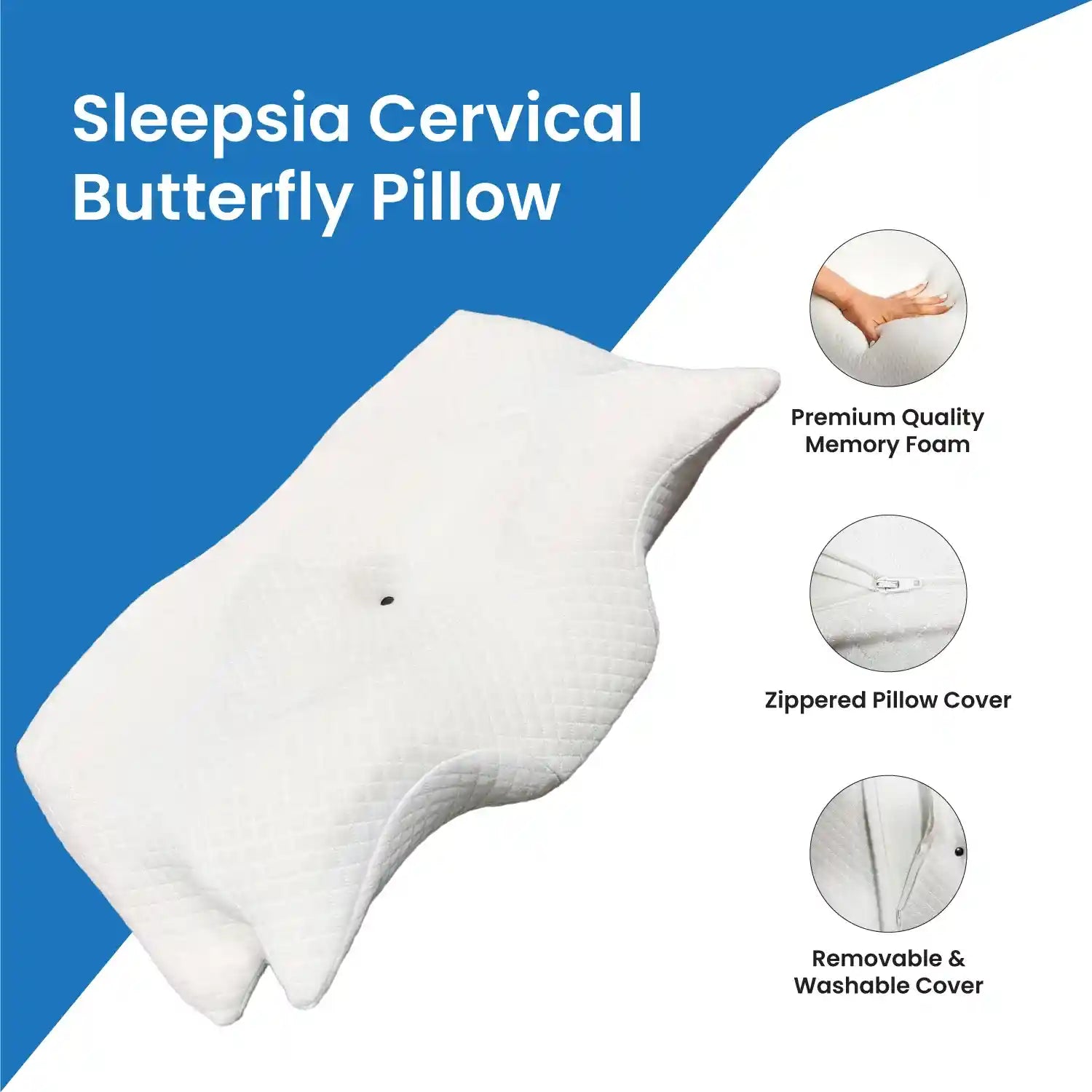
The brain organizes and consolidates information during sleep. This process brings dreams to life that seem predictive when they line up with future events. Quality sleep plays a key role in dream recall and cognitive function. Using a memory foam pillow from Sleepsia can enhance sleep comfort and improve sleep quality.
What Dreams are classified as Precognitive?
Dreams must meet specific criteria to be classified as precognitive. These criteria include:
- You must record or share the dream before it happens in real life.
- The dream must have one-of-a-kind details that make fulfillment by chance improbable.
- Self-fulfilling prophecies or dreams influenced by existing knowledge do not count.
- Dream telepathy or communication with others in dreams cannot disturb the premonition.
What are the Common Types of Precognitive (Premonition) Dreams?
Here is the list of the most common types of Precognitive (Premonition) Dreams:
- Literal Dreams – The dream pans out exactly as it happens later.
- Symbolic Dreams – The dream presents symbols that strike a chord with a future event.
- Emotional Dreams – The dream conveys emotions that match a future situation.
What are the Research and Skepticism related to Precognitive Dreams?
Do Dreams Come True?
Organizations like The American Academy of Sleep Medicine and The National Sleep Foundation state that no scientific indication confirms the ability to predict the future in dreams.
Most reported precognitive dreams result from memory bias, coincidence, or subconscious awareness of real-life reminders. A meta-analysis of dream studies found that 60-70% of precognitive dreams include personal events, not global or large-scale incidents.
Dr. Michael Breus, a sleep expert at TheSleepDoctor.com, suggests that some people have amplified intuition, creating the illusion of predictive dreams. However, he emphasizes that scientific research has not validated these claims.
Historical Accounts Related to Precognitive Dreams
People throughout history have recounted precognitive dreams. Some documented cases include dreams of disasters, personal tragedies, and major events.
Experts from Ivy League Medical School suggest that selective memory and hindsight bias lend a hand to these perceptions.
What are the Possible Explanations for Precognitive Dreams?
Researchers propose several explanations for precognitive dreams:
- Selective Recall – People remember confirmed premonition dreams more often than those that did not come true. When a dream predicts the future, it is more likely to be recalled.
- Tolerance for Uncertainty – Some dreamers interpret ambiguous dreams as meaningful. Those with a high tolerance for ambiguity are more likely to experience premonition dreams.
- Paranormal Beliefs – Studies show a connection between belief in the paranormal, belief in precognitive dreams, and making associations among unrelated events. People inclined to find patterns may experience more premonitions.
- Coincidence – Some precognitive dreams only seem predictive after a similar real-life event occurs. Factors like selective recall, ambiguity tolerance, and paranormal beliefs influence how people connect dreams to real events.
- Subconscious Connections – Dreams help process memories and emotions. The National Center for Biotechnology Information states that real-life experiences influence dreams. For example, if you dream of buying furniture and later see a couch advertisement, your dream may reflect prior thoughts about redecorating rather than predicting the future.
Instances of Precognitive Dreams?
Throughout history, many people have reported precognitive dreams. Some cases are too detailed to ignore, leading to the question: "Do dreams come true?"
Abraham Lincoln
In the 1860s, Abraham Lincoln had a terrifying dream. He walked through the White House and saw a guarded coffin. When he asked who had died, a guard replied, "The President was killed by an assassin."
A few days later, Lincoln was assassinated. Researchers suggest this might not have been a true precognitive dream. Lincoln had survived an assassination attempt the previous year, which could have influenced his dreams.
Titanic
Many people reported premonitions before the Titanic sank. Two well-documented cases stand out:
- Isaac Fruenthal dreamed of a ship crashing and sinking before and after boarding the Titanic. He survived and later shared his story.
- Eugene Daly dreamed of the ship sinking every night aboard. On the day of the disaster, he told a friend, "We are going to sink tonight."
Aberfan Landslide
In 1966, a coal waste landslide destroyed a school in Aberfan, Wales, killing 144 students and teachers.
British psychiatrist John Barker collected 76 premonition interpretations related to the disaster. A remarkable case involved 10-year-old Eryl Mai, who told her mother the day before, "My school is gone. Something black covered it." She died in the landslide.
Robert Kennedy’s Assassination
Two people who submitted Aberfan premonitions to John Barker continued to report psychic dreams.
In March 1968, Kathleen Middleton first dreamed of Robert Kennedy’s assassination. She repeatedly reported similar dreams for months. On June 4, 1968, she urgently called the Premonitions Bureau three times about Kennedy. He was shot after midnight on June 5, 1968.
How Do I Know If I Had a Precognitive Dream?
You cannot know at the time if a dream is precognitive. The only way to tell is if it comes true and this could happen the next day or years later.
Precognitive dreams can be confused with lucid dreams, déjà vu, and out-of-body experiences (OBEs). Each has key differences. Studies indicate that between 18% and 38% of individuals have experienced at least one precognitive dream. Additionally, approximately 70% have reported experiencing déjà vu.
Lucid Dreams
A lucid dream happens when you realize you are dreaming while still in the dream. You may gain control and select what happens next.
Lucid dreaming can be learned. People use it to fly, meet celebrities, or explore new worlds. While a lucid dream can be precognitive, most come from your thoughts rather than future events.
Déjà Vu
Déjà vu is the feeling that you have experienced something before. Scientists suggest it may be linked to memory processing issues in the brain.
Some believe déjà vu could be linked to precognition. You may have dreamed of the event before but did not remember until it happened. Some theories suggest it could include psychic sensitivity to energy.
Out-of-Body Experiences (OBEs)
Some believe OBEs allow people to receive information from other realms or parallel universes.
It is thought that people leave their bodies while sleeping. Most do not remember, assuming they just had a strange dream. Some believe precognitive dreams could be memories from an alternate reality.
Unless you consciously learn to have OBEs, it is difficult to know if your dream was precognitive or an out-of-body experience.
Note: Better sleep improves dream recall. Use orthopedic or bamboo memory foam pillows from Sleepsia. These pillows support the neck and reduce discomfort, enhancing sleep quality.
Final Words
Science may never prove or disprove the existence of predictive dreaming. Researchers can study larger samples of people who experience premonition dreams to understand patterns and causes.
Precognitive dreams remain a topic of debate. Some believe they reveal the future, while research suggests they come from subconscious processing. More studies are needed to explore the link between dreams and reality.
Improve sleep with Sleepsia’s memory foam and orthopedic pillows. These pillows enhance comfort and sleep quality, helping with better dream recall.
Also Read:- What is a Fever Dream?
FAQs
Q1: How Do Precognitive Dreams Work?Ans: The exact mechanism is unknown. Some theories suggest they stem from subconscious pattern recognition, intuition, or a connection to future possibilities. Others believe they come from spiritual or metaphysical sources.
Q2: Are Precognitive Dreams Always Accurate?Ans: No, precognitive dreams are not always accurate. Some partially match future events, while others are coincidences. Interpretation plays a vital role.
Q3: Can Precognitive Dreams Be Controlled?Ans: There is no scientific proof that precognitive dreams can be controlled. However, keeping a dream journal, practicing meditation, and developing intuition may increase awareness of such dreams.
Q4: How to tell if my Dream is Precognitive?Ans: A dream may be precognitive if:
- It is highly vivid and emotionally intense.
- It contains specific details that later happen.
- It feels clearer and more realistic than regular dreams.
- It involves an unexpected event in waking life.
Q5: What Should I Do if I Have a Precognitive Dream?Ans: Write down the details immediately. Compare them with real-life events when they occur. In case the dream suggests danger, take sensible precautions.
Recent Posts

Top 10 Benefits of Vajrasana (Thunderbolt Pose) for Health

Hatha Yoga for Beginners: Benefits, Poses, and How to Start

Hypnic Jerk: Why You Twitch When You Sleep

What Are the Benefits of Doing Surya Namaskar (Sun Salutation)?

Surya Namaskar: How to Do Sun Salutation with 12 Easy Steps

10 Breathing Exercises to Try When You’re Feeling Stressed

Office Exercises at Desk for Back Pain Relief and Better Posture

