

The Ultimate Diffuser Buying Guide: Types, Features & Must-Haves
Who doesn't love their home or office smells like heaven. Now you can make it smell great without doing much. Ultrasonic essential oil diffusers are very popular and in high demand these days.
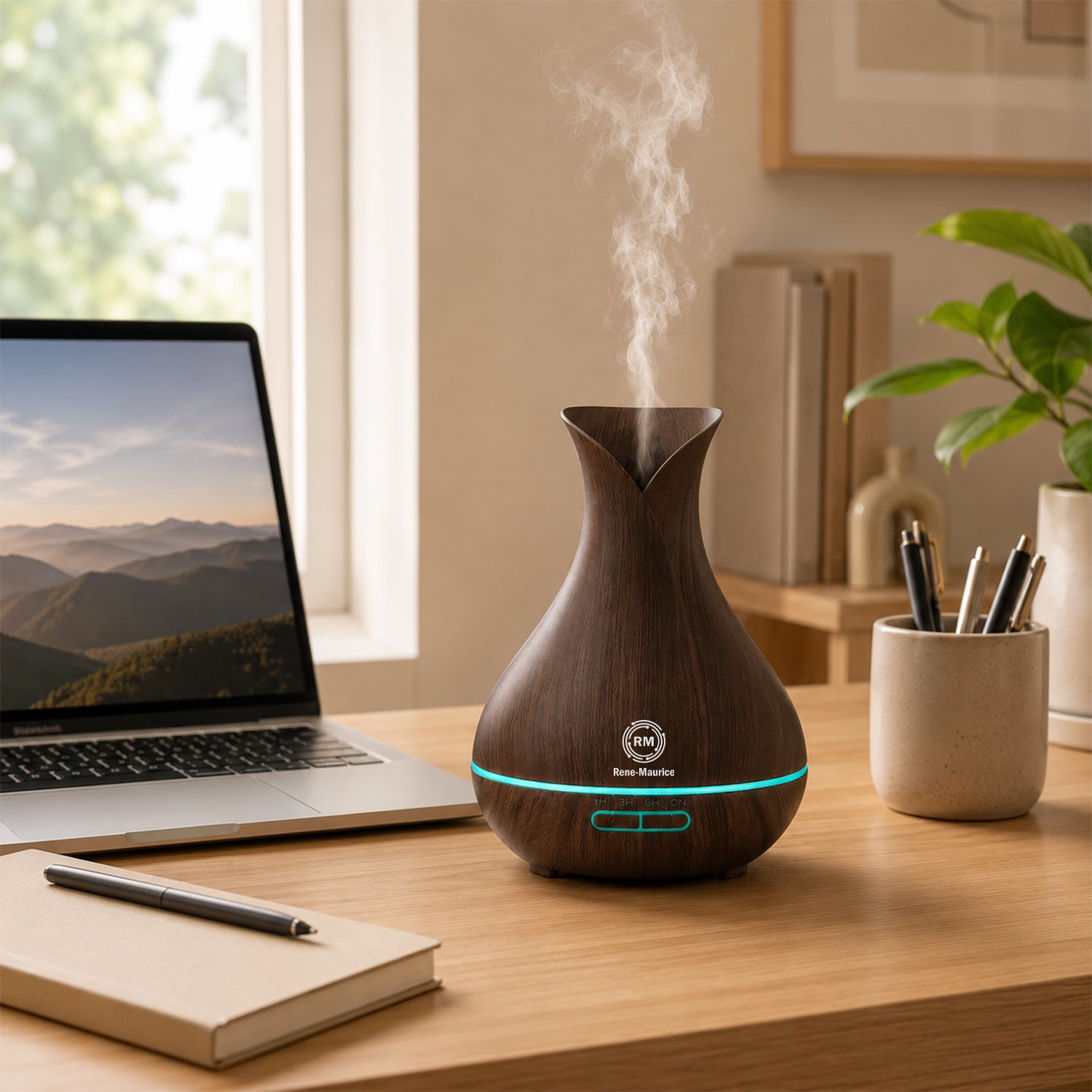
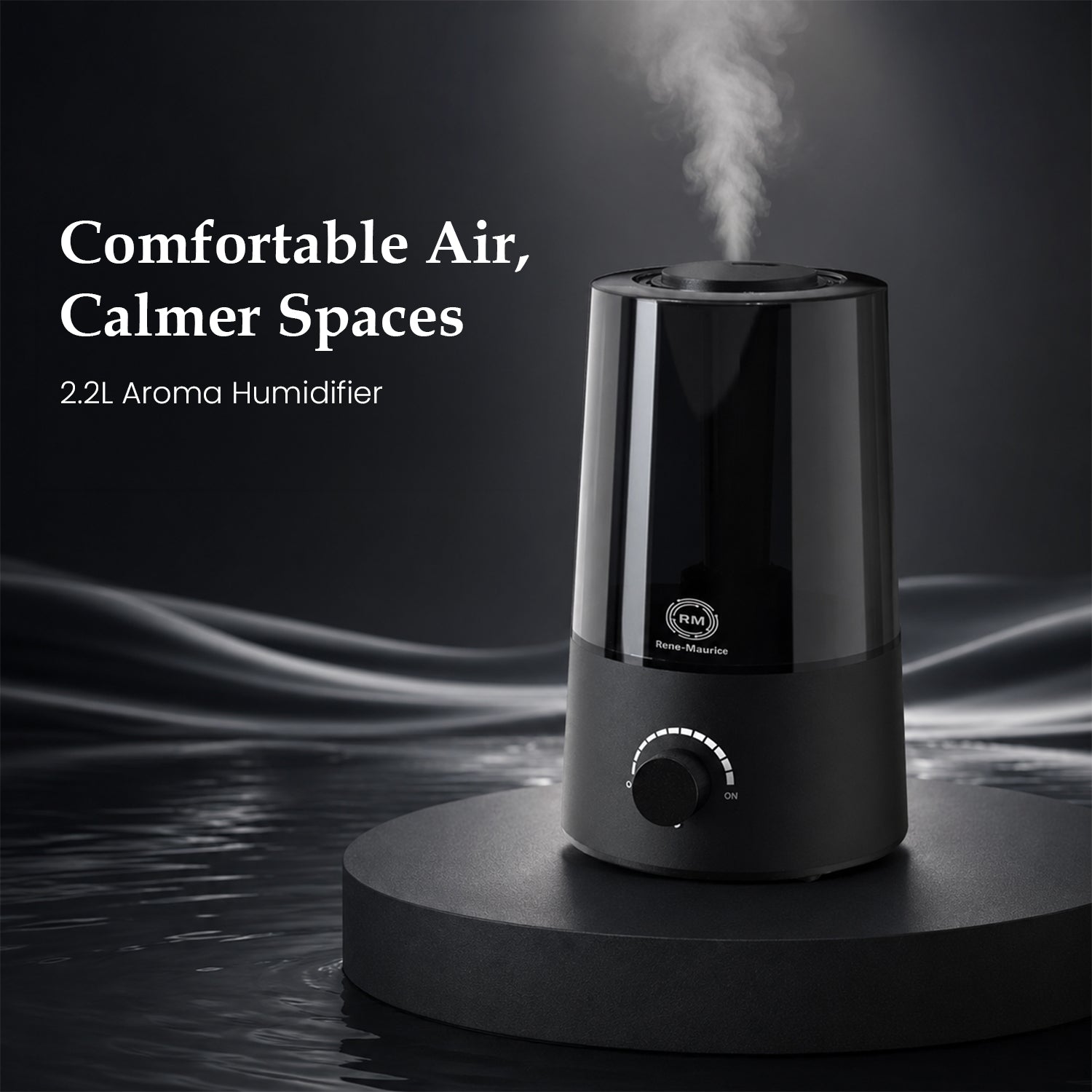
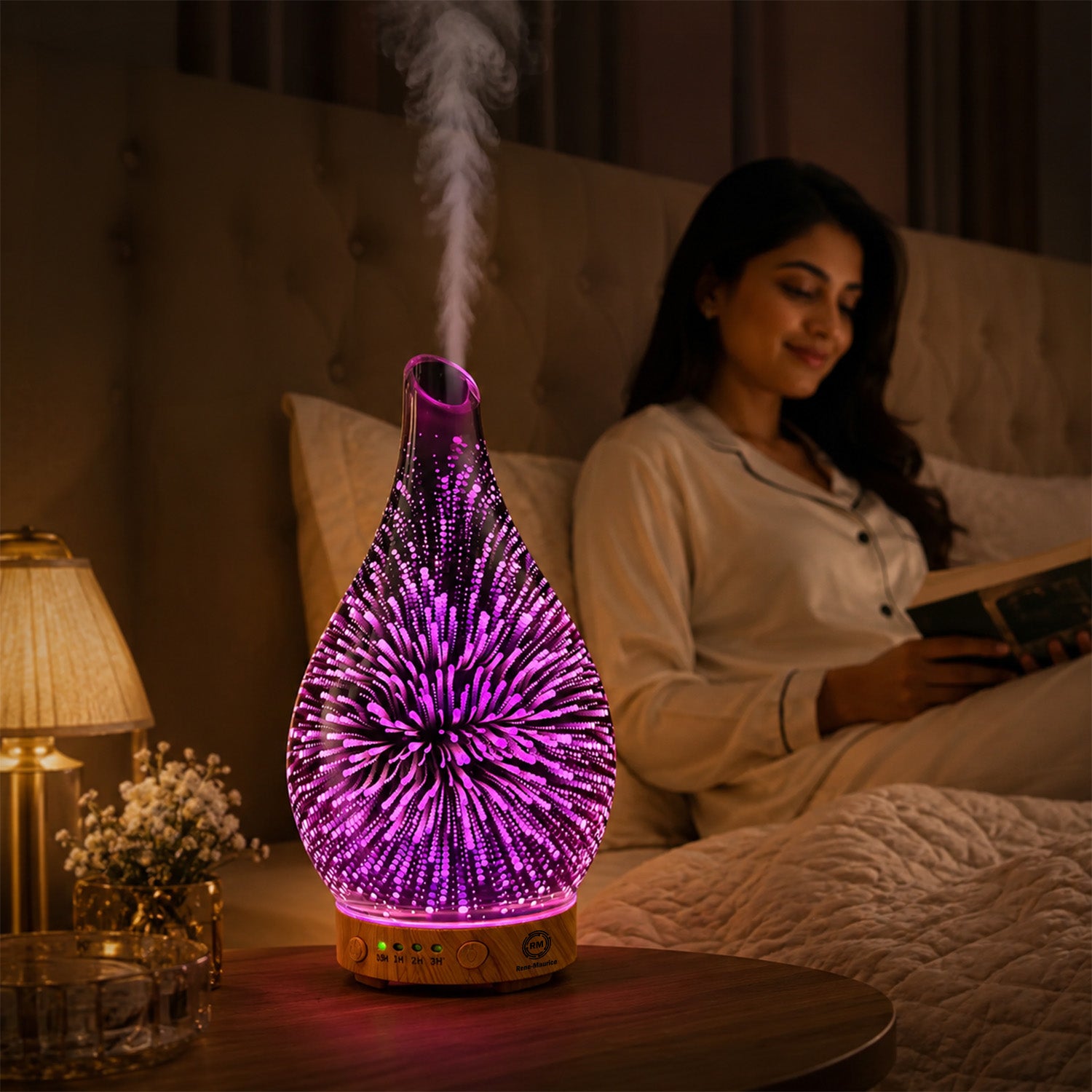
It produces a powerful stream of mist, has a higher capacity and smaller footprint than much of the competition, and, while inexpensive, has a sleek design that looks nicer than others in its price range.
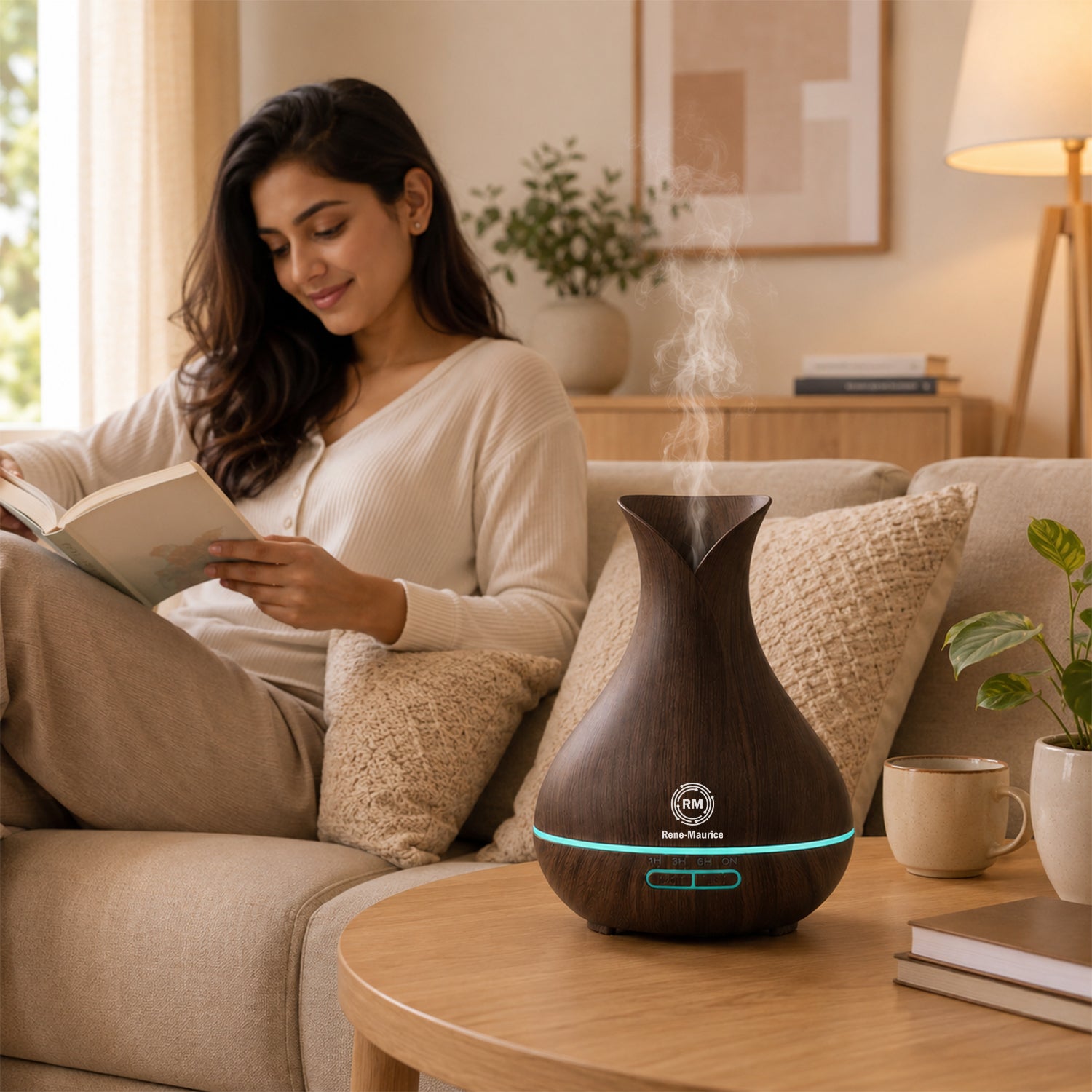
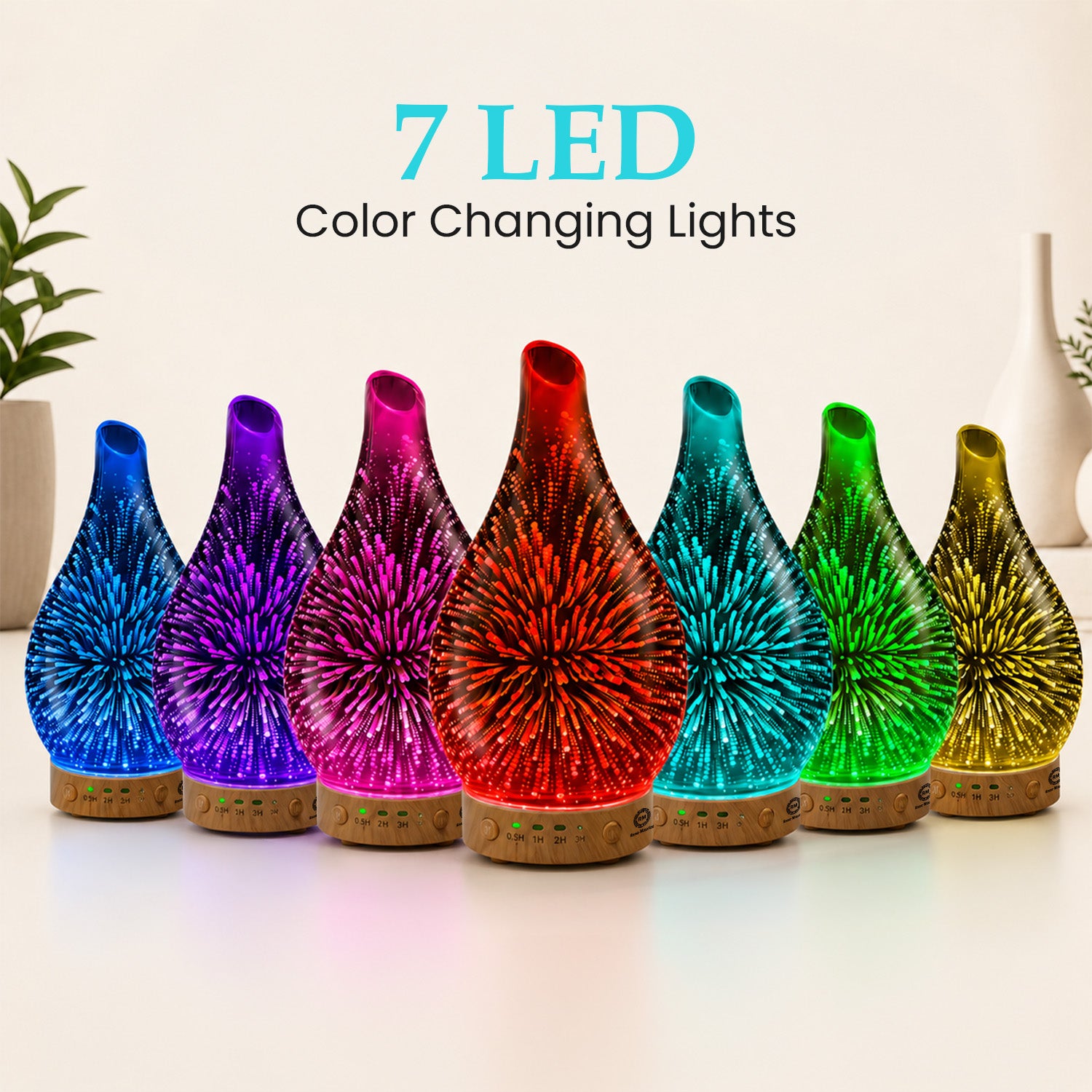
This ultrasonic diffuser features a wood grain finish and a unique vase-shaped design. This scent diffuser is extremely stylish and trendy, making it ideal for home interior décor.
If you are someone looking for the buy diffuser online india, here is the guide for the different types of aroma diffusers available in the market and their features, so you can make a better choice.
Recommended Products
Different Types of Diffusers and Their Features
There are mainly 4 different categories of diffusers available on the market today. Each of them uses a distinct diffusion process to release essential oils into the air, with varying benefits and drawbacks. Read on to learn everything you need to know about these diffusers before purchasing one.
1. Ultrasonic Essential Oil Diffusers
Essential oils are dispensed using ultrasonic diffuser, which create a fine mist. Ultrasonic vibrations separate the oil into particles. These particles combine with steam to form a mist, which is dispersed into the atmosphere.
These diffusers can also function as humidifiers when filled just with water. This is an added benefit during the cold, dry winter months, since it allows you to add moisture to the air.
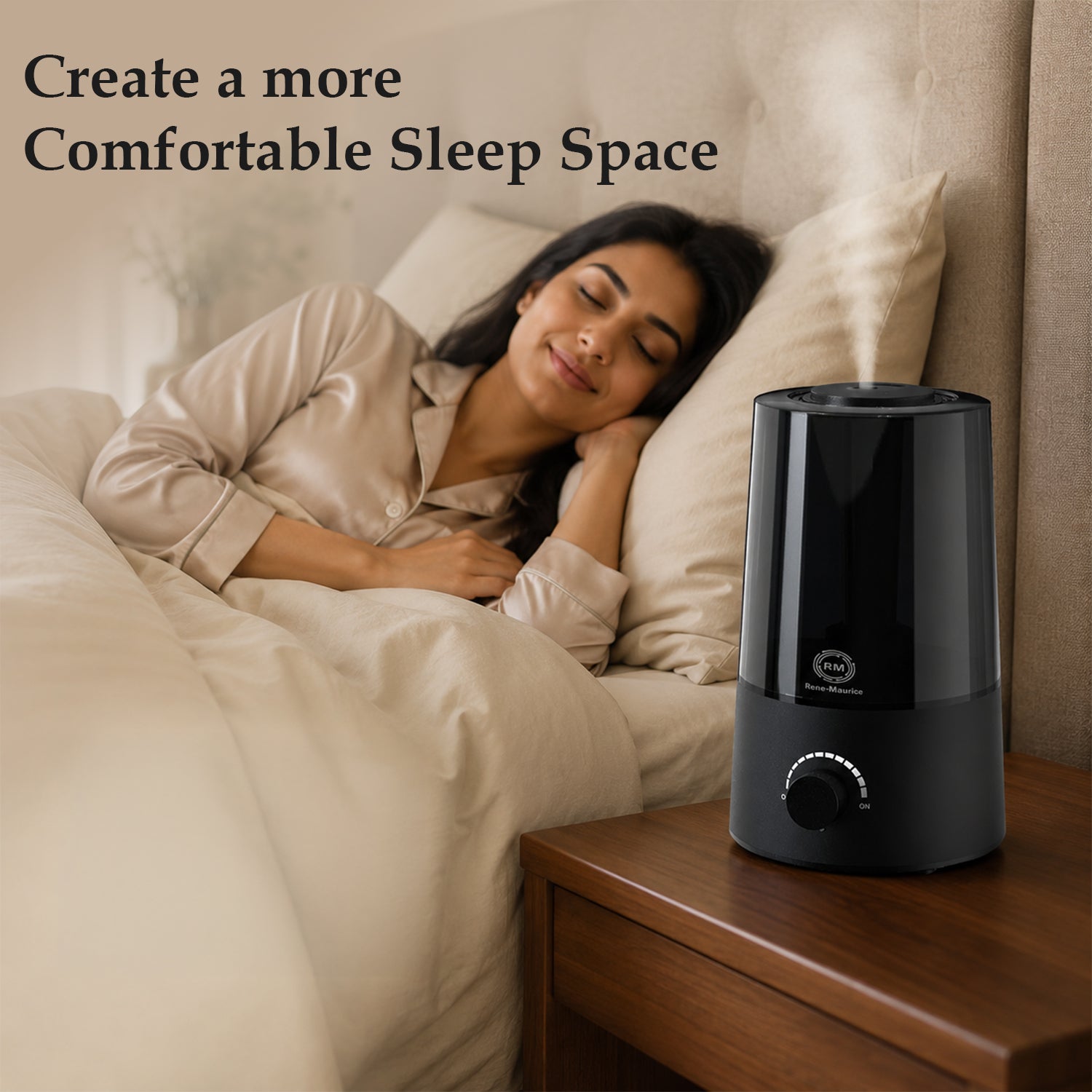
This diffusion method produces little to no noise, making it ideal for usage in a room while you sleep or work. An ultrasonic diffuser combines essential oils and water, resulting in a diluted release of the oil into the air.
Pros of Ultrasonic Essential Oil Diffuser:
The top reason to purchase an aroma diffuser for home is that it allows you to let go of a stressful day and sleep properly. Your blood pressure drops, your heart rate returns to normal, and the entire body relaxes.
This diffuser may also function as a humidifier, which is a useful feature if you live in a dry area.
These diffusers have an affordable purchasing price.It is a one time investment.
Cons of Ultrasonic Essential Oil Diffuser:
The diffuser contains a little amount of essential oil and requires refilling after a few hours. If you live in a humid environment, you may not want to add extra water to the air. The diffuser also leaves a wet residue.
2. Reed Diffusers
Reed diffusers have a fragrance oil and base solution combined inside a glass bottle with a narrow neck. Rattan reeds or sticks are then placed into the liquid and left sticking out of the bottle. These reeds absorb the aromatic liquid from the container and disperse it into the room's air.
A reed diffuser releases smell for as long as the reeds and fragrance oil in the bottle last. Lighter oils, such as bergamot, grapefruit, or lemon essential oil, disperse more quickly than heavier smells like patchouli and sandalwood aroma oils.
Pros of Reed Diffuser:
Reed diffusers are undoubtedly the lowest-maintenance diffusion method available. This is due to the fact that they do not require energy, heat, fans, or equipment. All you need are reeds, a bottle/container, and fragrance oil.
Another benefit is that reed diffusers produce a consistent, hassle-free stream of smell. They do not need to be turned on or off, lighted, or extinguished. Instead, they diffuse the oil in their container until it runs out. Typically, it takes a few months for the aroma in the bottle to wear off completely, so they can be long-lasting.
Cons of Reed Diffuser:
Interestingly, the "constant scent" feature of reed diffusers is also their main downside. Because a reed diffuser cannot be turned off, if you are out of town or out of the house for the majority of the day, your aroma may go virtually unnoticed as it diffuses across an empty home.
Reed diffusers cannot be fine-tuned and controlled in the same manner that high-end electric diffusers can.
3. Nebulizing Diffuser
"Nebulizing" is a scientific term that refers to the process of breaking down a liquid substance, such as an essential oil, into exceedingly small particles to create a very thin mist. Nebulizing diffusers have a jet nozzle and a pressurised stream of air to convert essential oils into a mist that swiftly diffuses throughout the room's air.
Nebulizing diffusers are ideal for aromatherapy because they allow you to easily inhale and absorb the ultra-fine oils. However, nebulizing diffusers are more technologically advanced, so they are slightly more expensive than other diffusers.
Pros of Nebulizing Diffuser:
The Nebulizing Diffuser uses no water or heat to distribute essential oils. Water dilutes the essential oils, making their fragrance and properties less powerful. Similarly, heat changes the molecules of essential oils, reducing their potency.
You don't need to leave your diffuser running for hours, which could increase your electricity bill. Diffusing for 30 minutes or an hour can leave your space smelling fresh right immediately.
It is also quite simple to clean, which you may do once every seven days to keep the tubes from clogging, or more regularly if you are using essential oils with aromas you do not want to combine.
Cons of Nebulizing Diffuser:
Nebulizing Diffusers do not combine essential oils with water and instead diffuse pure essential oil microparticles, which means they use up essential oils faster.
Nebulizing Diffusers cost more than other types of diffusers.
4. Evaporative Diffusers
These diffusers evaporate the essential oil and use a fan to circulate it throughout the space. Typically, you'll apply your essential oil to a pad or other absorbent material before placing it over the fan. As the fan's air moves through the oil-soaked cloth, it evaporates and diffuses around the space.
Pros of Evaporative Diffusers:
Evaporative diffusers are simple and portable, and passive evaporative diffusers do not require electricity to function. You do not need to worry about turning them on and off.
The aroma of the essential oil will pervade the area for as long as the oil in the diffuser lasts, which might be a month or more.
Cons of Evaporative Diffusers:
The pace of diffusion and strength of the aroma may vary based on airflow and humidity levels in the room. Evaporation can also reduce the potency of an essential oil.
You might be thinking about the difference between Aroma Diffuser and Air Purifier, in simple words, Air purifiers purify the air, while Aroma Diffuser Machine add a pleasant scent to it.
Conclusion
There are different things you should consider while choosing a diffuser such as if it has auto switch off, what is its maintenance cost, if it is portable or not, if it looks good with your home aesthetics and how safe it is in presence of pets and children.
If you want something that ticks all of the above boxes, you can go for an Rene-Maurice Electric Oil Humidifier Aroma Diffuser. You can use it for aromatherapy at home and have a spa-like experience in the comfort of your home.
Which is Better: Candle or Aroma Diffuser?
ना ज्यादा ना कम, जानें किस उम्र में कितना सोना चाहिए
Related Products


Recent Posts

7 Benefits of Shishuasana (Child Pose) and How to Practice It Correctly

Benefits of Eka Pada Raja Kapotasana (Pigeon Pose) & How to Practice

How Does an Aroma Diffuser Make Your Home Smell Better?

Queen Size Bedsheet Buying Guide: Size, Fabric & Fit Explained

Benefits of Marjariasana (Cat Stretch Pose) & How to Practice

How to Choose the Right Double Bedsheet Size for Your Mattress

Why Does a Cotton Bedsheet Feel Better in Summer? Benefits of Breathable Fabric

