

What Are the 10 Things a Pregnant Woman Needs? Essential Checklist
Pregnancy is a beautiful journey that brings excitement, anticipation, and a range of physical and emotional changes for every expecting mother. As your baby grows, your body works harder to provide the nutrients, protection, and care needed for healthy development. During this time, maintaining a healthy lifestyle and making informed choices can make a significant difference in your overall well-being.
Many first-time mothers wonder what they need to support a healthy and comfortable pregnancy. While there are countless products available, only a few are truly important for supporting your health and ensuring your baby's proper growth. From eating nutritional food for pregnant woman to getting quality sleep with a Pregnancy Pillow, every choice contributes to a safer and more comfortable pregnancy.
This article covers the 10 things a pregnant woman needs, explains why they are important, and shares practical tips to help you enjoy a healthier pregnancy.
Recommended Products
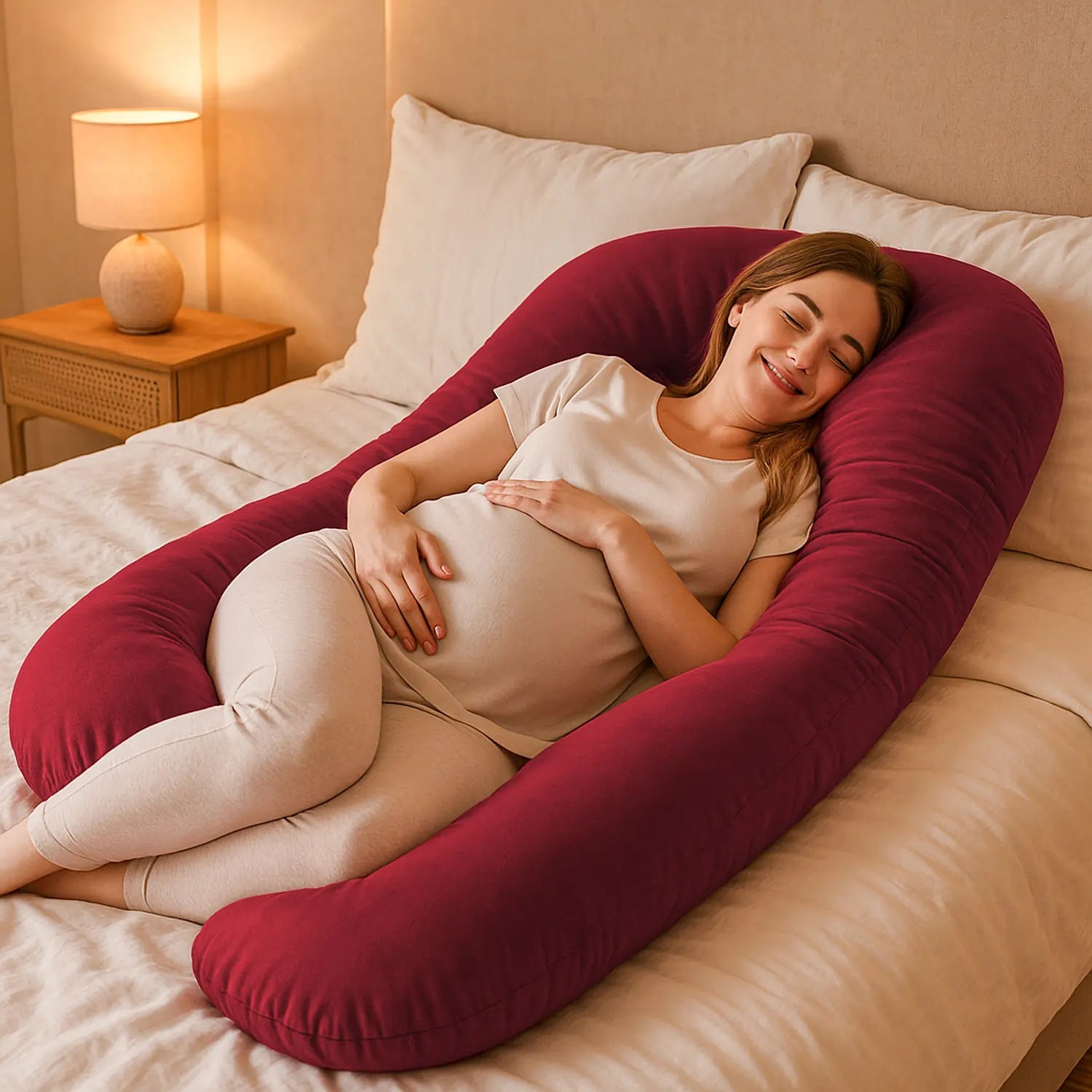
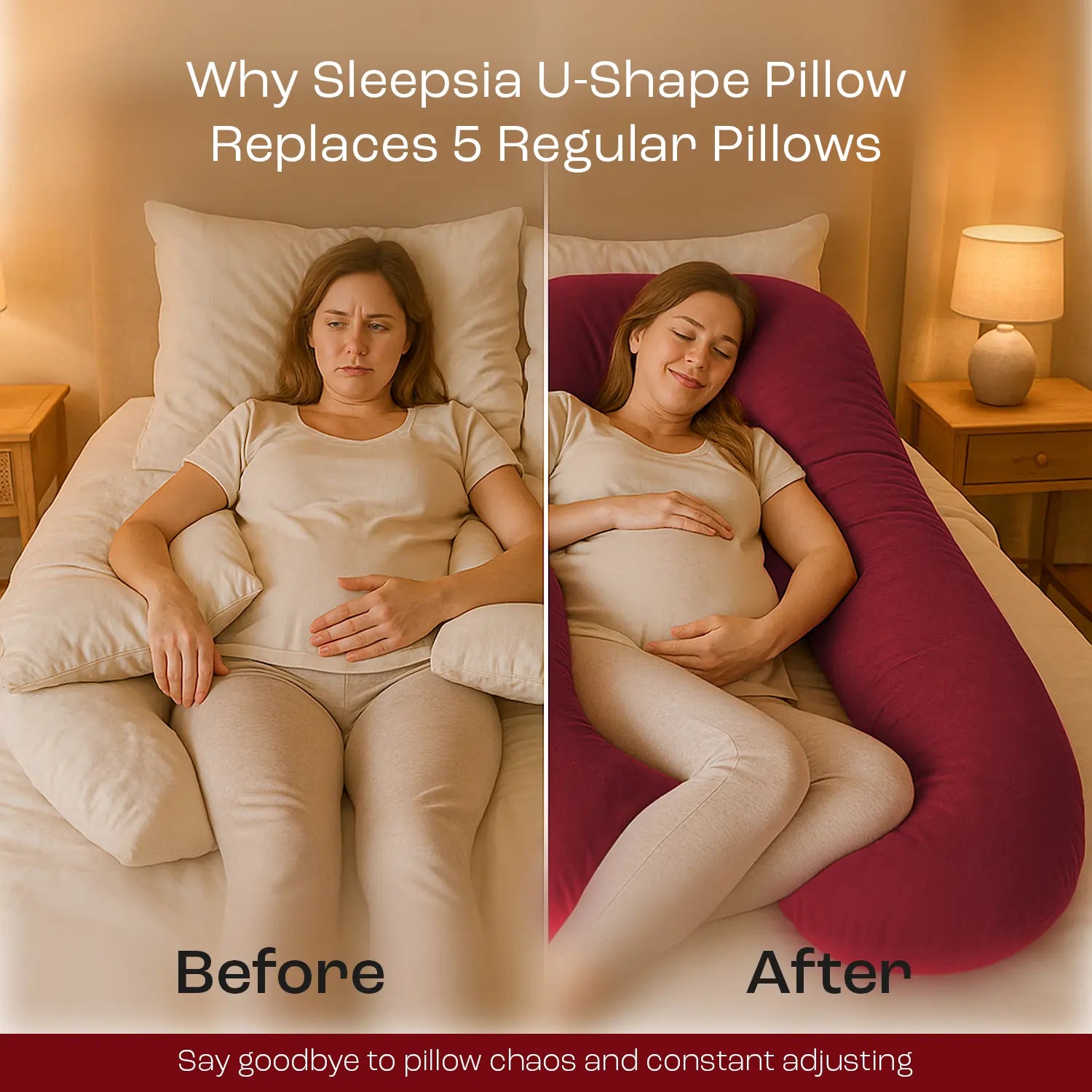


Top 10 Pregnancy Essentials for Every Expecting Mother
Below are the 10 most important things every expecting mother should have during pregnancy.
1. Nutritional Food for Pregnant Woman

A balanced diet is one of the most important parts of a healthy pregnancy. Your baby relies on the nutrients you consume to develop healthy organs, bones, muscles, and the brain. At the same time, proper nutrition helps you maintain energy levels, strengthens your immune system, and supports healthy weight gain.
A balanced pregnancy diet should include a variety of nutrient-rich foods, such as:
- Fresh fruits and vegetables
- Whole grains such as oats, brown rice, and whole wheat products.
- Lean protein sources including eggs, chicken, fish, beans, and lentils
- Low-fat dairy products
- Healthy fats from nuts, seeds, avocados, and olive oil
Folic Acid
Folic acid supports the healthy development of your baby's brain and spinal cord and helps reduce the risk of neural tube defects. Green leafy vegetables, citrus fruits, fortified cereals, and prenatal supplements are good sources.
Iron
Iron helps produce additional blood needed during pregnancy and reduces the risk of anemia. Include spinach, beans, lentils, lean meat, and iron-fortified cereals in your meals.
Calcium
Calcium helps build and maintain strong bones and teeth for both you and your baby. Dairy products, tofu, almonds, and leafy greens are excellent choices.
Protein
Protein is important for building your baby's tissues, muscles, and organs. Aim to include protein in every meal.
Omega-3 Fatty Acids
Omega-3 fatty acids, especially DHA, support healthy brain and eye development. Fatty fish, walnuts, chia seeds, and flaxseeds are good dietary sources.
Eating nutritional food for pregnant woman is not about eating more—it is about eating smarter with nutrient-dense foods that benefit both mother and baby.
2. Staying Hydrated Throughout Pregnancy

Water plays an important role in supporting a healthy pregnancy. It helps transport nutrients to your baby, maintains amniotic fluid levels, supports digestion, and regulates body temperature.
Proper hydration can also help reduce common pregnancy discomforts, including:
- Constipation
- Fatigue
- Headaches
- Swelling
- Urinary tract infections
Most pregnant women should drink approximately 2.3 to 3 liters of fluids each day, although individual needs may vary based on climate, activity level, and medical advice.
You can increase your fluid intake by drinking:
- Plain water
- Coconut water
- Milk
- Fresh fruit-infused water
- Homemade soups
Limit sugary drinks and caffeinated beverages, as excessive intake may not be beneficial during pregnancy.
3. Prenatal Vitamins

Even when following a healthy diet, it may be difficult to meet all nutritional requirements through food alone. Prenatal vitamins help fill nutritional gaps and support healthy fetal development.
Most prenatal supplements contain:
- Folic acid
- Iron
- Calcium
- Vitamin D
- Iodine
- Vitamin B12
- Zinc
Some also include DHA, which supports brain development.
Always take prenatal vitamins recommended by your healthcare provider rather than choosing supplements on your own.
4. Comfortable Maternity Clothing

As your pregnancy progresses, your body goes through many physical changes. Wearing comfortable maternity clothing can reduce pressure on your abdomen and improve your daily comfort.
Choose clothing made from breathable, stretchable fabrics that allow freedom of movement.
Look for:
- Maternity leggings
- Stretchable waistbands
- Loose-fitting tops
- Supportive maternity bras
- Comfortable underwear
- Flat, supportive footwear
Avoid tight clothing that may restrict circulation or cause discomfort.
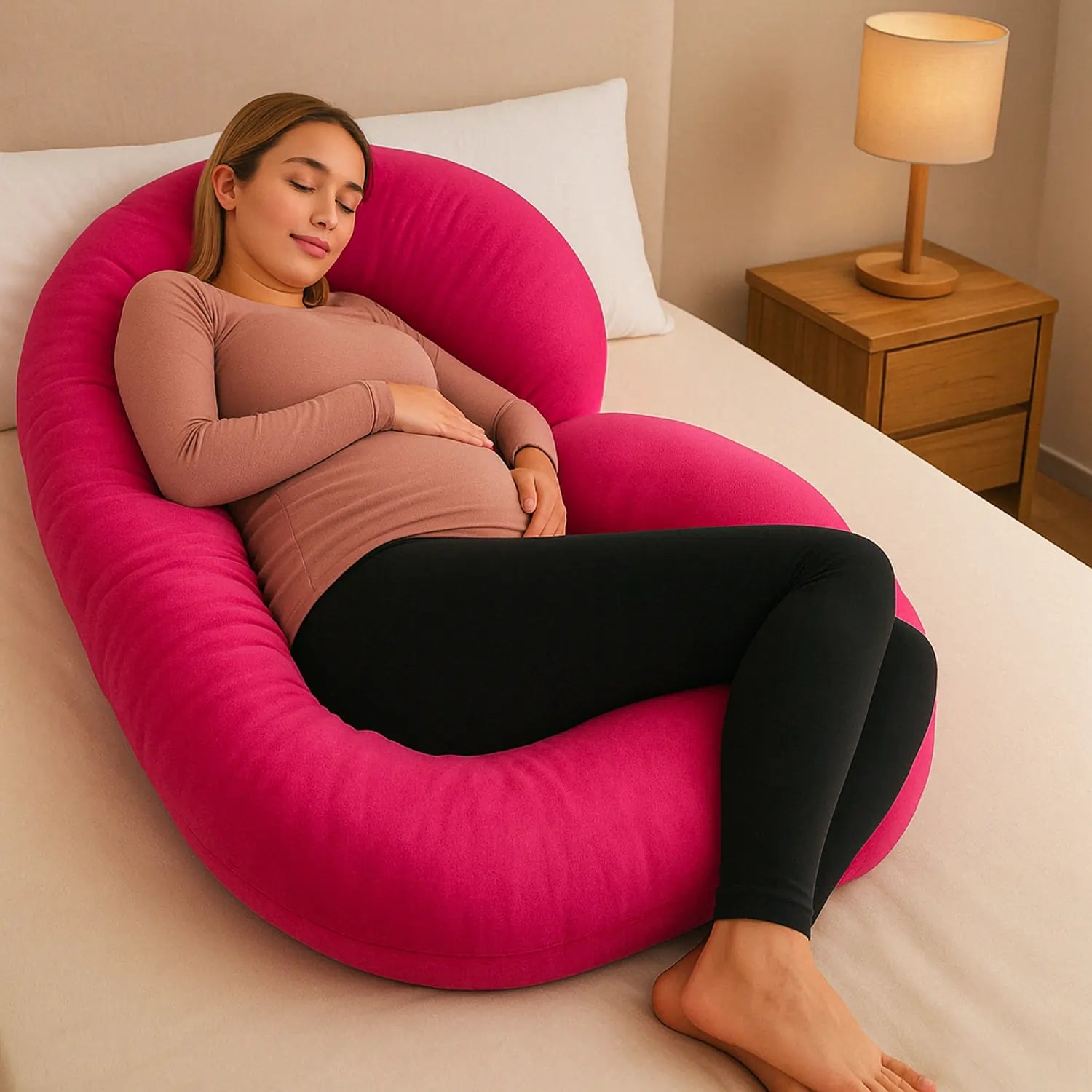
5. Pregnancy Pillow

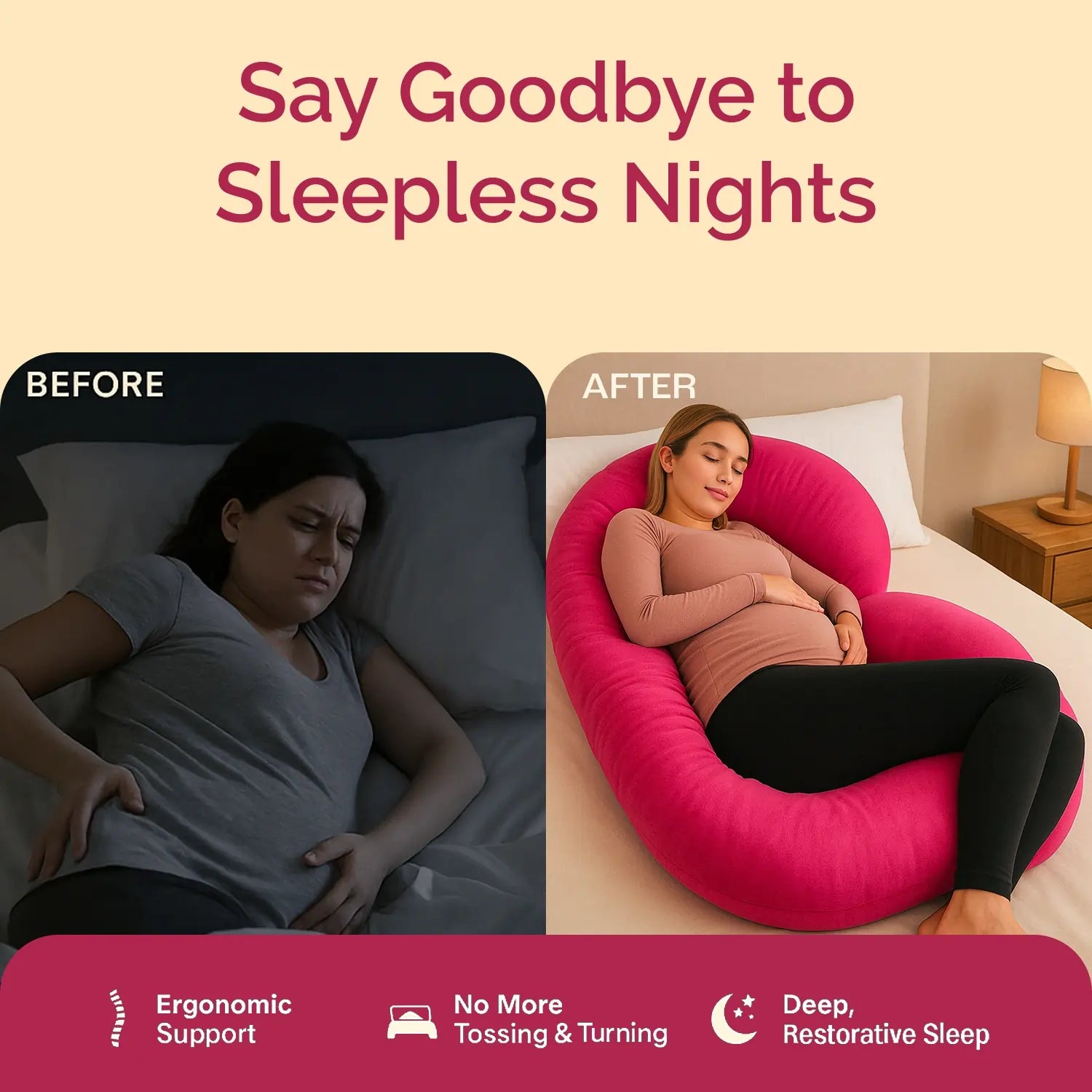
Quality sleep becomes more difficult as pregnancy advances. Many women experience lower back pain, hip pain, leg discomfort, and difficulty finding a comfortable pregnancy sleeping position.
A Pregnancy Pillow is specially designed to provide support where your body needs it most.
Unlike regular pillows, a Pregnancy Pillow u shape supports multiple areas simultaneously, helping you maintain a comfortable side-sleeping position.
Benefits of Using a Pregnancy Pillow
A Pregnancy Pillow offers several advantages during pregnancy, including:
- Supports the growing baby bump
- Reduces pressure on the hips and pelvis
- Helps relieve lower back pain
- Improves spinal alignment
- Supports the knees and ankles
- Reduces shoulder strain
- Encourages recommended side sleeping
- Minimizes tossing and turning during sleep
Many healthcare professionals recommend sleeping on the left side during pregnancy because it promotes better blood flow to the placenta. A Pregnancy Pillow helps maintain this position comfortably throughout the night.
Better sleep allows your body to recover, supports healthy hormone regulation, and helps reduce daytime fatigue.
6. Regular Prenatal Checkups

Routine prenatal care is important for monitoring your health and your baby's development throughout pregnancy.
During prenatal visits, your healthcare provider will:
- Monitor your baby's growth
- Check your blood pressure
- Track healthy weight gain
- Screen for gestational diabetes
- Monitor your baby's heartbeat
- Recommend necessary vaccinations
- Address any pregnancy-related concerns
Early detection of potential complications improves pregnancy outcomes for both mother and baby.
Never miss scheduled prenatal appointments, even if you feel healthy.
7. Safe Physical Activity

Regular physical activity is one of the most beneficial things needed during pregnancy. Unless your healthcare provider advises otherwise, moderate exercise can help you stay active, reduce discomfort, and prepare your body for labor.
Exercise during pregnancy offers several benefits, including:
- Improves blood circulation
- Reduces back and pelvic pain
- Helps manage healthy weight gain
- Increases energy levels
- Promotes better sleep
- Reduces stress and anxiety
- Strengthens muscles used during childbirth
Pregnancy-Safe Exercises
The following activities are generally considered safe for most pregnant women:
Walking
Walking is a low-impact exercise that improves cardiovascular health without putting excessive strain on the joints.
Prenatal Yoga
Prenatal yoga improves flexibility, posture, and breathing while helping reduce stress and muscle tension.
Swimming
Swimming supports your growing body and relieves pressure on the joints, making it one of the most comfortable exercises during pregnancy.
Stretching
Gentle stretching helps relieve muscle tightness and improves flexibility.
Pelvic Floor Exercises
Strengthening the pelvic floor muscles can support labor, delivery, and postpartum recovery.
Always consult your healthcare provider before starting or continuing an exercise routine during pregnancy.
8. Emotional Support and Mental Well-Being

Pregnancy affects emotional health as much as physical health. Hormonal changes, lifestyle adjustments, and concerns about childbirth can lead to mood swings, anxiety, or stress.
Having a strong support system is one of the most valuable things needed during pregnancy.
You can improve emotional well-being by:
- Talking openly with your partner
- Spending time with supportive family and friends
- Joining prenatal support groups
- Practicing meditation or deep breathing
- Keeping a pregnancy journal
- Taking time to relax and rest
If feelings of sadness, anxiety, or hopelessness become overwhelming or persistent, seek guidance from your healthcare provider. Mental well-being is an important part of a healthy pregnancy.
9. Pregnancy-Safe Personal Care Products

Hormonal changes during pregnancy can make your skin more sensitive. You may experience dryness, itching, acne, or increased pigmentation.
Choosing gentle, pregnancy-safe personal care products can help protect your skin while minimizing irritation.
Look for products that are:
- Fragrance-free
- Hypoallergenic
- Dermatologically tested
- Moisturizing
- Suitable for sensitive skin
A simple skincare routine that includes cleansing, moisturizing, and sun protection is often enough to keep your skin healthy during pregnancy.
Before using medicated creams or skincare products containing active ingredients, consult your healthcare provider.
10. Quality Sleep and Proper Rest

Getting enough sleep becomes increasingly challenging as pregnancy progresses. A growing belly, back pain, frequent urination, and hormonal changes often interrupt sleep.
However, quality sleep is one of the most important things needed during pregnancy because it allows your body to recover and supports your baby's development.
Tips for Better Sleep During Pregnancy
- Maintain a regular sleep schedule.
- Sleep on your left side whenever possible.
- Avoid large meals close to bedtime.
- Limit caffeine in the afternoon and evening.
- Keep your bedroom cool, quiet, and comfortable.
- Practice relaxation techniques before bed.
Why the Right Pregnancy Support Matters
Pregnancy increases your body's nutritional demands and places additional stress on your muscles, joints, and spine. Hormonal changes may also affect your sleep, digestion, energy levels, and emotional well-being. Having the right things needed during pregnancy helps reduce discomfort, supports your baby's development, and prepares your body for childbirth.
Simple lifestyle habits, balanced nutrition, and supportive products can improve your pregnancy experience from the first trimester through delivery.
How a Pregnancy Pillow Improves Sleep
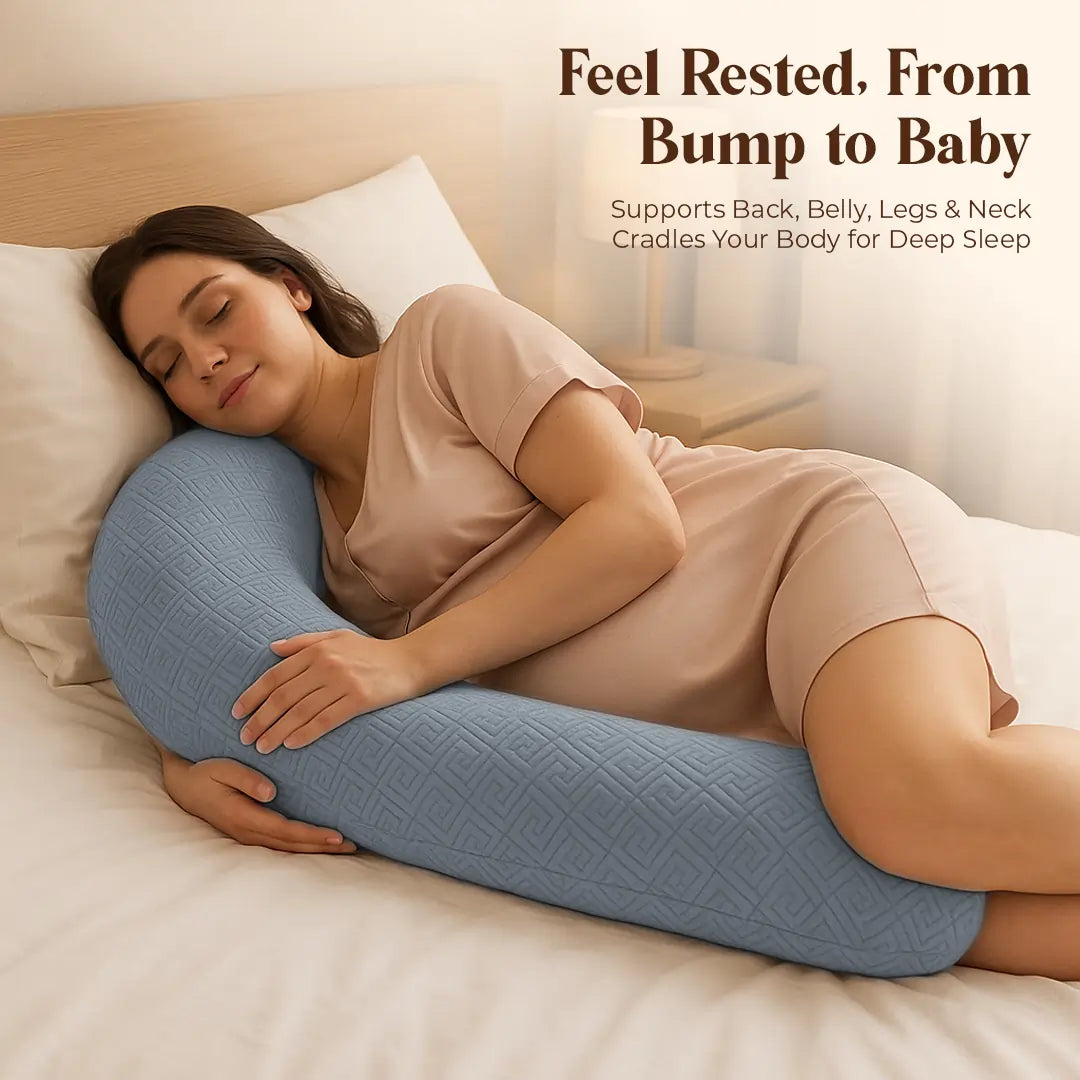
A Pregnancy Pillow provides targeted support to your back, hips, knees, neck, and growing abdomen. It helps maintain proper spinal alignment while reducing pressure on joints and muscles.
Using a Pregnancy Pillow can:
- Improve sleeping posture
- Reduce lower back pain
- Minimize hip discomfort
- Prevent frequent position changes during the night
- Promote deeper, more restful sleep
Many women notice significant improvements in comfort after adding a Pregnancy Pillow to their bedtime routine.
Additional Things Needed During Pregnancy
Beyond these 10 important items, several everyday products can make pregnancy more comfortable and convenient.
These include:
- A reusable water bottle to stay hydrated
- Healthy snacks for between meals
- Comfortable slippers with good grip
- A maternity support belt, if recommended by your doctor
- Stretch mark moisturizer
- A pregnancy journal
- A hospital bag prepared before your due date
- Comfortable nursing bras for later pregnancy
- Compression socks if advised by your healthcare provider
These practical items can help you manage daily activities more comfortably throughout pregnancy.
Healthy Pregnancy Tips for Expecting Mothers
Following healthy habits throughout pregnancy supports both maternal and fetal well-being.
- Eat a balanced diet rich in fruits, vegetables, whole grains, lean protein, and dairy.
- Include nutritional food for pregnant woman in every meal to meet increased nutrient requirements.
- Drink plenty of water throughout the day.
- Attend all scheduled prenatal appointments.
- Stay physically active with pregnancy-safe exercises.
- Get enough sleep each night.
- Avoid smoking, alcohol, and recreational drugs.
- Limit highly processed foods and excessive sugar intake.
- Manage stress through relaxation techniques and emotional support.
- Use supportive products like a Pregnancy Pillow to improve sleep quality and reduce body aches.
Conclusion
Knowing the 10 things a pregnant woman needs helps expecting mothers create a healthier and more comfortable pregnancy journey. From nutritional food for pregnant woman and proper hydration to prenatal care, exercise, and quality sleep, every step plays an important role in supporting mother and baby.
A Pregnancy Pillow is one of the most helpful pregnancy products for better sleep and body support. Choose Sleepsia Pregnancy Pillow to enjoy improved comfort, proper support, and restful sleep throughout your pregnancy.
FAQs
Q1: What should I prepare before the baby arrives?Ans: Before the baby arrives, expecting mothers should prepare essentials such as comfortable maternity clothes, newborn clothing, feeding supplies, baby care products, important medical documents, and a hospital bag. Preparing these items in advance can help reduce stress during the final weeks of pregnancy.
Q2: How can I stay comfortable during the later months of pregnancy?Ans: During the later months, focus on maintaining good posture, wearing comfortable clothing, staying hydrated, taking short walks, and getting enough rest. Supportive products like a Pregnancy Pillow can also help improve comfort while sitting or sleeping.
Q3: What are the common discomforts during pregnancy?Ans: Common pregnancy discomforts include back pain, swollen feet, fatigue, frequent urination, heartburn, and difficulty sleeping. Maintaining a healthy routine and using proper support can help manage these changes.
Q4: How often should a pregnant woman visit the doctor?Ans: Regular prenatal visits are important throughout pregnancy. The frequency of appointments depends on the stage of pregnancy and your healthcare provider’s recommendations. These checkups help monitor both maternal and baby’s health.
Q5: What habits should be avoided during pregnancy?Ans: Pregnant women should avoid smoking, alcohol consumption, excessive caffeine, skipping meals, self-medication, and activities that may put unnecessary strain on the body. Always consult a healthcare provider before making major lifestyle changes.
Benefits of Konasana (Sideways Bending Pose) & How to Do It
Benefits of Katichakrasana (Standing Spinal Twist Pose) & How to Do It
Recent Posts

Benefits of Padmasana (Lotus Pose) & How to Practice It

Contour Pillow vs Cervical Pillow: What's the Difference?

Butterfly Pillow vs Standard Pillow: Which Is Better for Neck Pain?

Benefits of Poorvottanasana (Upward Plank Pose) & How to Practice It

Winter Sleep Essentials: Layering Bedsheets and Nightwear

Frozen Shoulder & Nighttime Pain: Pillow Positioning Tips

Benefits of Paschimottanasana (Seated Forward Bend Pose) & How to Practice It

