

These are the Reasons Why You are Sleeping Hot
Some people experience nighttime sweats when they sleep. It may have to do with the health of their room, an unfortunate side-effect to being overweight, or even too much caffeine in the day. Regardless of the cause, it's important to wake up feeling refreshed. If you're suffering from night sweats but don't know why, please consult a doctor so that your comfort can be improved.
Recommended Products




Reasons Why You are Sleeping Hot
Here are seven possible reasons you are getting uncomfortably hot and feeling restless:
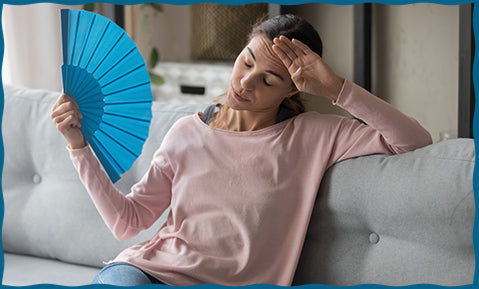
High Metabolism
As a general rule, the more heat your body burns in a day, the hotter it will naturally be by nighttime. Everyone has heard of the metabolic process for burning food, but some people may not realize that metabolism also makes your body a lot warmer than others. The difference between men and women is 23% higher in men, displaying more signs of overheating at night such as sweating, shivering, and an increased heart rate.
Working Out Regularly
You're an athlete or workout regularly. Many perks come with being active and in the gym, for instance you likely have a vigorous, healthy body, lots of energy and often find yourself in a good mood. One downside? You might end up feeling too hot at night because your body does the hard work of muscle repair while asleep. If you're living a healthy lifestyle and have recently increased your workout routine, your thyroid gland can produce more hormones. There are certain nutrients that will cause low blood sugar or even hypoglycemia. This can lead to night sweats. If you are under-fueling or not getting the right kinds of nutrients, it is possible to experience low blood sugar in an overnight sleep cycle.
Fluctuating Levels Of Hormones
Women are especially susceptible to changes in their reproductive hormone levels, and periods often cause less than desirable fluctuations in these levels. As such, the days and nights leading up to a monthly period can be particularly sweaty for women — and pregnant women may also sleep hotter than usual.
Menopause
As your menstrual cycle nears its end, you may experience some discomforts. Some of these are night sweats and hot flashes in women, which can be extremely uncomfortable for many people. In fact, according to a recent Harvard Health study, around 80% of women going through menopause experience this condition. It seems that the intense hormonal changes can make it hard for the body's core temperature to regulate properly.
Side Effects Of Medications
When you're taking prescription drugs that can cause side effects, it's not uncommon to experience increased body temperatures and excessive sweating both during the day and at night. Stopping the use of certain medications can also lead to the development of these symptoms, as well as other withdrawal side effects.
High Humidity
If you're always waking up with a terrible case of heat and sweat, there are a couple reasons why this could be happening. One study suggests that the warmer it is at night, the less sleep you'll get and more often you'll wake up. It's more likely to shift between sleep stages as well. Sometimes, high humidity can impact the body's ability to regulate its temperature, making it difficult to fall asleep.
Absorption Of Body Heat By Mattress
If you're not getting the sleep you need because your bed is too hot during the night, it could be your mattress that's causing the problem. Foams are designed to give their comfort and support but actually trap heat when they're in contact with air, which can create an uncomfortable night or have a negative impact on your sleep quality.
Tips to Cool Down and Get Better Sleep
You may run hotter at night than in the daytime because of environmental or medical reasons, but there are a few steps you can take to cool down and sleep better. Below are five tips you should follow if you're having trouble getting a good night's rest:
- Invest in a good mattress: Cooling down your sleep has never been this easy. A hybrid mattress is the perfect option for people who tend to sleep hot because it supports all-day comfort without compromising support and airflow.
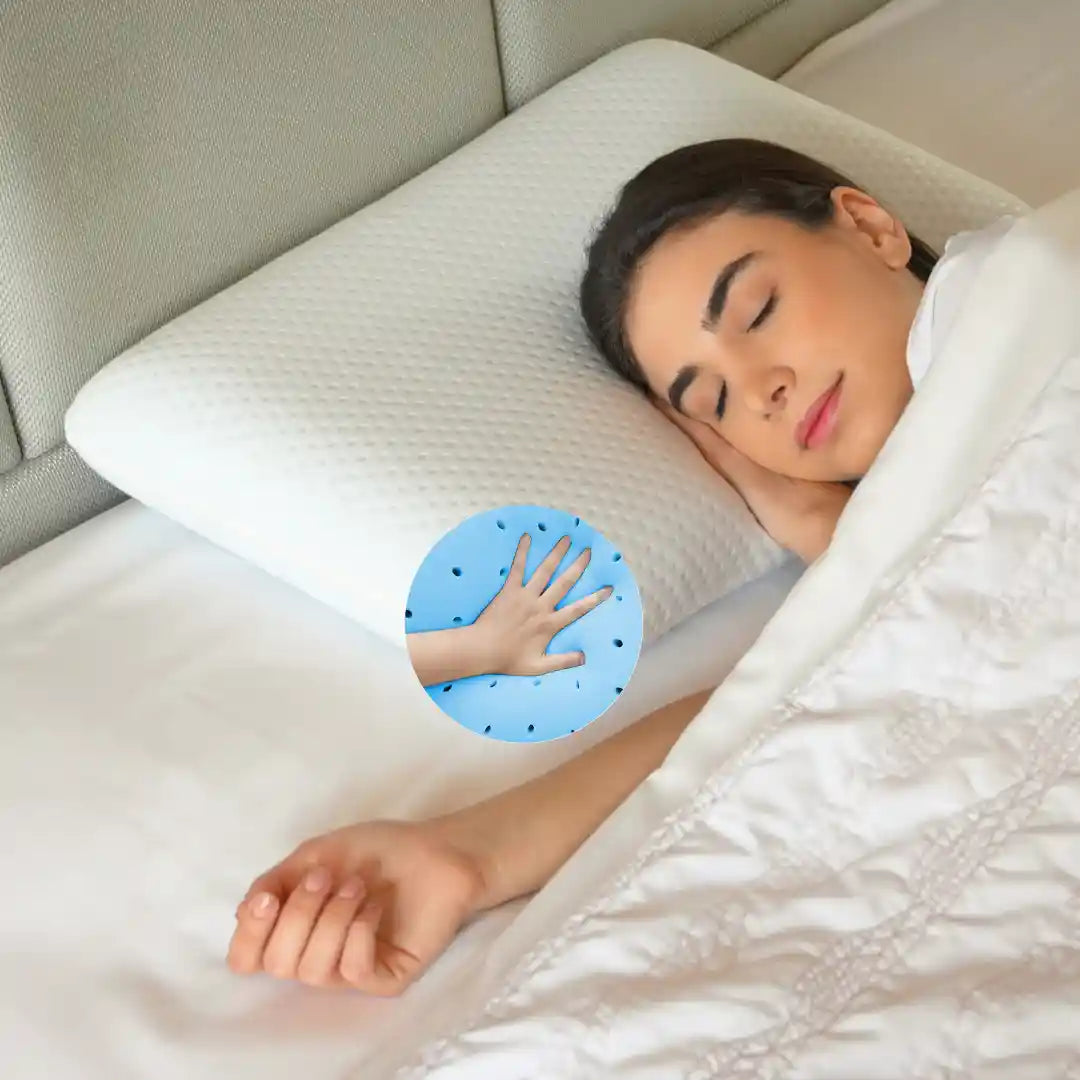
- Get a breathable pillow: If you're looking for an affordable, comfortable sleep experience that can help minimize spread of bed-bug bites, invest in a breathable mattress and bedding made with materials known to increase air circulation.
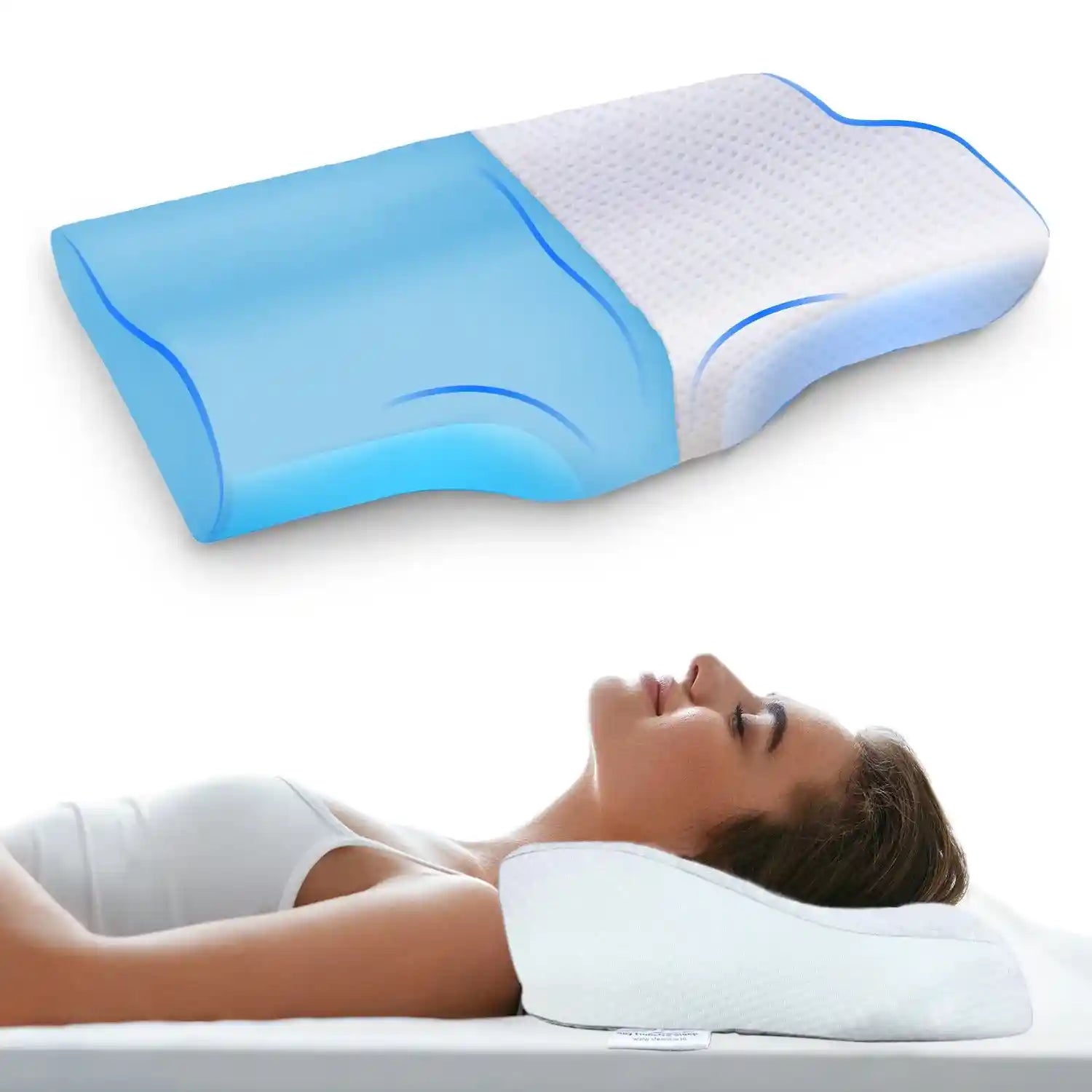
Get yourself a cooling pillow that has mesh panels at both ends to allow for maximum airflow. One brand we would like to recommend is Sleepsia. Sleepsia pillows is a company with the mission of providing great comfort while sleeping. They believe that a day starts on a good note if your night is well spent on the bed, and that's where their focus lies. They offer a variety of different types of pillows, designed to suit your specific needs and preferences. They also have a wide range of options to choose from, so you can find the perfect pillow for you.
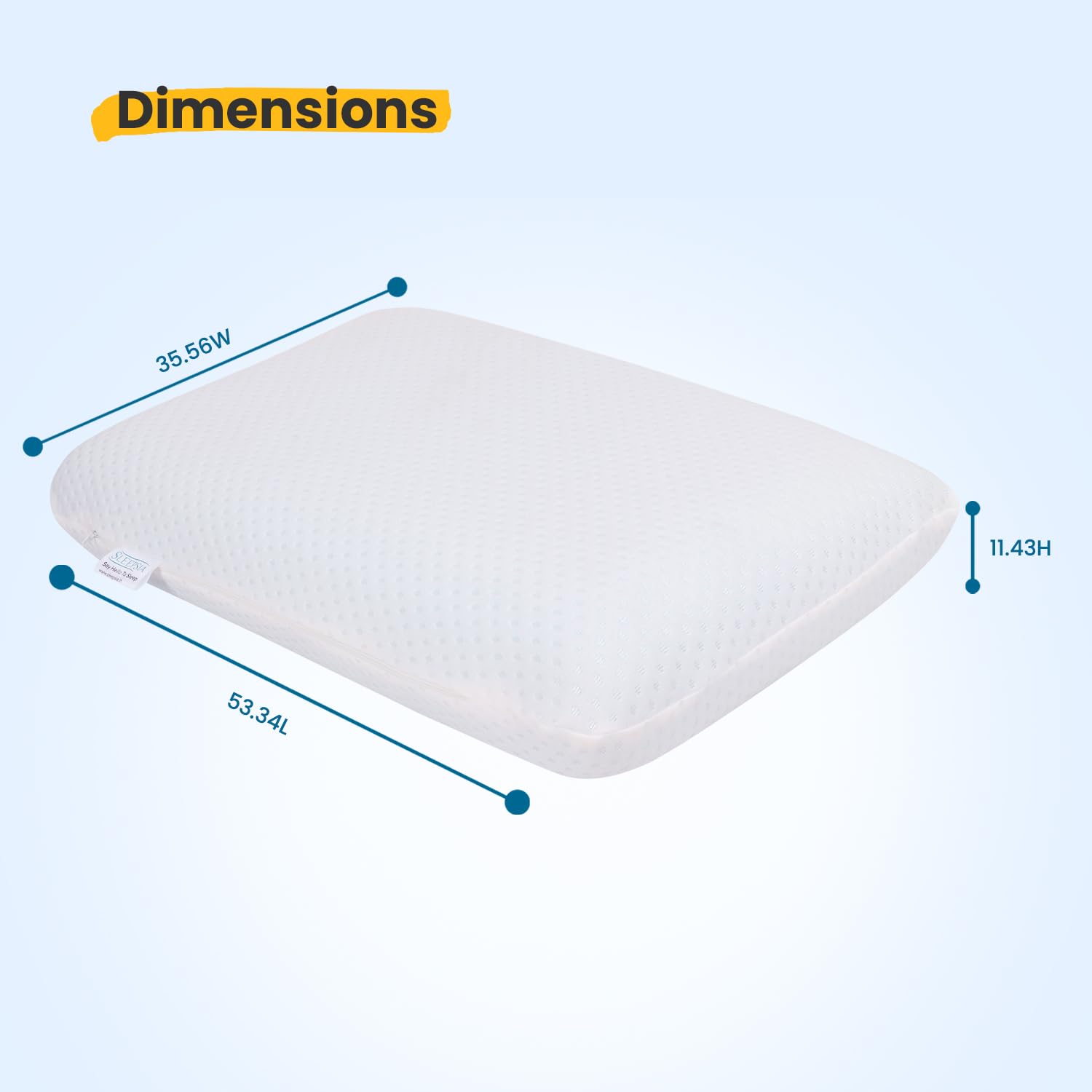
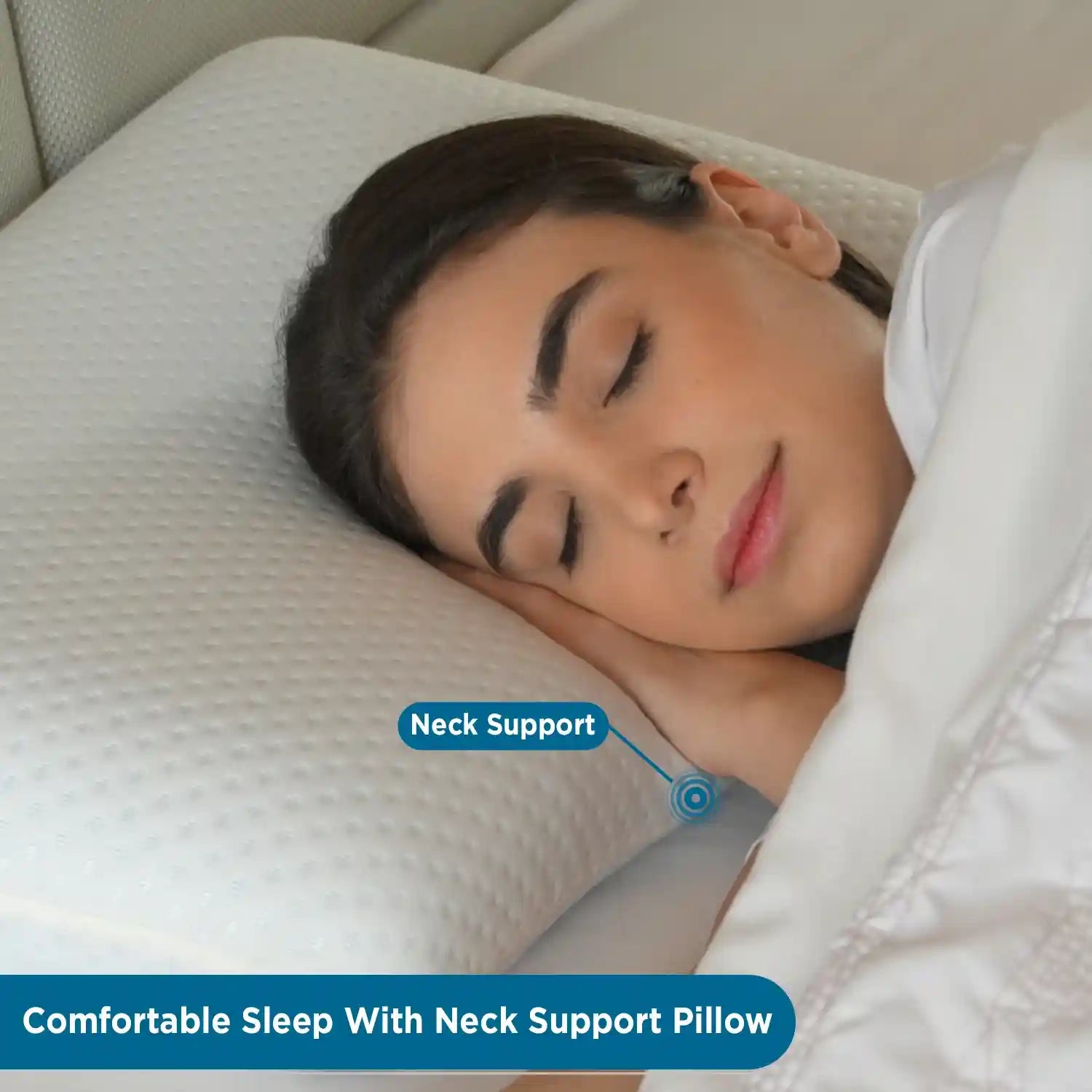
The Sleepsia microfiber pillow is a premium pillow for people who want to get the most out of their sleep. It has an ultra-soft and long-lasting modal fabric cover, which is anti-static and anti-pilling. The unique design of this cloud pillow lets you enjoy your sleep without any pain in the lower neck or joints.
- Set your room temperature: It is important for the bedroom to be comfortable for you to sleep well. The National Sleep Foundation suggests 65 degrees Fahrenheit as the ideal bedroom temperature, though some people may choose up to 67 degrees. The key is finding a temperature that works best for you.
- Try keeping moisture level low: Drying off after a shower or before bed can help you get a better night's sleep, especially during summertime when even the coolest sleepers can wake up with a dry shirt from perspiring. If you're looking for a way to get a better night's sleep, try reducing the ambient humidity and increasing airflow in your bedroom. A dehumidifier will help keep the relative humidity levels between 30%–50%. While a fan will gently circulate air through the room.
- Consult your doctor: Sometimes, night sweats just come from an underlying health issue—such as a hormonal disorder, serious infection, or neurological condition. It's best to speak with your doctor if you believe that's what is causing your symptoms in order to find the right course of treatment. In the long run, environmental solutions might not be enough.
Tips for Getting Good Night's Sleep

There are a few things that you can do to help get good night’s sleep. One is to avoid watching television or working on the computer in bed before going to sleep. These activities tend to keep people up later and make it more difficult to fall asleep.
Another thing you can do is wind down for 30 minutes before bedtime by reading a book, taking a yoga class, or meditating. This will help calm your mind and prepare your body for sleep.
If you struggle with insomnia, try using a noise machine or white noise machine to block out distracting noises while you sleep. Additionally, make sure your bedroom is dark and cool, and avoid sleeping on your stomach or on your left side. Sleeping in these positions can cause neck pain and other health problems.
How to Relax Before Bed
To get the best night's sleep, start by relaxing your body and mind before bed. Here are a few tips to help you get ready for slumber:
- Exercise before bed: A little exercise can help you release endorphins, which are chemicals that promote relaxation. Try taking a brisk walk or doing some light cardio work before bed to help you wind down.
- Create a calming environment: If you're struggling to relax at home, try creating a soothing ambiance in your bedroom. Fill the room with soft lighting and choose calming music to further reduce stress levels.
- Practice meditation or visualization: When you're trying to relax, it's helpful to focus on your breath or some other creative visualization technique. Meditating before bed can help you fall asleep more quickly and wake up feeling refreshed and restored.
If you're having trouble getting good night's sleep, don't hesitate to reach out for help from your trusted healthcare provider or therapist. They can offer guidance on how to sleep fast and de-stress in order to attain quality slumber each night.
Tips to Reduce Nighttime Anxiety
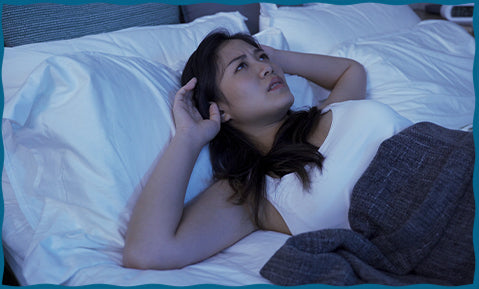
There are a few things you can do to help reduce nighttime anxiety. First, try to get a good night's sleep every night. This will help your body and mind relax and recharge. Make sure that you are comfortable sleeping in a variety of positions, and avoid caffeine and alcohol before bed. Finally, keep a journal about your thoughts and feelings during the day, so you can reflect on them when you're trying to fall asleep.
Tips for a Good Night's Sleep

There are a few things you can do to help get good night’s sleep:
- Make sure your bedroom is dark and cool.
- Keep your room clean and free of electronics screens before bedtime.
- Establish a regular sleep schedule and stick to it as much as possible.
- Avoid drinking alcohol before bed, as it can affect your sleep quality.
Symptoms - Post Traumatic Stress Disorder
How to Avoid Sleep While Studying?
Recent Posts

How Does an Aroma Diffuser Make Your Home Smell Better?

Queen Size Bedsheet Buying Guide: Size, Fabric & Fit Explained

Benefits of Marjariasana (Cat Stretch Pose) & How to Practice

How to Choose the Right Double Bedsheet Size for Your Mattress

Why Does a Cotton Bedsheet Feel Better in Summer? Benefits of Breathable Fabric

Helping Kids Sleep Through the Night: A Parent's Guide

Sleep Solutions for Seniors: Managing Arthritis & Joint Pain at Night

