

What is Sleep Talking?
Have you ever been embarrassed because your friends recorded a video of you sleep talking or because your partner told you what you said last night in your sleep and you couldn't remember anything? You must be asking why this happened to me. You are not alone; it is fairly common for people to sleep talk. In this blog, we will discuss what sleep talking is, why it occurs, and what you can do about it.
Recommended Products






What is Sleep Talking?
Sleep talking is when a person talks out loud while they're asleep. It can range from mumbling to full sentences, and it usually happens during non-REM sleep stages. The sleep talker is unaware that they are speaking and will not recall it the next day.
If you sleep talk, you may speak in entire phrases, nonsense, or in a voice or language that is different from what you use when you're awake. Sleep talking is considered to be harmless.
What are the Causes of Sleep Talking?
Sleep talking happens when parts of our brain are active during sleep. Our vocal cords and muscles can move a little, making sounds that might sound like talking. It is more frequent in children and may run in families.
The exact reason for sleep talking is not known although research shows it is mostly genetic. Children who sleep talk are more likely to have parents who have done or continue to do the same.
Sleep talking generally happens spontaneously and is usually harmless. However, in certain circumstances, it could point to a more important sleep issue or medical condition. Sleep talking appears to be more common in those with mental health issues. It is thought to occur most frequently in those who have post traumatic stress disorder (PTSD). Overall, the majority of occurrences of sleep talking are regarded to be unrelated to mental disorder.
What Are the Symptoms of Sleep Talking?
There are many symptoms of sleep talking from simple mumbling or single words to full sentences or conversations. Most of the time, the person who is sleeping is unaware of their actions, and they are not conscious of what they are saying.
The speech may happen during any stage of sleep, including light or deep sleep, though it’s more common during transitions between different sleep stages. The content of the speech can be random, nonsensical, or even perfectly rational, depending on the individual.
In some cases, the sleep talker can even react to external sounds, like a person waking them up or a noise in the room, and incorporate these things into their speech. Different people have different frequency of sleep talking, some people do it occasionally, while others talk during every night of sleep.
Is Sleep Talking Dangerous?
In most cases, sleep talking is harmless and doesn’t pose any risks. However, it can sometimes be disruptive to others who are trying to sleep. In rare cases, sleep talking may be associated with stress, anxiety, or mental health issues, but again, it’s generally not harmful on its own.
If it’s frequent or accompanied by other sleep disorders like sleepwalking, it may be helpful to consult a doctor to rule out underlying issues, but sleep talking alone is generally not dangerous.
What Do People Say When They Sleep Talk?
People can say all sorts of things when they sleep. Sometimes it's random words or phrases, and other times it might be something that makes sense. It can be funny, confusing, or even a little scary if you're not used to it.
The myth that people confess their deepest, darkest secrets in their sleep only exists in Hollywood films, not in real-life bedrooms. Sleep talking typically sounds more like gibberish than meaningful speech.
How to Stop Talking in Sleep?
Although there is no understood treatment for sleep talking, a sleep specialist or sleep center may be able to assist you in managing your issue.
Maintaining a good sleeping pattern can assist in managing sleep talk. Maintaining a good sleeping pattern entails sleeping at the proper time and for the appropriate duration. It is critical to receive excellent quality sleep.
Sleep hygiene is also important in managing sleep talk and reducing its frequency and severity. The sleeping area should be noise-free. A room with dim lighting, dark drapes, a nice mattress, and a pillow with clean sheets can all promote restful sleep.
Following a sleep pattern with a strict sleep schedule is also necessary. Sleeping and waking at the same time can also help to reduce sleep chatter.
Most people sleep when they are stressed, unhappy, or anxious, thus avoiding physical and emotional stress is crucial. It is beneficial to relax and avoid stressful activities before going to bed.
If sleep talking is causing concerns, such as insufficient sleep, consult a doctor. They can look for underlying issues and offer solutions to help.
How Can Bed Partners of Sleep Talkers Get Better Sleep?
For bed partners of sleep talkers, getting a good night’s sleep can be challenging. While sleep talking itself is usually harmless, the sounds and interruptions it causes can disturb the partner’s rest.
To cope with sleep talking, one solution is using earplugs, which can block out noise and allow for more peaceful sleep. Another option is using a white noise machine, which creates a consistent sound that can mask the sleep talker’s words and reduce the impact of disturbances.
Creating a consistent sleep schedule and managing stress may also help reduce sleep talking. Managing stress and anxiety through relaxation techniques, such as meditation or deep breathing, can also help decrease sleep disturbances.
Conclusion
Sleep talking is a fascinating part of sleep that many people experience at some point. It's usually harmless and can even be amusing. Understanding why it happens and how to manage it can make sleep talking less mysterious and more manageable.
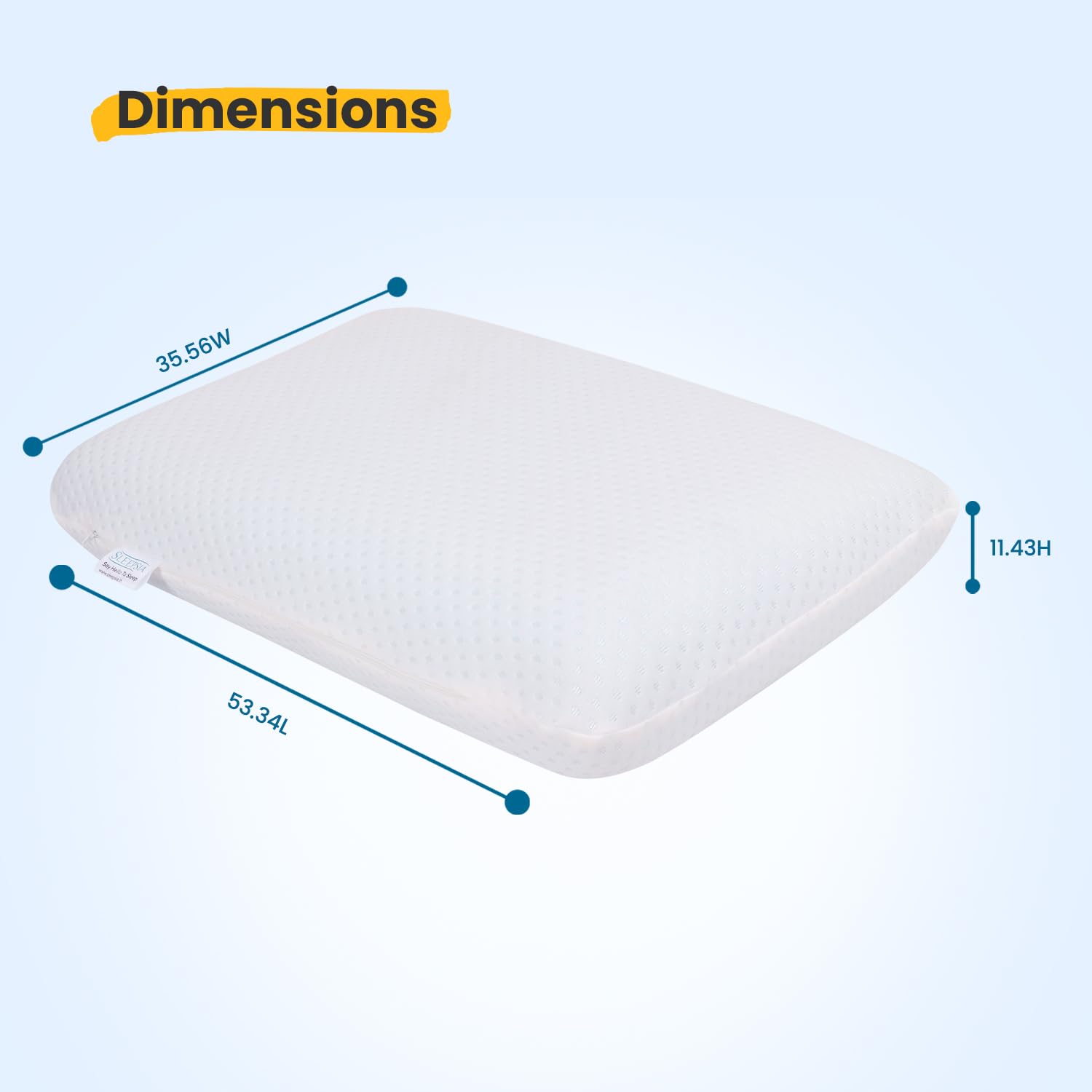
One thing you can do to improve the over quality of your sleep is to invest in a good quality pillow and mattress. A memory foam pillow can do wonders for you. Memory foam pillows are intended to relieve aches and pains, improve allergy sufferers' sleep, and provide a more comfortable overall experience. Give yourself the ultimate sleep improvement and discover the difference a memory foam pillow can make.
FAQ
Q. Is Sleep Talking a Problem?Ans. Usually, sleep talking isn't a big problem. It's harmless for most people and doesn't need treatment. But if it happens a lot or keeps someone awake, a doctor might be able to help.
Q. Does anyone have any memories of sleep talking?Ans. The person who talks while they sleep doesn't realize they're talking, and they won't recall it later.
ఆరోగ్యకరమైన నిద్రను ఎలా ఏర్పాటు చేయాలి?
Can Warm Milk Help You Sleep Better?
Recent Posts

Winter Sleep Essentials: Layering Bedsheets and Nightwear

Frozen Shoulder & Nighttime Pain: Pillow Positioning Tips

Benefits of Paschimottanasana (Seated Forward Bend Pose) & How to Practice It

Long Pillow for Bed: Benefits & Who Should Use One

Double Bed Sheet with Pillow Cover: How to Choose the Right Bedding Set

Benefits of Janu Shirasana (One-Legged Forward Bend Pose) & How to Practice It

Back Support Pillow for Office: Why It Matters for Long Sitting

