

Sleep Disorders with ADHD
This article breaks down all the different sleep disorders, such as insomnia, some types of sleep apnea, and narcolepsy that are commonly seen in ADHD patients. It also discusses how to overcome these disorders so that you can enjoy a good night's sleep.
Recommended Products




What is ADHD?

ADHD is a disorder that affects attention and behavior. It’s been estimated that up to 20 percent of children have ADHD, which can make it difficult to concentrate, stay organized, and behave effectively.
People with ADHD may have difficulty staying on task, belonging to groups, and following directions. They may also have trouble focusing on one task for an extended period of time or remembering details from one activity to the next.
There are many different treatments for ADHD, including medication and therapy. If you think you might have ADHD, talk to your doctor about your symptoms and treatment options.
What Are the Different Types of Sleep Disorders?

There are many different types of sleep disorders. Here are a few:
- Sleep apnea is a disorder where people stop breathing during sleep. It is the most common type of sleep disorder in the United States and can be caused by problems with muscles that control breathing, such as those in the neck or chest.
- Circadian rhythm sleep disorder (CRSD) is a condition in which people have trouble regulating their body's natural sleep-wake cycle. This can lead to problems like feeling tired during the day even when they're not sleeping enough at night.
- Narcolepsy is a disorder that causes people to suddenly fall asleep or have sudden attacks of daytime sleepiness (DSS). It's most common in young adults and often runs in families.
- Parasomnia is a category of sleep disorders that includes things like REM behavior disorder, restless leg syndrome, and periodic limb movement disorder (PLMD). These conditions cause people to have unusual movements during sleep, usually without any muscle activity or awareness on their part.
The Effects of Sleep Disorders on ADHD

There is a lot of evidence that indicates sleep disorders can have a significant impact on ADHD. A study published in the journal Sleep found that people with ADHD are more likely to suffer from sleep problems than people without ADHD. This includes trouble falling asleep, staying asleep, and having poor quality sleep.
Sleep deprivation has also been shown to worsen symptoms of ADHD. In one study, participants were asked to complete tests before and after they slept for 7 hours. The participants who slept less than 5 hours had lower scores on the tests than those who slept 7 hours or more.
It’s not just lack of sleep that can impact ADHD. People with ADHD are also more likely to have other sleep-related issues such as restless leg syndrome (RLS), snoring, and apnea. All of these conditions can interfere with your ability to fall asleep and stay asleep, which can aggravate your symptoms of ADHD.
If you think you may have a sleep disorder, talk to your doctor. He or she can help you diagnose the problem and start treatment if necessary. If you’re struggling with ADHD and poor sleep, there are some things you can do to improve both conditions:
- Make sure you get enough rest – Most people need around 7-8 hours of sleep per night to function well. If you’re finding it hard to get enough restful shut-eye, try scheduling regular “sleep days” where you don't do anything other than relax and sleep.
- Avoid stimulants close to bedtime – Stimulants such as caffeine, nicotine, and energy drinks can affect your ability to fall asleep and stay asleep. If you need to take a stimulant to help you focus during the day, try to wait until after you’ve gone to bed to take it.
- Manage stress – If you’re struggling with ADHD and poor sleep, it’s likely that your stress levels are contributing to both conditions. Try some relaxation techniques such as yoga or meditation to help manage your stress levels.
If you think your ADHD is impacting your sleep, talk to your doctor. He or she may be able to recommend treatments that will improve both your ADHD symptoms and your sleep quality.
Natural Ways to Fall Asleep with ADHD
There are a few natural ways to fall asleep that don’t involve medications. If you find it difficult to fall asleep, try one of these methods:
- Try counting sheep: This method helps people to relax and fall asleep by focusing on something calming like counting sheep. Simply close your eyes and count aloud every 1-3 seconds until you drift off.
- Drink chamomile tea before bedtime: Chamomile is a relaxing herb that has been shown to help people with sleep troubles such as ADHD. Add some honey or lemon if you want to make the tea more refreshing. Drinking chamomile tea before bed can help improve sleep quality for those with ADHD as well!
- Exercise before bedtime: Exercise can help induce sleepiness and improve overall health, which can also be beneficial for people with ADHD. Make sure to start your workout 30 minutes before bedtime so that you have enough time to wind down before sleeping.
- Relax and meditate before bedtime: Yoga or meditation can increase relaxation and lead to a good night’s sleep – even for those with ADHD! Try practicing for 10-15 minutes before bed each evening, journaling about your thoughts and feelings during the practice, and turning off all electronic devices an hour before sleep in order to avoid distractions from screens.
How Can You Tell If You Have A Sleep Disorder?

There are a few things you can do to help determine if you have a sleep disorder. First, ask yourself if you experience any of the following: difficulty falling asleep, staying asleep, waking up often during the night, feeling tired during the day even after getting enough sleep, feeling restless or anxious throughout the night, or feeling like you don’t get a good night’s sleep. If so, consider seeking help from your doctor.
Another way to determine if you have a sleep disorder is to take a sleep history questionnaire. This tool helps identify any patterns in how you sleep and how you feel throughout the day. The questionnaire can also help your doctor rule out other possible causes of your symptoms such as ADHD or anxiety disorders. If you think you may have a sleep disorder, talk to your doctor about what might be causing it and how best to address it.
What are the Alternatives to ADHD Medication?
There are many alternative treatments for ADHD, and it is important to explore all of them before deciding which one is the best for you. Some of the most common alternative treatments include diet changes, supplements, yoga, martial arts and meditation.
Some people find that diet changes are the best way to treat their ADHD. They may need to adjust their caloric intake or eliminate certain foods from their diet altogether. Supplements can also be helpful in treating ADHD, as can medications like omega-3 fatty acids and B vitamins. Yoga Asanas and martial arts have been shown to help people with ADHD focus better and manage stress better. Meditation has also been found to be helpful in treating ADHD, both mentally and physically.
The Pillow That Can Help You Get Good Night’s Sleep

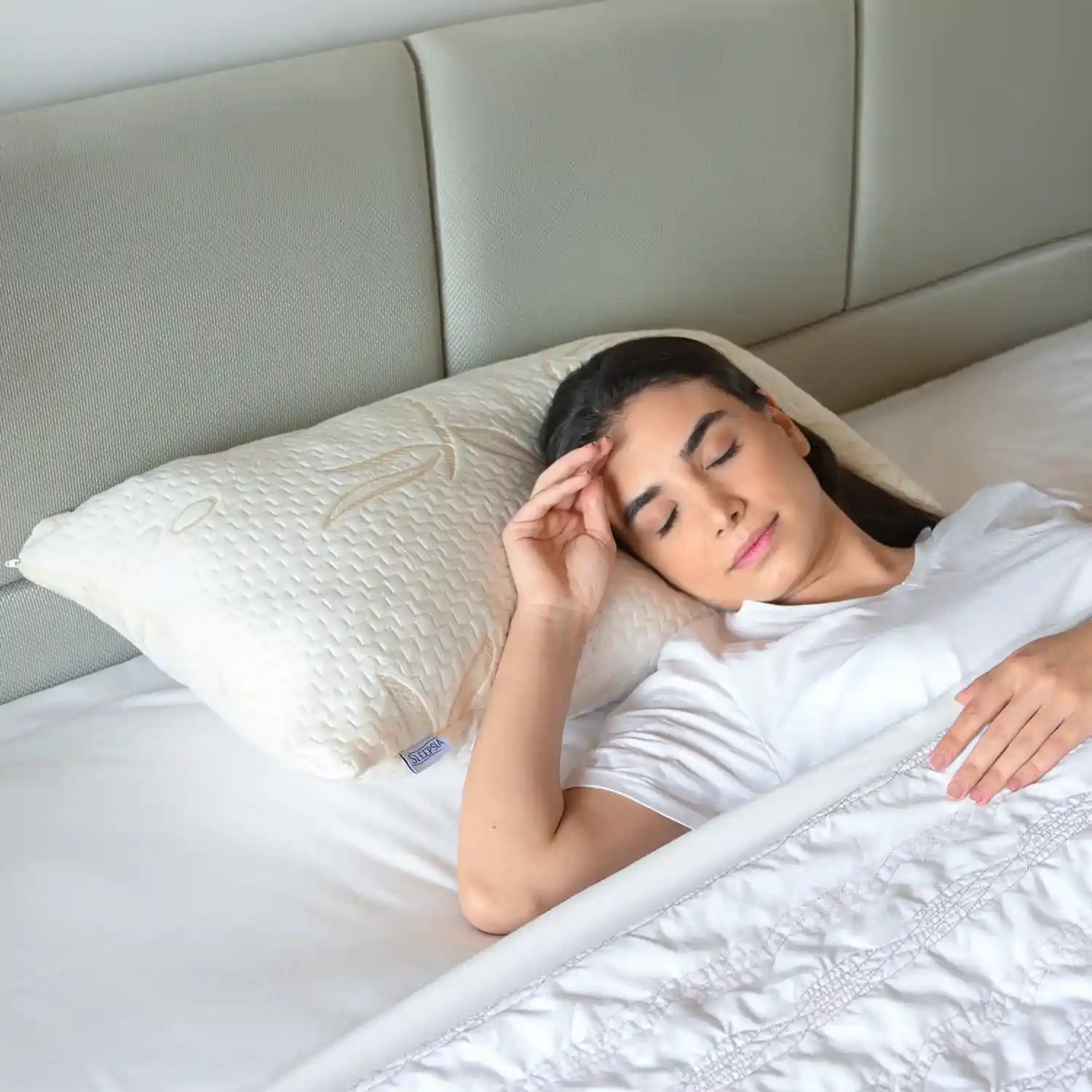
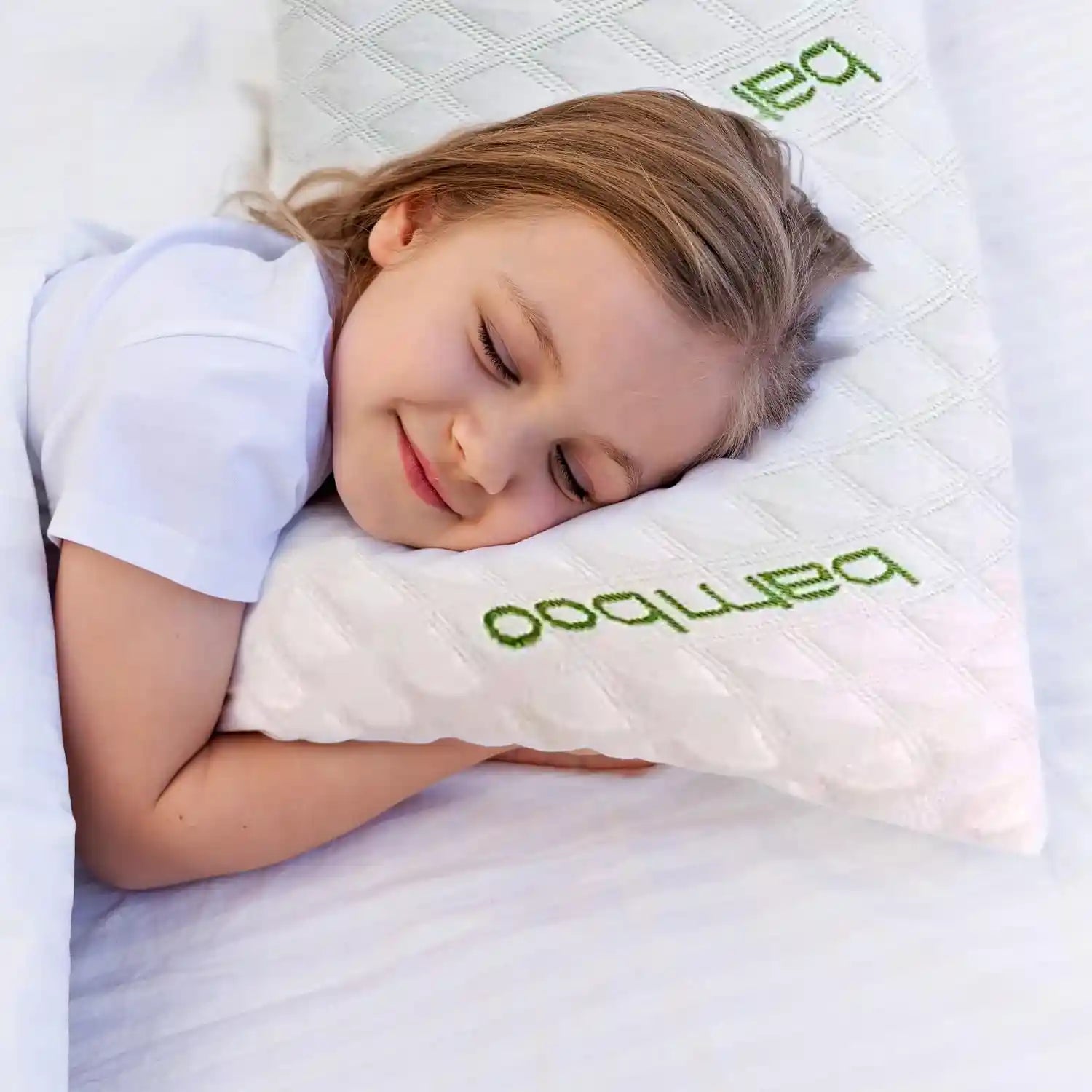
One of the most common complaints people have about sleep is that they can't get enough of it. Unfortunately, for many people, getting a good night's sleep isn't easy. One issue many people have is trouble sleeping through the night because their pillow doesn't provide the right support.
A good pillow should be firm but comfortable, and it should contour to your body so you can get the support you need to fall asleep quickly and stay asleep. If you're struggling to find a good pillow that meets all of these requirements, consider investing in a memory foam pillow. Memory foam is specially designed to conform to your head and neck, which makes it perfect for people who experience problems sleeping on other types of pillows.
Memory foam also helps reduce pressure on your neck and spine, which is important if you've been diagnosed with cervical or spinal cord compression. Additionally, memory foam is a great option for people who suffer from allergies or asthma since it doesn't cause any irritation.
Conclusion
If you're struggling to get a good night's sleep, or if you know someone who struggles with ADHD, it can be tough to know what to do. While there is no one-size-fits-all answer to solving sleep disorders or ADHD, there are some things that you can do to help. In this article, we have discussed some of the most common sleep disorders and how they can affect people with ADHD, as well as provide advice on how to overcome them. Hopefully this will give you some ideas on where to start when it comes to resolving these issues in your life.
Recent Posts

7 Benefits of Shishuasana (Child Pose) and How to Practice It Correctly

Benefits of Eka Pada Raja Kapotasana (Pigeon Pose) & How to Practice

How Does an Aroma Diffuser Make Your Home Smell Better?

Queen Size Bedsheet Buying Guide: Size, Fabric & Fit Explained

Benefits of Marjariasana (Cat Stretch Pose) & How to Practice

How to Choose the Right Double Bedsheet Size for Your Mattress

Why Does a Cotton Bedsheet Feel Better in Summer? Benefits of Breathable Fabric

