

Circadian Rhythm Disorders: Types, Symptoms, Diagnosis & Treatment
A disrupted circadian rhythm may be the cause of your difficulties falling asleep or waking up at the times you like. A person's desire to sleep and their level of fatigue are influenced by this cycle.
Your circadian rhythm is essentially a 24-hour cycle that regulates sleep, wakefulness, and various biological processes in your body. Exposure to blue light is one of the external variables that might disrupt a regular circadian cycle. Circadian rhythm abnormalities can also be brought on by jet lag and shift employment.
In this blog, We will look into the various kinds of circadian rhythm disorders, their symptoms, and possible treatment options, so you can get a better perspective on how to control them.
Recommended Products




What are Circadian Rhythm Disorders?
Circadian rhythm disorders occur when the natural timing of your sleep-wake cycle is out of sync with your environment, causing sleep difficulties and other health issues. These disruptions can be triggered by various factors, such as shift work, jet lag, or even lifestyle choices.
Types of Circadian Rhythm Disorders
There are several types of circadian rhythm disorders, each affecting people in different ways.
Here are the most common ones:
Delayed Sleep Phase Disorder (DSPD)
You have a far later sleep/wake schedule than most people. Children and teenagers are more likely to experience it.
The symptoms of delayed sleep phase disorder is having difficulty falling asleep before 2 a.m, difficulty waking up in the morning, even with an alarm or a tendency to feel more alert and active at night.
Advanced Sleep Phase Disorder (ASPD)
You wake up and go to bed sooner than most people. This can be especially problematic for people who have a more traditional work or school schedule.
The symptoms of having advanced sleep phase disorder are falling asleep very early in the evening ( around 6-8 p.m), waking up very early (around 2-4 a.m.) or feeling extremely tired in the evening hours.
Irregular Sleep-Wake Rhythm Disorder
Your wake and sleep cycles occur at irregular, erratic periods. People who have dementia or other degenerative brain disorders typically experience this.
The symptoms of having irregular sleep-wake rhythm disorder are falling asleep at irregular times, with no consistent pattern or feeling tired throughout the day or fragmented sleep ( e.g., taking several naps).
Shift Work Disorder
You struggle to fit your job schedule with your circadian rhythm. If you work night shifts, you're more likely to experience this.
The symptoms of having shift work disorder are difficulty falling asleep after a night shift, chronic fatigue, decreased alertness during work hours or poor sleep quality.
Jet Lag Disorder
You're not in sync with your usual day/night pattern because you recently traveled to a different time zone.
The symptoms of jet lag disorder are difficulty in falling asleep or staying awake at the right times, fatigue or exhaustion, difficulty focusing or concentrating or stomach problems (e.g., indigestion).
Common Symptoms of Circadian Rhythm Disorders
While the symptoms of each type of disorder can vary, there are some common signs that might indicate you’re dealing with a circadian rhythm issue:
- Chronic fatigue: Feeling tired despite getting a full night’s sleep.
- Difficulty waking up: Struggling to get out of bed in the morning, even after sleeping for hours.
- Sleep disturbances: Experiencing poor-quality or interrupted sleep.
- Mood changes: Feeling more irritable, anxious, or depressed due to lack of proper sleep.
- Reduced performance: Difficulty concentrating or staying alert during the day.
Diagnosis of a Circadian Rhythm Sleep Disorders
Your doctor can easily diagnose circadian rhythm sleep disorder using a combination of methods such as reviewing your medical history, asking about your symptoms, sleep habits, and surroundings, performing a physical examination, and ordering diagnostic testing.
- Questionnaires about medical history: Inquiring about your symptoms, sleeping patterns, and any changes or problems impacting your personal or professional life are all part of this.
- Monitor sleep pattern: To monitor your sleeping habits, your healthcare professional could advise you to maintain a journal or sleep log.
- A neurological and physical examination: These search for indications or symptoms of any illness that might be creating or exacerbating problems with the circadian rhythm.
- Laboratory testing: These consist of blood, urine, and saliva testing. These search for and measure hormone levels as well as other indicators that may point to the kind or cause of your circadian rhythm issue.
- Imaging tests: Magnetic resonance imaging (MRI) and computed tomography (CT) scans can be used to identify potential causes of disorder.
- Actigraphy: Actigraphy measures your sleep-wake cycles by having you wear a tiny motion sensor for three to fourteen days.
Also Read:- Sleep Disorders and Problems
Treatment Options for Circadian Rhythm Sleep Disorders
The good news is that circadian rhythm sleep disorders can often be managed and treated with the right approach.
Here are some common treatment options:
Light Therapy
Exposure to bright light at specific times of the day can help reset your internal clock. For instance, people with DSPD might benefit from morning light exposure, while those with ASPD may need evening light exposure to shift their sleep-wake cycle.
Melatonin Supplements
Melatonin, a hormone that helps regulate the sleep-wake cycle, can be taken in supplement form to help reset your rhythm. This is especially useful for people dealing with jet lag or shift work.
Cognitive Behavioral Therapy for Insomnia (CBT-I)
This type of therapy focuses on changing unhealthy sleep habits and addressing any psychological factors that may be affecting sleep. It’s particularly effective for people whose circadian rhythm disorder also involves insomnia.
Sleep Hygiene Improvements
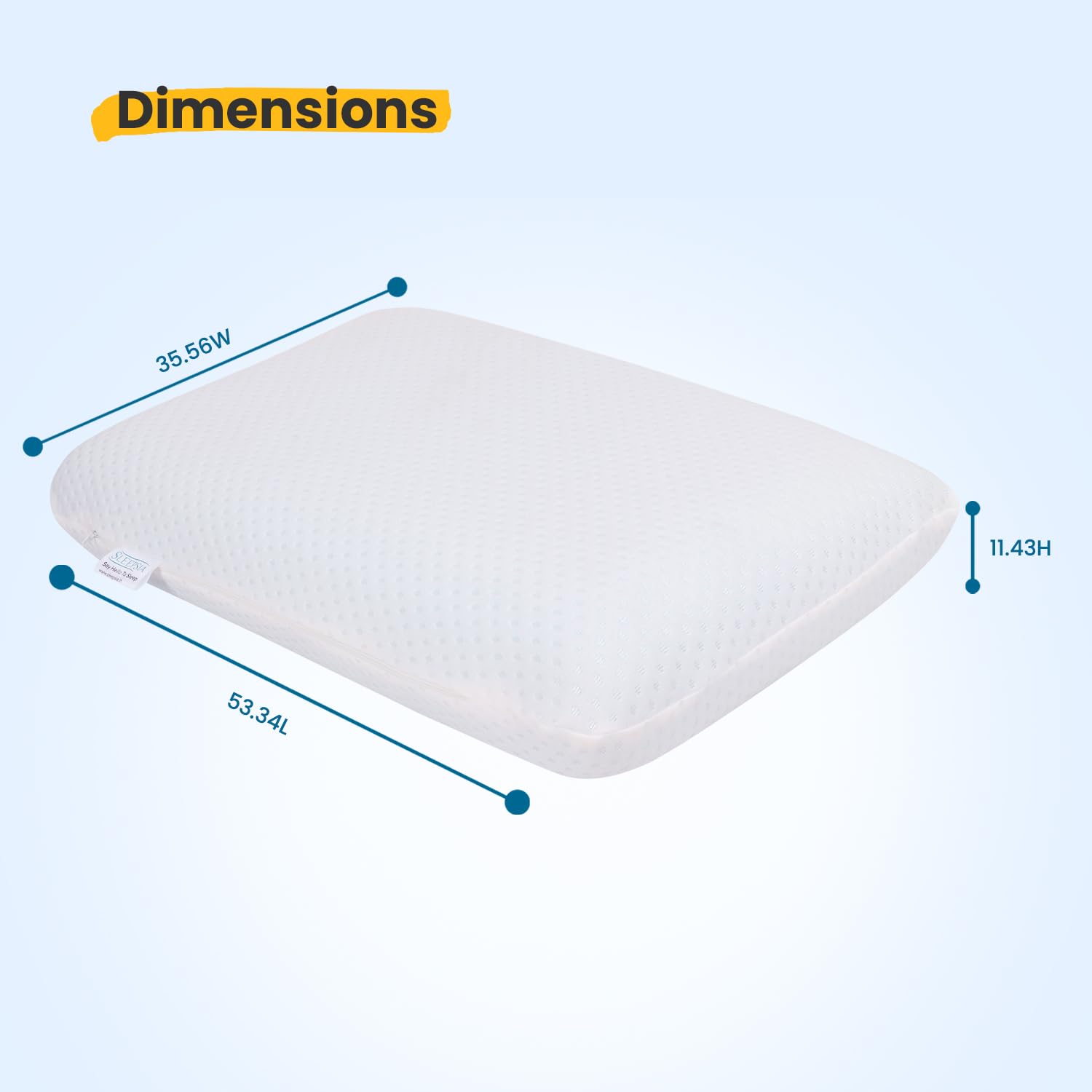
Simple changes to your environment and routine can make a big difference. For example, maintaining a consistent sleep schedule, limiting caffeine intake, and creating a dark, quiet sleep environment, using a high quality memory foam pillow can help you get better rest.
Gradual Sleep Schedule Adjustment
If your circadian rhythm disorder is related to your sleep schedule (like DSPD or ASPD), gradually adjusting your sleep and wake times by 15–30 minutes each day can help you align your internal clock with your external environment.
Conclusion
Circadian rhythm disorders can significantly impact your quality of life, but the good news is they are treatable. Whether through light therapy, melatonin supplements, or other lifestyle adjustments, you can realign your body’s clock to help you get better sleep and feel more energized during the day.
Remember, your body’s internal clock plays a vital role in your overall health. Taking steps to fix any rhythm misalignments will not only improve your sleep but also your energy, mood, and overall well-being.
Recent Posts

Top Benefits of Baddha Konasana (Butterfly Pose) & How to Do It

Pran Mudra Benefits: How to Do It, Health Benefits & Best Time to Practice

Bhramari Pranayama: Benefits, Steps, and Breathing Technique

Top 10 Benefits of Vajrasana (Thunderbolt Pose) for Health

Hatha Yoga for Beginners: Benefits, Poses, and How to Start

Hypnic Jerk: Why You Twitch When You Sleep

What Are the Benefits of Doing Surya Namaskar (Sun Salutation)?

