

10 Tips to Enhance Your Sleep Quality
Are you feeling tired and groggy throughout the day, no matter how much you sleep at night? You're not alone. Many people struggle with poor sleep quality, which can impact their overall well-being and productivity. But fear not!
In this blog post, we'll explore ten easy-to-follow tips that can help enhance your sleep quality and leave you feeling refreshed and rejuvenated every morning.
Recommended Products




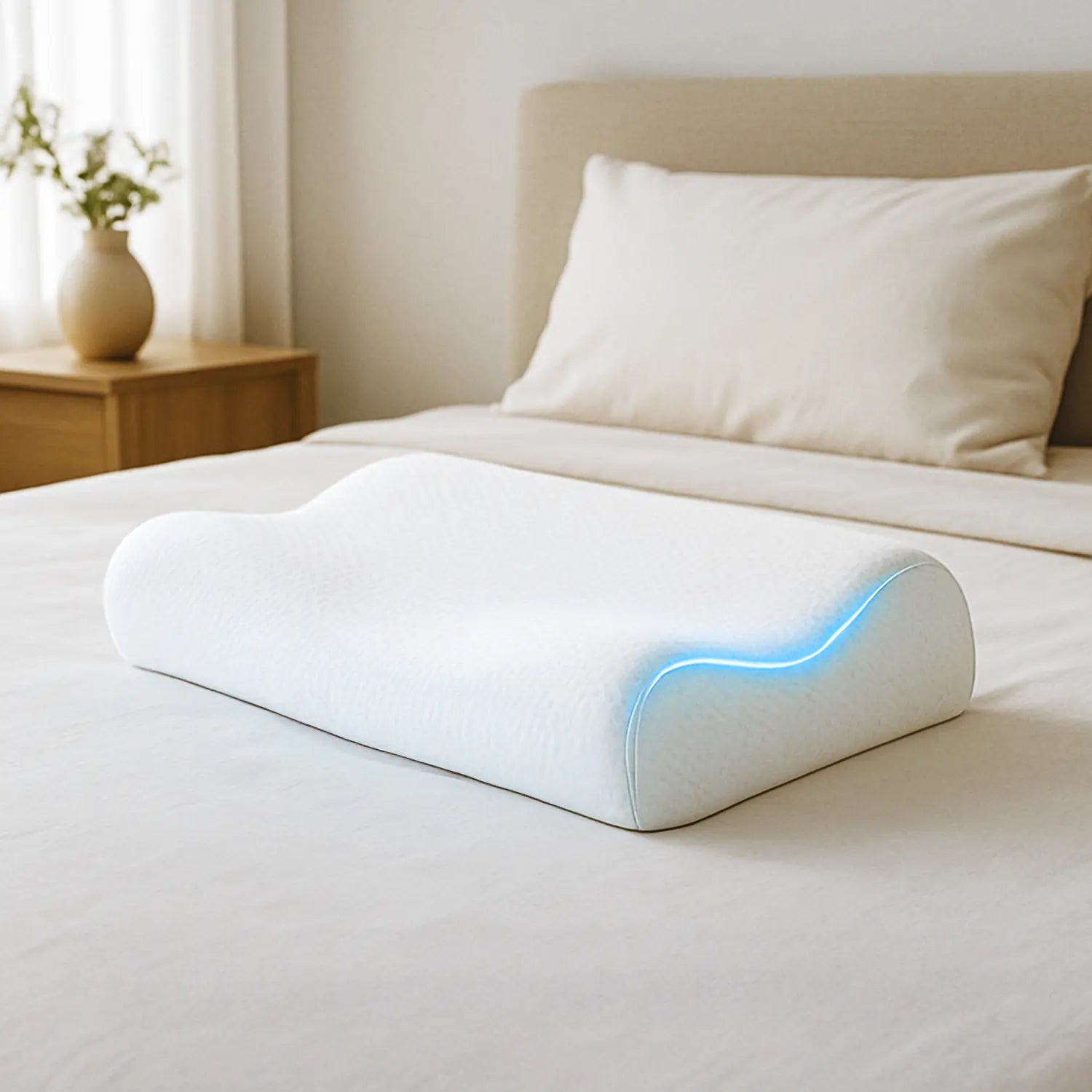

Tips to Sleep Better at Night
Here are some tips to better sleep at night:
1. Stick to a Consistent Sleep Schedule
One of the most important factors for good sleep quality is maintaining a consistent sleep schedule. Try to go to bed and wake up at the same time every day, even on weekends. This helps regulate your body's internal clock, making it easier to fall asleep and wake up naturally.
If you want to know about worst and best sleeping positions that would be beneficial for you, as that would help you sleep better.
Avoiding drastic changes in your sleep schedule can also prevent disruptions to your circadian rhythm, which is crucial for quality sleep.
2. Create a Relaxing Bedtime Routine
Developing a relaxing bedtime routine can signal to your body that it's time to wind down and prepare for sleep. This routine can include activities such as taking a warm bath, reading a book, or practicing relaxation techniques like deep breathing or meditation.
Avoid stimulating activities like watching TV or using electronic devices, as the blue light emitted from screens can interfere with your body's natural sleep-wake cycle.
3. Make Your Bedroom Sleep-Friendly
Your bedroom environment plays a significant role in the quality of your sleep. Make sure your bedroom is cool, quiet, and dark, as these conditions promote better sleep. Invest in a comfortable mattress and pillows that support your body and help reduce discomfort during the night.
Consider using blackout curtains or an eye mask to block out any light that may disrupt your sleep. Additionally, remove any distractions, such as electronic devices or clutter, from your bedroom to create a peaceful and calming sleep environment.
4. Watch Your Diet and Exercise Habits
A healthy diet and regular exercise might help us relax and sleep better. The contrary is also true: a poor diet and little exercise can prevent us from sleeping comfortably.
Avoid eating heavy meals before bedtime. If possible, avoid caffeine (such as coffee), alcohol, and nicotine before bedtime, as these are stimulants that increase alertness. Stimulants are a common source of sleep disturbance.
The typical recommendation is to avoid stimulants one to two hours before bedtime. Try it and see if things get better.
Regular exercise promotes sleep, but avoid doing anything too strenuous in the 90 minutes before bedtime if it prevents you from sleeping.
5. Manage Stress and Anxiety
Stress and anxiety can take a toll on your sleep quality, making it difficult to relax and fall asleep at night. Finding healthy ways to manage stress can help improve your sleep patterns. Practice relaxation techniques such as yoga asanas, meditation, or deep breathing exercises to calm your mind and body before bedtime.
Engaging in activities that you enjoy, such as hobbies or spending time with loved ones, can also help reduce stress levels and promote better sleep. If you're struggling with persistent anxiety or stress, consider seeking support from a mental health professional.
6. Limit Exposure to Screens Before Bed
The blue light emitted by smartphones, tablets, computers, and TVs can interfere with your body's production of melatonin, the hormone that regulates sleep. To improve your sleep quality, try to limit your exposure to screens at least an hour before bedtime.
Instead, engage in calming activities such as reading a physical book, listening to soothing music, or practicing relaxation exercises. If you must use electronic devices, consider using blue light filters or special apps that reduce blue light emission in the evening.
7. Create a Comfortable Sleep Environment
It's often easier to fall asleep in a calm, dark, and chilly setting; nevertheless, the ideal sleep environment is unique to each individual, so experiment and see what works best.
For many of us, silence is essential when it comes to sleeping, so wearing earplugs and turning your phone to silent mode (or leaving the room entirely) can help keep things quiet.
Good drapes or blinds can help keep a room dark and prevent unwanted light by keeping clocks out of sight and phones facing down.
Make sure your room is at the appropriate temperature for you and sufficiently aired, as a cold room is usually preferable to a hot or stuffy one for sleeping.
8. Practice Mindfulness and Gratitude
Anxiety and stress can all have an impact on our sleep quality. Fortunately, there are things you can do on a daily basis to help manage your anxieties, such as talking to a trusted friend or writing down your problems in a notebook.
If you frequently lie awake fretting, set aside time before bed to prepare a to-do list for the next day; this can help to put your mind at ease.
9. Establish a Pre-Sleep Wind Down Period
Creating a pre-sleep wind down period can signal to your body that it's time to transition from wakefulness to sleep. This period can involve gentle activities that promote relaxation and calmness, such as gentle stretching, writing in a journal, or sipping a cup of caffeine-free herbal tea.
Avoid engaging in stimulating or mentally taxing activities during this time, as they may interfere with your ability to unwind and prepare for sleep. By establishing a consistent pre-sleep routine, you can train your body to associate these activities with bedtime, making it easier to fall asleep naturally.
10. Seek Professional Help if Needed
If you've tried various strategies to improve your sleep quality without success, consider seeking help from a healthcare professional. Chronic sleep disturbances may be a sign of underlying medical conditions such as sleep apnea, insomnia, or restless legs syndrome.
A healthcare provider can evaluate your symptoms, conduct diagnostic tests if necessary, and recommend appropriate treatment options to address the root cause of your sleep problems. Don't hesitate to reach out for support if you're struggling with persistent sleep issues that impact your quality of life.
Conclusion
You can easily improve your sleep quality by following a consistent sleep schedule, creating a good sleep environment and by following the tips given above. But one thing you might not have thought about is your pillow.
Your pillow is important because it supports your head and neck while you sleep. If you're waking up with a sore neck and feeling tired the whole day, it is the best time to think about getting a new pillow.
Memory foam pillows are a good option because they mold to the shape of your head and neck, giving you personalized support. This can help reduce any discomfort while sleeping and make your sleep more restful so that you can perform well during the day.
So, if you're looking to improve your sleep quality and get deep sleep at night, consider trying out a Sleepsia memory foam pillow. It could make a big difference in how you feel when you wake up in the morning.
How to Choose the Best Pillow for Sleeping: A Complete Guide
Sleeping Against the Clock: Shift Work Tips for Men
Recent Posts

Can You Use a Humidifier and Aroma Diffuser Together? What You Should Know

How Long Can You Run a Diffuser in a Room? Safety & Usage Tips

Where Should You Place a Room Diffuser for Better Fragrance Distribution?

7 Benefits of Shishuasana (Child Pose) and How to Practice It Correctly

Benefits of Eka Pada Raja Kapotasana (Pigeon Pose) & How to Practice

How Does an Aroma Diffuser Make Your Home Smell Better?

Queen Size Bedsheet Buying Guide: Size, Fabric & Fit Explained

