

What is the 10-3-2-1-0 Rule for Sleep?
Sleep is so important that most Indians will do or give everything to get more sleep. Many people skip breakfast and instead eat finger foods to save time. Many people would skip their morning baths or even clean their teeth. On the other hand, the 10-3-2-1-0 sleep rules do not require you to make any sacrifices (well, only one). It does provide a constant schedule to follow.
In this blog, we’ll learn more about the 10-3-2-1-0 sleep rule and how it can help you improve your sleep quality.
Recommended Products







What is the 10 3 2 1 0 Sleep Rule?
The 10-3-2-1-0 sleep rule is an easy-to-remember method of structuring your bedtime routine to practice good sleep hygiene habits. This guideline is a favorite of sleep experts, and it is frequently shared on social media, generating positive reactions from people looking for simple ways to learn how to sleep better.
The 10-3-2-1-0 sleep rule consists of five separate steps. Here is a quick synopsis, and we'll go over each step in greater detail below:
- 10 hours before bed: No more caffeine.
- 3 hours before bed: No more food or alcohol.
- 2 hours before bed: No more work.
- 1 hour before bed: No more screens.
- 0: The number of times you hit the snooze button in the morning.
10 Hours Before Bed: No More Caffeine
Caffeine in tea, coffee, chocolate, and some sodas is an easy way to feel alert, but it can take up to an hour to kick in and have effects that last six to ten hours. This includes feeling stimulated and anxious, which are not ideal for trying to sleep. (If worries keep you awake, check out our psychologist-led feature on how to sleep with worry.)
If you can't live without caffeine, the nicest part about the 10-3-2-1-0 sleep rule is that it's not absolutely prohibited, so you can still have tea or coffee for breakfast. Ten hours is likewise on the longer side of the scale. Some people only need to give up coffee six or seven hours before bedtime.
Why is this important?
Caffeine blocks adenosine, a hormone that promotes sleep, disturbing your normal sleep-wake cycle. By eliminating caffeine long before bedtime, your body's natural processes can take control, making it simpler to fall and remain asleep.
3 Hours Before Bed: No More Food or Alcohol
If your bedtime is 9 p.m., the 10-3-2-1-0 sleep rule says that you should not eat or drink alcohol after 6 p.m. We have to add that it's sad to set down the wine glass at 5.59 p.m after only pouring it 30 minutes earlier with supper.
In fact, if you frequently wake up in the middle of the night to pee, you should avoid all fluids, including herbal sleep teas, not just late-night booze. Our post on when to quit drinking before bed goes into more depth, but the overall goal is to work with your bladder to avoid disrupting your sleep with overnight bathroom visits.
Why is this important?
Eating close to bedtime could lead to indigestion and acid reflux, which may disturb your sleep. While alcohol may help you fall asleep faster, it can also lower the quality of your sleep by interfering with REM (rapid eye movement) sleep, which is the most restorative stage of your sleep cycle.
2 Hours Before Bed: No More Work
Working before bed increases your anxiety and activates your brain. The devices you're using also emit blue light, which tells your body it's time to wake up. If the stress of having more to do is keeping you awake, try making a to-do list instead. You'll be rested and ready to return to them the following day.
The stress of a long workday could trigger anxiety and keep us up at night. Depending on your chronotype (whether you're an owl or a lark), you can be less productive in the evening. So, by ceasing work at least two hours before bed, we may relax more and receive enough rest to work more effectively the next day.
Why is this important?
Working before bedtime can increase stress and anxiety, making it more difficult to fall asleep. Setting a clear border between work and relaxation signals to your brain that it's time to start slowing down for the night.
1 Hour Before Bed: No More Screens
Indians spend an average of 40 minutes on their phones before bed, and the majority have an electronic gadget in their bedroom. The issue is deeper than the blue light that screens emit. The information you're receiving stimulates your brain and can cause anxiety, both of which are detrimental to a good night's sleep. Managing this is a critical component of sleep hygiene. Keep your electronics out of your room or set them to silent mode.
Why is this important?
Blue light exposure in the evening can trick your brain into thinking it’s still daytime, delaying the onset of sleep. Reducing screen time before bed helps your body adhere to its natural circadian rhythm, promoting better sleep quality.
0: The Number of Times You Hit the Snooze Button
Most people who click the snooze button believe it would help their mental health, but the disappointing reality is that they are incorrect. Pressing the button interrupts REM sleep. It may even elicit a fight-or-flight response. If you're having trouble resisting the button, consider moving your alarm clock away from you. You'll have to get out of bed to silence that unpleasant noise, and you won't want to stay there.
Why is this important?
Snoozing gives extra minutes of sleep, but they are often brief and scattered, with little restorative benefit. Waking up at the same time every day helps regulate your body's internal clock, resulting in better overall sleep quality.
Implementing the 10-3-2-1-0 Sleep Rule
Practicing the 10-3-2-1-0 rule in your best daily routine can seem challenging at first, but it’s all about creating new habits. Here are some tips to help you get started:
- Plan Your Day: Schedule your caffeine intake earlier in the day and plan your meals so that you finish eating well before bedtime.
- Set Boundaries: Create a clear boundary between work and personal time. Consider using an alarm or reminder to signal when it’s time to stop working.
- Create a Screen-Free Zone: Designate the last hour before bed as a screen-free time. Use this time for relaxing activities such as reading a book, taking a bath, or practicing meditation.
- Establish a Consistent Wake-Up Time: Set your alarm for the same time every day and resist the urge to hit snooze. Consider placing your alarm clock across the room so you have to get out of bed to turn it off.
Benefits of the 10-3-2-1-0 Rule
- Improved Sleep Quality: By addressing the causes that interrupt sleep, you can have more restful and regenerative sleep. Better sleep leads to more energy and focus throughout the day.
- Reduced stress: Creating a routine can help lessen the tension and anxiety linked to poor sleep.
- Better Health: Proper sleep promotes overall health, including immunological function, mental health, and physical well-being.
Conclusion
The 10-3-2-1-0 rule is a straightforward and practical guideline to help improve your sleep hygiene. By making small adjustments to your daily habits and establishing a consistent pre-sleep routine, you can enhance the quality of your sleep and enjoy the myriad benefits that come with a good night’s rest. Remember, consistency is key. Stick with the rule, and over time, you’ll likely find it easier to fall asleep, stay asleep, and wake up feeling refreshed and ready to tackle the day.
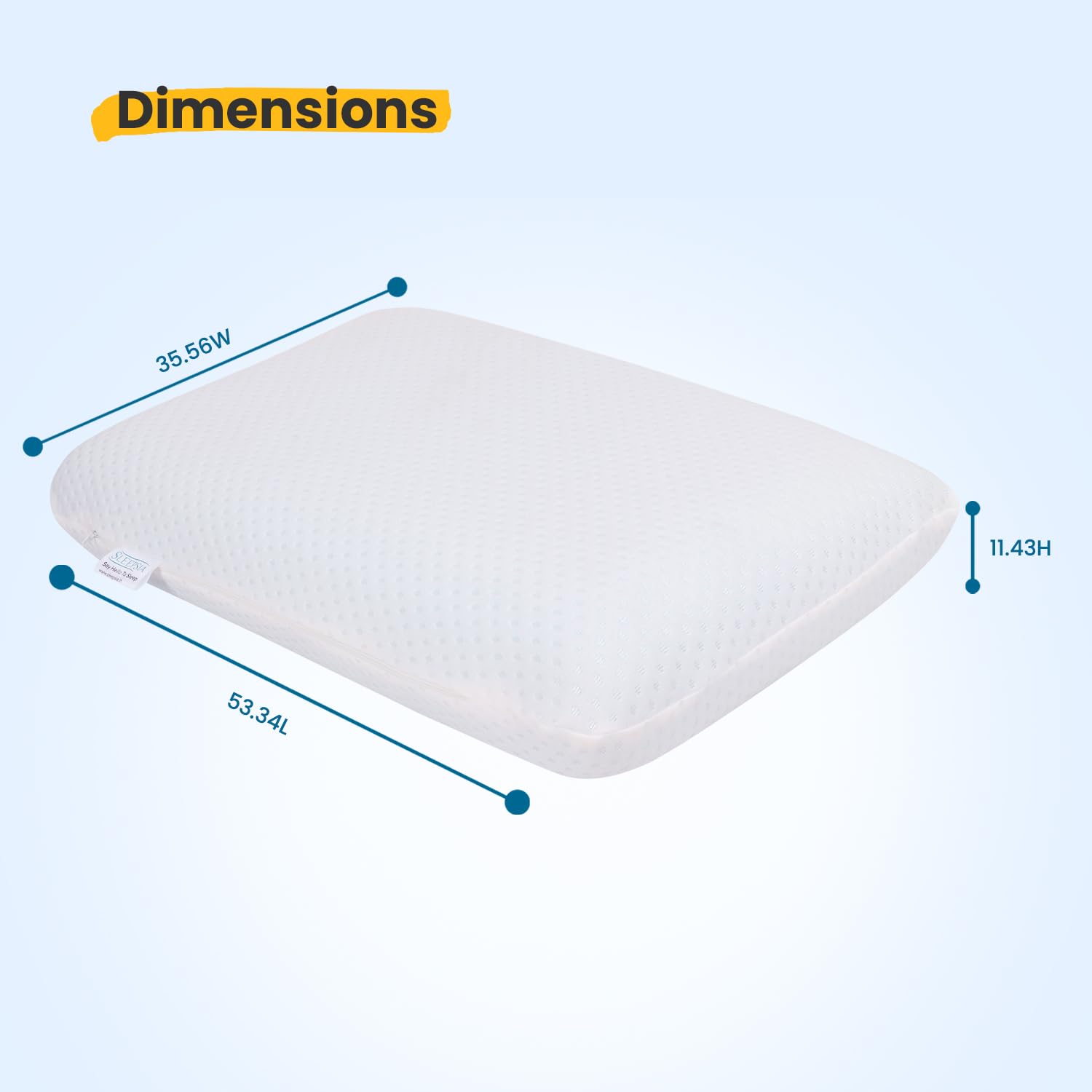
If you are suffering from neck or shoulder pain, you can consider using a memory foam pillow. Memory foam adjusts to and retains the shape of your head and neck. It supports your favorite sleeping position and relieves tension in your neck and back. A memory foam cushion can also help relieve pressure on the pressure points in your neck and head, reducing pain.
Recent Posts

Bhramari Pranayama: Benefits, Steps, and Breathing Technique

Top 10 Benefits of Vajrasana (Thunderbolt Pose) for Health

Hatha Yoga for Beginners: Benefits, Poses, and How to Start

Hypnic Jerk: Why You Twitch When You Sleep

What Are the Benefits of Doing Surya Namaskar (Sun Salutation)?

Surya Namaskar: How to Do Sun Salutation with 12 Easy Steps

10 Breathing Exercises to Try When You’re Feeling Stressed

